
Best Beaches in Spain: 25 Hidden Gems, Clear Water & Map (2026)

☕ Reader-supported. Every guide is free to read, with no sponsored recommendations. If Isle Passport helps you plan better trips, you can help create the next guide.
I have one rule for Spain: never judge the coast by the first beach you visit.
My first Spanish beach had water the color of weak tea. I spent four hours wondering what the hype was about.
Until I hopped a ferry to Formentera, walked 20 minutes from the port, and performed my now-famous “sunglasses test.” I literally had to take my shades off twice to check if the water was actually that turquoise. (Spoiler: It was).
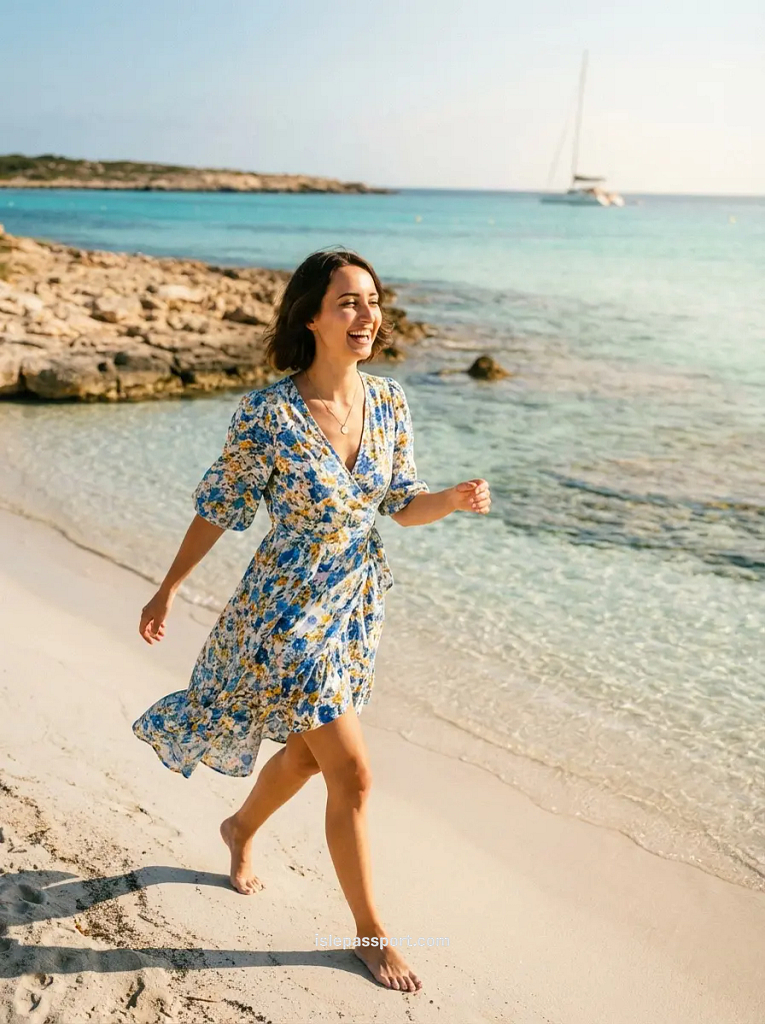
That’s Spain in a nutshell. The gap between the “tourist traps” and the “life-changing coves” is huge. After visiting 40+ beaches across the mainland and islands, these are the 25 I’d go back to in a heartbeat.
Quick Answer: The 5 Best Beaches in Spain 2026
If you’re in a hurry, these are the gold standard for crystal-clear water and natural beauty:
- Playa de Ses Illetes (Formentera) – Most beautiful overall.
- Cala Macarella (Menorca) – Best for clear water and seclusion.
- Playa de Rodas (Galicia) – Best untouched natural setting.
- Playa de Bolonia (Cádiz) – Best wild Atlantic coastline.
- Cala Comte (Ibiza) – Best for sunset views.
If you’re heading straight for the Balearics (great choice, by the way), you’ll definitely want to check out my deeper dive into the 10 hidden Mallorca beaches that most tourists completely drive past.
Where Are the Best Beaches in Spain Located?
Spain’s coastline is massive, but most of the “bucket list” spots fall into three main zones:
- The Balearic Islands (Mallorca, Menorca, Ibiza, Formentera) : The clearest water and most beautiful coves.
- The Mainland Coast: Dramatic landscapes and fewer crowds in spots like the Costa Brava, Cádiz, and Asturias.
- The Canary Islands (Tenerife, Lanzarote, Gran Canaria): Volcanic sands and year-round sunshine.
What Are the Best Beaches in Spain?
The best beaches in Spain are Playa de Ses Illetes, Cala Macarella, Playa de Rodas, Playa de Bolonia, and Cala Comte.
These beaches are considered the best beaches in Spain for their crystal-clear water, white sand, and diverse settings, ranging from Mediterranean coves in the Balearic Islands to wild Atlantic beaches in northern Spain.
Quick List: Best Beaches in Spain at a Glance
| Beach | Best For | Water Temp | Dog Friendly? | Blue Flag |
|---|---|---|---|---|
| Ses Illetes | Pure Beauty | 25°C – 27°C | ❌ | ✅ |
| Cala Macarella | Seclusion | 24°C – 26°C | ❌ | ✅ |
| Playa de Muro | Families | 25°C – 27°C | ⚠️ Select zones | ✅ |
| Playa de Rodas | Nature | 18°C – 20°C | ❌ | ✅ |
| La Concha | City Vibe | 20°C – 22°C | ❌ (summer) | ✅ |
| Las Canteras | Year-round | 21°C – 24°C | ✅ Nearby | ✅ |
| Playa de Bolonia | Wild Dunes | 21°C – 23°C | ❌ | ✅ |
What about quality? If you see a Blue Flag flying, you’re golden. As of 2026, Spain still leads the world with over 700 of these badges. It basically means the water is top-tier, there’s a lifeguard on duty, and the toilets actually work. The Valencia region currently has the most, so if you’re a stickler for facilities, start there.
Wait, are they all free? Short answer: Yes. One of my favorite things about Spain is that by law, every single inch of the coastline is public. You’ll never find a “private beach” behind a hotel fence here.
A quick 2026 heads-up: Spain has gone big on “Smoke-Free” beaches this year. In places like Barcelona, the Balearics, and the Canaries, smoking or vaping on the sand can actually land you a fine (sometimes up to €2,000!).
Also, keep your shirt on when you leave the sand. Walking through beach towns in just a bikini or trunks is now a fineable offense in spots like Palma and Málaga.
Before you pick one and start planning, it helps to see how they’re spread across the country geographically. I put together a full overview of Spain’s coastal regions that maps out the coastline in a way that makes the decision much clearer.
Most Beautiful Beaches in Spain
Now that you know the rules and have the map, let’s get into the good stuff. Here’s the deep dive into the 25 spots that actually lived up to the hype.
Playa de Ses Illetes, Formentera
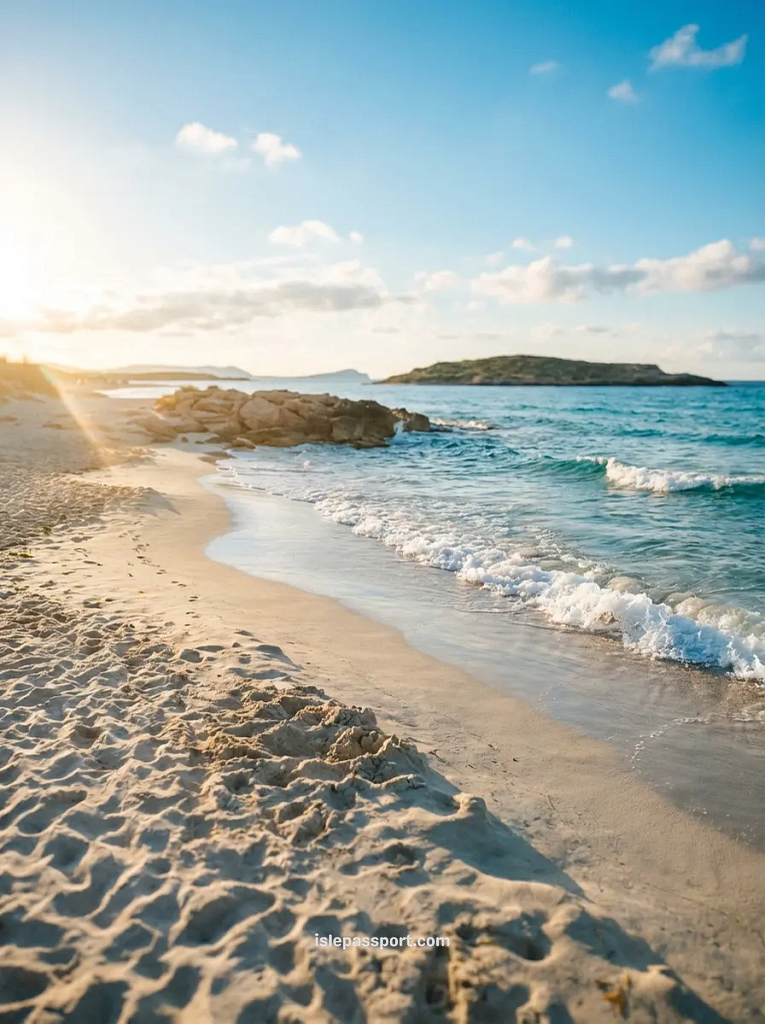
The first time I stood at Ses Illetes I took my sunglasses off. Then I put them back on. Then I took them off again. I genuinely couldn’t work out whether the water was that colour or whether something was wrong with my eyes.
It wasn’t my eyes.
Ses Illetes sits on a narrow strip of land on the northern tip of Formentera. The smallest and least developed of the Balearic Islands.
The water on both sides is so shallow and so clear that you can walk 50 metres from shore and still see every detail of the sand below your feet.
No beach clubs. No jet skis. No development. Just white sand, improbable water, and light that makes every photo look like it was taken by someone who knew what they were doing.
Getting there takes a ferry from Ibiza. About 30 minutes. Then a bike ride or taxi to the north of the island. The logistics keep the crowds manageable. Go before 10am in summer and you’ll have long stretches of it almost to yourself.
It is the most beautiful beach I have ever stood on. I’ve stood on beaches in Greece, Croatia, Thailand, and the Maldives. None of them had this exact thing.
Cala Macarella, Menorca
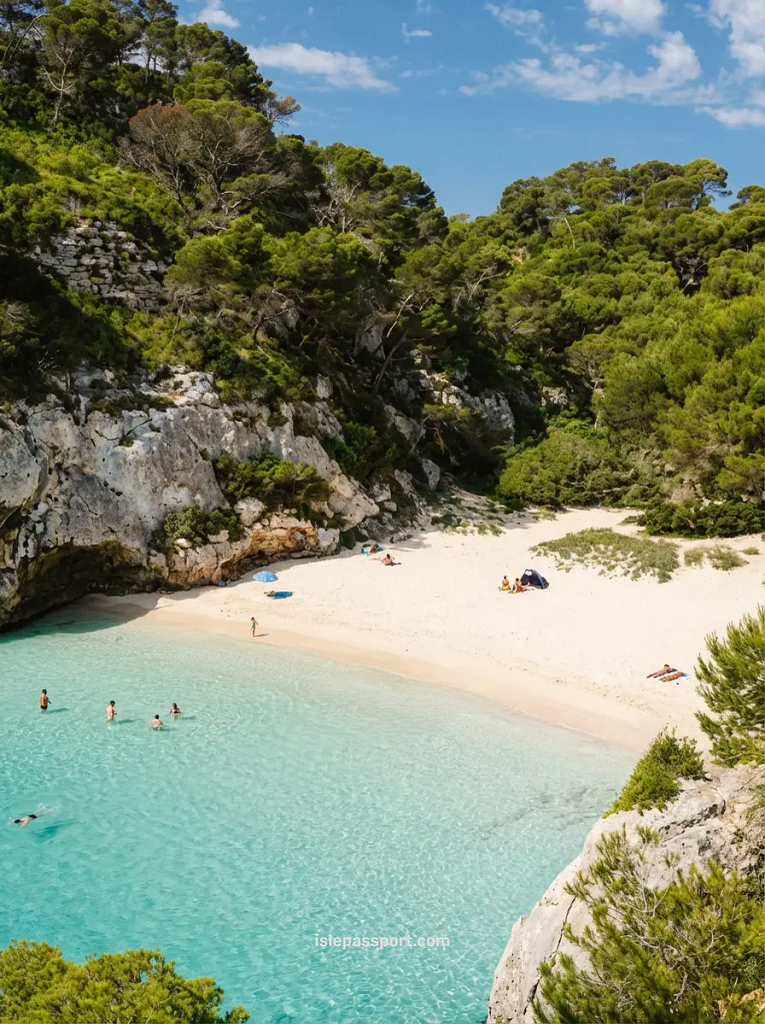
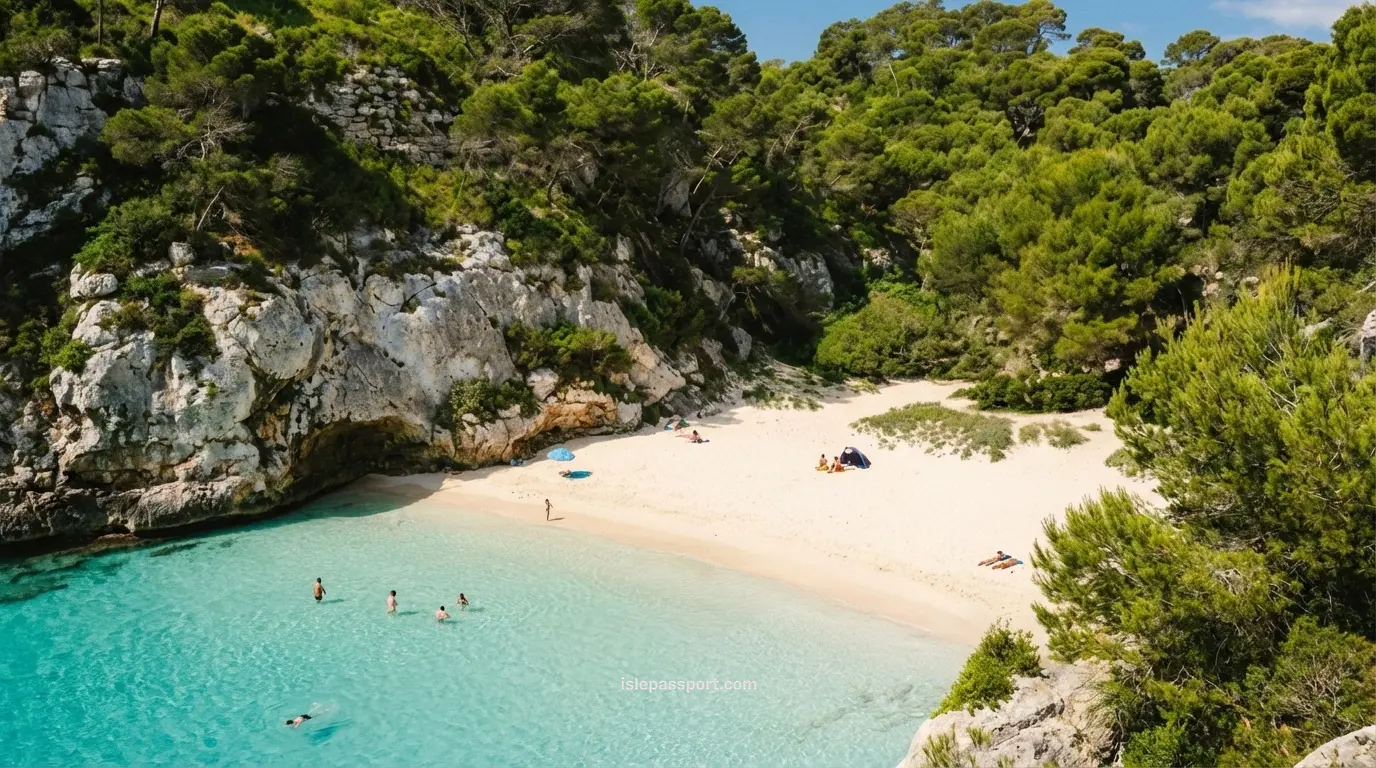
Cala Macarella appears in photographs and looks designed by someone who had never seen an ugly beach in their life.
Pine trees reaching down to white sand. Water that shifts from pale green at the shore to deep turquoise further out. Limestone cliffs framing both sides perfectly.
It’s accessible by a 20-minute walk through pine forest from the car park. Exactly enough effort to keep the casual visitors away.
The thing I always tell people about Cala Macarella: walk around the headland. Cala Macarelleta, five minutes further, is smaller and even more beautiful. Almost never photographed. Almost always quieter. That’s the one I go to when I’m choosing.
Playa de Bolonia, Cádiz
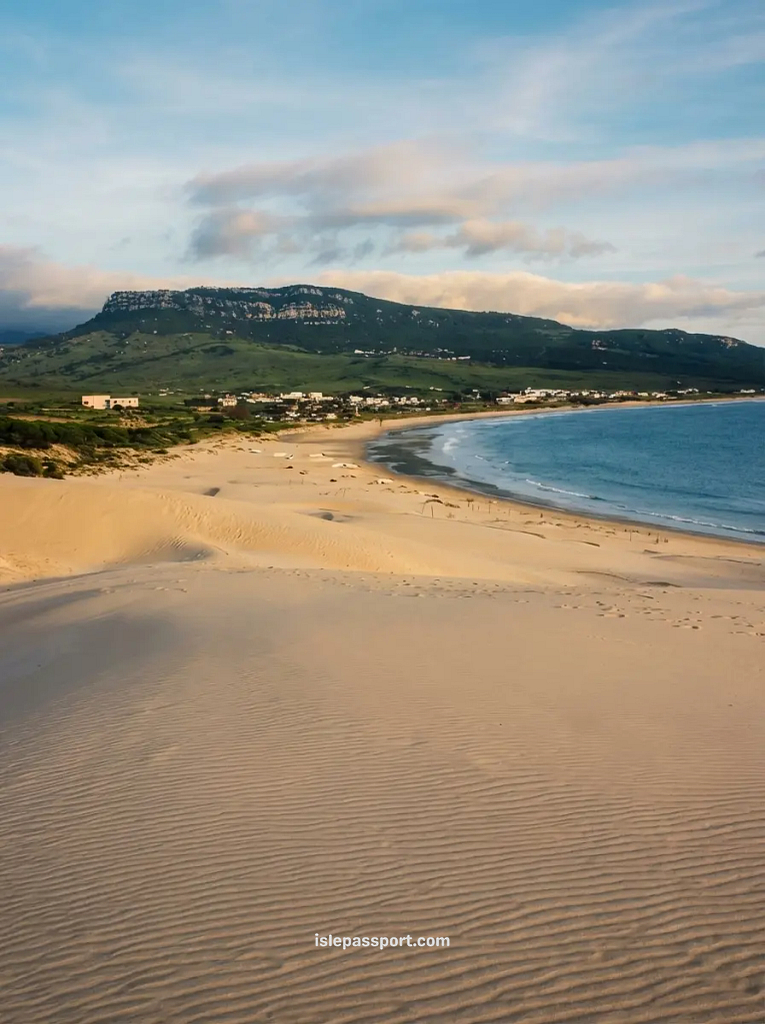
Bolonia surprised me the first time I visited and continues to surprise people I recommend it to.
It faces the Atlantic rather than the Mediterranean which gives it a completely different character. Wide. Open. Backed by a 30-metre sand dune at its northern end. The ruins of the Roman city of Baelo Claudia sit directly on the beach. You walk from 2,000-year-old archaeology to open Atlantic sand in about three minutes.
The wind is real and consistent. Bring a windbreak if you want to stay all day comfortably. But the light in the late afternoon is extraordinary and the view from the top of the dune at sunset is one of the best on the Spanish coast.
I wrote about Bolonia and the rest of the Costa de la Luz in detail in my guide to southern Spain’s beaches. Including the other Atlantic beaches along that stretch that most people drive straight past.
Playa de Rodas, Cíes Islands, Galicia
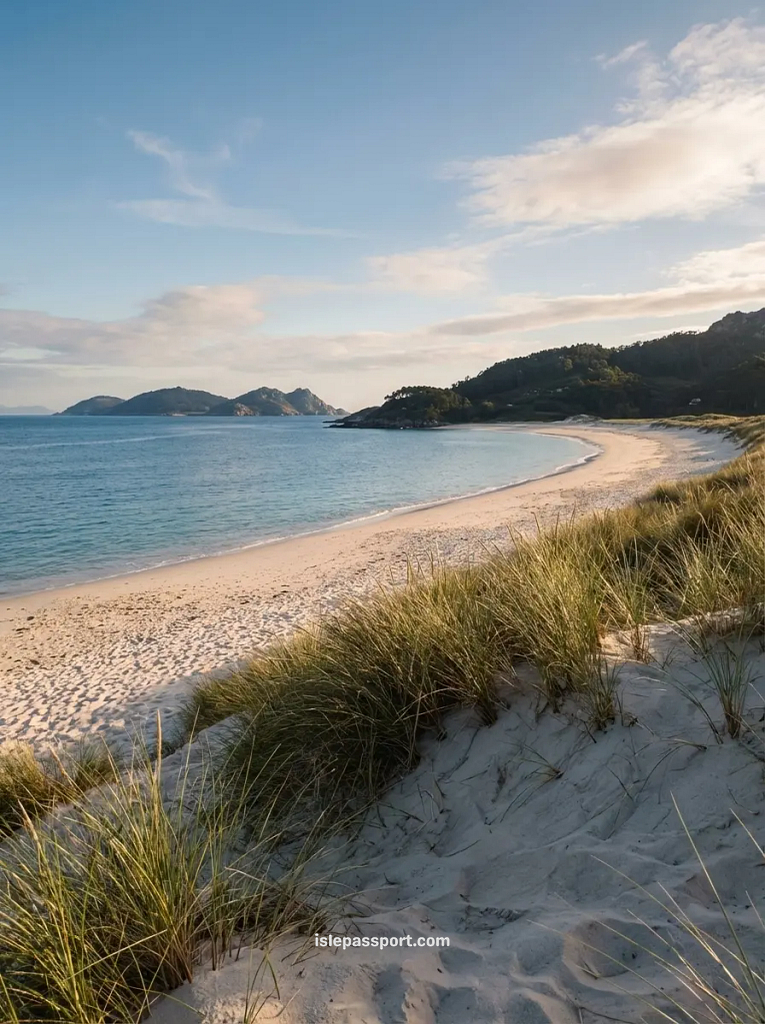
Playa de Rodas was named the best beach in the world by The Guardian and it hasn’t declined since.
The Cíes Islands sit off the coast of Galicia in northwest Spain and are a protected national park. No cars, no hotels, visitor numbers capped by permit. The water is Caribbean-clear in a way that makes no geographical sense given you’re in the north Atlantic. Fine white sand. Seabirds everywhere.
Getting there requires a ferry from Vigo, Baiona, or Cangas and a day visitor permit booked in advance through the national park system. That bureaucracy is the best thing about it. It keeps the beach at a fraction of the crowd levels it would otherwise attract.
For official permit booking and ferry information, the Parque Nacional das Illas Atlánticas is the only place to book. Do it months ahead for summer visits — they cap numbers and it sells out.
Best Beaches in Spain for Clear Water
If water clarity is what you’re after, Spain’s best options are almost entirely on the islands. The Mediterranean mainland has good clarity in places. The Costa Brava, parts of Almería. But nothing that consistently competes with the Balearics or the volcanic coves of Lanzarote.
Pro tip on water temp: If you’re a “warm bath” kind of swimmer, head to the Costa Blanca (Alicante) or the Costa Cálida (Murcia). Because the Mediterranean is shallower and more sheltered there, the water hits a dreamy 26°C-28°C by August. If you’re in the North (Galicia/Asturias), prepare for a “refreshing” 20°C. Even in the peak of summer!
Cala Turqueta, Menorca
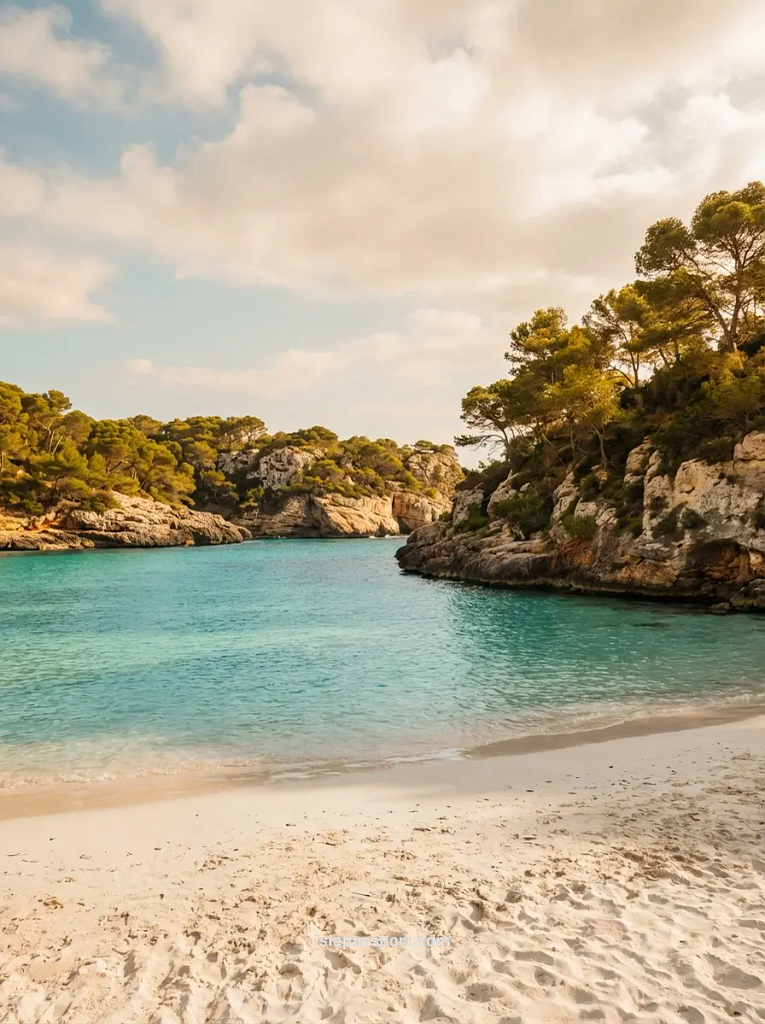
The name is not marketing. It is an accurate description.
Cala Turqueta has the clearest water I’ve seen anywhere in Spain outside of Formentera. White limestone sand. Water that is genuinely turquoise from the shore rather than just at the right camera angle. A 15-minute walk through pine forest from the car park keeps it manageable even in summer.
No facilities at the beach. Bring everything you need. That’s exactly what keeps it this way.
Cala Saladeta, Ibiza
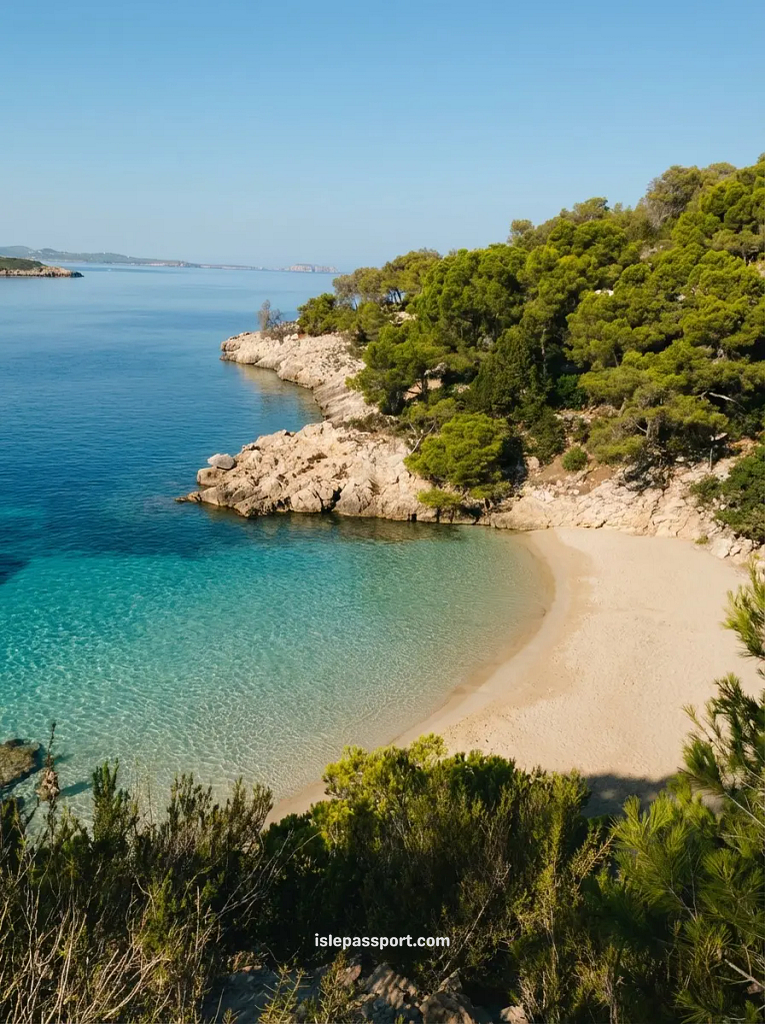
Cala Saladeta is one of Ibiza’s best-kept secrets. Which is saying something on an island that is surprisingly good at keeping beach secrets from the people who only see its nightlife side.
Sheltered cove. White sand. Pine trees behind the beach. Water that is among the clearest on the island. Accessible by a short walk or by boat. Small enough that it never feels like a resort beach even in August.
Most people who visit Ibiza for the clubs never find it. That’s your advantage.
Playa de Papagayo, Lanzarote
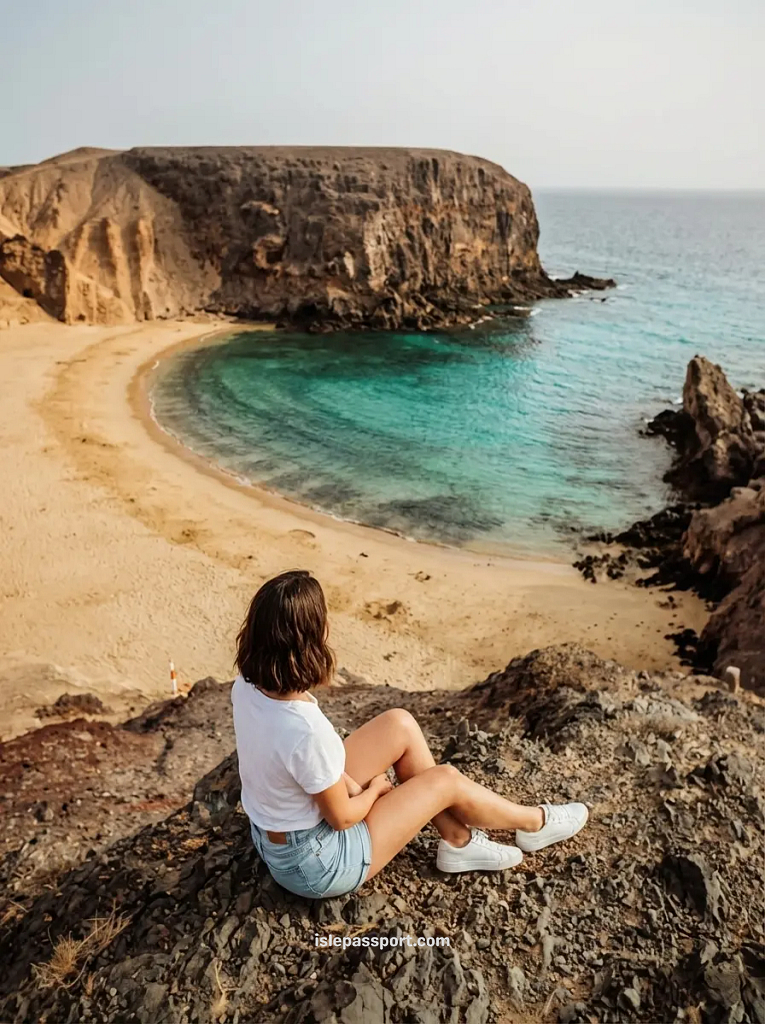
Lanzarote’s volcanic landscape creates coastal scenery that looks like nothing else in Spain. Dark volcanic cliffs dropping to coves of pale sand with water that is improbably clear given how dramatic everything around it is.
There are several Papagayo coves. Los Colorados, Playa del Pozo, Playa de la Cera. Each slightly different. You need a car or a boat to reach them properly. Worth every bit of the effort.
Cala del Moraig, Valencia

I wish I’d brought these water shoes for the pebbles at Moraig. You can grab them here.
Cala del Moraig is the best beach on the Spanish mainland for snorkelling and one of the most dramatic coves on the Mediterranean coast.
It sits at the base of steep limestone cliffs near Benitatxell. The water is deep, clear, and cold. Unusual for the Mediterranean. Because of freshwater springs entering from the rock.
A sea cave at the western end is accessible by swimming. One of the most extraordinary natural features I’ve found on this coastline. Pack water shoes. Go early.
For the clearest water in Spain, Menorca and Formentera are consistently the best choices.
Hidden Beaches in Spain (Underrated Gems)
The best hidden beaches in Spain are the ones that require enough effort to reach that casual visitors turn back.
These are the beaches I tell people about quietly. Not to keep secrets. It’s too late for most of them. But because they reward the effort in a way that famous beaches rarely do anymore.
One huge heads-up for August 2026:
A total solar eclipse is passing right over Northern Spain. If you’re planning to hit beaches like Playa del Silencio or Rodas during that week, book your ferry and hotels now. It’s going to be the busiest the North has ever been!
Playa del Silencio, Asturias
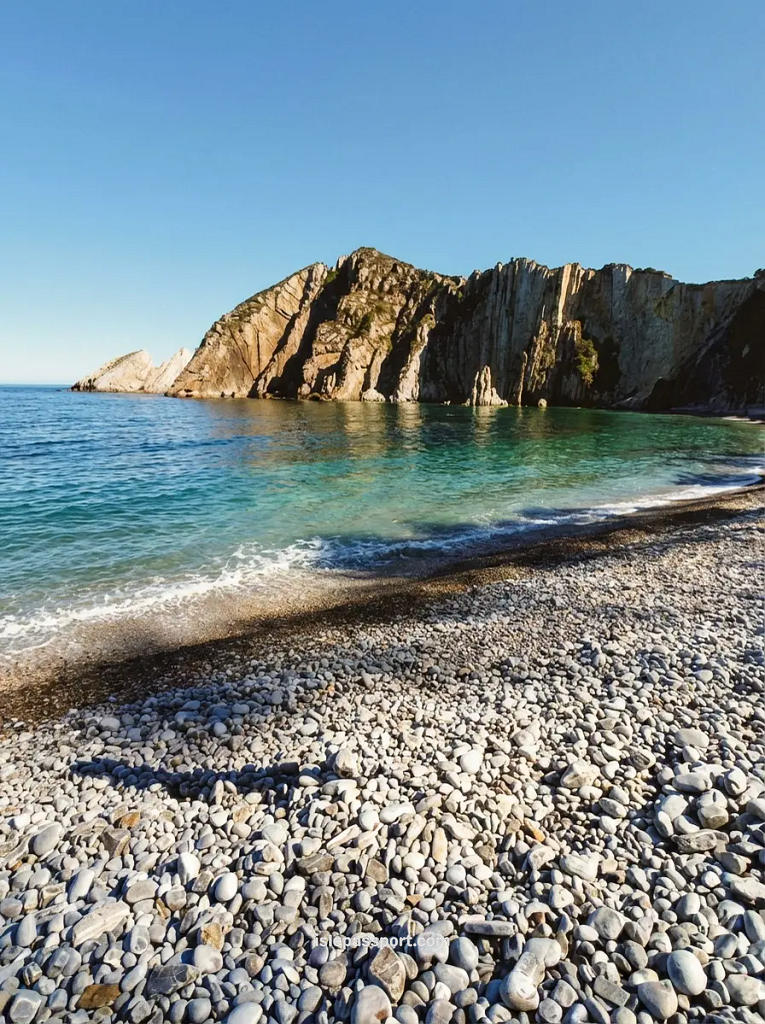
Playa del Silencio is the most dramatic beach in mainland Spain. And it’s nothing like anything you’ll find in the south.
It sits on the Asturian coast in northern Spain. Green, wet, mountainous. The beach is enclosed by tall rock walls that block it from sight until you’re almost on top of it. You walk down a steep path, round a corner, and suddenly there’s a perfectly sheltered cove with clear water and almost no one in it.
The water is cold even in August. This is the north Atlantic, not Andalusia. But the drama of the setting is completely unlike anything in the south and the silence the name promises is real.
Northern Spain is consistently underestimated. I covered it properly in my guide to Spain’s northern coastal towns, a completely different side of the country from what most visitors see.
Wait, where are the waves? If you aren’t here for the silence and actually want to move, the North is Spain’s surf capital. Playa de Zarautz (Basque Country) is the “heart” of the scene. Perfect for all levels. If you’re a pro looking for that legendary “left” wave, you’re heading to Mundaka.
Playa de Gulpiyuri, Asturias
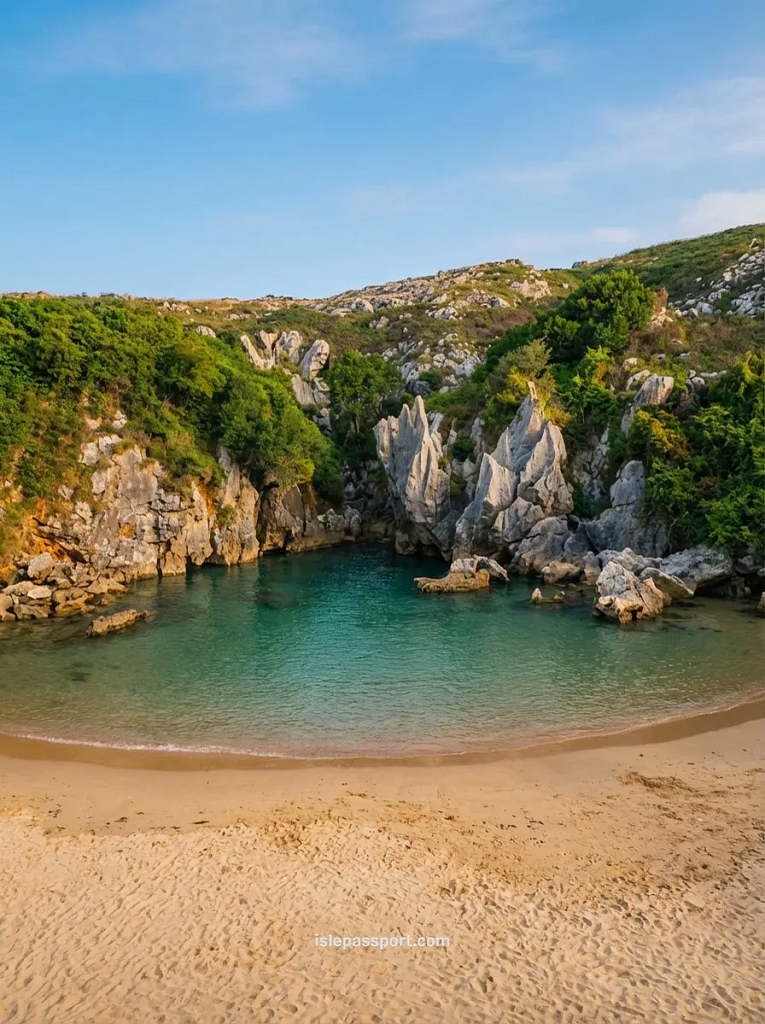
Playa de Gulpiyuri is the most unusual beach in Spain and possibly in Europe.
It’s an inland beach. A small cove of fine sand surrounded by green meadows, with no direct visible connection to the sea. The water arrives through an underwater tunnel in the rock. So the beach has waves and tidal movements despite being completely landlocked.
It’s tiny. Barely 40 metres across at low tide. And protected as a natural monument. You’ll spend about 20 minutes there and talk about it for years.
Cala Tuent, Mallorca
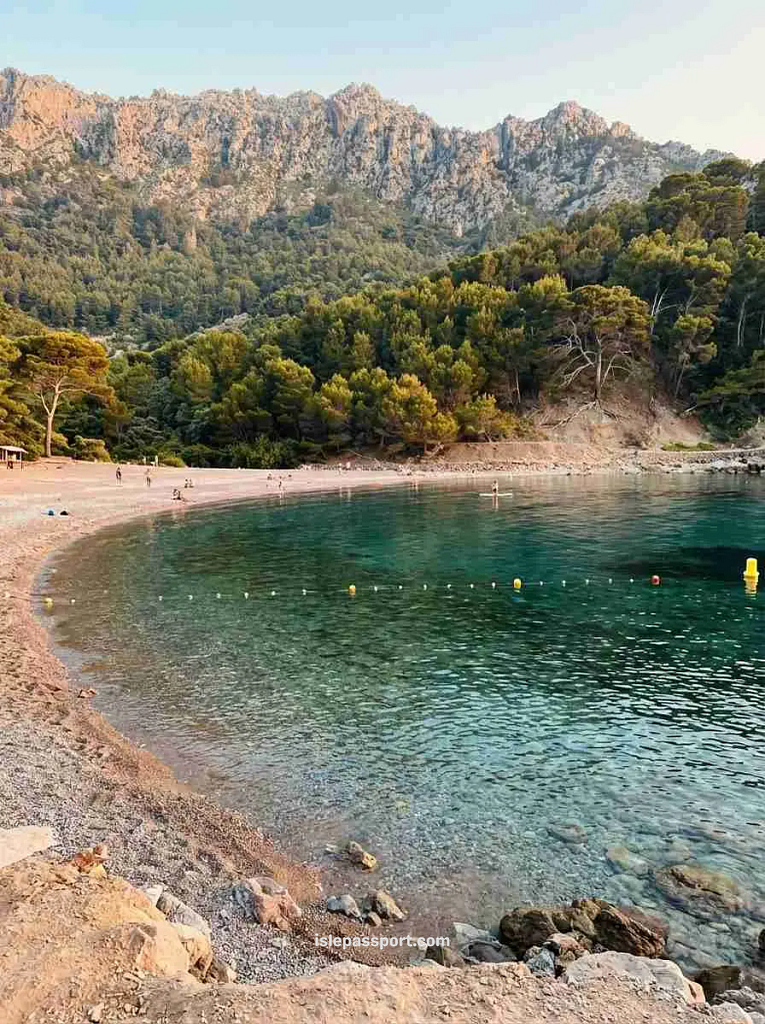
Cala Tuent is Mallorca’s best-kept secret on an island that is increasingly hard to keep secrets on.
Northwest coast, beneath the Serra de Tramuntana mountains. The only access is a winding mountain road that keeps casual visitors away. Small cove, deep clear water, mountain backdrop that is dramatically different from most Mallorca beaches.
There’s a restaurant directly on the beach that has been there for decades. Eat there. Order whatever fish is fresh. That detail alone makes it worth the drive.
Cala d’en Serra, Ibiza
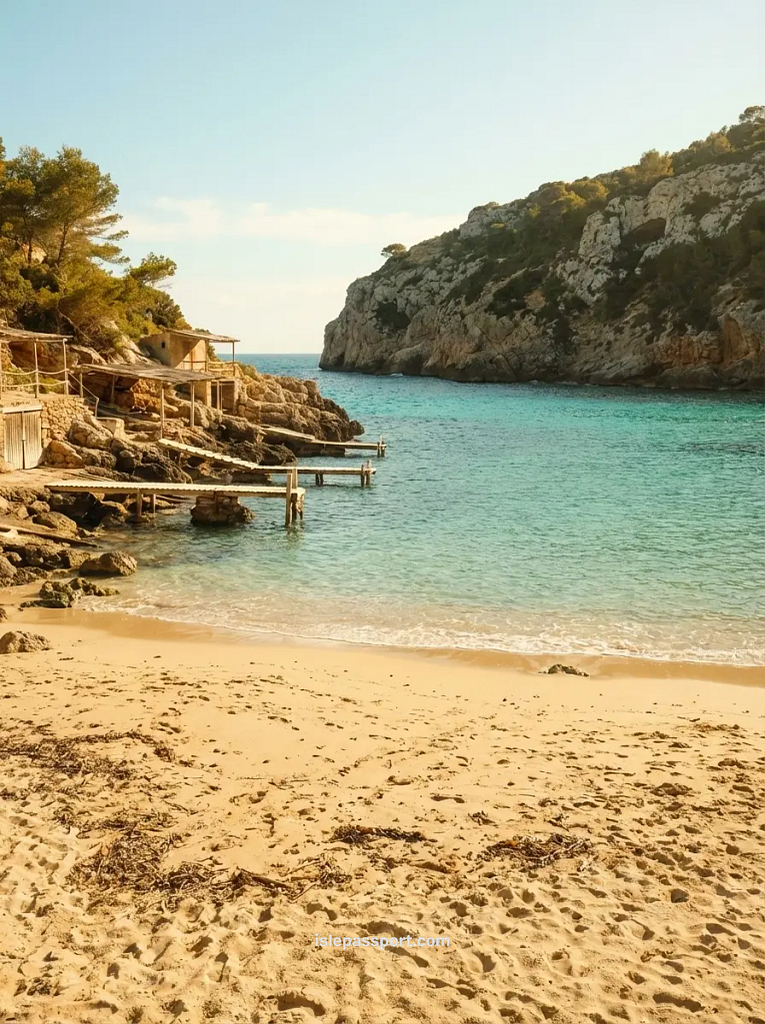
As far from the Ibiza of club photography as it’s possible to get while still being on the island.
Small northern cove. Rough track access. Turquoise water. A cliff above it that gives one of the best viewpoints on the island. The rough track filters out everyone who isn’t serious about finding it. In a summer when every other Ibiza beach is crowded, this one stays genuinely quiet.
Cala Estreta, Costa Brava
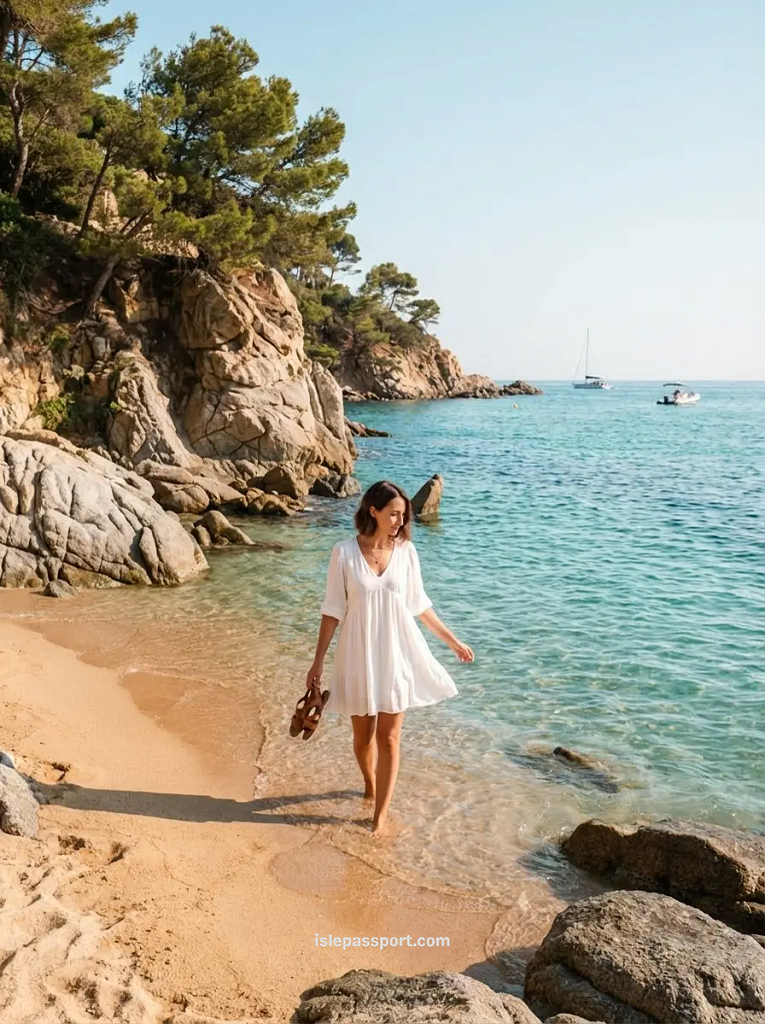
Cala Estreta is the best hidden beach on the Costa Brava mainland. A deep narrow cove accessible only by coastal hiking trail or boat.
The water is exceptionally deep and clear. The surrounding pine forest and rock walls make it feel sheltered even when the rest of the coast is busy. Most visitors to Tossa de Mar and Lloret de Mar never walk far enough along the coast to find it. That’s entirely their loss.
If you’d rather reach the hidden coves by water than on foot, boat tours cover this stretch of coast and get you into coves the coastal path doesn’t reach.
For fewer crowds, northern Spain and hard-to-reach coves are your best options.
Best Beaches in Spain for Families
The best family beaches in Spain share specific characteristics. Calm shallow water. Good facilities. Easy access. And enough around them that the day doesn’t rely entirely on the beach itself.
Playa de la Concha, San Sebastián
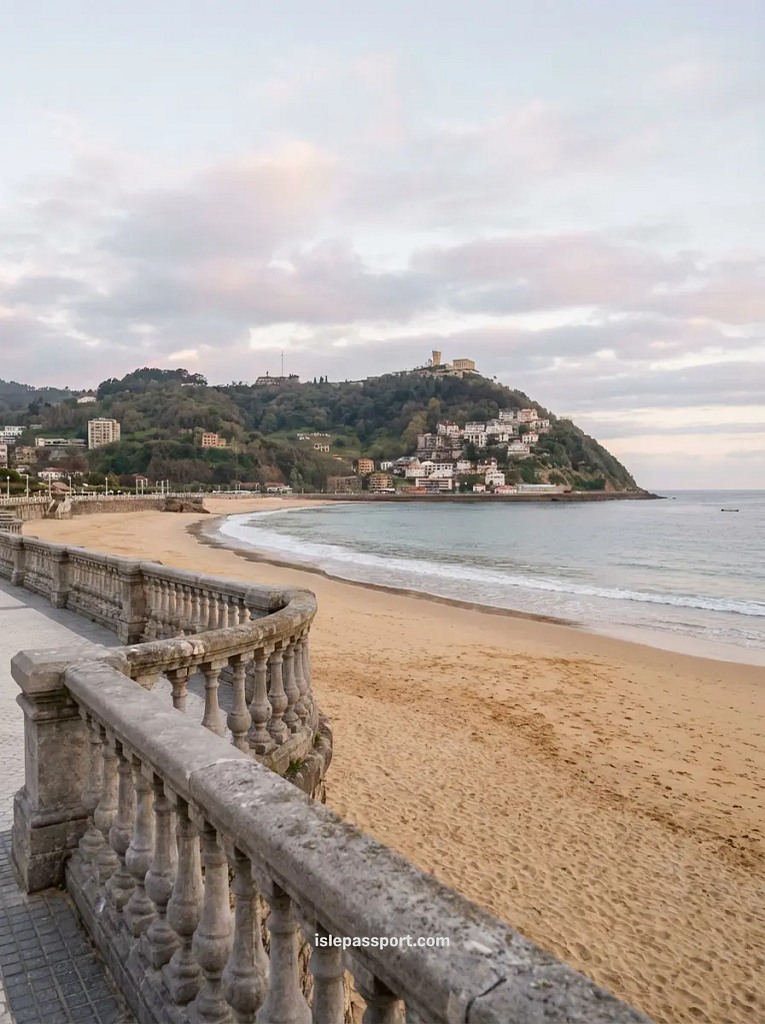
Playa de la Concha is the best city beach in Spain. And it’s not close.
Perfect sheltered bay, walkable from the old town, calm water, fine sand, mountains visible behind the city from the shore. The promenade above it is one of the most beautiful in the country.
But here’s what makes it stand out from every other beach on this list. The food. The pintxos bars in San Sebastián’s old town are the best eating experience on the entire Spanish coastline.
You get a world-class beach and a world-class food city in the same place. That combination is rare.
Go in September and you’ll have the beach largely to yourself with the water still warm.
For more destinations that combine genuinely good food with genuinely good beaches, my guide to coastal cities in Spain worth visiting covers the options beyond the obvious.
Playa de Muro, Mallorca
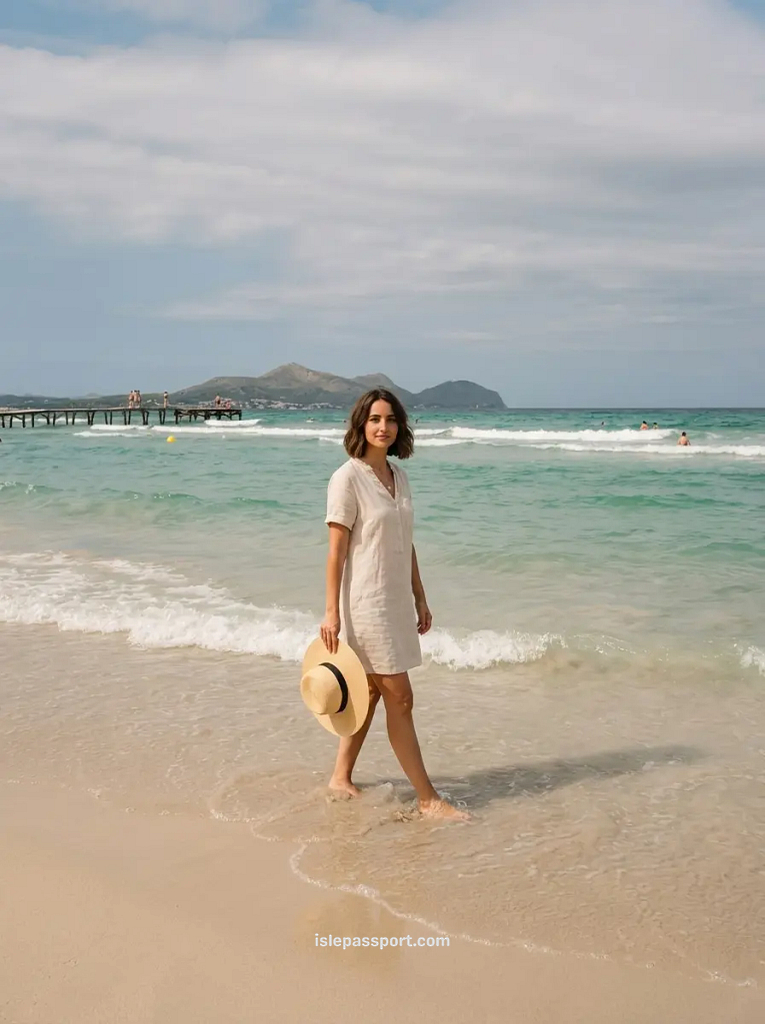
Playa de Muro is the best family beach in Mallorca. Six kilometres of fine white sand in the north of the island with shallow, calm water that warms quickly in the morning sun.
It sits inside a protected natural park which limits the development behind it. Pine trees come close to the sand. The water is genuinely shallow for a long way out. Ideal for children who want to swim without the seabed dropping away underneath them immediately.
Playa de Las Canteras, Gran Canaria
Playa de Las Canteras is the best urban beach in Spain after La Concha.
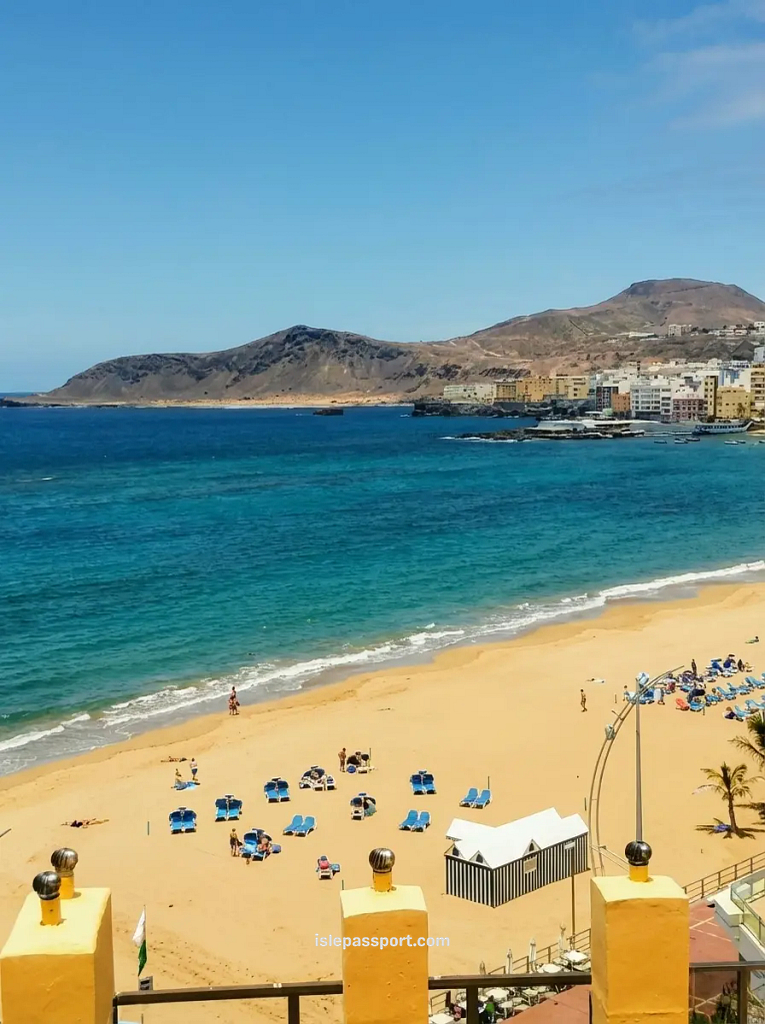
It sits directly in the city of Las Palmas and is protected by a natural reef that keeps the water calm regardless of Atlantic conditions outside. Three kilometres long. Good promenade restaurants and independent shops behind it.
And because Gran Canaria is warm year-round, it’s one of the most practical family beach destinations in the country regardless of when you’re travelling.
Playa de Mogan, Gran Canaria
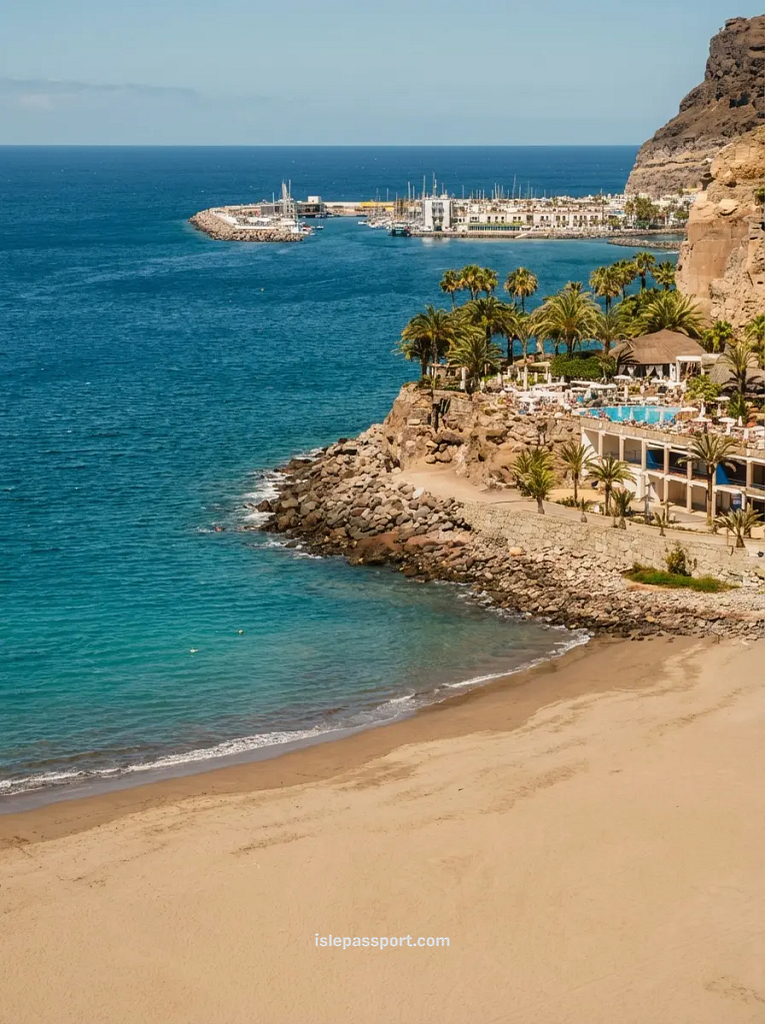
Playa de Mogan is the prettiest resort beach in the Canary Islands and one of the most family-friendly on Gran Canaria.
The village of Puerto de Mogán behind the beach has canals and whitewashed houses that give it a character unusual for a resort town. Small, sheltered, calm beach. The Friday market in the village is one of the best on the island.
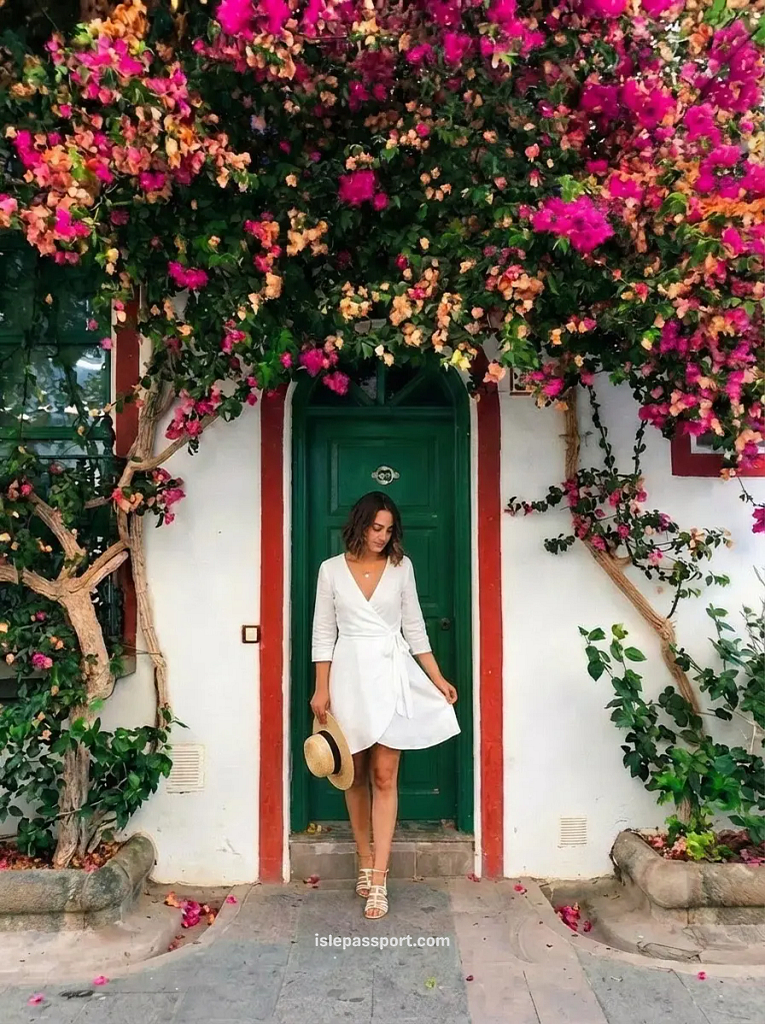
The combination of quiet beach and interesting village makes it the Canary Islands option I’d pick for families who want more than just a sun-lounger holiday.
For families, beaches with shallow, calm water like Playa de Muro are the safest choice.
Traveling with Pets?
Bringing a furry friend? Most Spanish beaches ban dogs in the summer (June–Sept), but “Dog Beaches” (Playas Caninas) are popping up everywhere. Playa de la Rubina (Costa Brava) was the first and is still the best. They can be off-leash and actually swim!
Best Beaches In Spain for Couples and Sunset Views
The best beaches in Spain for couples are the ones that are best at the end of the day. When the light changes and the crowds thin and the Mediterranean turns colours it has no business turning.
Cala Comte, Ibiza
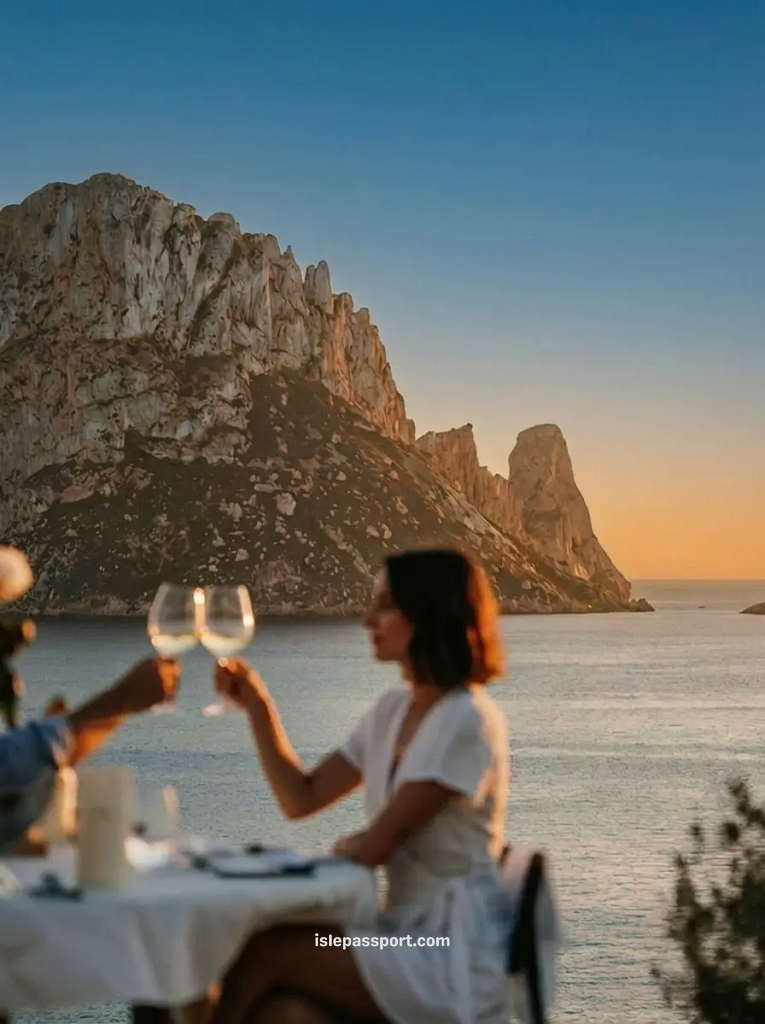
Cala Comte has the best sunset view of any beach in Spain. I’ve watched the sun set from a lot of places along this coastline. Nothing else comes close to this.
It faces west from the southwestern coast of Ibiza and the light in the last two hours before sunset does things to the water that make it look like a different sea entirely. Multiple small coves at different levels of the rocks. Some sandy, some stone. Each with a slightly different angle on the same view.
Arrive at 5pm. Find your spot. Stay until the sun is completely gone. The restaurants above the coves fill up early so either book ahead or bring your own food and sit on the rocks with everyone else who figured this out.
Playa de Benijo, Tenerife
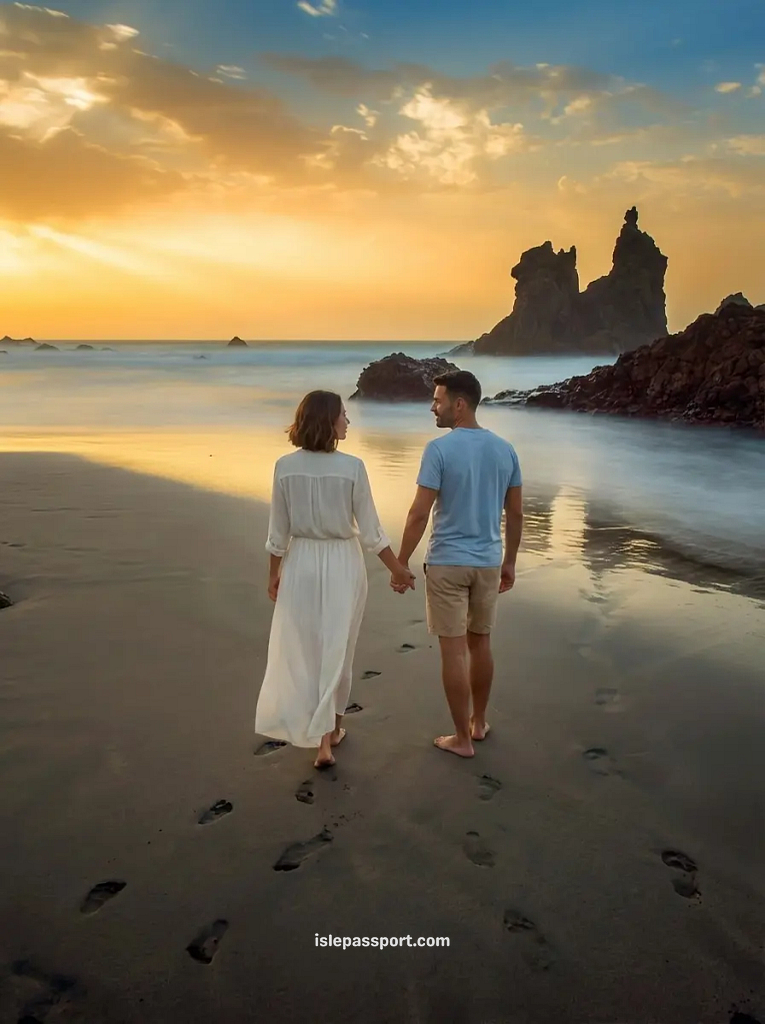
Playa de Benijo is the most dramatic beach in the Canary Islands.
Volcanic black sand. Massive rock stacks rising from the water. Green mountains behind the beach. The contrast between the black sand, the turquoise water, and the surrounding volcanic landscape is unlike anything else in Spain.
The sunsets here are extraordinary. The rock stacks catch the light as the sun drops and the colours shift through orange and red in a way that photographs but never quite replicates the experience of standing there in person. I’ve tried.
Cala Sa Boadella, Costa Brava
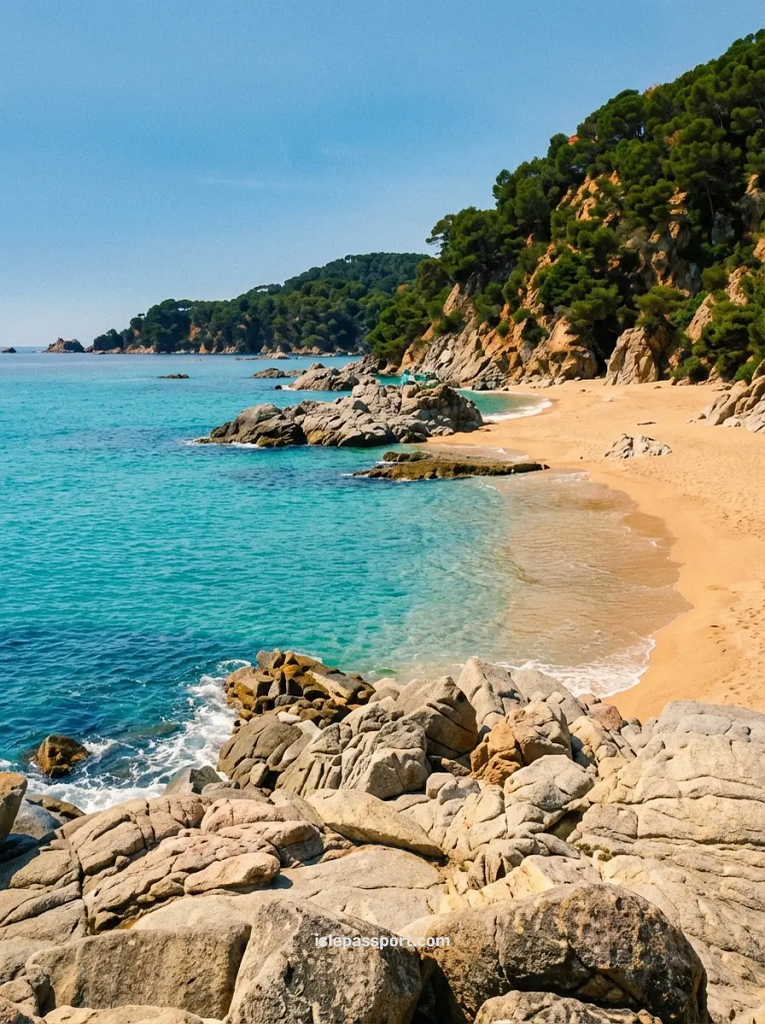
Cala Sa Boadella is the most underrated romantic beach on the Spanish mainland.
It sits just north of Lloret de Mar. Which should put it in the middle of tourist Spain. But is separated from the resort town by a 25-minute coastal walk that keeps it at a fraction of the crowds. Clear water, pine trees, small sandy beach, very few people even in July.
The walk from Lloret along the cliff path gives you views over the Costa Brava that are worth the journey independently of what you find at the end. That combination of effort, scenery, and a quiet beach at the finish is exactly what makes it work for couples.
Cala Saona, Formentera
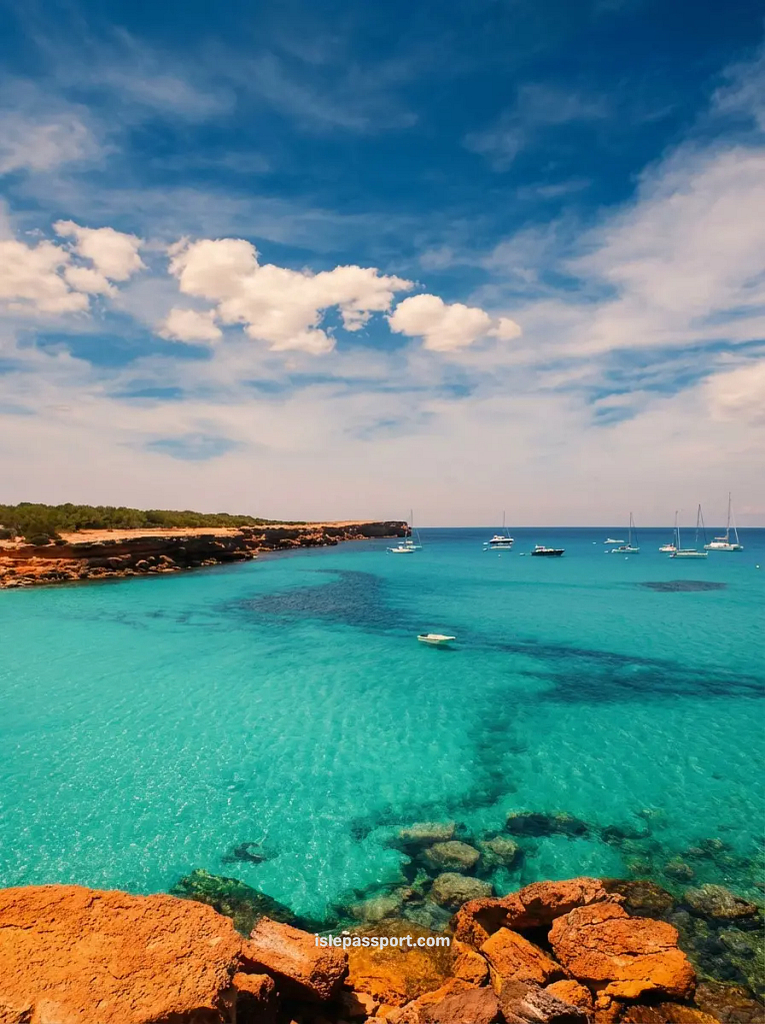
Cala Saona is the best beach in Spain for couples who want Caribbean-quality water without leaving Europe.
Western coast of Formentera, facing the sunset. Small, sheltered, with water that is the turquoise colour that makes people question whether photos have been edited. The light in the late afternoon is exceptional and the beach is quiet enough in summer that it never loses its character.
Which Spanish Island Has the Best Beaches?
This is the question I get asked most often and the honest answer is: it depends entirely on what you want from the trip.
Balearic Islands — Mallorca, Menorca, Ibiza, Formentera
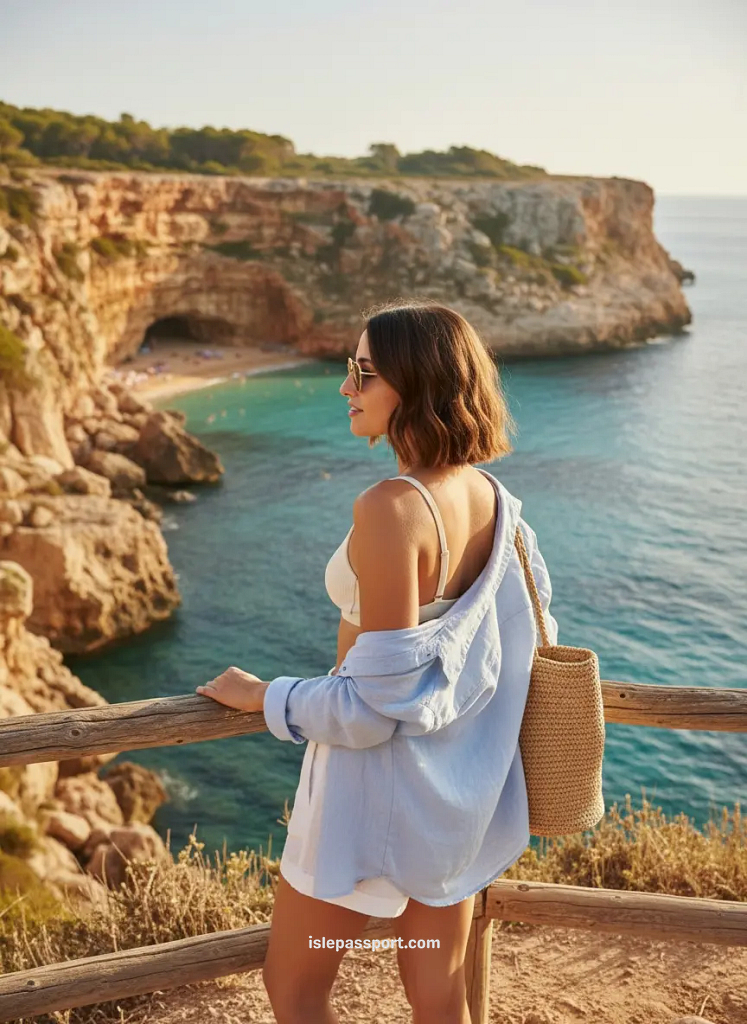
The Balearics have some of the clearest water in Spain and some of the most beautiful cove beaches in Europe. But each island is a genuinely different experience.
Mallorca is the largest and most varied. Dramatic mountain coastline in the northwest, long sandy beaches in the north and east, resort development in the south that most people regret staying in when they discover the north. The best beaches: Cala Tuent, Cala Agulla, Es Trenc. Are all away from the main tourist areas.
Menorca is the quietest and most protected. Half the island is a UNESCO Biosphere Reserve. If I had to pick one Balearic island for beach quality alone, Menorca wins. The beaches here: Cala Macarella, Cala Turqueta, Cala Trebaluger. Are consistently among the clearest and most beautiful in the country. And because it doesn’t attract the party crowd that Ibiza and Mallorca do, it stays manageable.
Ibiza has a reputation that obscures how genuinely extraordinary its beaches are. Cala Comte, Cala d’en Serra, Cala Saona. The northern and western coves especially are exceptional. The party reputation keeps many people away from the beach side of the island. That’s entirely your advantage if you’re not there for the clubs.
Formentera is the smallest and the best for pure beach quality. Ses Illetes alone justifies the ferry from Ibiza. Almost no nightlife. Very little development. Some of the most extraordinary water in Europe. The island that changes the way you think about beaches in general.
If you’re interested in island experiences beyond Spain, my guide to quiet Mediterranean islands covers some of the less-visited alternatives worth considering alongside the Balearics.
Canary Islands — Tenerife, Lanzarote, Fuerteventura, Gran Canaria
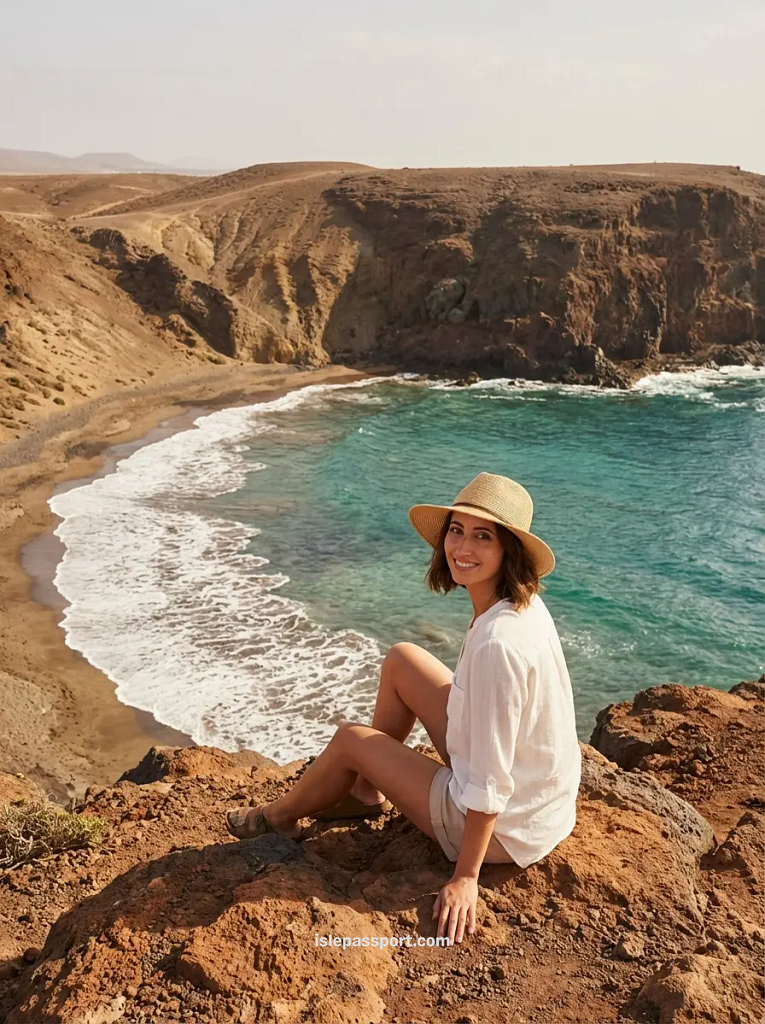
The Canaries are a completely different experience from the Balearics. Volcanic, dramatic, year-round warm, and much further south geographically despite being Spanish territory.
Tenerife has the most dramatic landscape. Volcanic mountains, black sand beaches in the north, developed resort beaches in the south. Playa de Benijo and Playa de las Teresitas are the standouts. Completely different from each other and both worth visiting.
Lanzarote is the most architecturally interesting. Strict building regulations have kept the landscape almost entirely unspoiled. Playa de Papagayo is the best beach. The volcanic scenery makes the whole island feel unlike anywhere else in Spain.
Fuerteventura has the best beaches for surface area. Long, wild, often windy, with sand that looks North African because geographically it almost is. Corralejo in the north and Cofete in the south are exceptional.
Gran Canaria has the best combination of city and beach. Las Palmas is a proper functioning city with a world-class beach directly in it.
Best Beaches Without Crowds
The best beaches in Spain without crowds share one thing in common: they all require slightly more effort to reach than the alternatives.
These are the beaches where you can still hear yourself think in August. Some require effort to reach. All of them reward it.
Cala Trebaluger, Menorca
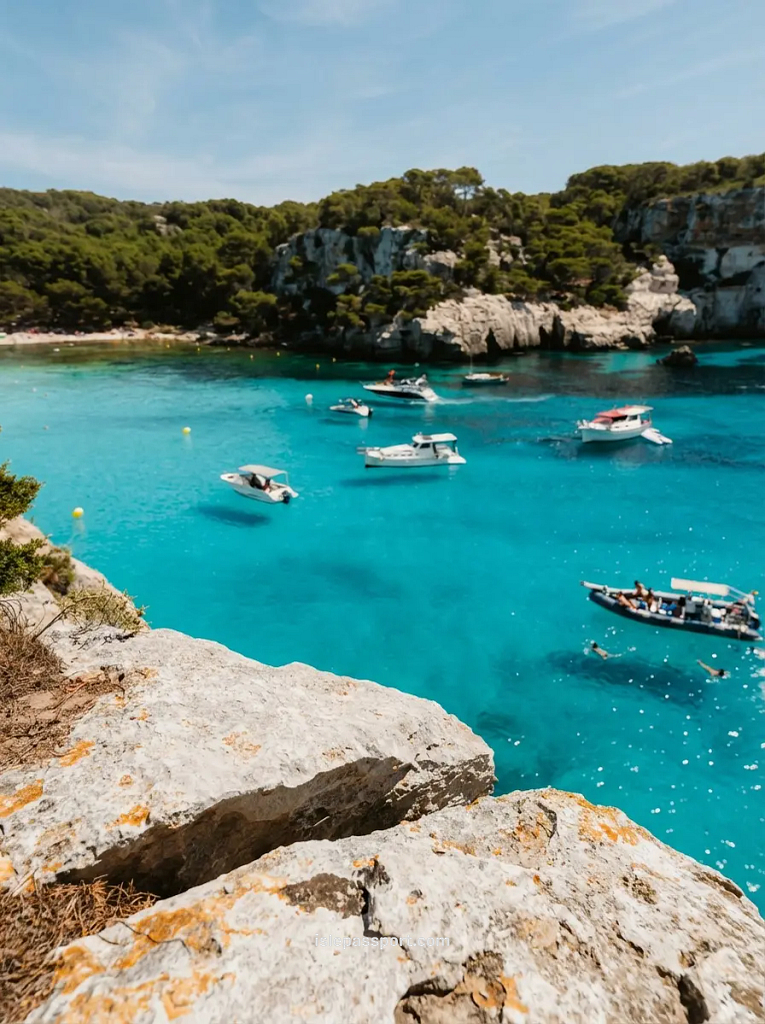
Cala Trebaluger is accessible only by boat or a long coastal walk. Which is precisely why it remains one of the few genuinely uncrowded beautiful beaches in the Balearics.
No development visible from the beach in any direction. The water is clear and deep. It’s what Menorca’s coast looked like before anyone discovered it. And because of the access, it largely remains that way.
Cala Tuent, Mallorca
The mountain road access means Cala Tuent stays genuinely quiet even in July and August when the rest of Mallorca’s northwest coast is at capacity.
Already covered in the hidden beaches section but worth mentioning again here because if crowds are your primary concern, this is the beach in Mallorca to prioritise.
Cala d’en Serra, Ibiza
The rough track filters out everyone who isn’t serious about finding it. In a summer when every other Ibiza beach is packed, this northern cove remains one of the quietest on the island. The effort-to-reward ratio is among the best of any beach on this list.
Playa del Silencio, Asturias
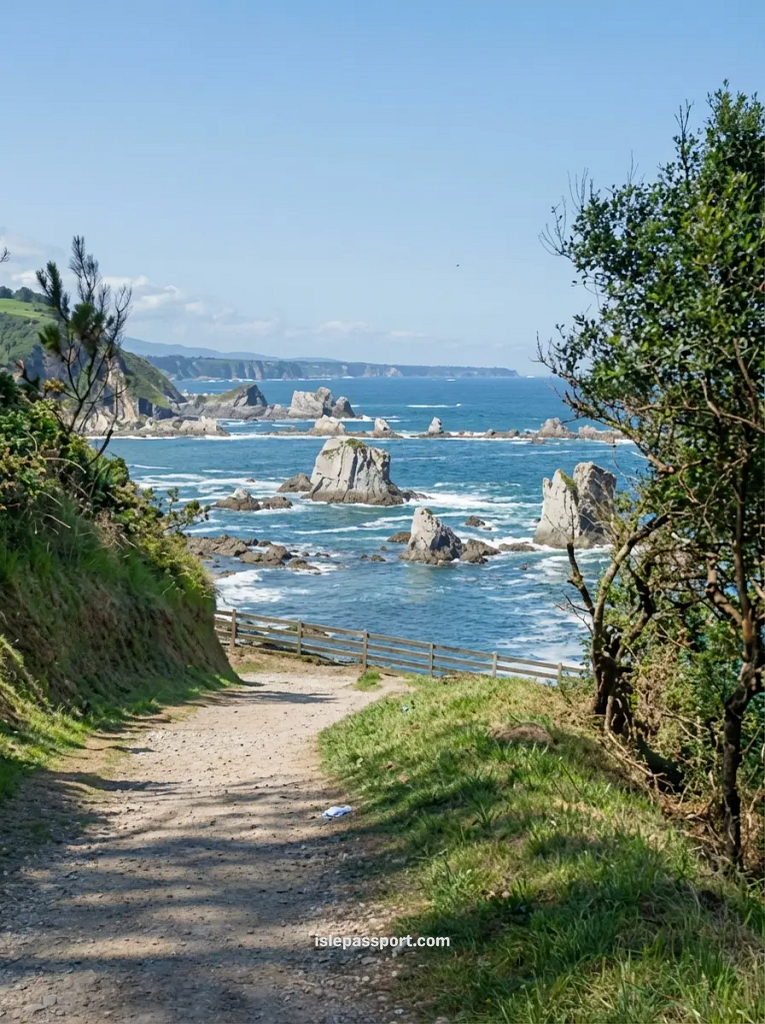
The access path keeps casual visitors away even in peak season. The combination of extraordinary dramatic setting and genuine quiet is rare at this level of beauty. Most places that look this good are busy. This one isn’t.
For full destinations built around a slower, quieter pace, my guide to peaceful coastal towns in Spain covers the towns worth basing yourself in if avoiding crowds is the priority rather than ticking off famous spots.
Best Beaches in Spain Compared
This table covers the top beaches in Spain side by side so you can make the decision that’s right for your trip without reading every section. Based on sand type, water clarity, crowds, and accessibility.
| Beach | Region | Sand | Crowds | Access | Best For |
|---|---|---|---|---|---|
| Ses Illetes | Formentera | White | Low–medium | Ferry + bike/taxi | Most beautiful |
| Cala Macarella | Menorca | White limestone | Medium | 20-min walk | Beauty + seclusion |
| Bolonia | Cádiz | Fine white | Low | Car | Atlantic wild |
| Rodas | Cíes Islands | White | Capped | Ferry + permit | Untouched nature |
| Cala Comte | Ibiza | Rock + sand | Medium–high | Car/taxi | Sunset couples |
| Silencio | Asturias | Dark pebble | Very low | Steep path | Drama, hidden |
| La Concha | San Sebastián | Fine sand | High (summer) | Walk from city | Families + food |
| Cala Turqueta | Menorca | White limestone | Low–medium | 15-min walk | Clearest water |
| Playa de Muro | Mallorca | Fine white | Medium | Car/bus | Families |
| Benijo | Tenerife | Black volcanic | Low | Car | Volcanic drama |
| Cala Tuent | Mallorca | Pebble + sand | Low | Mountain road | Hidden, quiet |
| Moraig | Valencia | Pebble | Low–medium | Short walk | Snorkelling |
| Gulpiyuri | Asturias | Fine sand | Low | Short walk | Unique inland |
| Cala d’en Serra | Ibiza | Sand + rock | Very low | Rough track | Least touristy |
| Trebaluger | Menorca | Pebble | Very low | Boat / long walk | No development |
When Is the Best Time to Visit?
My honest recommendation for most of the best beaches in Spain: September. The water holds the summer heat, the crowds thin out noticeably after the first week, and prices actually start to behave.
You get the best conditions of the summer without the peak season chaos. I’ve had some of my best beach days in Spain in late September. Warm water, half-empty sands, and zero stress.
Spain Beach Season 2026: A Quick Guide
If you’re planning your trip, keep these two things in mind:
The Canary Islands: These are your “cheat code” for winter. Because they stay at “Eternal Spring” temperatures year-round, islands like Tenerife and Lanzarote are easily the best winter beach spots in Europe. While the rest of us are wearing coats in January, you can still be working on your tan there.
Mainland Spain & Balearics: The “official” beach season runs from June to mid-September. This is when the lifeguards are on duty, the beach bars (chiringuitos) are buzzing, and all the facilities are fully open.
| Month | Mediterranean | Atlantic | Islands | Notes |
|---|---|---|---|---|
| May | ✅ 18–19°C | ⚠️ Cool | ✅ Warm year-round | Uncrowded, great weather |
| June | ✅ 21°C | ✅ 19°C | ✅ Excellent | Sweet spot — warm and manageable |
| July–August | 🔥 Warm, busy | 🔥 Busy, breezy | 🔥 Peak season | Book everything far ahead |
| September | ✅ Best overall | ✅ Warmest Atlantic | ✅ Excellent | Warm water, lower prices |
| October | ✅ Still 20–21°C | ⚠️ Cooling | ✅ Still warm | Great for Canaries and Almería |
| Nov–Apr | ⚠️ Cool | ❌ Cold | ✅ Canaries year-round | Canaries only reliable option |

For Costa de Almería, Lanzarote, and most of the Costa Brava hidden beaches you genuinely need a car. If you prefer to book ahead, I usually use reliable local car rental platform so I can compare prices easily and avoid last-minute surprises.
For official sea temperature data by region, AEMET — Spain’s national meteorological agency publishes records that are genuinely useful for planning around water temperature rather than just air temperature.
If you’re travelling outside peak season, my guide to where to go in Spain in winter breaks down which coastal destinations hold up well when everywhere else has gone quiet.
Spain Best Beaches by Region: Quick Reference
Not sure which part of Spain to focus on? Here’s the regional breakdown that makes the decision faster.
Best Beaches in Mallorca
Cala Tuent, Cala Agulla, Es Trenc, Playa de Muro, Cala Mesquida. Best for: variety, all traveller types, easy access. The best beaches in Mallorca are mostly in the north and northwest away from the resort south.
Best Beaches in Menorca
Cala Macarella, Cala Turqueta, Cala Trebaluger, Cala Mitjana, Son Bou. Best for: clear water, seclusion, families, couples. Menorca has the best beaches in Spain for water clarity on a consistent basis across the whole island.
Best Beaches in Ibiza
Cala Comte, Cala d’en Serra, Cala Saladeta, Cala Sa Boadella, Ses Salines. Best for: sunset views, clear water, couples. The best beaches in Ibiza are almost entirely in the north and west of the island.
Best Beaches in Costa Brava
Cala Estreta, Cala Sa Boadella, Platja de Castell, Cala Pola, Tamariu. Best for: dramatic scenery, clear water, couples. Most of the best beaches on the Costa Brava require a car or boat to reach properly.
Best Beaches in Costa del Sol
Playa de Burriana, La Malagueta, Playa de Estepona. I covered the full picture in my guide to coastal towns near Málaga. Including which towns are actually worth staying in versus just visiting for the day. Best for: families, first-timers, easy access by train.
Best Beaches in the Canary Islands
Playa de Papagayo, Playa de Benijo, Playa de Las Canteras, Corralejo, Playa de Cofete. Best for: year-round warmth, volcanic scenery, families, surfers.
FAQ: Best Beaches in Spain
I get these questions in my inbox all the time, so here’s the “no-fluff” version of what you actually need to know before you pack your towel.
Which is the most beautiful beach in Spain?
The most beautiful beach in Spain is Playa de Ses Illetes. It is known for its white sand and crystal-clear turquoise water.
Which Spanish island has the best beaches?
The Spanish island with the best beaches is Formentera. It offers the clearest water and least developed coastline in Spain.
Ses Illetes alone justifies the trip. Menorca has the best beaches in Spain for water clarity combined with natural protection and low development. For variety across one island, Mallorca. For year-round warmth, Lanzarote or Fuerteventura.
Are Spain’s beaches sandy or rocky?
It varies significantly by region. The Costa de la Luz has wide Atlantic sandy beaches. The Costa Brava and many Balearic beaches tend toward pebble and rock. Which produces clearer water. The Canary Islands have both white sand and volcanic black sand. The Costa del Sol ranges from dark sand to pebble depending on which stretch of coast.
Where is the clearest water in Spain?
The clearest water in Spain is in the Balearic Islands. Particularly Formentera and Menorca. On the mainland, the Costa Brava and the volcanic coves of Cabo de Gata in Almería come closest. The clarity in the Balearics is a function of the sandy seabed, limited development, and protected coastline status.
Are Spanish beaches free?
Yes — all beaches in Spain are public by law. You can’t own a beach or prevent public access. What you pay for is the sunbed rental, the food at the chiringuito, and the parking above the beach. The sand and water are always free.
What’s the best beach in Spain for snorkelling?
Cala del Moraig in Valencia is the best mainland beach in Spain for snorkelling. Deep, clear water and a sea cave accessible by swimming. In the islands, almost any Menorcan cove offers excellent snorkelling given the water clarity. Cala Macarella and Cala Turqueta are both exceptional.
What’s the best month for Spain’s beaches?
September is the best month for most of the best beaches in Spain. The water is at its warmest, the crowds reduce significantly after August, and prices drop noticeably. June is the best option if you want warm weather without any crowds at all. For the Canary Islands, any month works.
What are Spain’s best hidden beaches?
The best hidden beaches in Spain are Playa del Silencio in Asturias, Playa de Gulpiyuri in Asturias, Cala Tuent in Mallorca, and Cala d’en Serra in Ibiza. Each requiring enough effort to reach that the crowds stay manageable even in peak summer season.
Which part of Spain has the warmest water?
If you want that “warm bath” feeling, head to the Costa Blanca (Alicante) or Formentera. Because the water is shallower and more sheltered, it regularly hits 27°C (80°F) in August. If you’re heading to the North (Galicia or Asturias), it’s much “crisper”. Usually hovering around 19°C.
Can I bring my dog to the beach in Spain?
Yes, but you have to be picky! Most “mainstream” beaches ban dogs from June to September. However, Spain is getting much more pet-friendly. Look for designated “Playas Caninas”. Playa de la Rubina (Costa Brava) and Agua Amarga (Alicante) are two of the best where your pup can actually swim off-leash.
Is it true you can’t smoke on the beach anymore?
Keep an eye out for signs! As of 2026, many regions (including almost all of Barcelona’s beaches and many in the Balearic Islands) have banned smoking and vaping on the sand. Fines are rare but they can happen, so it’s better to step off the sand if you need a puff.
Before You Go
Whether you have a week or a month to explore them, the best beaches in Spain will consistently deliver more than you expect . As long as you know which ones to look for.
Spain’s beaches reward planning more than almost anywhere else in Europe. The gap between the beach you stumble onto and the beach you specifically went looking for is enormous. Every beach on this list is here because I went back to it by choice. Which is the only metric that actually matters to me.
If you’re building a longer trip around multiple regions, my coastal Spain guide maps out all the coasts and helps you plan a route that actually makes geographic sense.
I hope you find a beach this year that makes you take your sunglasses off twice. See you by the sea!
Before You Book: The Tools I Actually Use
I only link to tools and platforms I’ve personally used and would use again. If you book through my links I earn a small commission at no extra cost to you — which helps me keep writing these guides.
Sort by guest rating above 8.5 and check the map view before confirming.
Book as soon as you confirm flights. Summer prices in the islands rise fast.
Routes sell out in July and August. Book early for Spanish islands.
Boat tours, kayaking, guided hikes. Morning slots go first.
I never travel without it — covers illness, cancellations, and lost luggage.
The easiest way to move between coastal towns without a car. Prices rise closer to departure.
💛 Loved this guide?
If it helped you plan your trip or discover somewhere new, you can help me create the next one. Every guide is free to read, independently researched, and made with travellers like you in mind.
