
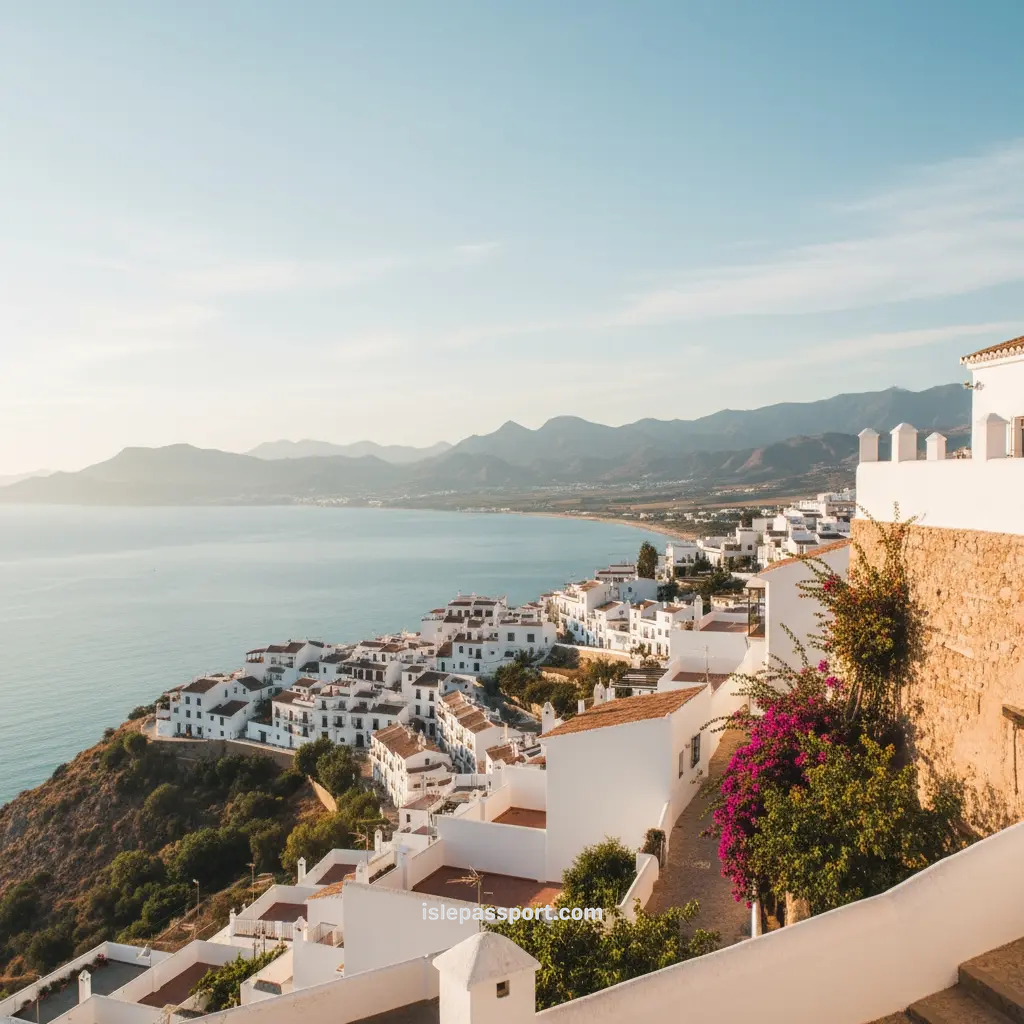
Quiet Beach Towns in Spain Perfect for Off-Season Travel

When summer ends and the crowds head home, Spain’s coastline transforms. The heat softens, the light turns golden, and the beaches — once full of umbrellas and chatter — fall silent again.
For me, these are the best months to travel. The quiet beach towns in Spain reveal their true character in autumn and spring. Locals return to the cafés, fishermen paint their boats, and you can walk for miles without hearing a word of English.
I’ve spent years exploring Spain’s coastlines in the off-season — from the white villages of Andalusia to the green cliffs of the north — and every time, I fall in love with this version of Spain all over again.
This isn’t a guide built from lists. It’s built from mornings spent drinking coffee by empty harbors, sunsets over silent dunes, and long drives through coastal roads that felt like they belonged only to me.
If you’re planning off-season travel in Spain and looking for peaceful, uncrowded coastal towns, this guide is for you.
Why Travel Off-Season in Spain
Most travelers visit Spain between June and August — and it’s easy to see why: guaranteed sunshine, long days, and warm seas. But outside those months lies the real magic.
From October to May, the coast feels alive again in a quieter way. You’ll find:
- Mild weather perfect for walking and hiking.
- Lower prices on accommodation and car rentals.
- Locals who have time to chat again.
- And that rare feeling of having the beach to yourself.
When I first started traveling off-season, I expected closed shutters and empty streets. Instead, I found open bakeries, morning markets, and that comfortable rhythm you only get when a place isn’t performing for tourists.
If you look at a quiet beach towns in Spain map, you’ll see that both the Mediterranean and Atlantic coasts have incredible options — from the peaceful Costa de la Luz to hidden corners of Asturias and Galicia in the north.
1. Mojácar (Almería) – For Whitewashed Calm and Mediterranean Views

I’ve stayed in Mojácar multiple times, always off-season. And every visit feels like hitting pause on the world.
This hilltop town in Almería province overlooks the Mediterranean — a maze of white houses, quiet squares, and balconies filled with bougainvillea. Below it, Mojácar Playa stretches for miles, with small chiringuitos (beach bars) that stay open year-round.
In winter, mornings are slow. Locals sip espresso in the sun, and the beach is often empty except for a few walkers and dogs. The water stays surprisingly warm through October, perfect for a swim after lunch.
I loved eating at La Cava Bar de Tapas — their homemade croquettes and grilled prawns with lemon still come to mind.
If you’re looking for one of the best quiet beach towns in Spain that balances peace with a touch of life, Mojácar is perfect.
Travelers who want to explore beyond Mojácar usually fall in love with Almería’s quieter coastline — a stretch of hidden coves, small fishing towns, and gentle beaches that stay peaceful long after summer ends.
2. Nerja (Costa del Sol) – Best for Coves, Sun, and Old-Town Charm

Even though Nerja sits on the well-known Costa del Sol, it stays calm outside summer. By late September, the crowds thin and the town’s local rhythm returns.
I spent two weeks here in November once — mornings on the Balcony of Europe, afternoons hiking in the nearby Sierra de Almijara, and evenings eating grilled sardines at Ayo’s on Burriana Beach.
The coves around Nerja — Carabeillo, Calahonda, Maro — are among the most beautiful in southern Spain. The sea stays clear, and the weather often feels like early summer even in December.
The Costa del Sol might have a reputation for tourism, but Nerja proves it can also be a peaceful retreat. It’s easily one of the best beaches in Spain for couples — romantic, walkable, and glowing with light even in winter.
If you’re mapping out a wider route through Andalucía, I also wrote about southern Spain’s lesser-known beach towns — Nerja included, but with a few surprises you might love even more.
3. Conil de la Frontera (Costa de la Luz) – For Golden Beaches and Clifftop Walks
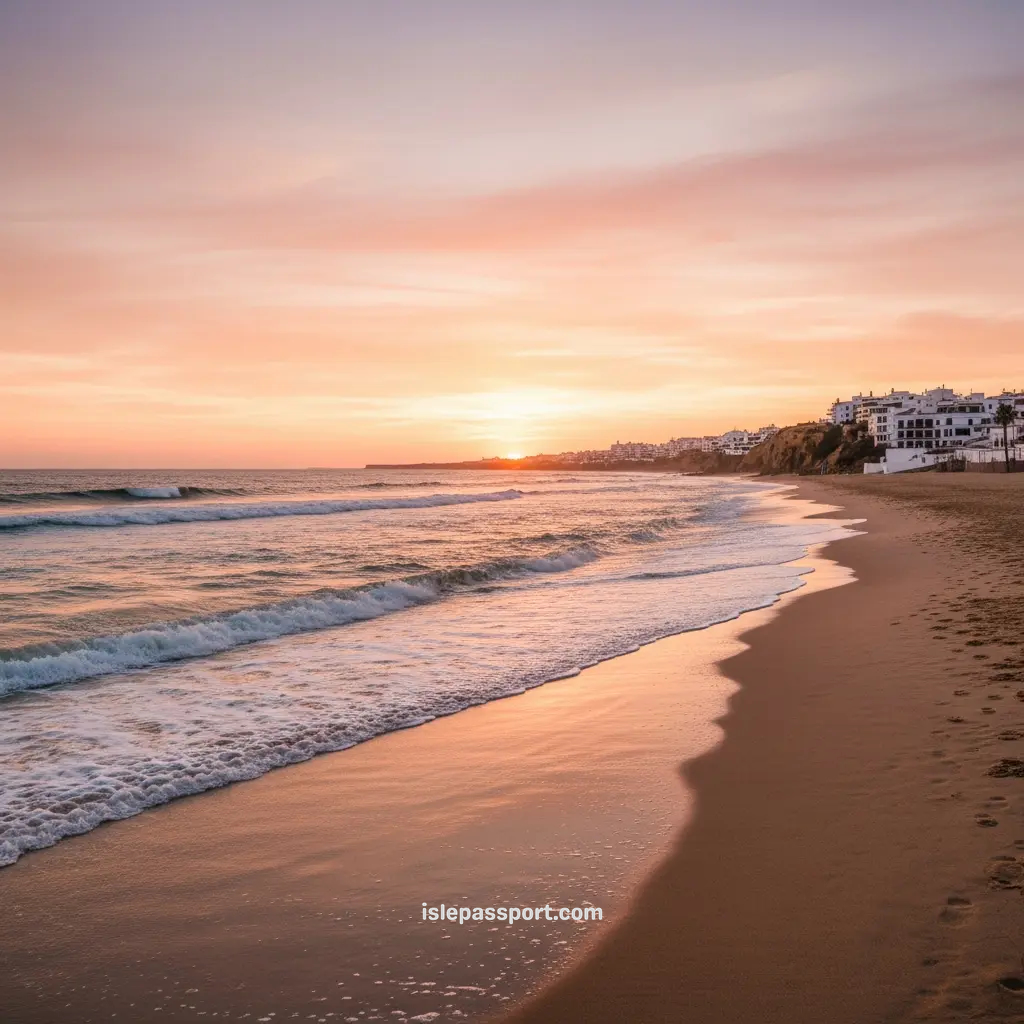
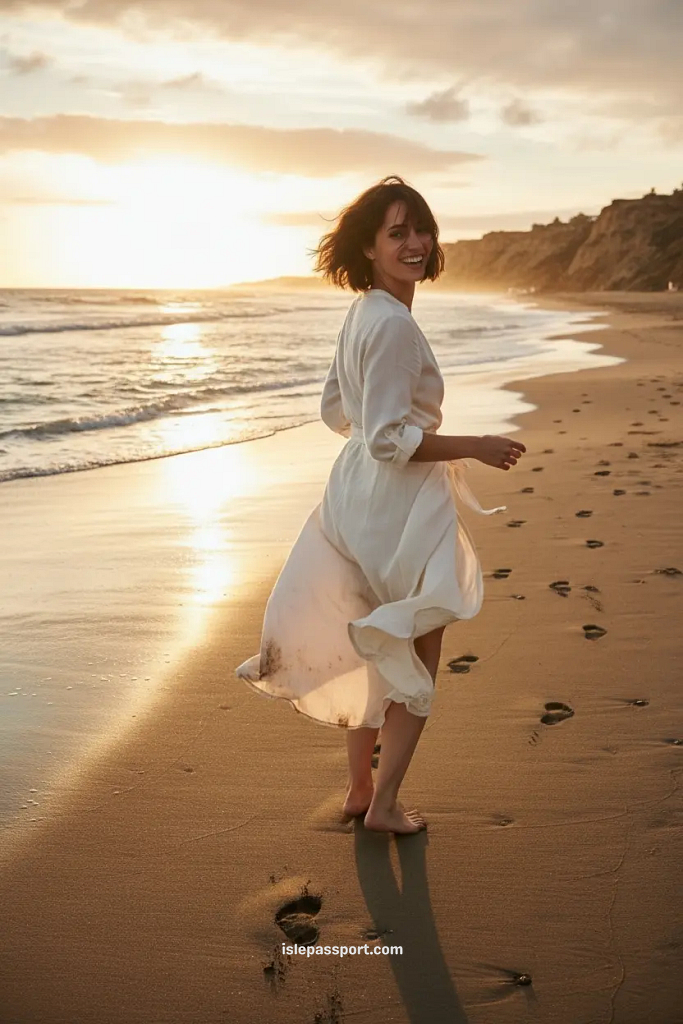
The Costa de la Luz has some of the most uncrowded beaches in Spain, especially outside July and August.
Conil de la Frontera is one of my favorite towns here — whitewashed, sunny, and full of life without the noise. Off-season, the wide beaches stretch endlessly, and you can walk for hours along the cliffs toward Cala del Aceite or Playa del Puerco without seeing more than a handful of people.
I once stayed here in October, renting a small apartment overlooking the sea. Every evening, the light turned gold as the Atlantic wind picked up, and I’d walk barefoot in the sand until sunset.
Dinner at Feduchy Playa — fresh tuna tartare with local sherry — was one of those simple, perfect meals you never forget.
If you crave wild beauty and local energy even in winter, Conil captures the essence of peaceful coastal towns in Spain.
For anyone curious about how the Mediterranean and Atlantic coasts really differ, this contrast becomes especially clear around Conil and the surrounding beaches.
4. Bolonia (Cádiz) – For Windy Bliss and Untouched Beauty
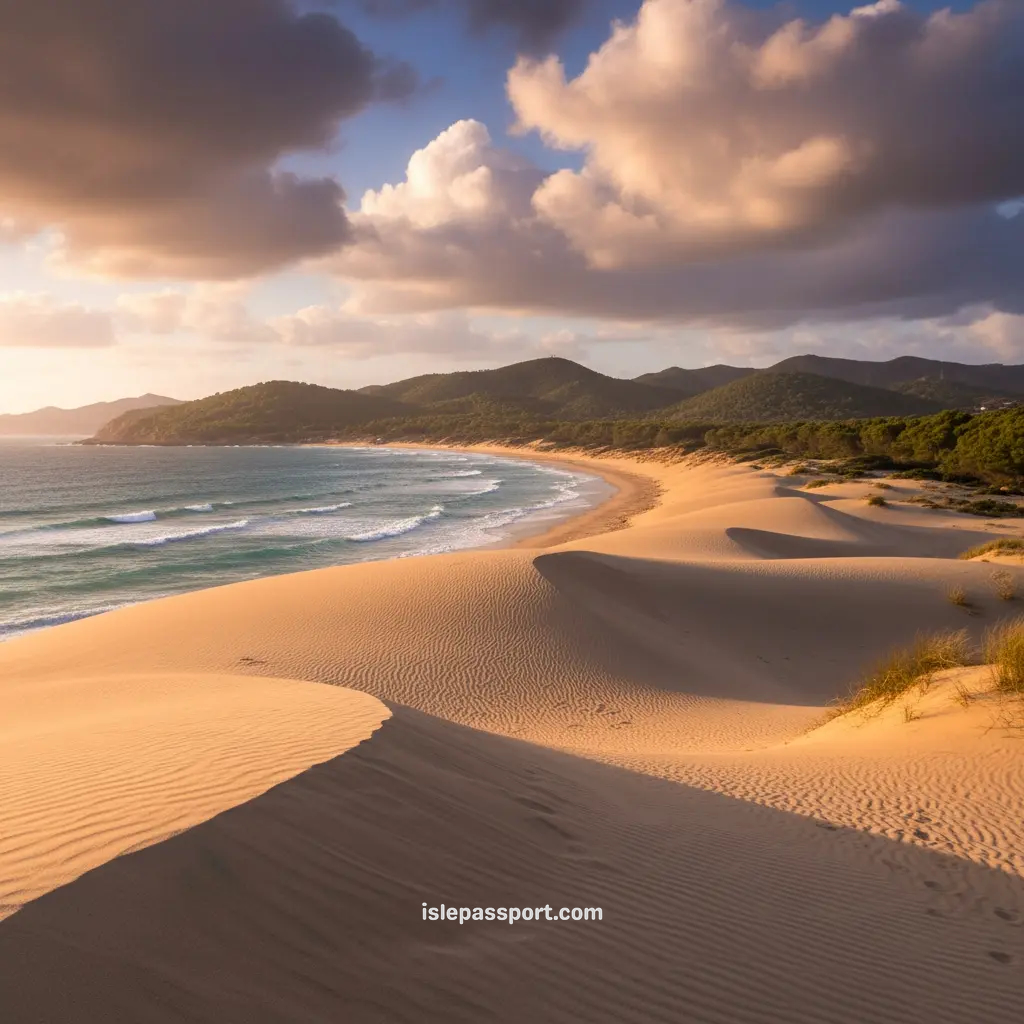

If I had to choose just one place that defines hidden coastal towns in Spain, it would be Bolonia.
Tucked between Tarifa and Zahara de los Atunes, Bolonia is little more than a handful of houses, a few beach bars, and one of the most spectacular beaches in Europe.
The beach itself is vast — golden sand, turquoise water, and a backdrop of rolling dunes that look like a painting. Off-season, it’s almost empty. You’ll hear only the wind and the waves.
I remember climbing the dune one quiet afternoon in November — no footprints ahead of me, just silence and the view stretching toward Morocco across the Strait of Gibraltar.
Below the dunes are the Roman ruins of Baelo Claudia, an ancient seaside city that’s surprisingly well-preserved and open to visitors year-round.
Bolonia is where you go to disconnect. There’s no nightlife, no big hotels — just wind, sand, and the rhythm of the Atlantic.
If you’re searching for the best beaches in Spain mainland that still feel untouched, this is one of them.
5. Llafranc (Costa Brava) – Best for Couples Seeking Mediterranean Calm
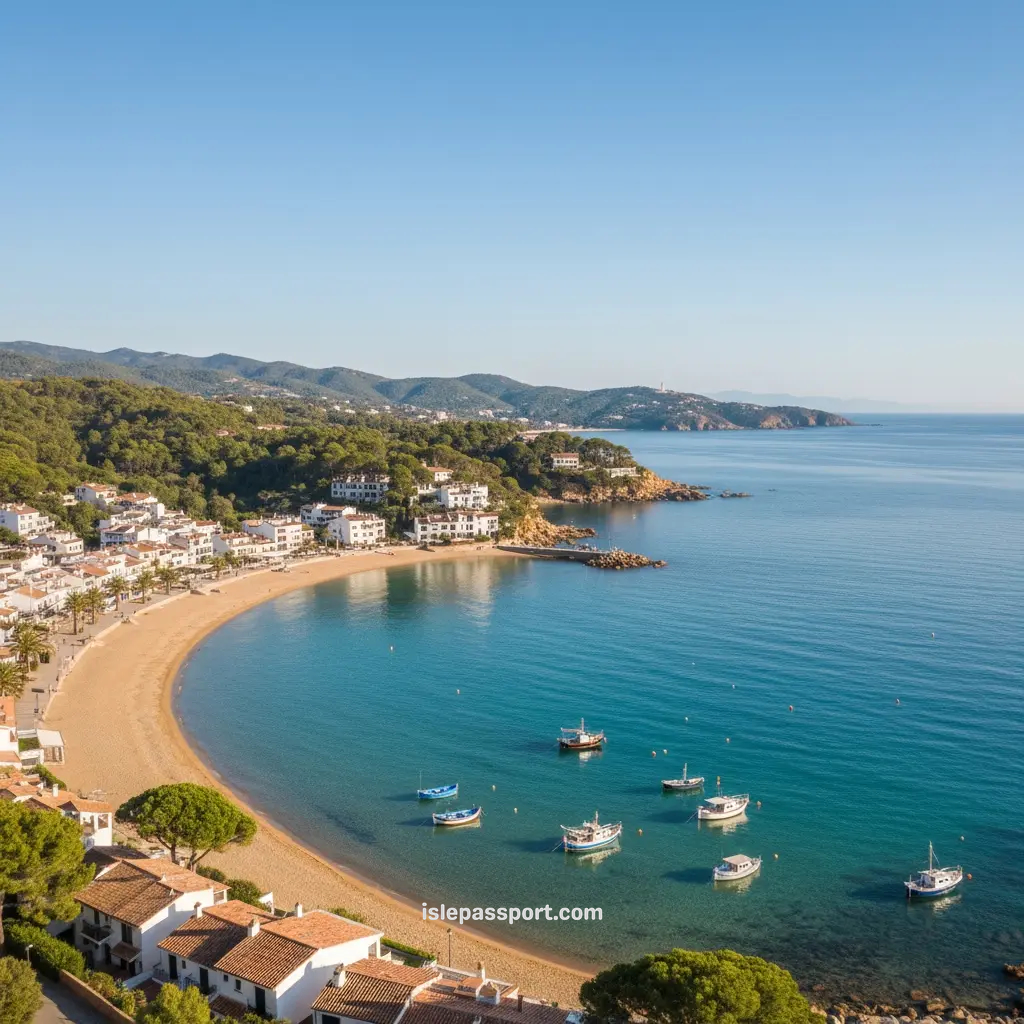

Moving north, Llafranc on the Costa Brava feels like a secret shared among travelers who prefer calm over crowds.
This small town between Calella de Palafrugell and Tamariu is elegant yet simple — just a crescent beach, a few seafood restaurants, and pine-covered hills.
I visited in early May, when spring flowers framed the cliffs and the air smelled of salt and rosemary. I stayed in a small family-run hotel above the promenade and woke to the sound of waves every morning.
Lunch at La Llagosta — grilled prawns with local white wine — reminded me why Catalonia’s coast is so beloved.
The water here is crystal-clear, the walking trails are stunning, and even in summer Llafranc manages to stay peaceful. But in the off-season, it’s paradise.
For couples, it’s easily one of the best beaches in Spain for couples — intimate, scenic, and full of quiet charm.
Understanding Spain’s coastline broken down region by region makes trips through places like Llafranc even richer, especially when you start to notice how each stretch has its own pulse
6. Ribadesella (Asturias) – For Northern Cliffs and Sidra Culture

When I drove through Asturias one autumn, I found a different kind of Spain — green, misty, and deeply peaceful.
Ribadesella sits on the northern Spain coast, between cliffs and the Sella River. It’s famous for surfers, but outside summer it feels almost like a village from another time.
I spent mornings walking along Santa Marina Beach, where Victorian villas line the shore, and afternoons in local cider houses (sidrerías) where the drink is poured from above with theatrical precision.
The food here is incredible — hearty stews, grilled fish, and local cheeses that pair perfectly with crisp air.
Ribadesella is part of a beautiful chain of northern Spain’s coastal towns, each one shaped by cliffs, mist, and that unmistakable northern calm
Ribadesella might not appear on the usual “top 10 beaches in Spain” lists, but it deserves a spot for its authenticity and peace.
7. Zahara de los Atunes (Cádiz) – For Atlantic Sunsets and Seafood

I’ve written about Zahara before, but it’s worth repeating: few places in Spain feel as peaceful, especially off-season.
In September and October, the summer crowds vanish, leaving long, golden beaches and pastel sunsets that seem to last forever.
I loved staying at a small guesthouse near the dunes, where mornings started with coffee and the sound of waves. Lunch at 21 Restaurante — tuna carpaccio with olive oil — tasted like sunshine itself.
Zahara is ideal for couples who want calm walks, good food, and a sense of space. It’s easily one of the best beaches in Spain for couples, especially if you love the feeling of being far from everything without really being far at all.
8. Almuñécar (Granada) – For Families Wanting Winter Sun

Nestled between mountains and sea, Almuñécar is part of the Costa Tropical — a lesser-known stretch between Almería and Málaga.
It’s lively in summer, but by October it slows to a lovely pace. The palm-lined promenade stays sunny, the markets stay open, and the beaches — San Cristóbal and Puerta del Mar — are peaceful and clean.
One of my favorite off-season moments was eating seafood paella at Firmum Restaurante while watching the sunset. The air was warm, the town quiet, and the sound of waves carried softly through the streets.
Almuñécar is great for families looking for off-season Spain beaches that still have shops, playgrounds, and local life.
Other Quiet Beach Towns Worth Adding

If you have more time, add these to your quiet beach towns in Spain map:
Other Quiet Beach Towns Worth Adding
Salobreña (Granada)
A castle-topped hill with a quiet pebble beach below — peaceful and scenic.
Estepona (Costa del Sol)
More local than Marbella — colorful streets and year-round cafés.
Muros (Galicia)
Stone houses, wild beaches, and a timeless harbor atmosphere.
Cudillero (Asturias)
Rainbow houses stacked above a tiny harbor — pure magic after day-trippers leave.
Santillana del Mar (Cantabria)
Technically inland but close to the sea — perfect to pair with northern beaches.
Tips for Enjoying Off-Season Spain
- Check opening hours: Some beach bars close mid-winter, but local restaurants stay open.
- Book smaller stays: Family-run hotels or seaside apartments often give huge off-season discounts. I’ve found some of my favorite coastal stays by browsing local listings here — the hosts are usually more welcoming, and you get that genuine “live like a local” feeling.
- Embrace slower rhythms: You might wait longer for lunch, but you’ll have more genuine conversations.
- Pack layers: Evenings can be cool, especially on the Atlantic side.
- Rent a car: Public transport schedules shrink off season, and having a car makes exploring coastal villages much easier. I usually compare rental options here before my trip — compact cars handle narrow roads better and parking’s far less stressful.
I’ve found that traveling off-season changes how you connect with places — it’s not just sightseeing, it’s living quietly in the rhythm of local life.
When to Go
The best months for off-season coastal travel in Spain are:
- April–June and September–November for warm days and swimmable seas.
- December–February for mild sunshine in southern regions like Málaga, Almería, and Cádiz.
The Costa del Sol averages 18–20°C even in winter, while the Costa de la Luz and northern coasts are cooler but beautiful under soft light.
Check current climate data via AEMET Spain’s Official Weather Service before planning.
Connecting the Coasts
One of my favorite long trips was connecting these quiet towns from east to west — starting in Almería, driving through Mojácar, Nerja, and Conil, then ending in Zahara de los Atunes.
It felt like a moving meditation — landscapes changing slowly, the Mediterranean giving way to the Atlantic, and Spain revealing all its moods in one journey.
If you want to do the same, read my [Almería to Málaga Road Trip Itinerary] for route inspiration, or explore my [Coastal Escapes] hub for guides across both coasts.
Before You Go..
Traveling in Spain’s off-season isn’t about what’s missing — it’s about what you finally notice.
The quiet. The warmth of locals when there’s time to talk. The color of the sea when it’s not full of umbrellas. The sound of your own footsteps on an empty beach.
These quiet beach towns in Spain — from Mojácar to Bolonia, Conil to Ribadesella — show the country’s softer side. They remind you that beauty doesn’t disappear when the crowds leave. It just becomes easier to see.
So pack a light sweater, rent a car, and go when everyone else stays home. You’ll have Spain’s shores almost to yourself — and that might just be the best version of Spain there is.
For more relaxed beach towns, slow-travel routes, and under-the-radar coastal stops, everything lives inside my Coastal Spain hub.
💛 Loved this guide?
If it helped you plan your trip or discover somewhere new, you can help me create the next one. Every guide is free to read, independently researched, and made with travellers like you in mind.
