

10 Uncrowded Mediterranean Islands to Visit in 2026 (Quiet, Local, and Crowd-Free)

☕ Reader-supported. Every guide is free to read, with no sponsored recommendations. If Isle Passport helps you plan better trips, you can help create the next guide.
Looking for uncrowded Mediterranean islands?
The quietest Mediterranean islands in 2026 include La Graciosa, La Gomera, Isla Cabrera, Menorca (shoulder season), Procida, Ponza, Marettimo, Salina, Tabarca, and Elba.
These islands stay peaceful thanks to small local populations, limited development, protected marine areas, and fewer summer crowds — perfect for travelers who want clear water, empty coves, slow evenings, and real life instead of mass tourism.
Most people searching for quiet islands want one thing: a Mediterranean escape without crowds. Not the Santorini-in-August experience — but real islands where you can still hear waves, swim in clear water, wander small towns, and feel like a human being again.
After spending the past few years traveling through under-the-radar Spanish and Italian islands, I’ve found places that stay peaceful even in summer — islands with protected bays, little villages, slow food, and almost no mass tourism.
If you’re looking for uncrowded Mediterranean islands for 2026, this guide gives you the exact ones worth visiting, when to go, and what they actually feel like.
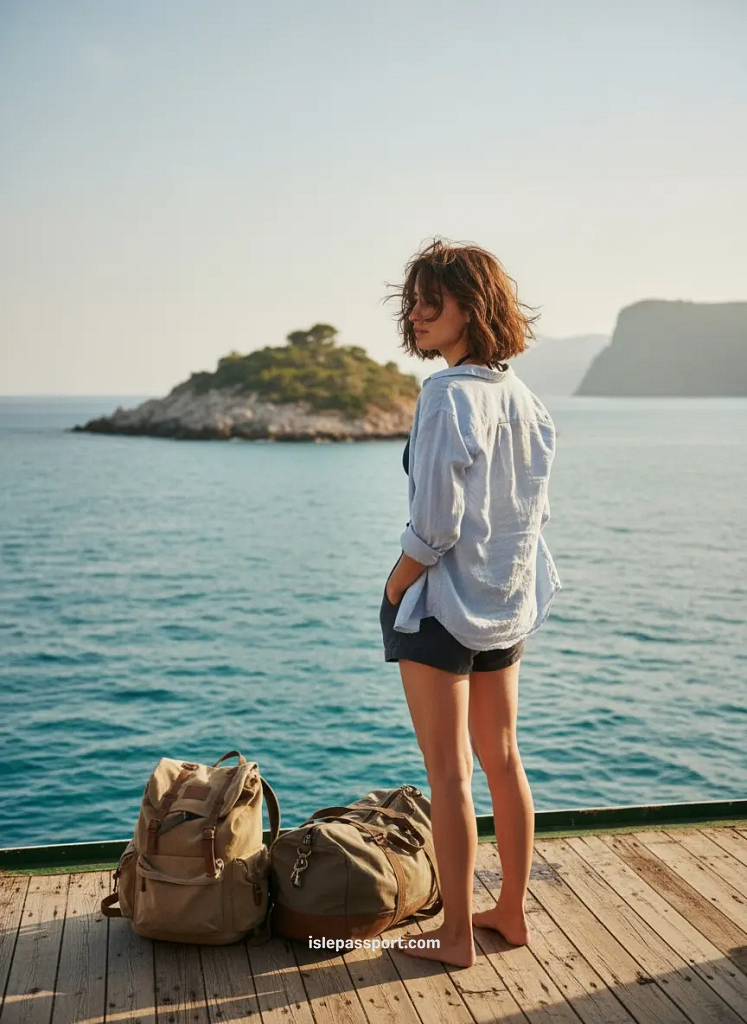
If you prefer wandering between islands instead of staying in one place, you’ll probably enjoy my guide to island hopping in Europe, which covers the lesser-known routes and smaller islands.
Why Choose Uncrowded Mediterranean Islands?
Instead of asking “what’s the most famous island?” I think the better question is: what kind of trip do you actually want?
Especially now that even organizations like the UN are tracking overtourism in popular Mediterranean destinations, it makes sense to look for places that haven’t been completely overrun.
If your answer is peace, slow days, and local food instead of club openings, these peaceful Mediterranean islands are for you.
Real Culture Over Mass Tourism
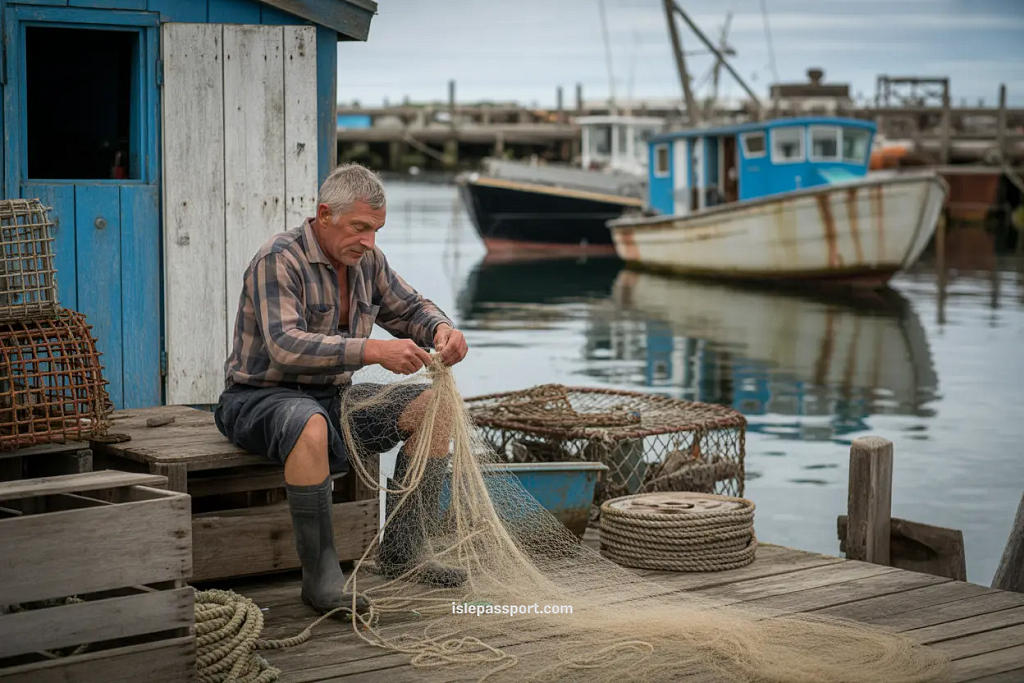
On the big-name islands, it often feels like tourism is the only thing left. Everything is built around short stays and high spending.
On these smaller, off the beaten path Mediterranean islands, tourism is there, but it’s not the whole story. People still:
- Go to the same café every morning
- Fish, fix boats, work in small shops
- Know their neighbors
You see real life, not just curated “experiences.”
Nature + Hiking + Clean Water
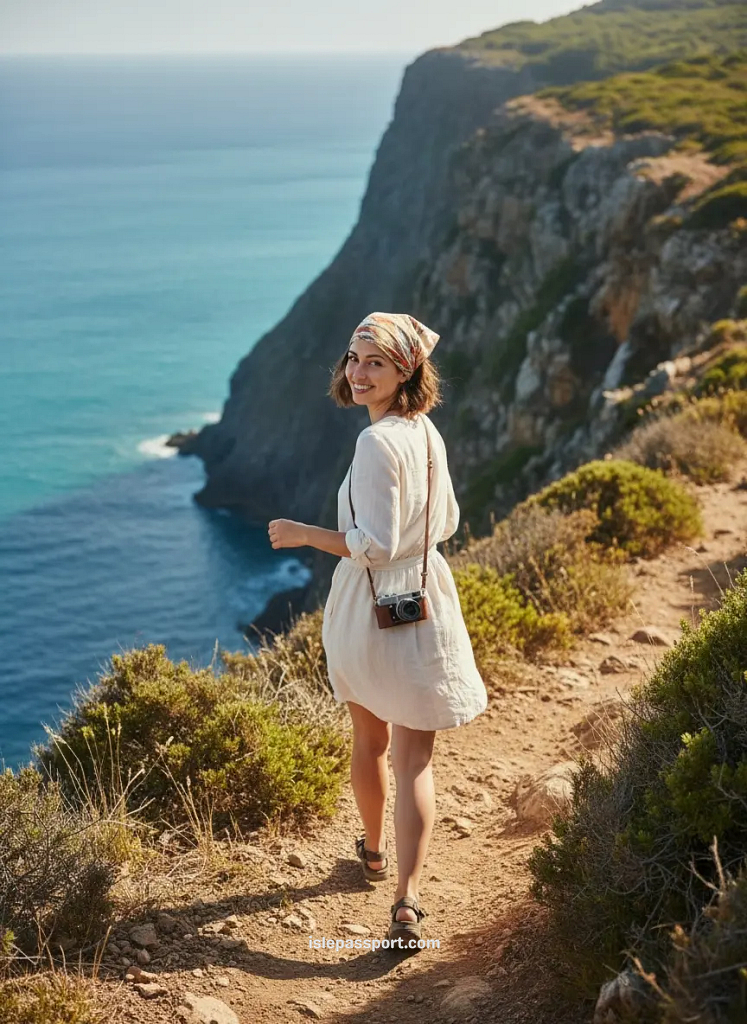
Fewer people and fewer big hotels usually means:
- Cleaner bays
- Less boat traffic
- Better snorkeling
- Actual hiking trails where you might not see anyone else for an hour
If you’d rather listen to waves than a DJ set, these quiet Spanish beaches and under-the-radar Italian islands are the right kind of escape.
Ethical + Sustainable Travel

I’m not going to pretend flying and ferries are zero-impact, but where you spend your time matters.
Choosing hidden Mediterranean islands with:
- Visitor limits
- Marine protected areas
- Local, family-run businesses
…helps spread tourism a bit away from the places that are already overloaded.
On islands with designated marine protected areas, the water stays cleaner, the fish come back, and you can actually feel the difference when you swim — it’s not the same as being on a crowded party beach.
Cheaper During Shoulder Season
In May–June and September–October, a lot of these islands are:
- Cheaper
- Less crowded
- Cooler (in a good way)
You can often get the same room for 30–40% less than in August and actually enjoy it.
Easier to Connect with Locals
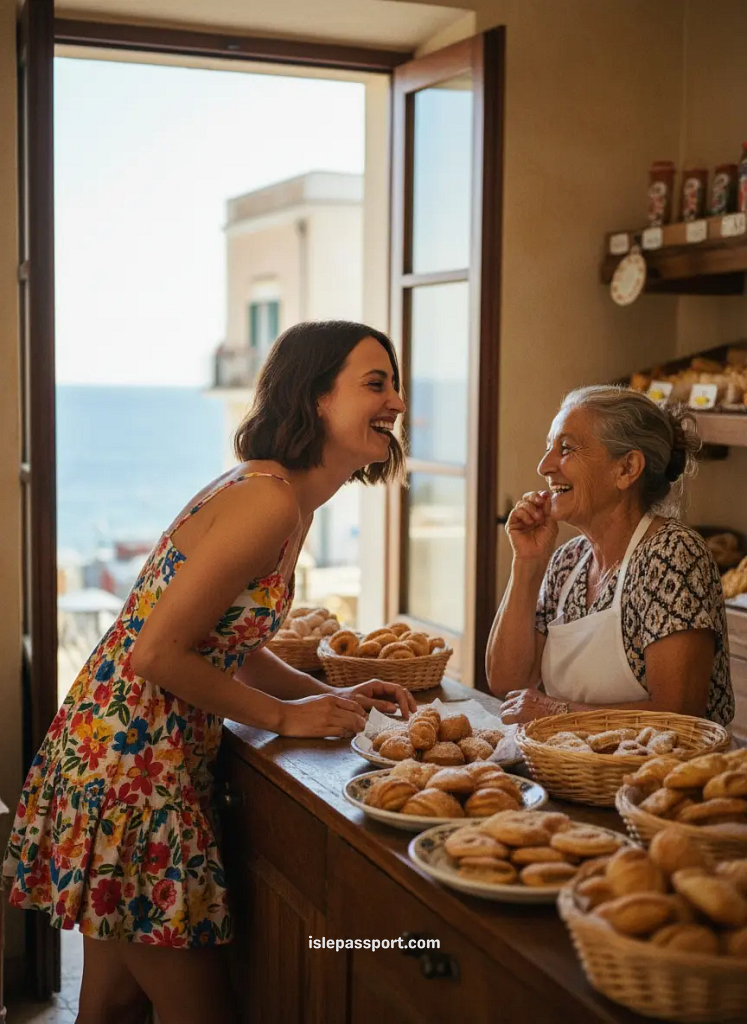
In small places, you see the same faces every day.
If you stay more than a couple of nights, people start recognizing you. The barista remembers your coffee order. The bakery lady asks where you’re from. You get deeper tips than “go to the famous beach.”
That’s the whole point of slow travel in Europe in my opinion: not ticking boxes, but actually feeling a tiny bit part of the place.
What Makes an Island “Uncrowded”?
- Limited ferry capacity
- No major cruise terminal
- Marine protected areas
- Low hotel density
- Seasonal population stability
- Restrictions on development
- High ratio of residents to visitors
- Lack of nightlife, clubs, party infrastructure
The least touristy Mediterranean islands all share the same pattern: small villages, limited hotel development, and locals who live their routines regardless of whether it’s July or January.
Quietest Mediterranean Islands (2026) – Quick Comparison
These are the best Mediterranean islands without crowds—not the polished, high-season versions you see on postcards, but the real ones that stay calm even when the rest of Europe fills up.
How to Choose the Right Uncrowded Mediterranean Island (Quick Framework)
If you’re not sure where to start, here’s the simple filter I use after years of hopping between small islands:
🤫 Want zero crowds
Go to: La Gomera, Marettimo, Isla Cabrera
These are the places where silence actually has weight. No nightlife, no chaos — just water, cliffs, and slow breathing.
🌊 Beaches + a bit of life
Go to: Menorca, Salina, Procida
Perfect if you want coves, swimmable water, and evenings that feel alive without ever tipping into “busy.”
🥾 Want hiking
Go to: La Gomera, Marettimo
Long, quiet trails where you might walk an hour without seeing anyone — just switchbacks, views, and your own pace.
⛴️ Easiest access
Go to: Tabarca, Procida
Little islands you can reach without overthinking logistics — short hops, simple planning, big reward.
💻 Nomad-friendly calm
Go to: La Graciosa, Elba
Good Wi-Fi, slow mornings, and enough real life around you that you don’t feel isolated while you work and wander.
Uncrowded Islands in Spain
These peaceful Spanish islands are where I’d send you if you said, “I want the Mediterranean, but I really don’t want to fight for towel space.
Spain has some hidden Mediterranean islands that quietly sit just outside the tourist radar—places that don’t try to impress you, and that’s exactly why they do.
1. La Graciosa (Canary Islands)
La Graciosa is one of the most uncrowded Mediterranean islands thanks to its no-car rule and protected landscapes.
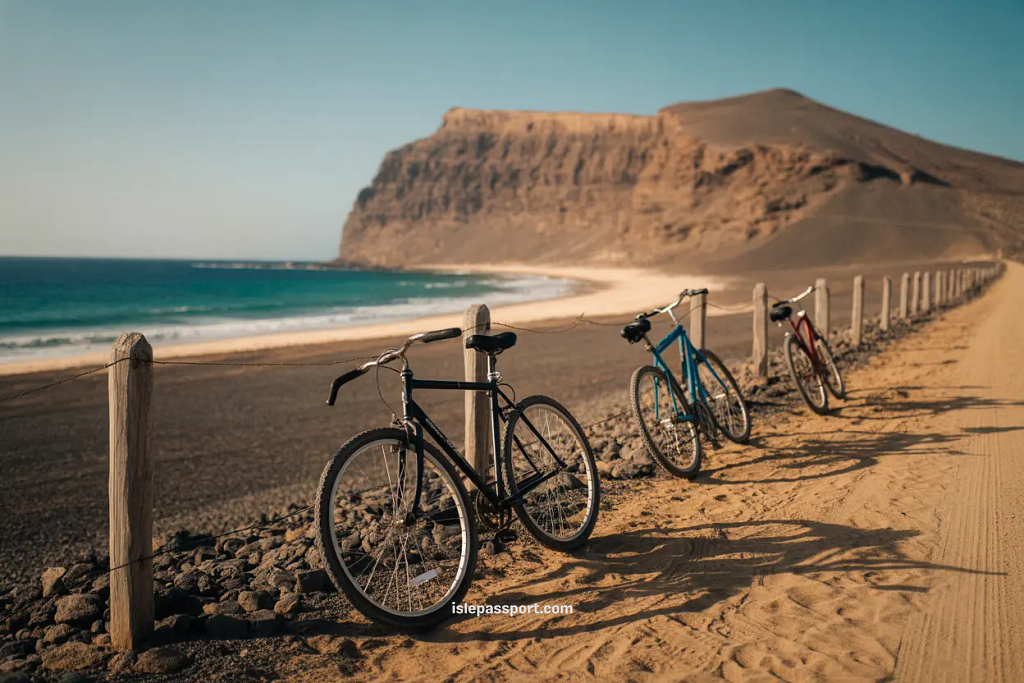
No cars, desert-like landscape, volcanic beaches, and almost no noise.
La Graciosa is one of those places where you arrive and your brain takes a second to adjust. There are no paved roads, just sand tracks. People move around on foot, by bike, or in small 4×4 taxis. And that’s it.
La Graciosa feels like one of those Mediterranean islands like before tourism—quiet mornings, a few bikes, long shadows, and the sound of nothing in particular.
What I noticed when I went:
- It was much quieter than I expected
- The town (Caleta del Sebo) is tiny, but you find everything you need
- At night it’s dark and quiet in a way that’s rare in Europe
🏨 Where I Stayed on La Graciosa (My Pick)
Simple Apartment in Caleta de Sebo
I stayed here on La Graciosa and loved how quiet the evenings felt — soft light, sand under my shoes, and a five-minute walk to the harbor. It was the kind of place where I could work in the morning, swim in the afternoon, and forget cars even exist.
View StayYou’ve got wide volcanic beaches, some gentle, some wild. It feels more like a hidden Mediterranean island from 40 years ago than anything “modern.”
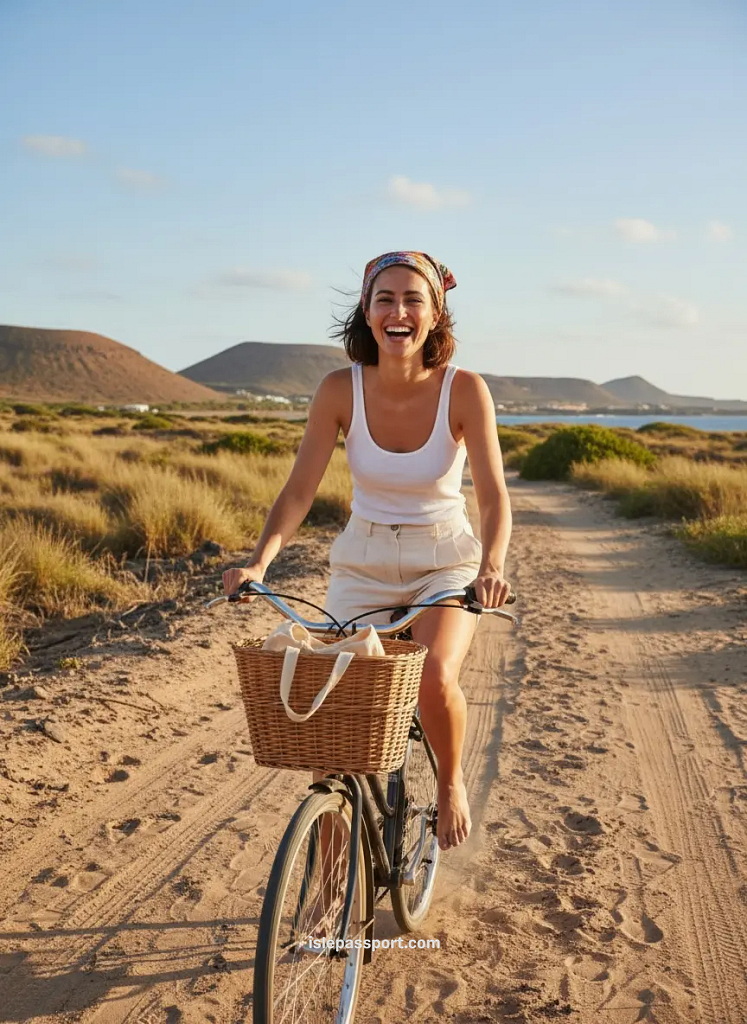
Best for
Nature lovers, people who want to shut off, relaxed digital nomads who are happy working from a rental with solid Wi-Fi or 4G and not needing a big coworking scene.
La Graciosa also ends up on lists of the best islands for digital nomads, but only the kind of nomads who are okay with slow mornings, strong coffee, and Wi-Fi that works well enough for deep focus — not for livestreaming from a coworking space.
2. La Gomera (Canary Islands)
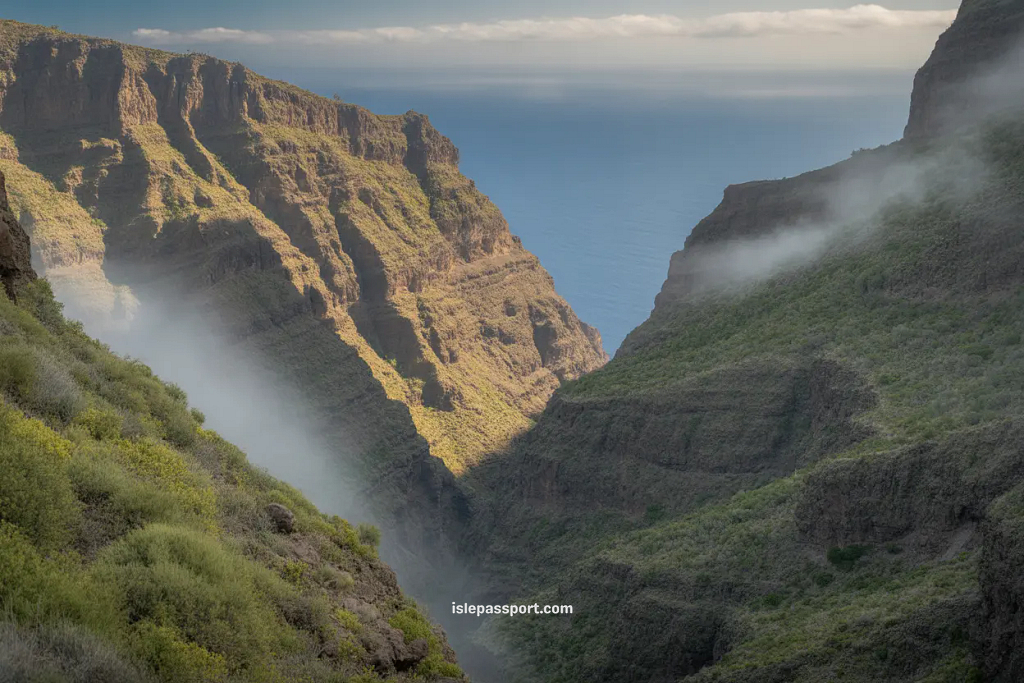
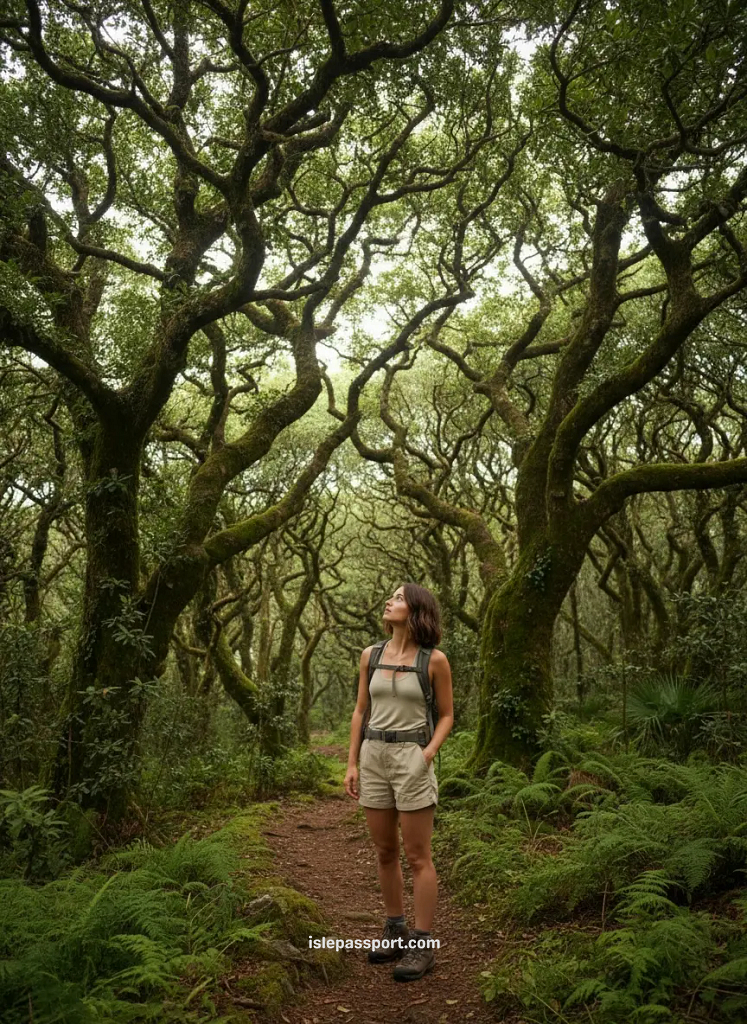
If you like hiking more than “beach clubs and beach bars,” La Gomera makes sense.
La Gomera is all about:
- Green ravines
- Forest trails
- Tiny villages
- Slow mornings and early nights
You can swim, but the real highlight is walking. It feels like a place built for people who don’t want to rush.
What I’d tell you:
- This is one of the peaceful Mediterranean islands that still feels genuinely quiet
- It’s perfect if you want hiking + simple food + early bedtimes
- Not ideal if you need nightlife or big-city energy
La Gomera remains one of the least touristy Mediterranean islands, especially in summer, simply because it was built for walking, not mass tourism.
3. Isla Cabrera (Balearic Islands)
Isla Cabrera is one of the most hidden Mediterranean islands, protected by strict visitor limits that keep it calm even when Mallorca is overflowing.
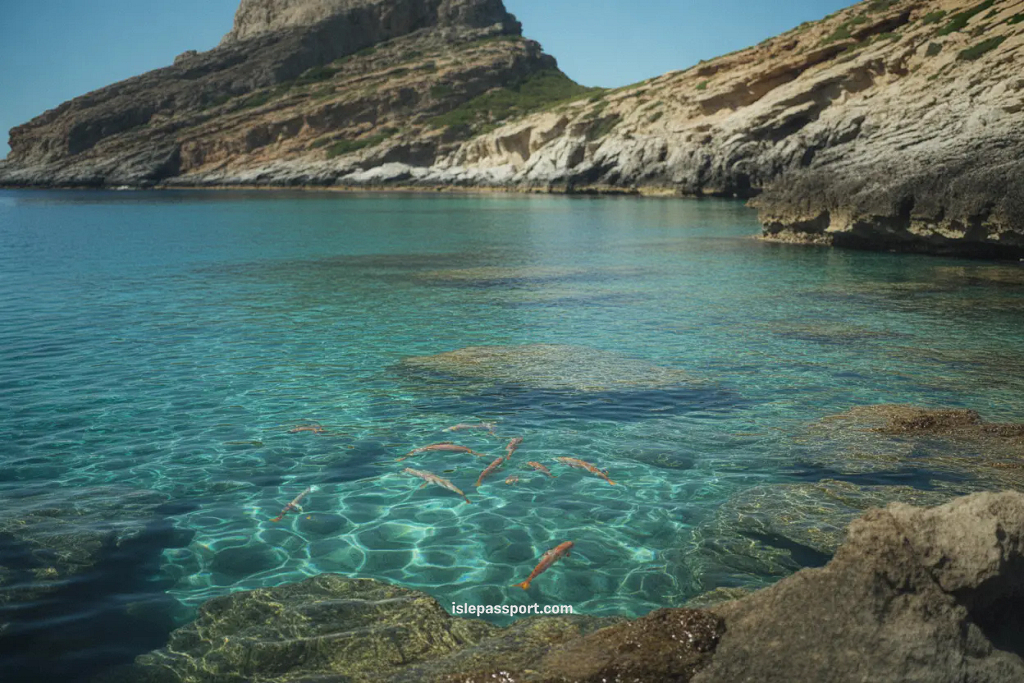
Isla Cabrera is a protected National Park south of Mallorca. You don’t stay here long-term — you visit, then leave. That’s part of why it stays calm.
You’ll spend most of your time swimming, walking, staring at fish, or just sitting in silence. It feels like going back in time — no shops, no resorts, no crowds.
Why It Stays So Uncrowded
- Visitor numbers are capped
- No private development allowed
- No hotels or Airbnbs
- Strict environmental protection
- Boats have limited capacity
There’s a reason you don’t see Cabrera all over Instagram — it’s literally designed to stay quiet.
It’s one of those hidden Mediterranean islands that stays uncrowded because it’s literally designed that way. No hotels. No crowds. Just ocean and quiet.
If you’re using Mallorca as your base to get here, you should definitely check out my guide on secluded beaches in Mallorca. It’ll help you find those same quiet, local vibes on the main island before you hop on the boat.
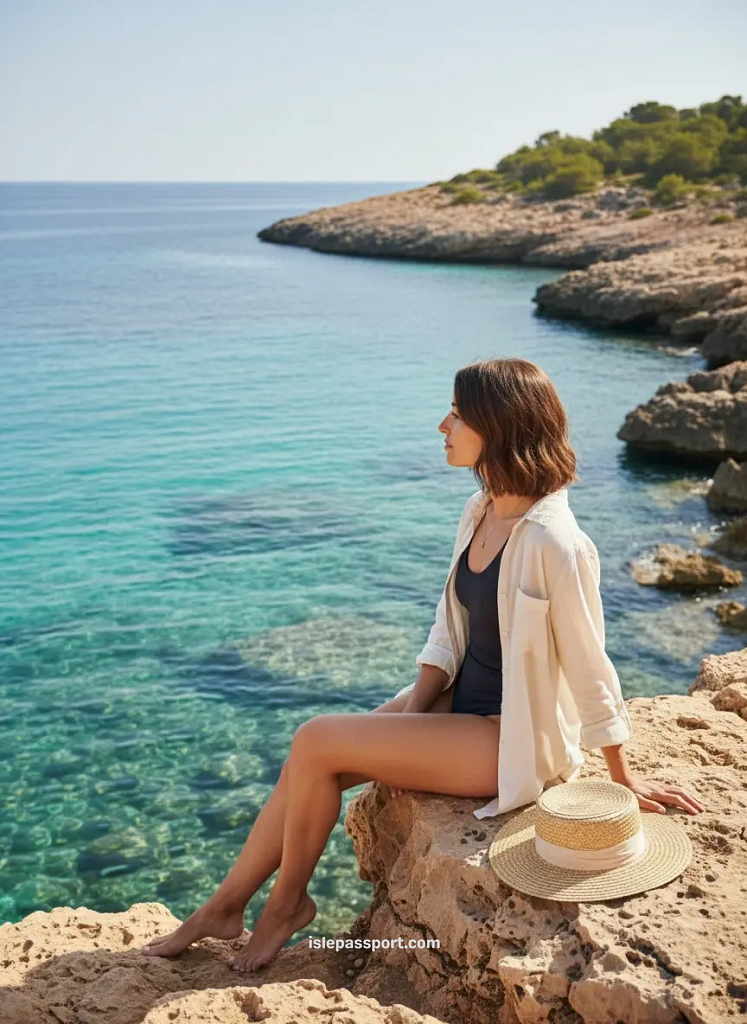
What It Feels Like
- Water so clear it looks like glass
- Silence… like actual silence
- Dry, wild landscapes and old military buildings
- The kind of place where a lizard walking across a rock is “the main event”
You come back to Mallorca and suddenly realize how loud normal life is.
Best For
- Day-trippers who want real nature
- People who prefer protected spaces over built-up “attractions”
- Snorkelers, birdwatchers, and anyone who needs a break from humans
- Travelers who love the idea of a Balearic island with zero hotels and zero nightlife
If you want a long stay, this isn’t the island. But if you want peace and water so clean it looks unreal — a day here is enough to reset your brain.
4. Menorca (Off-Season or Shoulder Season)
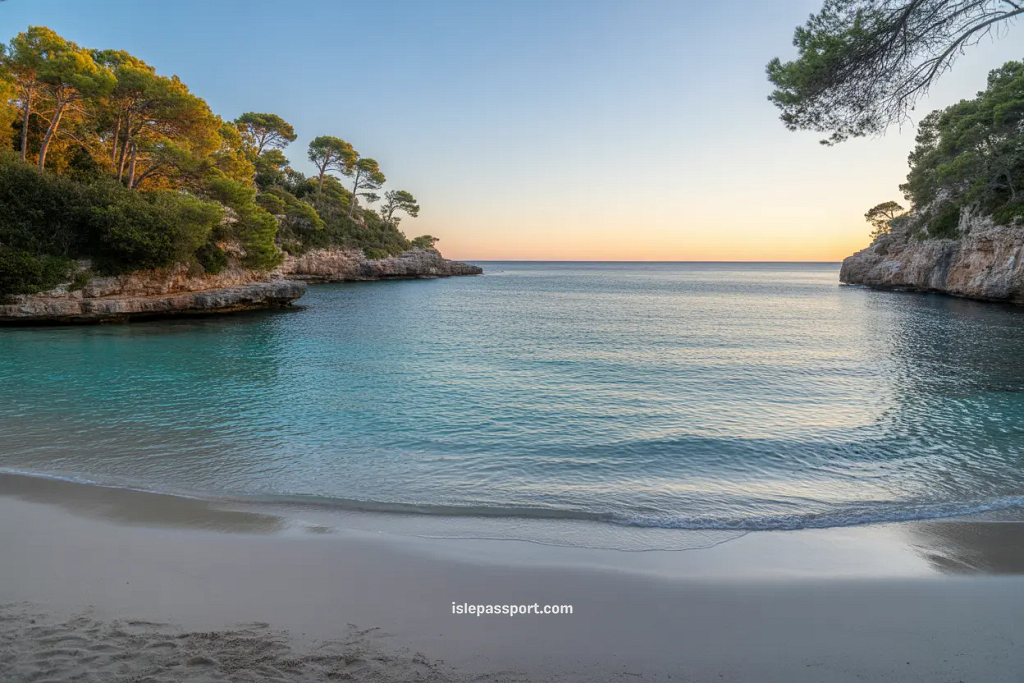
If you only go in August, Menorca will not feel “uncrowded.” It gets busy — families, kids, umbrellas everywhere. But if you come just before or just after peak season, it turns into a completely different island.
I’ve been there at the end of May and again in late September, and both times I thought: How do more people not know how peaceful this place can be?
Why I Still Include Menorca
- It has some of the best quiet Mediterranean beaches in Spain once you get past the main parking lots
- The whole island is a UNESCO Biosphere Reserve, so even the “developed” parts feel more protected than touristy
- There are dozens of coves (calas) where, in shoulder season, you might share the water with five people instead of fifty
If you’re hunting for peaceful beaches in Spain, this is where the water suddenly turns a shade bluer and the noise drops away like someone turned down the volume.
🏨 Where I Stayed in Menorca During Shoulder Season
Quiet Cala Apartment Near the Pines
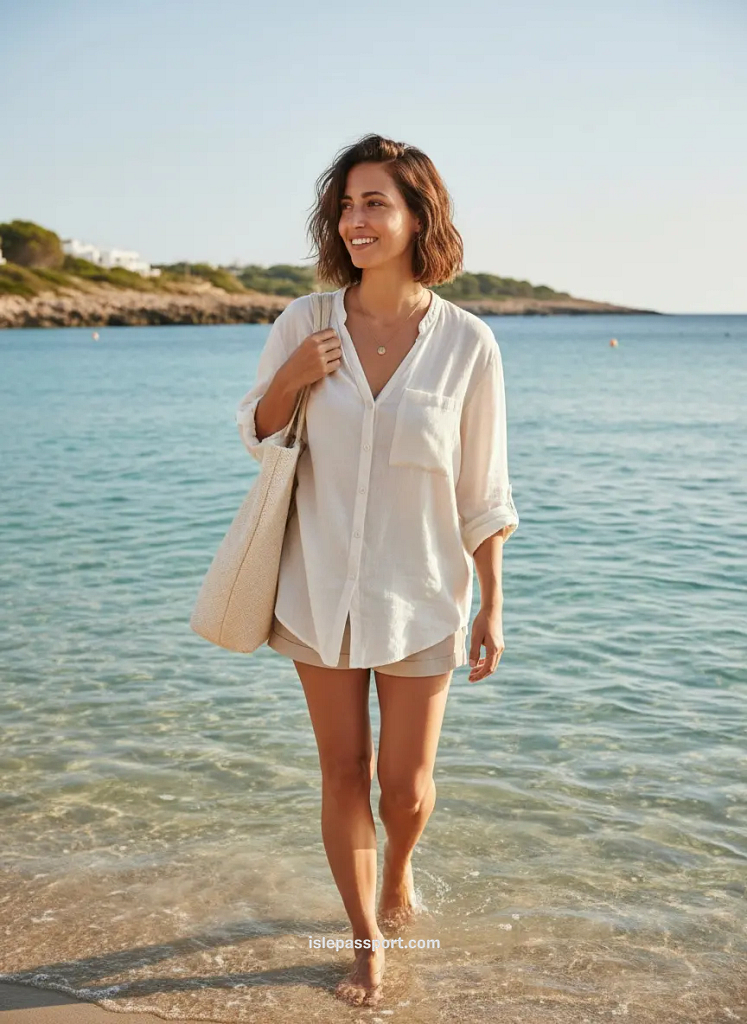
When I came back to Menorca in late September, I booked this small apartment near one of the pine-framed calas, and it felt like having my own little corner of the island — empty morning swims, still evenings, and just enough distance from the busy resort strips.
View StayOn my last trip, I spent an entire morning in Cala Macarella and only saw one other couple on the beach. By noon in August that same spot looks like a music festival. Timing is everything here.
What I’d Tell You If We Were Talking Over Coffee
- Avoid school holidays if you can
- Base yourself somewhere calm — Es Grau, Sant Lluís, even Ciutadella works if you choose the right neighborhood
- Treat Menorca like a place to live slowly for a week, not something to “complete” in 2 days
- Rent a car or scooter, but don’t try to “see it all”
- Hike the Cami de Cavalls if you want to find coves that feel like private beaches
It’s also one of my favorite places to recommend when someone asks about relaxed coastal Spain without the party scene. It still feels Spanish, but softer, calmer, easier to breathe in.
Best Time to Go
- May–June → warm, quiet, everything open, sea is already swimmable. Mallorca is a good example of this. Visiting Mallorca in May for quiet beaches is a completely different experience compared to peak summer.
- September–October → warm sea + fewer people + lower prices
- July–August → possible, but only if you’re strategic and don’t mind crowds
If you’re flexible, shoulder season is the sweet spot. The island opens up, the roads clear, and you start to see how special Menorca really is.
5. Tabarca (Costa Blanca / Alicante)
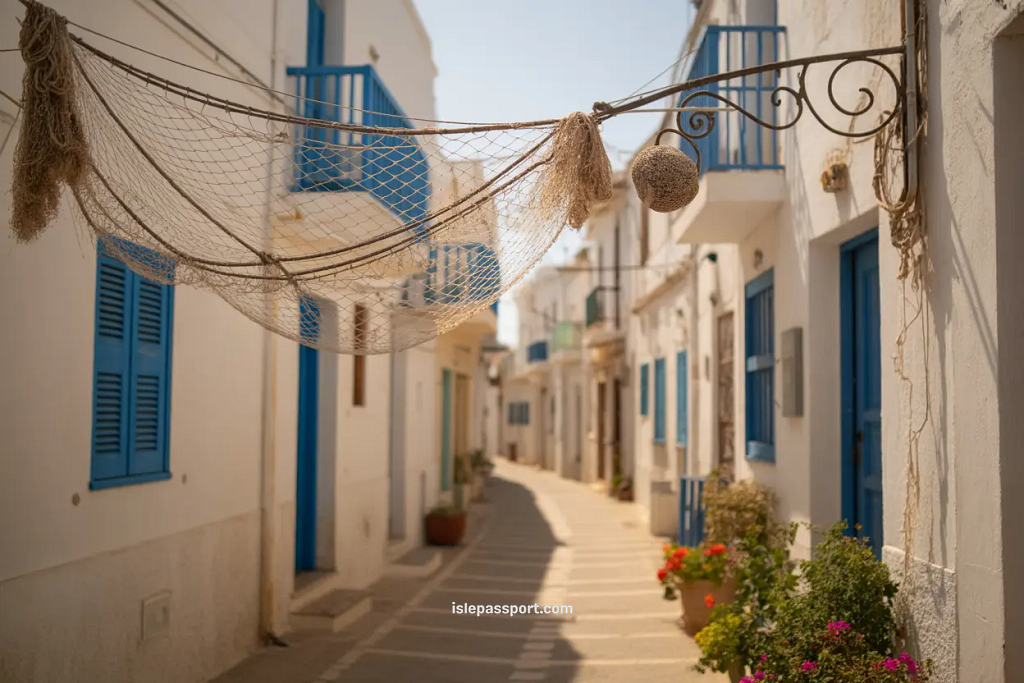
Tabarca is tiny, super easy to get to, and somehow still not on the radar for most international travelers.
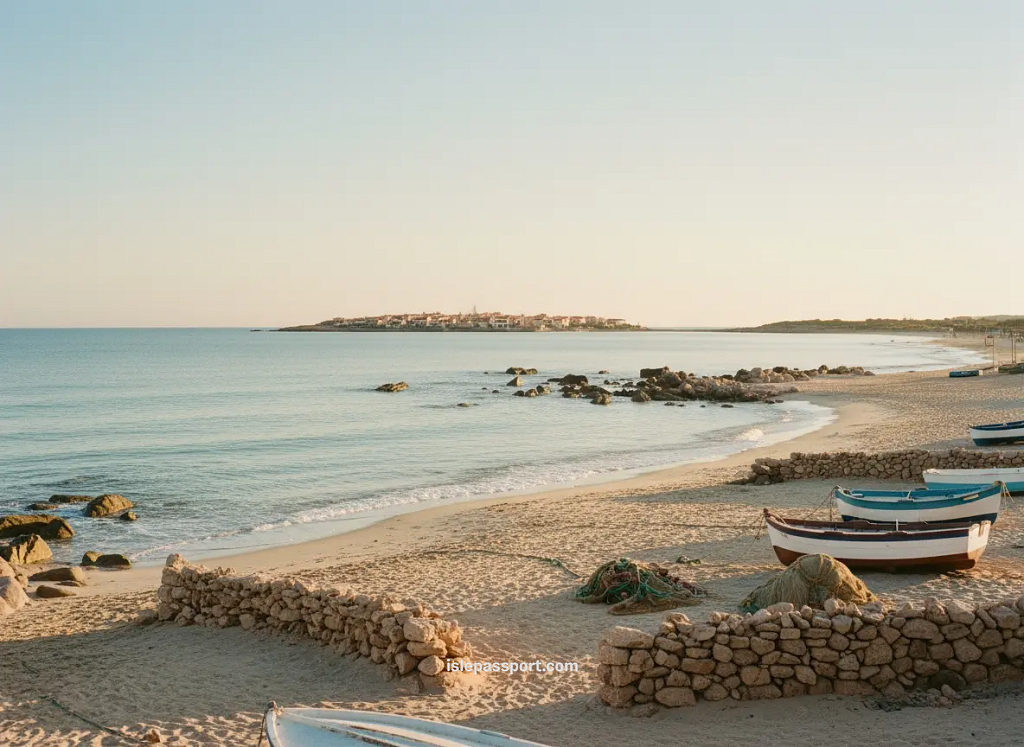
It sits just off the coast near Alicante and Santa Pola — close enough that you can literally see the mainland — but when you step off the boat, it doesn’t feel like Spain anymore. It feels like a little fishing island someone forgot to over-develop.
I’ve been twice now, and both times I couldn’t believe how relaxed it was once the day-trip crowds left. No cars, no high-rise hotels, just whitewashed houses, calm water, and a little town that takes about five minutes to walk across.
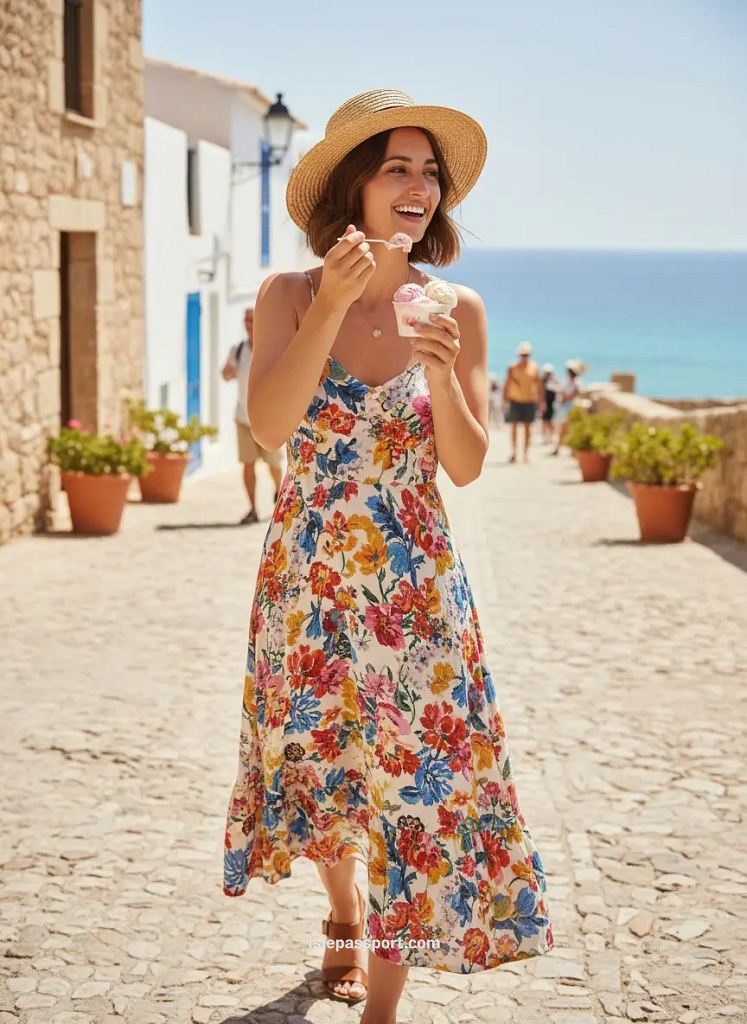
If you’re already exploring coastal towns in southern Spain, Tabarca is the easiest island detour you’ll ever make.
What Stood Out to Me
- No high-rise hotels or resort sprawl
- Tiny historic village that feels frozen in time
- Really clear water for snorkeling (seriously clear)
- Once the big tour boats leave, the island goes quiet fast
- You can walk from one side to the other in under 10 minutes
It’s one of the best “quiet beach Spain” experiences you can have without getting on a plane again or going deep into planning mode.
How to Do It Well (Trust Me on These)
- Go on a weekday — weekend crowds change everything
- Avoid peak August unless you like chaos
- If you can, stay overnight — that’s when the island becomes magic
- Bring cash (not everywhere takes cards)
Who It’s For
- People who love small islands you can actually walk
- Snorkelers
- Slow travelers exploring coastal Spain
- Anyone who needs a break from city energy
- People who like the idea of vanishing from the world for a night
It’s not a place most people stay a week — but as a pause between bigger stops, it’s perfect.
Uncrowded Islands in Italy
Now let’s move to underrated Italy islands. These are the ones I’d pick if you told me you’re already going to Naples, Sicily, or Tuscany and want an island that’s still calm.
Italy’s offbeat Mediterranean islands are the ones I always return to—the small, slow, lived-in islands where you can spend a week doing almost nothing and somehow feel full.
If you want an alternative to Capri —somewhere beautiful without the choreography of mass tourism—these islands make far more sense.
6. Procida (Campania)

Procida is small, colorful, and still surprisingly local.
Yes, more people know about it now, especially after it was a Capital of Culture, but it hasn’t turned into Capri 2.0.
What I noticed:
- Locals outnumber tourists most of the year
- Fishermen actually use the boats you see — they’re not just props
- It’s the kind of island where you can just walk, eat, and sit without any plan
🌅 Where I Stayed on Procida (Harbor Views)
Small B&B Above Marina Corricella
On Procida I chose a tiny B&B overlooking Marina Corricella, and it was one of those places where I kept stepping out onto the balcony just to stare at the colors. Evenings were all about slow dinners, church bells, and watching fishing boats come and go.
View StayIf you want a quiet Mediterranean island near Naples, this is the one I’d send you to first.
When to go: April, May, June, or September.
What to avoid: August, especially mid-August (Ferragosto) — that’s when most places in Italy are crowded.
If you’re already planning to wander through some coastal towns near Naples, Procida is ridiculously easy to add — and it still feels like a place where people live, not just somewhere visitors pass through for sunset photos.
7. Ponza (Lazio)
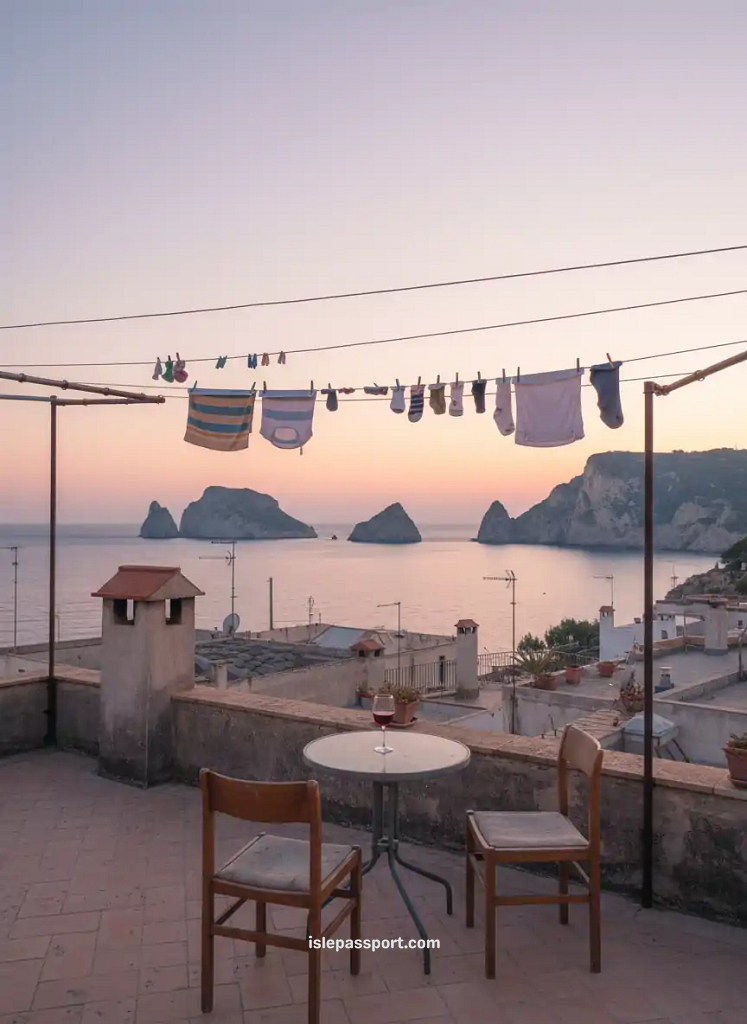
Ponza is probably the most “how do more people not know about this?” island on this list.
Same kind of water as Capri, but the vibe is:
- Friends sharing plates of seafood on terraces
- Boat trips to little coves
- Longer stays, fewer day-trippers
What I’d tell a friend:
- This is a great Capri alternative
- Go with at least one full day for a boat trip
- Stay 2–3 nights if you can and do nothing in a good way
Best for: couples, small groups, people who enjoy the sea more than “things to do.”
8. Marettimo (Egadi Islands, Sicily)
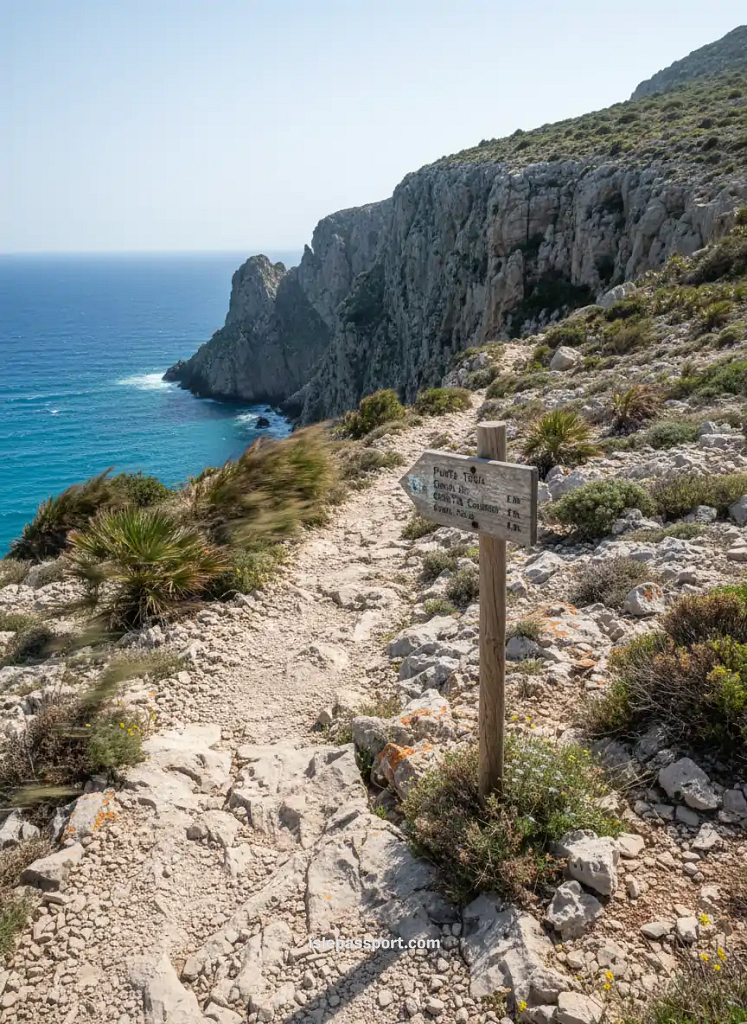
If your dream is “almost nothing going on, in a good way,” Marettimo is it.
No cars, no big resorts, just:
- One small town
- Hiking paths
- Clear bays
- Fishermen and divers
It’s the kind of place where your day looks like: breakfast, hike, swim, lunch, nap, repeat.
What surprised me:
- How quiet it is even in busier months
- How easy it is to go a whole day with your phone in airplane mode (and not miss it)
Best for: hikers, divers, anyone who wants to disappear for a bit.
Sicily has already become a favorite for people working remotely and slow travelers chasing the best Italian coastal towns for digital nomads, but Marettimo is what happens when you take that same idea and subtract most of the noise and people.
9. Salina (Aeolian Islands)
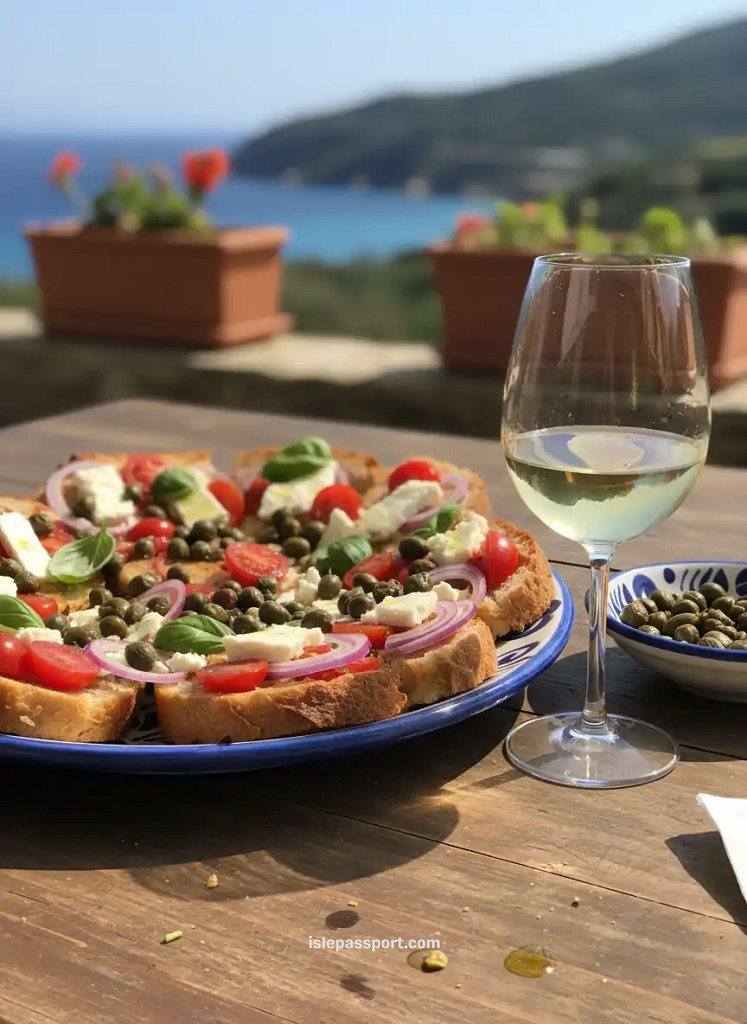
Among the Aeolian Islands, Salina sits in a sweet spot.
It’s:
- More polished than the wildest islands
- Less hectic than the party ones
- Green, with vineyards and nice views
- Calm but not “absolutely nothing happens”
If you want that chic but not overrun island in Italy, this is it.
What makes it good:
- You can find nice small hotels and apartments
- Great wine and local products
- A good mix of nature and village life
Best for: couples, slow travelers, food + wine lovers.
10. Elba (Tuscany)
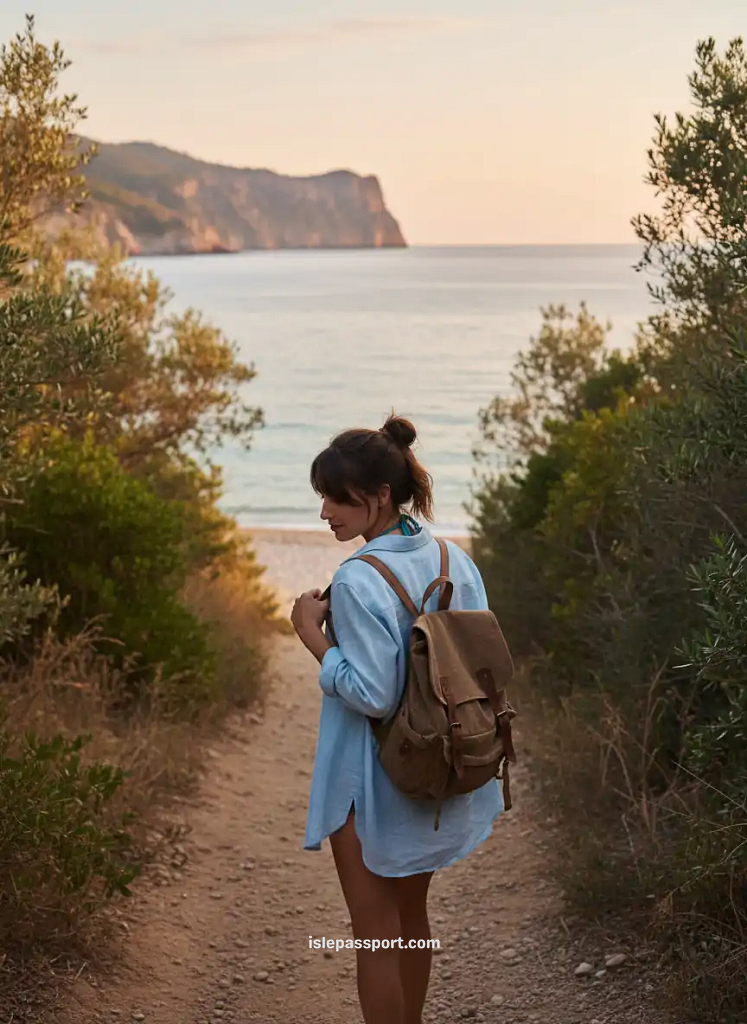
Elba is one of my favorite underrated Italy islands for people who are already going to Florence, Pisa, or Tuscany in general.
It’s big enough that:
- Even in busier months, you can find quieter corners
- There are multiple towns, not just one tourist center
- Locals actually live there year-round
What I’d tell you:
- Avoid late July–August if you want real quiet
- Go in June or September for the best mix of warm sea + fewer people
- It’s great if you like cycling, hiking, and moving around a bit
Best for: slow travelers, families, couples, and anyone who wants a “mini Tuscany by the sea” feeling.
Elba makes a lot of sense if you’re already exploring the coastal towns near Florence, because you get the same Tuscan rhythms — just with fishing boats, hiking trails, and water so clear you can see the rocks from the ferry.
Extra Italy Islands If You Want Even Quieter
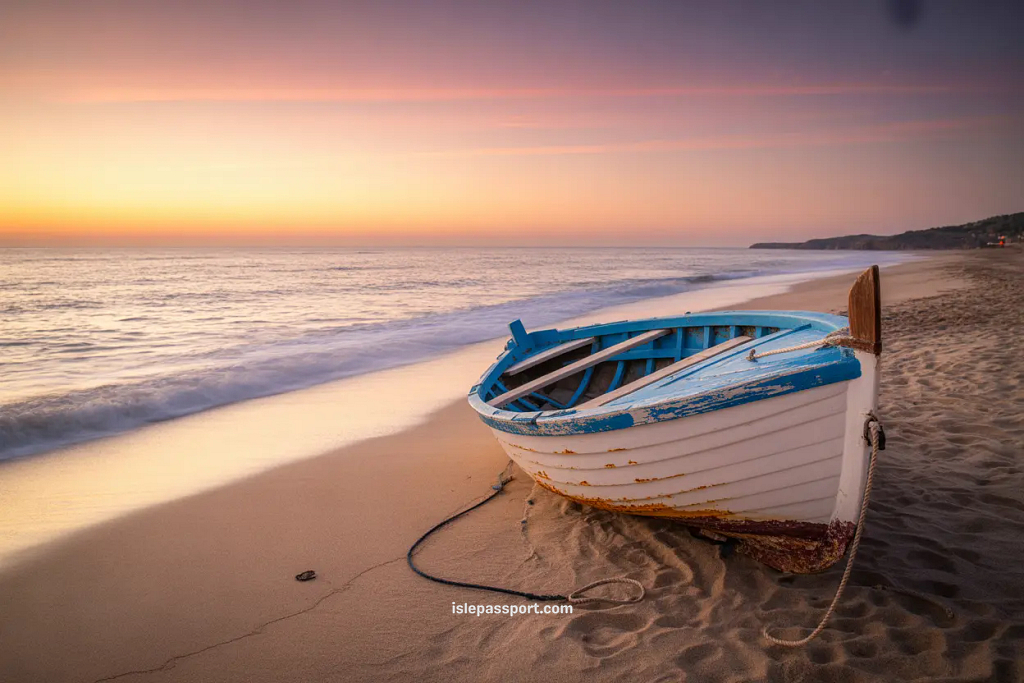
If you want to go one level deeper into off the beaten path Mediterranean:
- Pantelleria – volcanic, remote, closer to Tunisia, wild landscapes, hot springs
- Filicudi & Alicudi – super quiet, almost no nightlife, limited ferries, perfect if “doing nothing” is truly the plan
These are places I’d suggest only if you already know you love slow, quiet islands and don’t need lots of options.
How to Get to These Islands (Without Losing Your Mind)
Getting to uncrowded islands Mediterranean sounds difficult, but if you break it down, it’s not that bad.
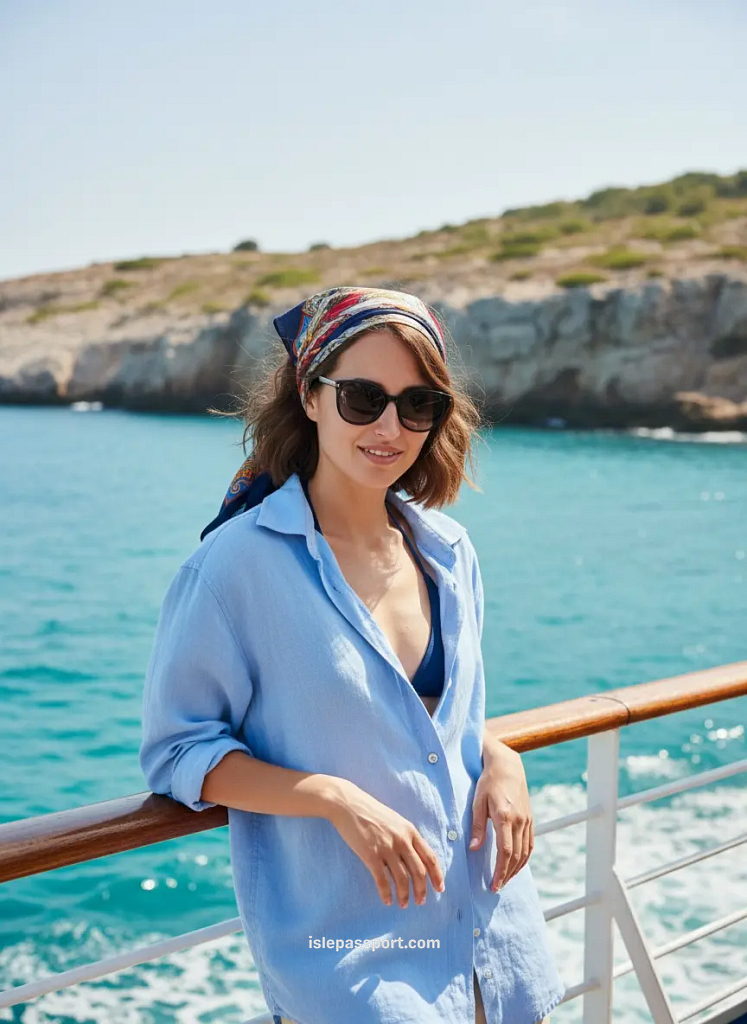
Ferries From Mainland Spain & Italy
Typical departure points:
- Barcelona → Balearic Islands
- Valencia / Dénia → Balearics
- Santa Pola / Alicante → Tabarca
- Naples / Pozzuoli → Procida, Ischia, Capri, sometimes Ponza
- Formia / Anzio → Ponza
- Trapani / Milazzo / Messina → Egadi & Aeolian islands
- Piombino / Livorno → Elba
If you’re planning to reach the Balearic Islands from mainland Spain, I’ve broken down the best routes, ports, and overnight options in this ferry from Barcelona to Mallorca guide. It makes the whole process much easier once you see how the routes actually work.
You don’t need to memorize this. Just know the pattern: big city → ferry port → smaller island.
When I’m first sketching an island route, I usually pull everything up in one place and check which crossings actually run on my dates. I do that with this ferry search, then I lock in the longer routes first and leave the very short hops a bit more flexible.
Local Ferry Lines & Booking Tips
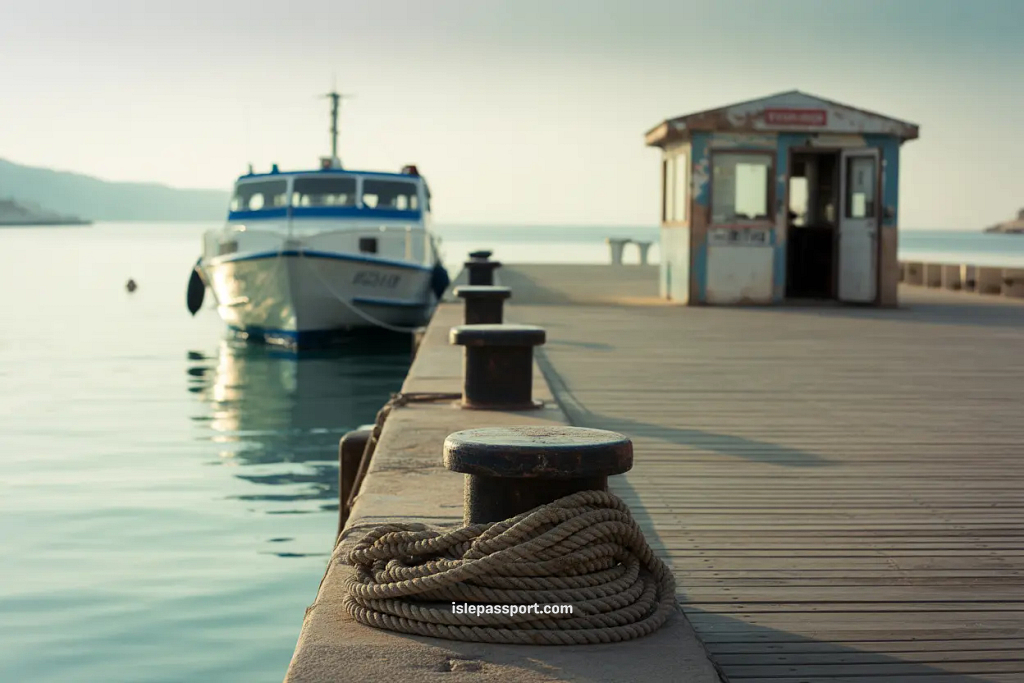
- For longer crossings (overnight ferries, popular routes), book ahead in summer.
- For shorter hops (like to Procida or Tabarca), same-day usually works, but check times so you don’t miss the last boat back.
- If you’re prone to seasickness, choose earlier sailings and sit outside if you can.
For most of my Spain + Italy island trips now, I book everything through Ferryhopper — it shows me the smaller local companies on one screen, lets me compare times easily, and has saved me a couple of times when I needed to switch to an earlier or later boat.
If you already know your dates and islands, it’s worth taking five minutes to check ferry times and prices on Ferryhopper before you book anything else.
Flights for Remote Islands
Some islands (like Menorca, Elba, some Canaries) have airports. I usually treat flights as:
- A way to reach the main island (Mallorca, Sicily, Tenerife)
- Then use ferries to reach the smaller ones
I wouldn’t personally fly between tiny islands unless ferries are really not an option.
Shoulder-Season Transport Differences
Outside of July–August:
- Some ferry routes reduce or stop
- Schedules get shorter (earlier last departures)
- You’ll want to check timetables more carefully
The upside is obvious: fewer people, more space, smoother slow travel Europe vibes.
Best Time to Visit (for Fewer Crowds)
If your goal is the best time to visit Mediterranean without tourists, here’s the honest answer:
May–June
September–October
- Warm, but not brutally hot
- Sea is swimmable
- Lower prices
- More relaxed locals
Winter for Nomads
Some of these islands, especially in the Canaries, stay mild all winter. If you’re working remotely and just want:

- Decent weather
- Quiet days
- Local cafés
…winter can actually be perfect. Just don’t expect full “beach holiday” mode.
Why Not August
August is when:
- Locals go on holiday
- Prices spike
- Even “hidden” spots get more people
You can still enjoy these islands in August if you’re flexible and patient, but if you can choose, pick almost any other month.
If reading this makes you want to explore island chains beyond Europe, you’ll love my breakdown of the world’s best island hopping destinations — from turquoise tropics to volcanic archipelagos.
Travel Tips for Uncrowded Island Trips
Quick tips I’d give a friend:
- Book small, family-run hotels or apartments. You’ll get better info and support.
- Skip rental cars when you can. Use buses, scooters, or e-bikes; smaller islands often don’t need cars at all.
- Bring cash. Some islands have limited ATMs and some small places are still cash-only.
- Respect protected areas. If a sign says “no entry” or “no drones,” it’s for a reason.
- Learn 10 basic words in Italian / Spanish. You don’t need to be fluent. Just showing you tried helps a lot.
FAQs About Uncrowded Mediterranean Islands
What are the most peaceful Mediterranean islands?
From this list, La Graciosa, La Gomera, Marettimo, Salina, Procida, and Tabarca are some of the most peaceful I’ve personally experienced — especially outside August.
Are there quiet alternatives to Ibiza or Capri?
Yes:
Instead of Ibiza: Menorca (outside school holidays) or La Gomera if you don’t care about nightlife.
Instead of Capri: Ponza or Procida. Same kind of sea, less chaos.
Which Mediterranean islands aren’t ruined by tourism yet?
Ruined” is subjective, but in terms of still feeling real and not overbuilt:
La Graciosa
La Gomera
Isla Cabrera
Marettimo
Ponza
Salina
Tourism exists there, but the islands don’t feel like theme parks.
Are any of these islands good for digital nomads?
Yes, with correct expectations.
La Graciosa, Salina, Menorca, Procida, Elba can all work if you pick accommodation with solid Wi-Fi and you’re okay with quiet, simple routines.
The Canaries (La Graciosa, La Gomera) are especially good for winter slow work.
What is the most affordable uncrowded Mediterranean island?
Tabarca and La Graciosa are two of the most affordable uncrowded Mediterranean islands. They’re simple, low-key, close to the mainland, and still feel wonderfully untouched. Prices stay reasonable because you’re working with small towns, family-run restaurants, and almost zero resort sprawl.
Before You Go..
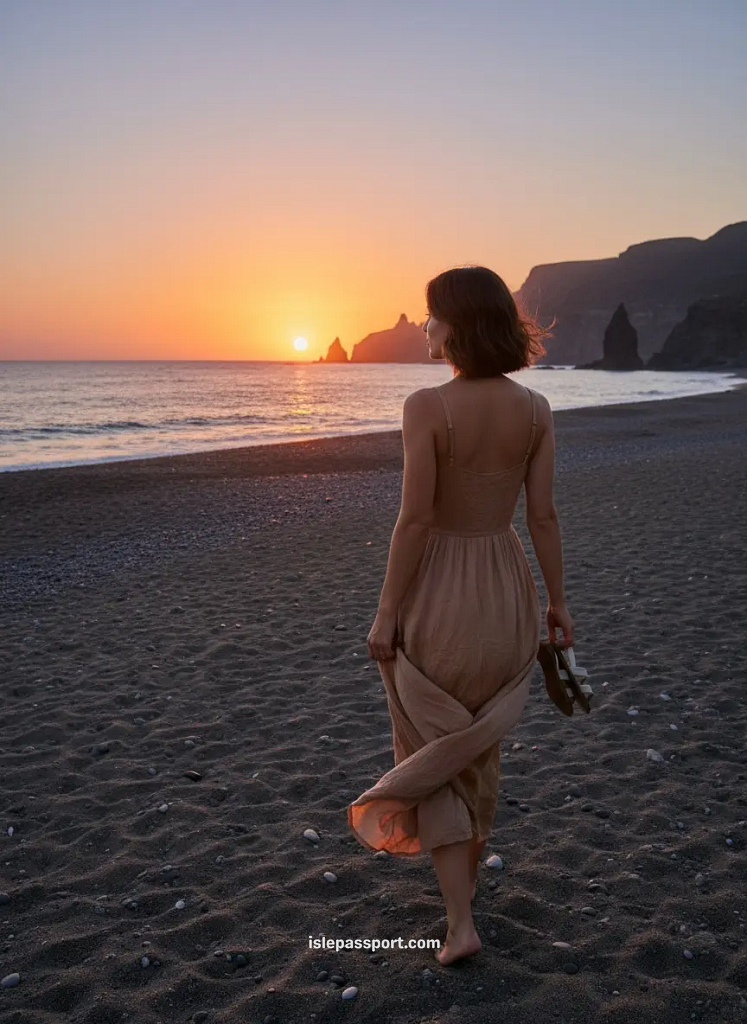
If this kind of travel speaks to you — slow, simple, and real — you’ll probably enjoy going deeper into places that aren’t designed for mass tourism. The kind of trips where you actually meet locals, breathe, and remember what silence sounds like.
Here’s what you might want to read next:
- Underrated harbors, fishing villages & islands along coastal Italy
- A practical guide to island hopping in the Mediterranean without crowds
- If you’re already dreaming beyond the Mediterranean and want ideas for tropical islands and warm beach escapes around the world, you might like my latest guide to tropical getaway ideas for 2026 — it’s full of places that feel just as peaceful, but with turquoise water and palm trees instead of olive groves.
Sometimes the places we end up loving most are the quiet European islands no one talks about—the hidden, offbeat Mediterranean islands that still feel raw and real.
Because at the end of the day, the goal isn’t to “collect destinations.” It’s to actually feel where you are. And these islands make that possible.
💛 Loved this guide?
If it helped you plan your trip or discover somewhere new, you can help me create the next one. Every guide is free to read, independently researched, and made with travellers like you in mind.
