
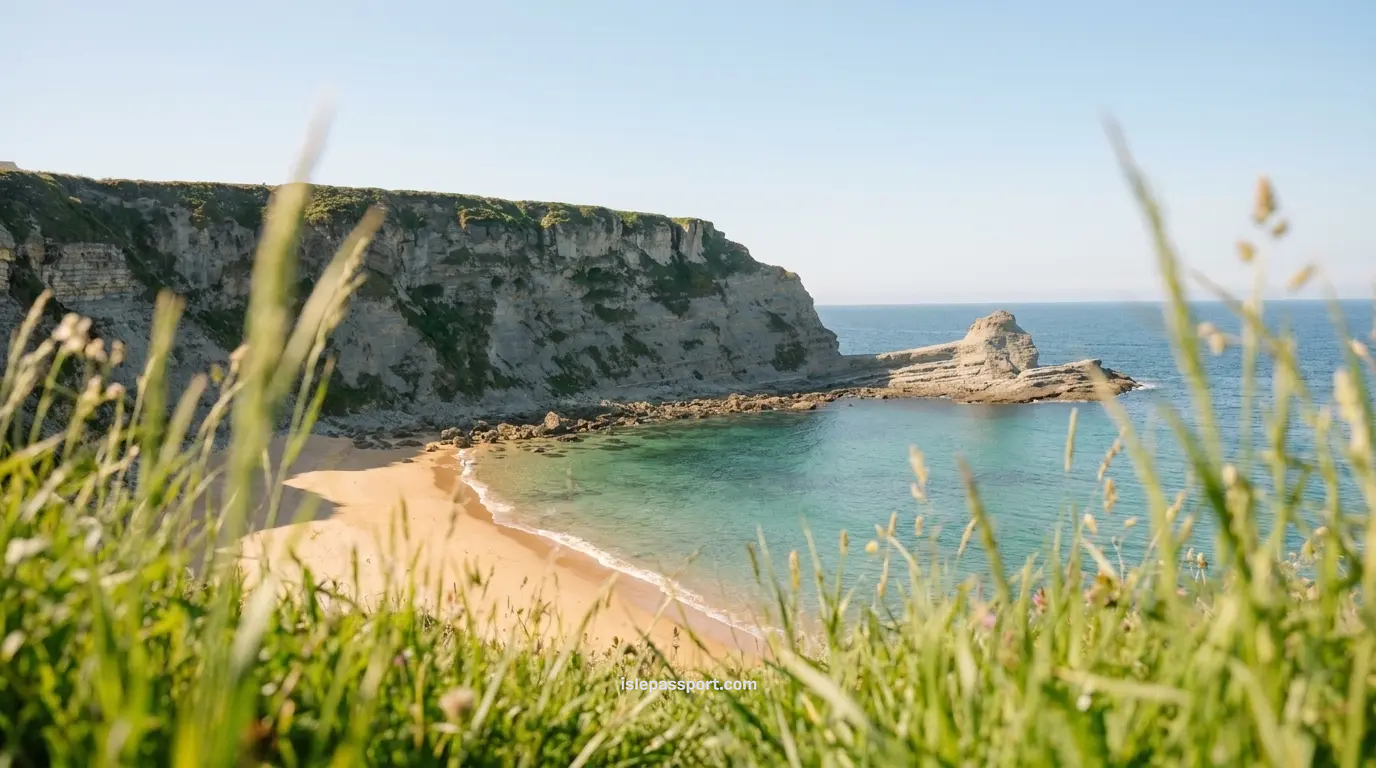
Best Beaches in Northern Spain (Swimmable + Warmest Spots 2026)

Northern Spain was not what I expected.
I had done the Mediterranean coast. Mallorca, the Costa Brava, the Amalfi. I knew that coastline. Warm water, clear coves, crowded in August, beautiful in September.
Northern Spain is a completely different world. It’s the Atlantic side. You get green cliffs instead of limestone, wild waves instead of calm bays, and villages that feel like they haven’t noticed the rest of Europe arriving. It’s one of the most fascinating parts of the Spanish coastline I’ve ever explored.
The first time I stood on Playa de Torimbia in Asturias and looked at the Atlantic, I thought: this is extraordinary and I am not going in. Then I went in. It was July. The water was around 20 degrees. I swam for an hour.
This guide covers the best beaches in northern Spain for swimming, including the warmest spots in Galicia, Asturias, Cantabria, and the Basque Country. And the honest answer about what to realistically expect.
With the 2026 summer heatwaves making the Mediterranean almost too hot to enjoy in July, Northern Spain has become the ultimate ‘coolcation.’ It’s where you go when you want to breathe, not just melt.
Can You Swim at Northern Spain Beaches?
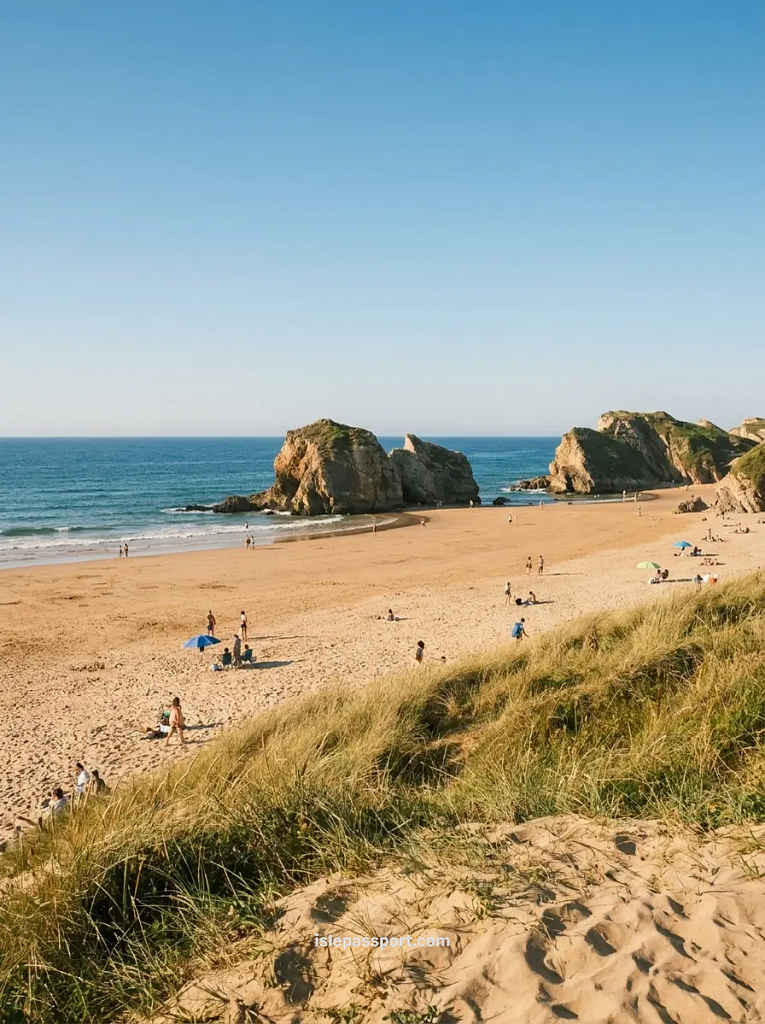
Yes. But not at every beach and not year-round.
The swimmable beaches along the Atlantic coast of Spain are genuinely excellent. But they are not the Mediterranean.
Here’s the direct answer:
- Warmest water: Galicia and sheltered Cantabrian bays (July–September)
- Water temperature: 18–22°C in peak summer
- Best for swimming: Sheltered coves and enclosed bays
- Avoid for relaxed swimming: Open Atlantic surf beaches on windy days
- Best months: July and August for warmest water; September for best overall experience
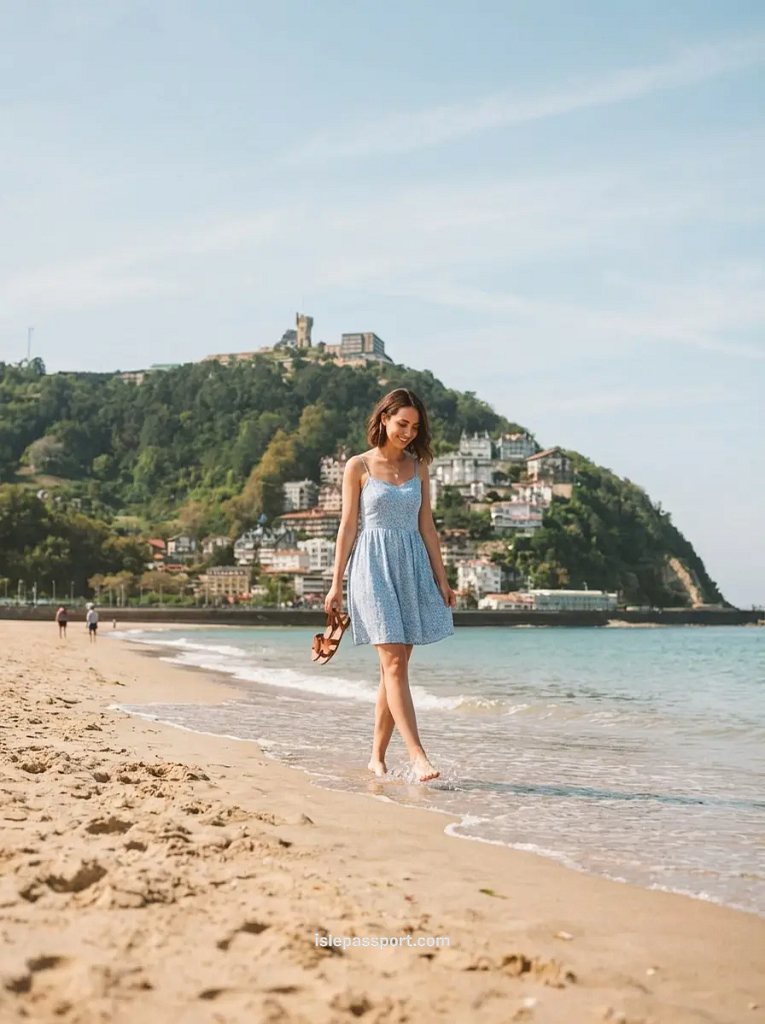
Northern Spain rewards people who understand what it is.
Wild. Dramatic. Green.
And once you know where to go, the warmest beaches in northern Spain are genuinely excellent for swimming.
A quick safety note. The Atlantic has a different pull than the Med. Even on calm days at beaches like Torimbia, keep an eye on the tide movement. If you see a gap in the waves where the water looks darker and calmer, that’s usually a rip current. Stay out of those channels.
The Green Coast Route: A West-to-East Northern Spain Beach Map
If you are planning a trip, do not just pick one beach.
The best way to experience this coastline is with a west-to-east road trip, starting in Galicia and finishing in the Basque Country.
If you’re planning a route like this, choosing the right base makes a huge difference. I put together a simple breakdown of the top coastal bases in northern Spain. Depending on whether you want swimmable beaches, good food, or easy access to multiple stops.
If you want to see exactly how to thread all of these coastal stops together into a seamless week-long journey, check out my complete blueprint for a 7-day Northern Spain road trip.
The landscape changes dramatically as you move east — from the granite rías of Galicia to the rugged cliffs of Asturias and finally the elegant bays of San Sebastián.

Top 10 Swimmable Beaches in Northern Spain (My Personal Picks)
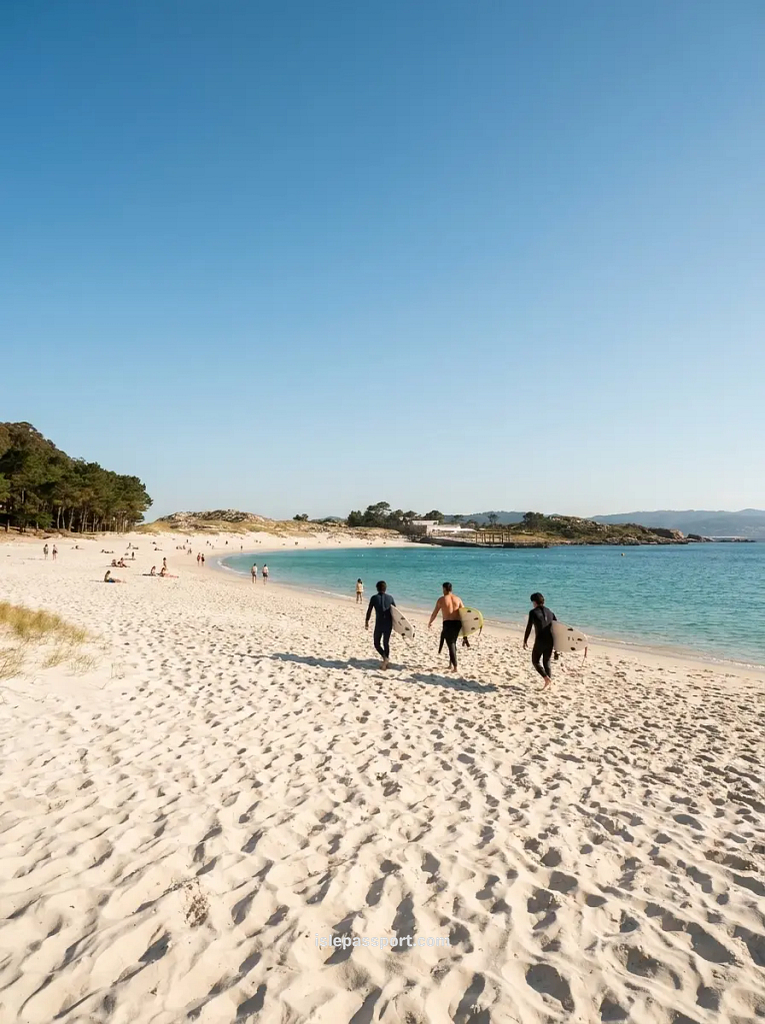
1. Playa de Rodas, Galicia
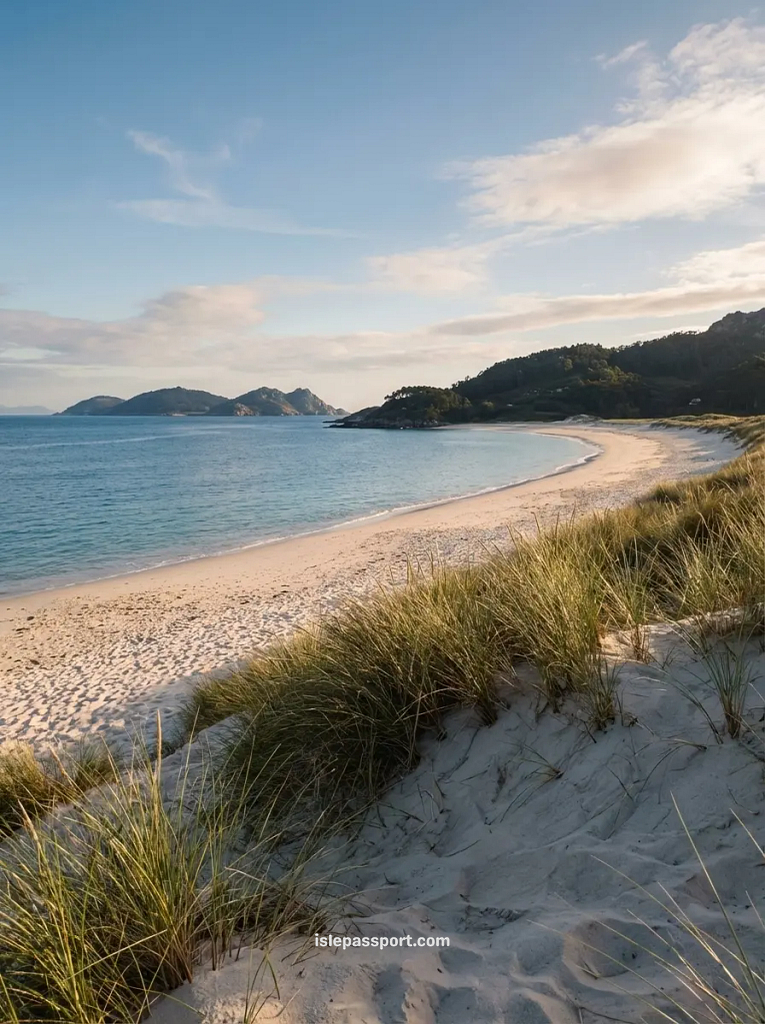
Best for: Calm turquoise water and the warmest swimming in northern Spain
The Cíes Islands look like they belong in the Caribbean, not the Atlantic.
Because the bay is protected on both sides, Playa de Rodas warms faster than almost anywhere else on the northern coast. The water here is clearer, calmer, and noticeably warmer than most beaches nearby.
The water here is clearer, calmer, and noticeably warmer than most beaches nearby. It’s also worth noting that the surrounding area isn’t just a holiday spot. It is consistently ranked as one of the most affordable places to live by the sea if you’re looking for a more permanent coastal lifestyle.
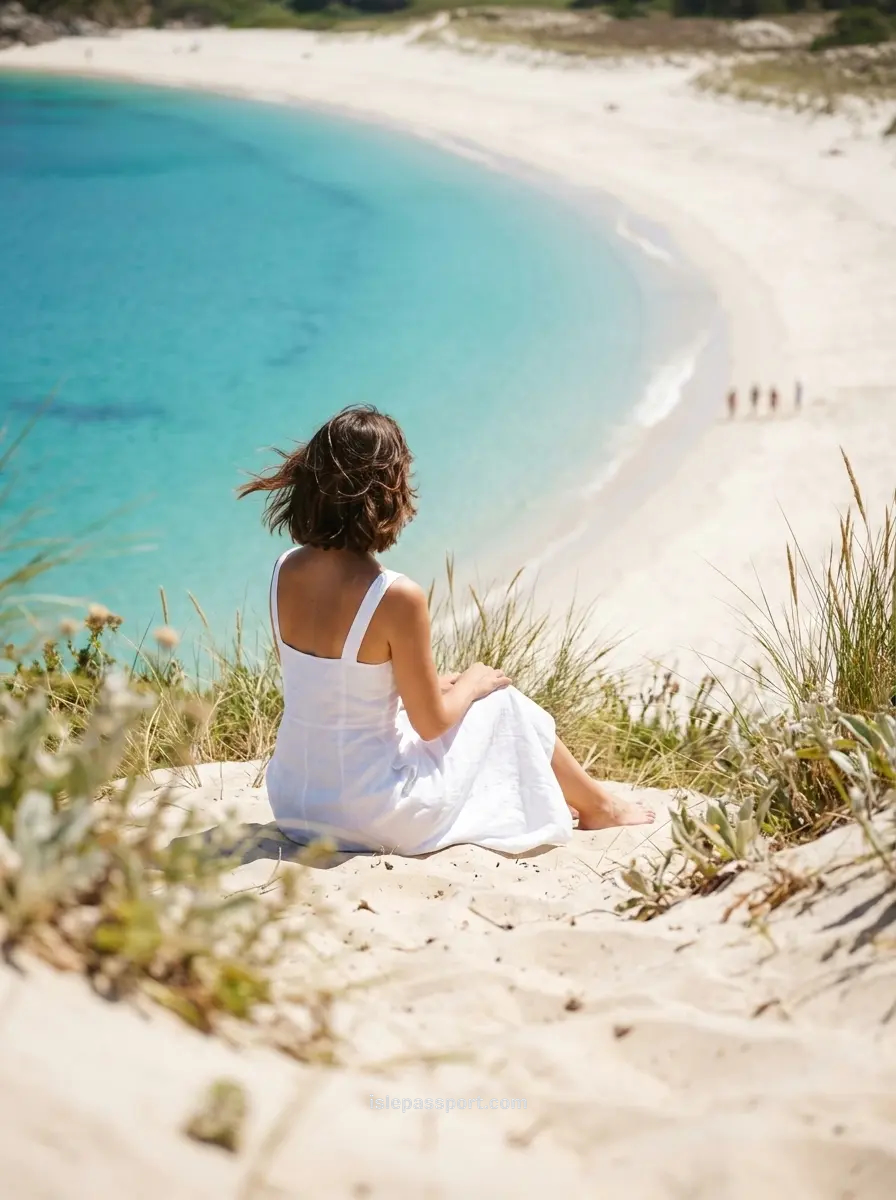
I swam here for two hours without getting cold. Which almost never happens to me in the Atlantic. If you think beaches in Galicia will be too cold for swimming, this place changes that assumption immediately.
If you’re looking for clear water gems in Spain, this is the #1 spot.
Maya Tip! Don’t just show up at the Vigo docks. You need a pre-authorized permit from the Xunta de Galicia to visit the islands. I nearly missed my ferry because I didn’t realize the QR code is checked twice. Once at the ticket office and once before boarding.
2. Praia das Furnas, Galicia

Best for: Wild scenery and fewer crowds
If Rodas is the famous one, Praia das Furnas is the quieter alternative.
Set on the Barbanza Peninsula, this beach feels remote in the best way. Wide open Atlantic views, dramatic dunes, and far fewer visitors than the more obvious Galician beaches.
It feels like the edge of the world.
3. Playa de las Catedrales, Galicia
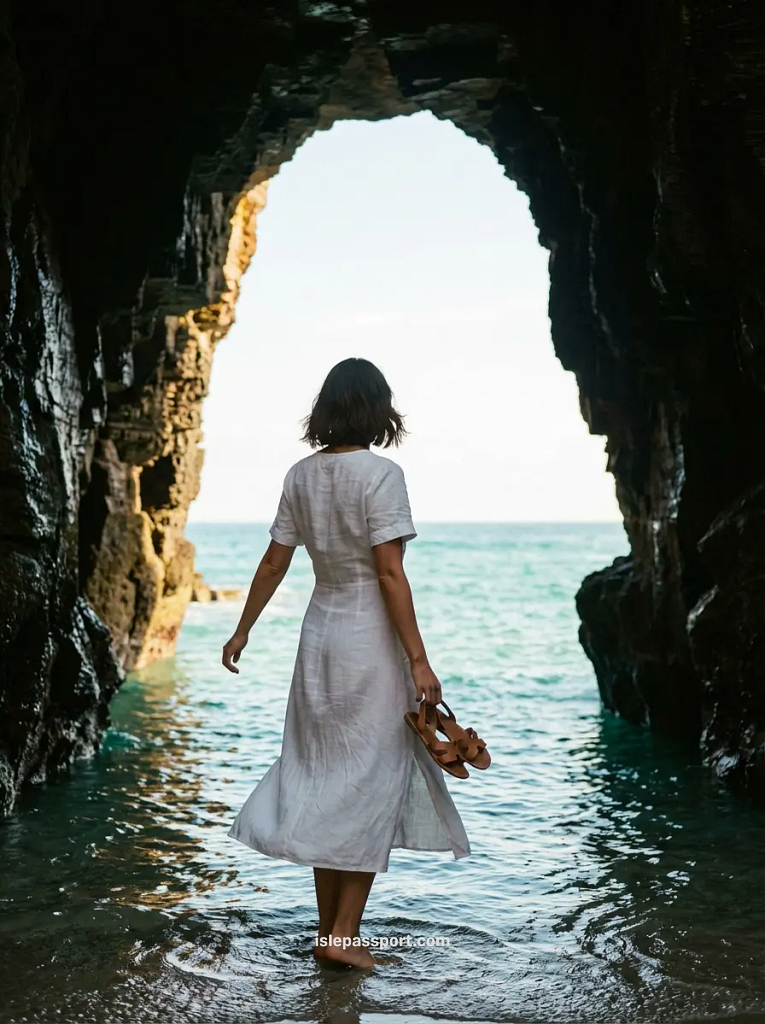
Best for: Extraordinary scenery and low-tide exploration
The “Cathedrals” are giant rock arches carved by the Atlantic.
At low tide you can walk beneath them through tunnels, caves, and rock corridors that disappear a few hours later when the sea returns.
Swimming is possible, but this is not really a swimming beach. You come here for the landscape.
Important: Check tide charts before visiting. At high tide most of the beach disappears.
To protect the rock formations, the local government limits visitor numbers during peak season. You can find the latest access rules and booking requirements on the official Spain Tourism portal before you plan your low-tide walk
4. Playa de Gulpiyuri, Asturias
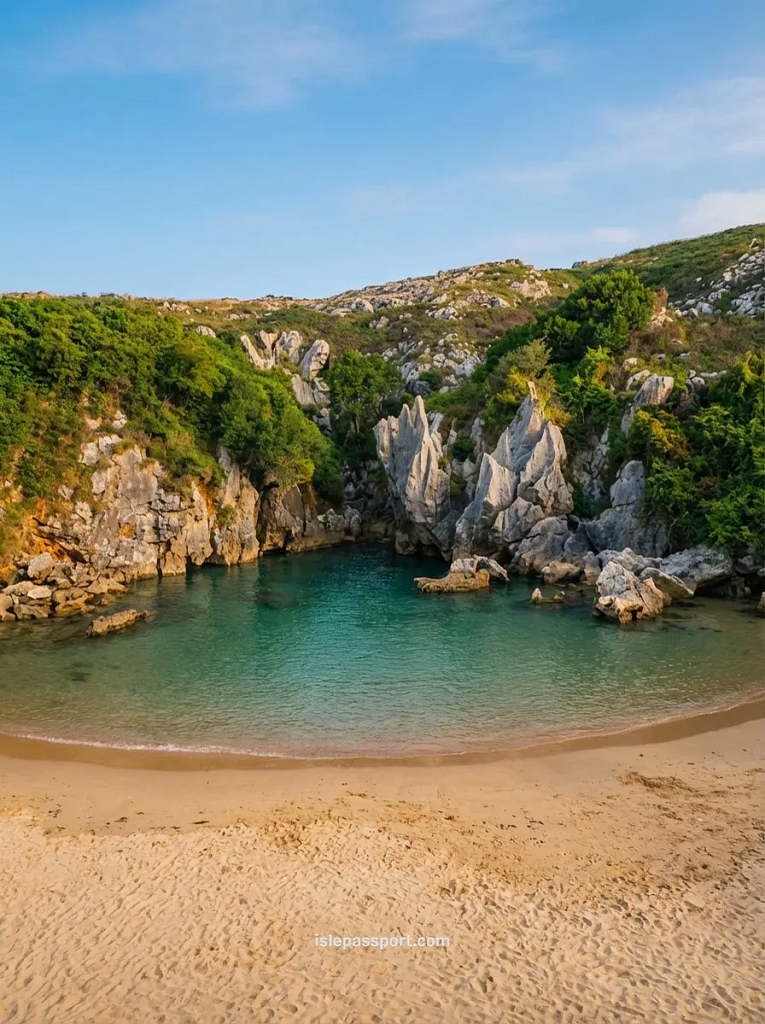
Best for: Seeing something that doesn’t feel real
This is an inland beach.
The sea comes through a cave under the cliffs and fills a sinkhole in a meadow. It’s tiny, unusual, and definitely one of those tiny towns and hidden spots you won’t forget.
You won’t come here for swimming. The pool is too small. But you will absolutely remember it.
5. Playa de Torimbia, Asturias
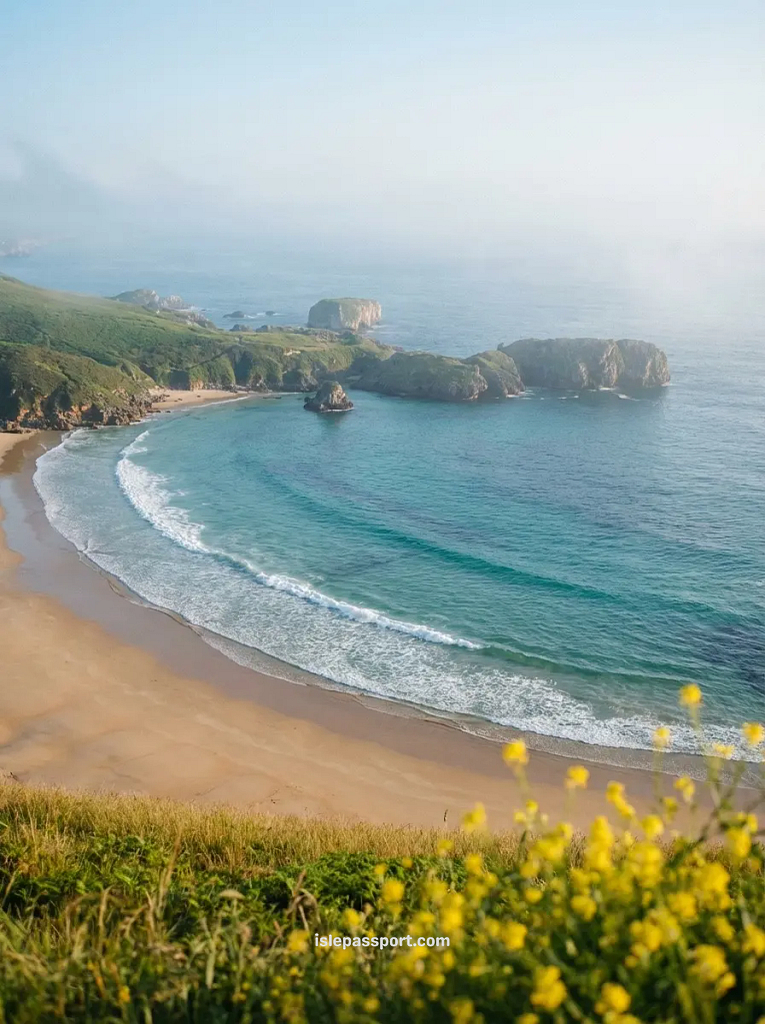
Best for: Wild beauty and crystal-clear Atlantic water
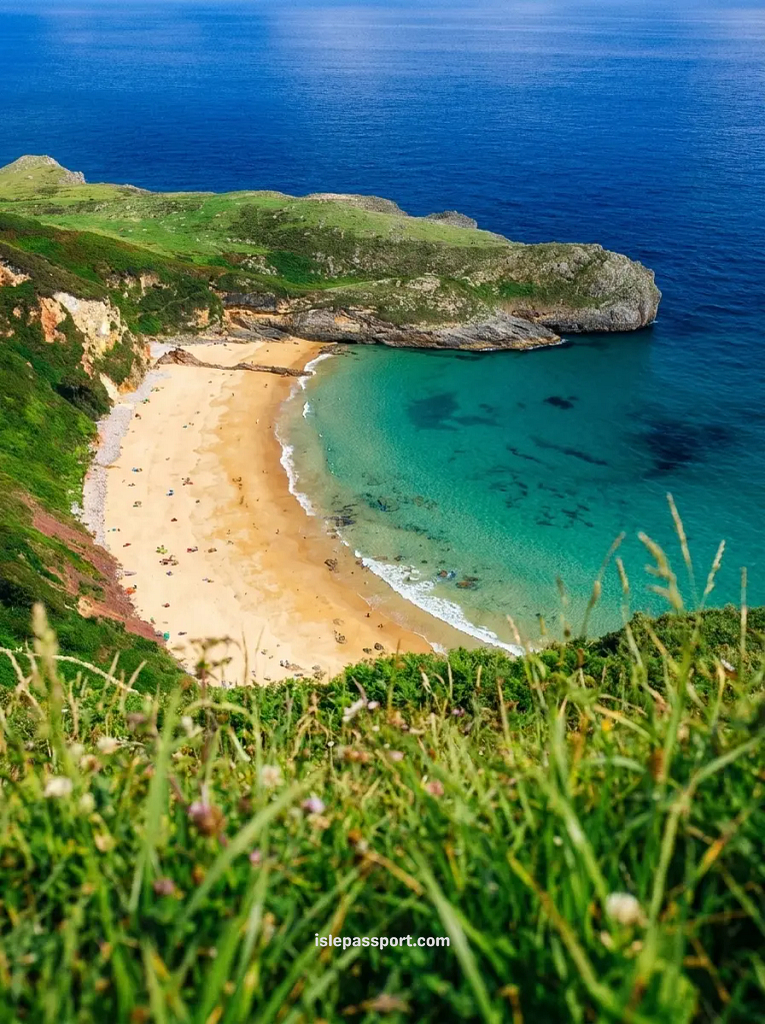
Among the most beautiful beaches in Asturias, Torimbia is a steep 20-minute walk from the road. Which is exactly why it stays relatively quiet. It is a naturist-friendly crescent of golden sand enclosed by green cliffs, with some of the clearest water on the Asturian coast.
On calm summer mornings, this is one of the best swims in Spain. On windy days, it can feel wild and rough.
Choose your day carefully.
If you want a quiet beach town experience, the surrounding area of Llanes is perfect.
6. Playa de Ballota, Asturias
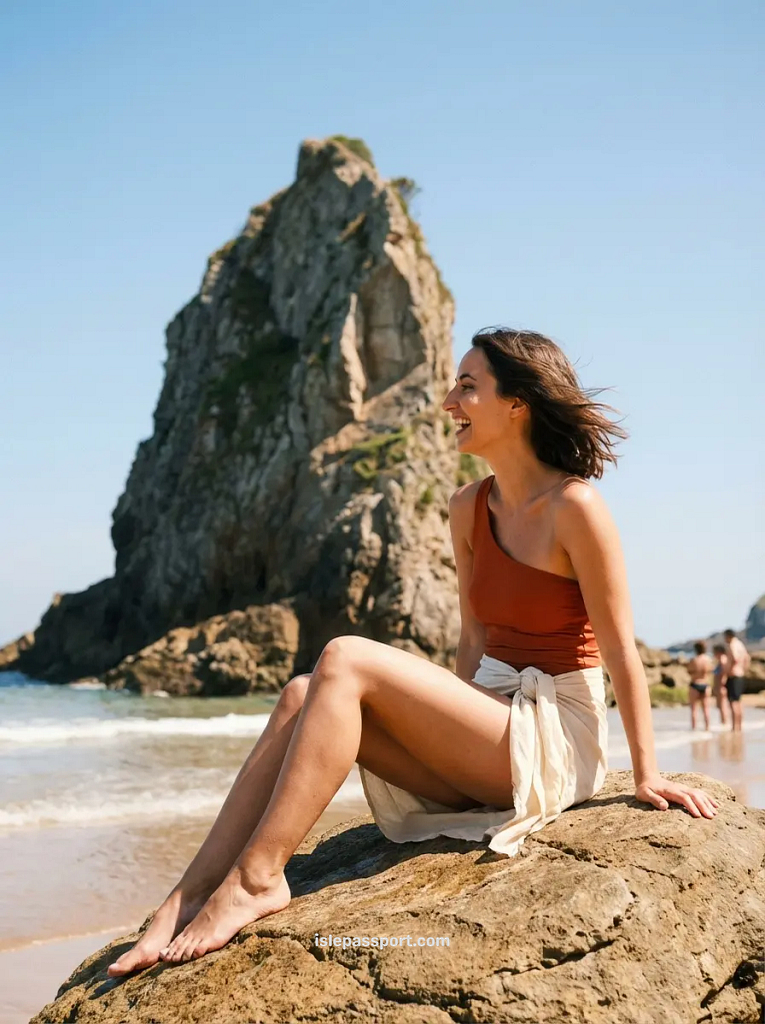
Best for: Dramatic scenery and raw Atlantic energy
Just down the coast from Torimbia, Ballota is one of the most underrated beaches in Asturias.
It has a huge sea stack rising from the water offshore and dramatic cliffs framing the sand.
Nearby is the Bufón de Ballota, a natural blowhole that shoots seawater into the air during large swells. Come here for scenery first, swimming second.
7. Playa de Oyambre, Cantabria
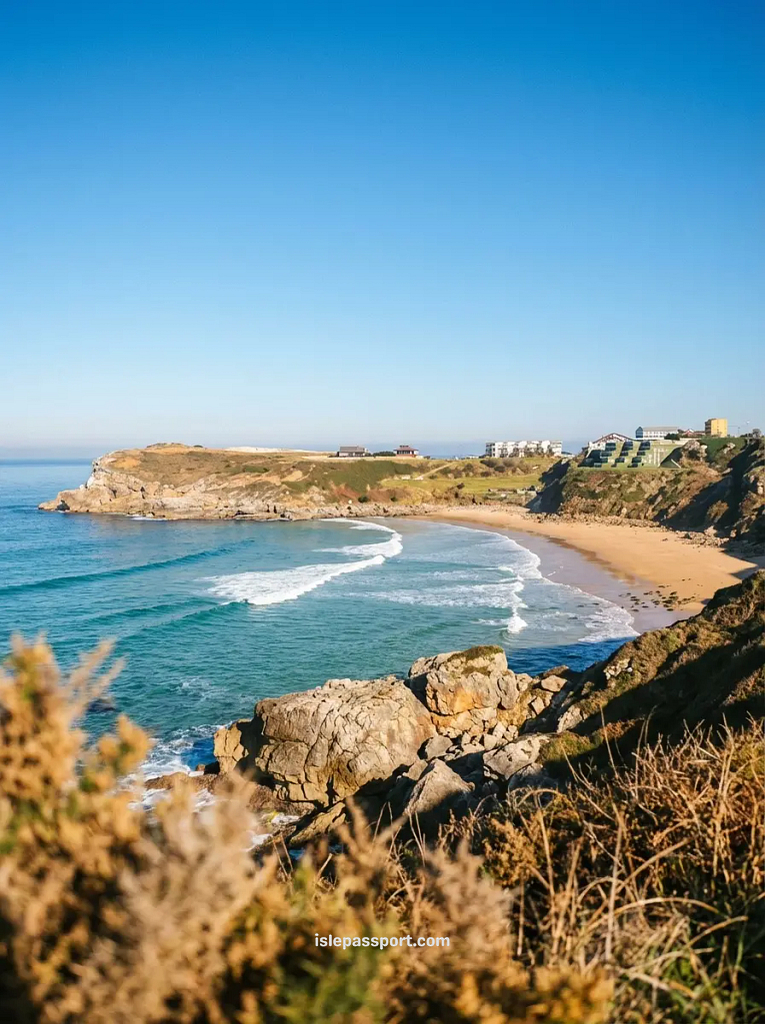
Best for: Families and easy swimming
One of the best beaches in Cantabria, Oyambre is a long, gently sloping sandy beach with the Picos de Europa visible behind it on clear days.
It is wide, accessible, and practical in a way many northern beaches are not.
If you want an easy beach day without steep cliff paths or tide planning, this is one of the safest bets on the northern coast.
8. Playa de Langre, Cantabria
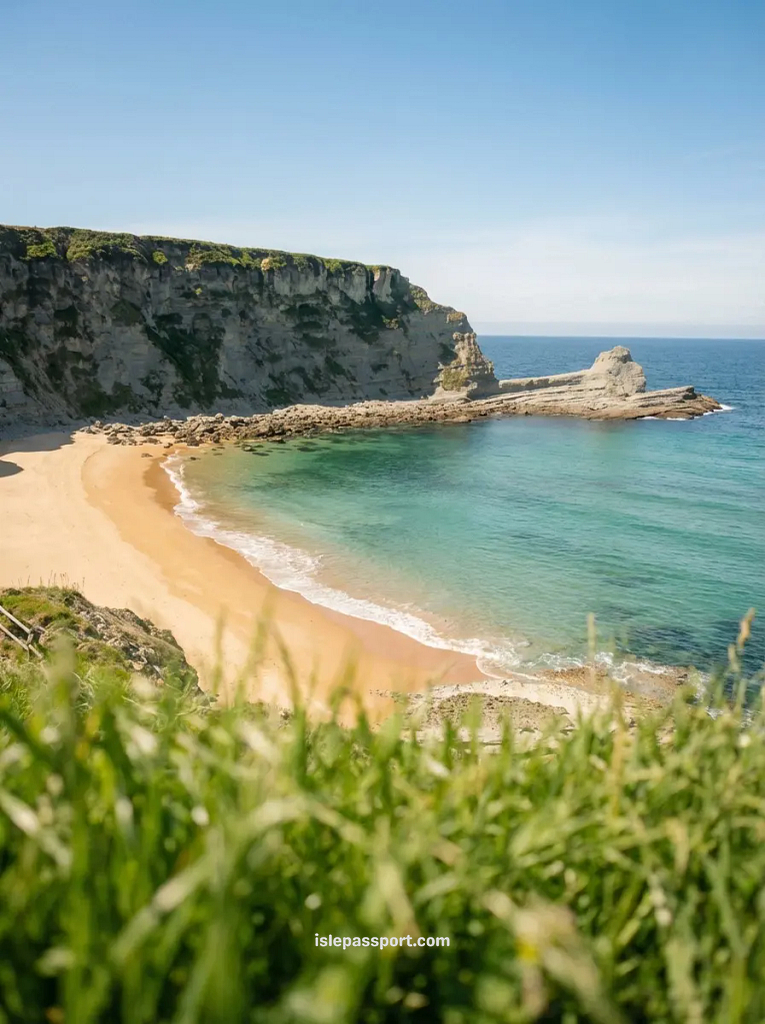
Best for: Escaping the modern world
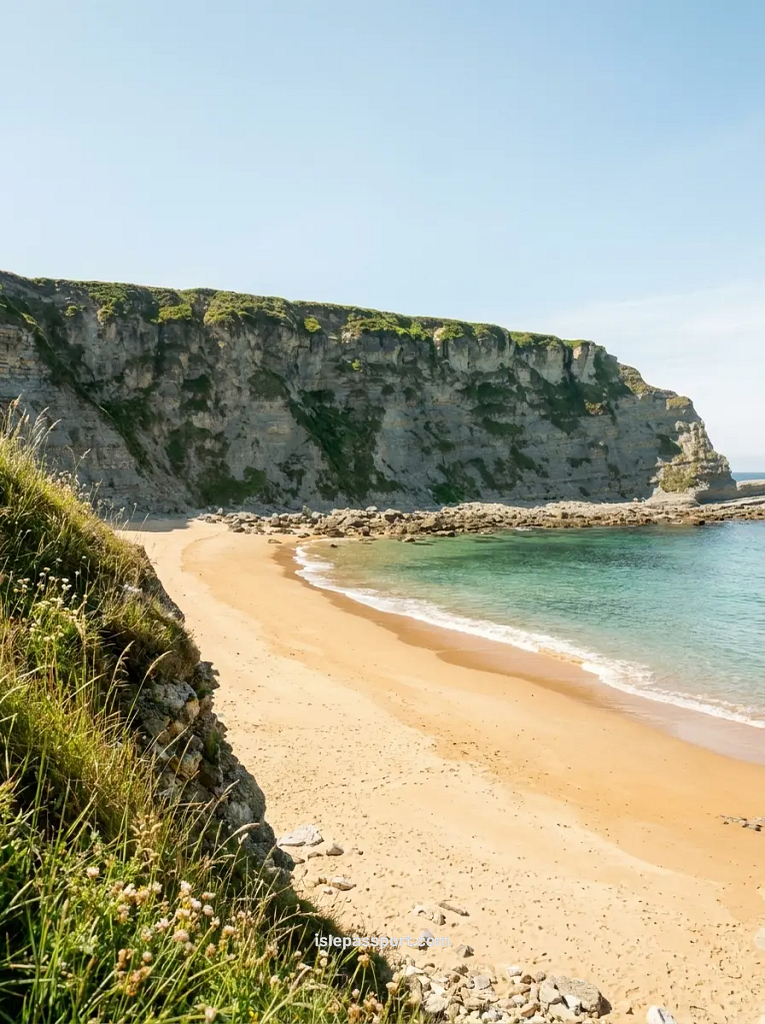
Langre is backed by huge vertical cliffs and feels completely separate from everything around it.
It is raw, windswept, and elemental.
It reminds me of the secluded coves in the Balearics, but with much more powerful Atlantic energy.
One of the best hidden beaches in northern Spain if you want space.
9. La Concha Beach, San Sebastián
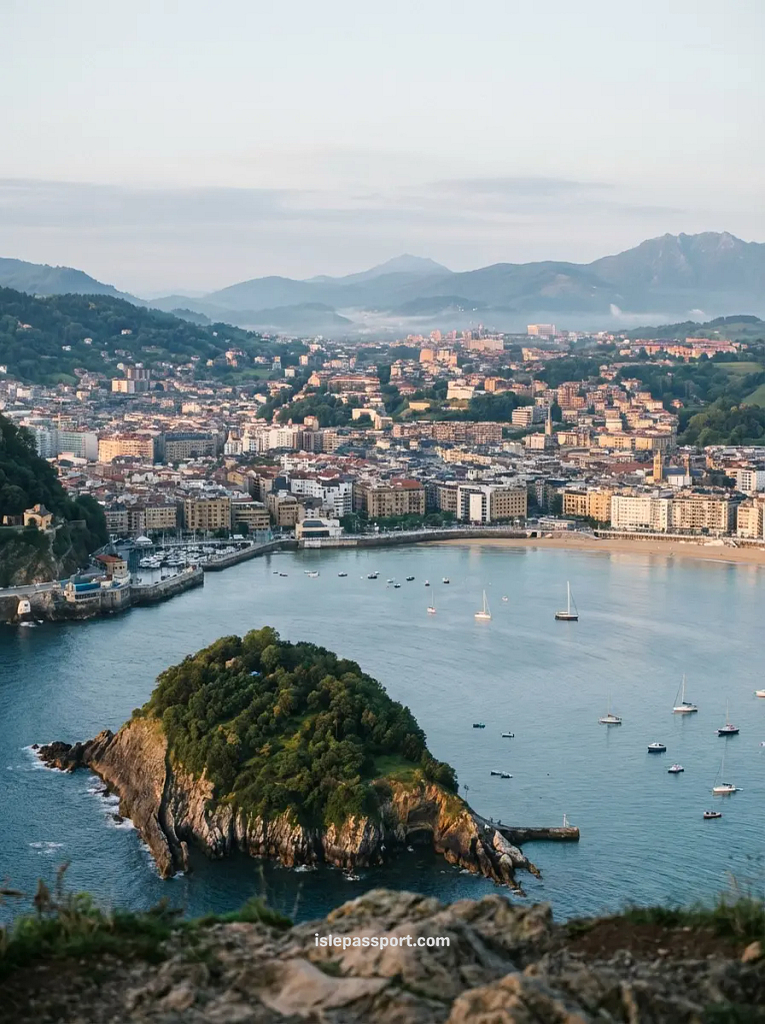
Best for: The complete city + beach experience
If I had to choose one beach that represents northern Spain at its best, it would be La Concha.
The bay is elegant, sheltered, and genuinely beautiful. The water is calmer than most Atlantic beaches, making it one of the easiest places to swim on the northern coast.
And when you get out of the water, you are in San Sebastián. Arguably Spain’s best food city.

This is the gold standard.
The best way to do La Concha isn’t just the swi. It’s the walk back into the Parte Vieja with salt still on your skin to grab a plate of txangurro (spider crab) and a glass of cold Txakoli. It’s the only place I’ve been where the city smells like sea salt and grilled hake simultaneously
10. Zarautz, Basque Country
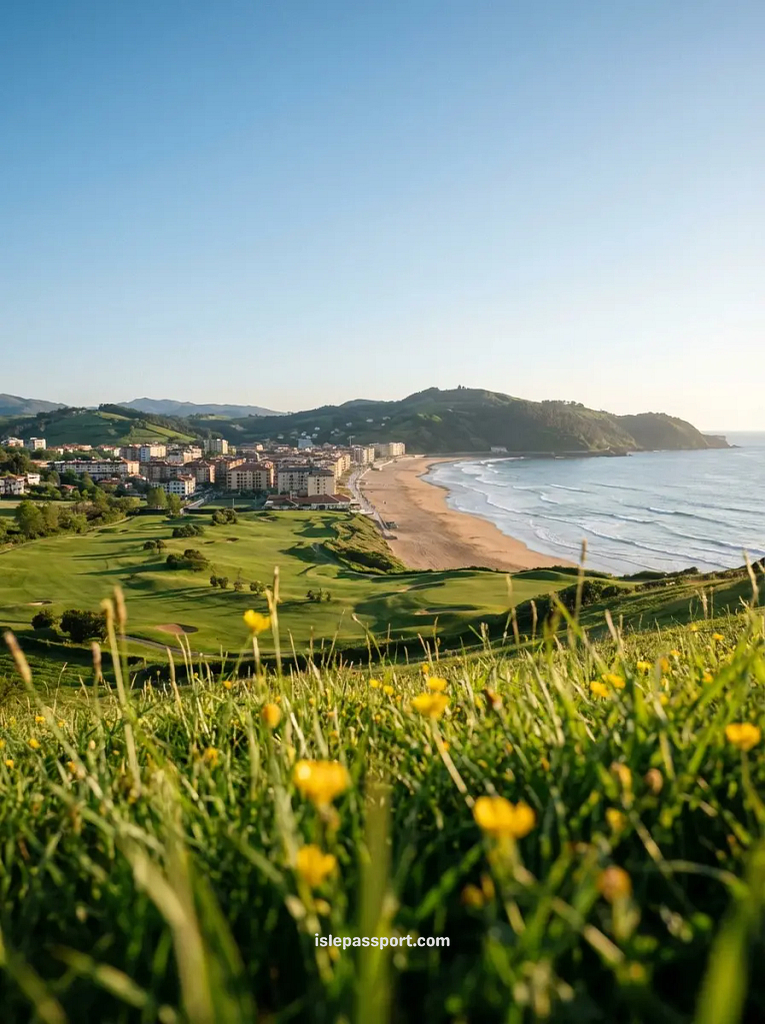
Best for: Surf culture and lively atmosphere
The longest beach in the Basque Country and one of the best-known surf beaches in northern Spain.
Even if you do not surf, Zarautz is worth visiting for the atmosphere alone. Long promenade, energetic beach town vibe, and some of the best pintxos bars of any coastal town in the region.
Atlantic vs. Mediterranean: Is Northern Spain Right for Your Beach Holiday?
This is the question I get most. Is northern Spain worth it if you are used to Mallorca, Ibiza, the Costa Brava, or Greece?
Yes. But only if you understand what you are comparing.
- The Water: Northern Spain is 4–6°C cooler than the Mediterranean in summer. It feels refreshing, not bath-warm. If warm water is your highest priority, the Med wins easily.
- The Crowds: While popular towns near Barcelona are packed, Northern Spain feels spacious even in July.
- The Vibe: If the Mediterranean is gold and dry, northern Spain is emerald and mist. The scenery is more dramatic, greener, and in many places more visually striking.
The Best Northern Spain Beaches for Every Type of Traveler
Warmest Beaches in Northern Spain
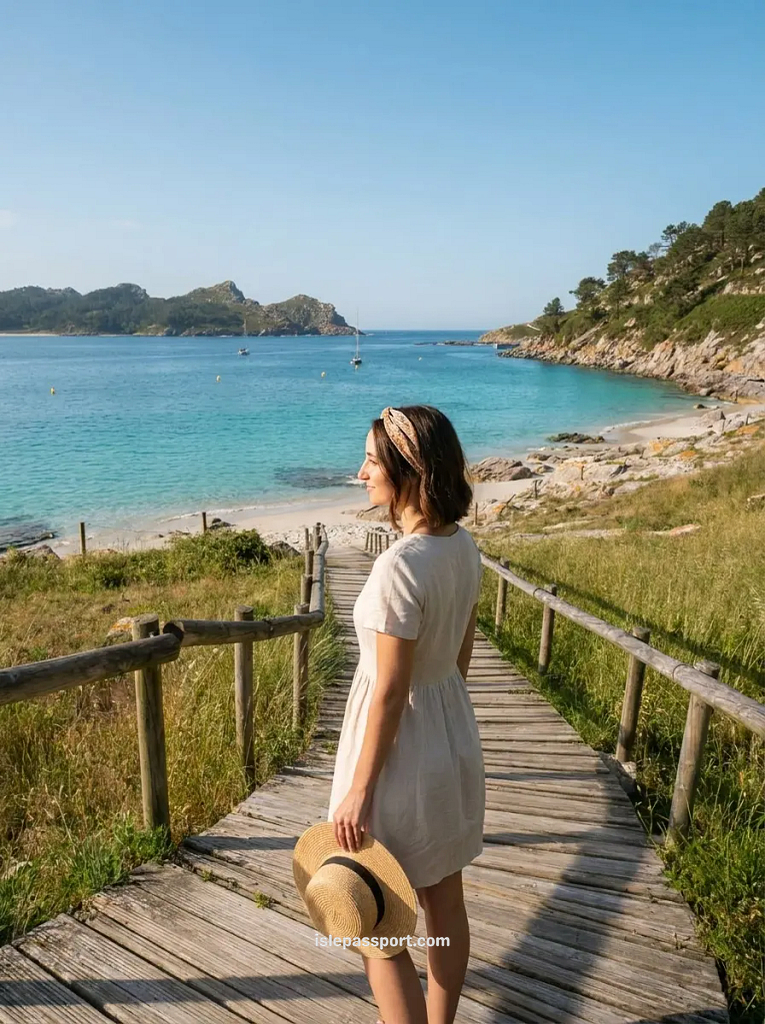
The warmest water is consistently found in Galicia, especially in the sheltered Rías Baixas around Vigo.
Best warm-water options:
- Sheltered bays near Santander
- Playa de Rodas
- Beaches around Pontevedra
Best Sandy Beaches
The best sandy beaches in northern Spain:
- La Concha – Fine sand, sheltered bay
- Playa de Oyambre – Long and spacious
- Playa de Rodas – White sand, clear water
- Playa de Torimbia – Dramatic crescent setting
Best Hidden Beaches
For quieter beaches away from the obvious stops:
- Playa de Langre – Quiet and dramatic
- Playa de Torimbia – Steep access keeps crowds away
- Playa de Gulpiyuri – Tiny and unusual
- Praia das Furnas – Wild and underrated
Best for Surfing vs Swimming
Better for Swimming
- La Concha
- Playa de Rodas
- Sheltered Rías Baixas beaches
Better for Surfing
- Zarautz
- Playa de Somo
- Zurriola Beach
- Exposed Asturian beaches on swell days
Best Beaches in Galicia, Asturias, Cantabria & Basque Country
If you are searching specifically by region. For “best beaches in Asturias” or “best beaches in Galicia Spain”. Here is how the coast breaks down.
Beaches in Galicia, Spain
- Playa de Rodas (Cíes Islands) — warmest, clearest water on the northern coast
- Praia das Furnas (Barbanza Peninsula) — wild, beautiful, less visited
- Rías Baixas beaches (Pontevedra area) — warmest water in Galicia, sheltered estuaries
Beaches in Asturias, Spain
- Playa de Torimbia (near Llanes) — dramatic cliffs, golden sand, naturist
- Playa de Gulpiyuri (near Llanes) — the inland beach, unique in Europe
- Playa de Ballota (near Llanes) — wild, accessible, less known than Torimbia
Beaches in Cantabria, Spain
- Playa de Oyambre — best family beach on the northern coast
- Playa de Langre — quiet, clifftop access, spacious
- Playa de Somo — surf beach near Santander, wide and sandy
Beaches in the Basque Country, Spain
- La Concha (San Sebastián) — best overall beach on the entire northern coast
- Zarautz — long surf beach, best pintxos bars of any beach town
- Itzurun (Zumaia) — dramatic flysch cliffs, one of the most photographed spots on the coast
Where to Stay Near the Best Beaches

- San Sebastián: Best for foodies and luxury.
- Santander: A great central hub for Cantabria.
- Llanes: The best “home base” for exploring the northern coastal towns.
- Ribadeo: Your gateway to the Galician arches.
While you can reach San Sebastián by train, you absolutely need a car to reach spots like Langre or Ballota. If you’re nervous about driving, stick to the coastal towns reachable without a car like Santander or San Sebastián, which have great local bus connections to nearby sands.
When to Go?
Go in September. The water has had all summer to warm up, the crowds have gone home, and the light is golden. If you’re used to Mallorca in May, you’ll find Northern Spain in September to be much more swimmable.
Are the Beaches in Northern Spain Actually Cold?
This is the most common question and it deserves a straight answer.
Yes. Cooler than the Mediterranean. No. Not too cold to swim.
The Bay of Biscay peaks at 20–22°C in August. That is about 4–6 degrees cooler than the Med at the same time of year. You notice it on the first entry. You adjust within minutes. After that it is refreshing rather than cold.
What the north has that the Mediterranean does not: space, dramatic scenery, clear water, and food cultures that compete with anywhere in Europe.
Before You Go
The Atlantic coast of Spain is worth a dedicated trip. Not as a compromise version of the Mediterranean, but as a completely different and in many ways more interesting coastal experience.
Building a wider Spanish coastal trip that combines the north with the Mediterranean or islands? The Spain coastal hub maps every region with honest comparisons and helps you plan the full route.
Before You Book: The Tools I Actually Use
I only link to tools and platforms I’ve personally used and would use again. If you book through my links I earn a small commission at no extra cost to you — which helps me keep writing these guides.
Sort by guest rating above 8.5 and check the map view before confirming.
Book as soon as you confirm flights. Summer prices in the islands rise fast.
Routes sell out in July and August. Book early for Spanish islands.
Boat tours, kayaking, guided hikes. Morning slots go first.
I never travel without it — covers illness, cancellations, and lost luggage.
The easiest way to move between coastal towns without a car. Prices rise closer to departure.
💛 Loved this guide?
If it helped you plan your trip or discover somewhere new, you can help me create the next one. Every guide is free to read, independently researched, and made with travellers like you in mind.
