

15 Best Beaches on Costa Brava (2026 Map & Calas Guide)

☕ Reader-supported. Every guide is free to read, with no sponsored recommendations. If Isle Passport helps you plan better trips, you can help create the next guide.
If you are looking for the absolute best beaches on Costa Brava, you want to focus on the rocky, pine-fringed calas (coves) around Begur and Palafrugell.
Cala de l’Illa Roja and Aiguablava take the top spots for dramatic scenery and turquoise water, while Platja de Pals and Tossa de Mar are the best sandy beaches for families. For wild nature and snorkeling, head north to the pristine coves of Cap de Creus.
The best beaches on Costa Brava are not the ones you roll up to at noon, and I learned that the hard way on my first afternoon.
I almost did not go to Cala de l’Illa Roja at all. It looked difficult to reach on the map, and I was already happy with the beaches I had found closer to Begur. Then someone at the restaurant where I had dinner told me to go there first thing the next morning and not to be late.
I was at the cove by 8:45 AM. The water was green and completely still. There was a red rock the size of a building sitting in the sea about 30 metres from shore. I had maybe 15 people around me. By the time I walked back up to the path at 11 AM, the beach below was packed, and a small queue had formed at the top of the steps.
That morning basically explains how this coastline works.
Here is what I actually recommend after four days working through the calas from my base in Begur last June. What needs a car to reach, and the one beach that stopped me in my tracks.
In a rush? Here is the quick Costa Brava calas summary:
Best overall cala: Cala de l’Illa Roja (my favorite beach on the coast, but go before 9:00 AM).
Best for families: Tossa de Mar town beach (soft sand, shallow water, and full facilities).
Best for snorkelling: Sa Tuna & the wild, protected coves of Cap de Creus.
The reality check: Most of the best beaches on Costa Brava are rocky gravel, not sand. You will absolutely need water shoes!
The one thing nobody explains about Costa Brava beaches
Most of the best beaches on Costa Brava are not sandy. They are calas: rocky coves of coarse gravel, pebbles, and sometimes coarse sand, cut into limestone and red-rock cliffs with pine trees growing right down to the water.
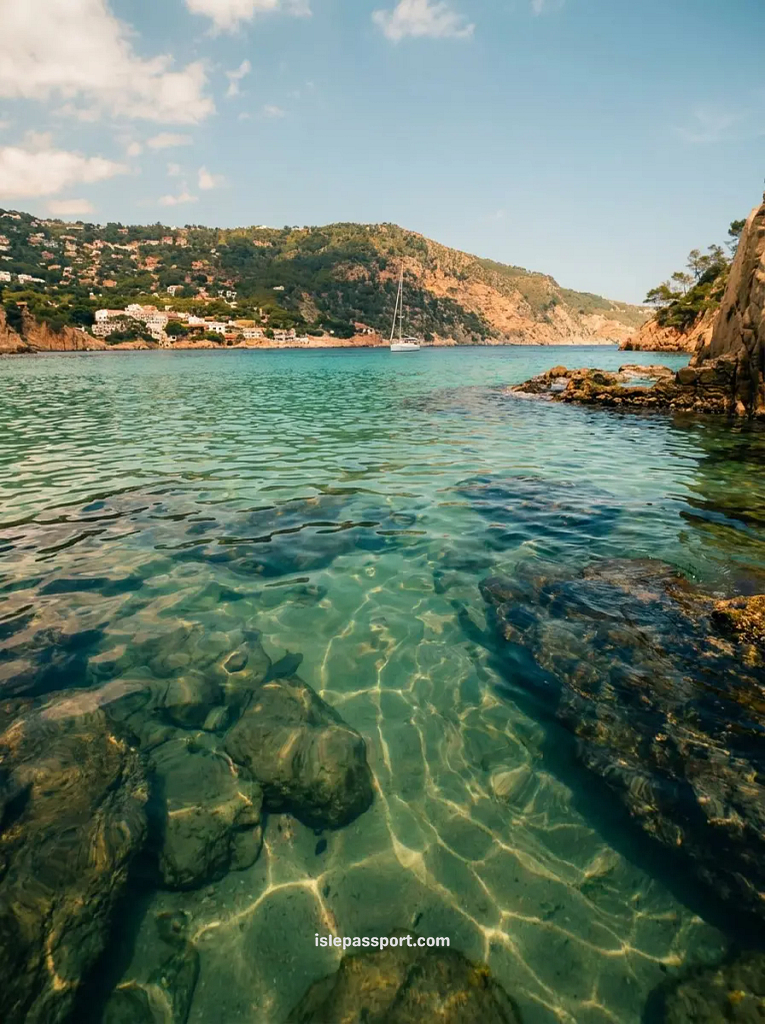
If you arrive expecting the wide sandy beaches of the south, you will be genuinely surprised.
I say this not to put anyone off. The calas are the whole point of this coastline. The water clarity in them is exceptional. Visibility often reaches ten metres, which is different from most of the Mediterranean I have swum in.
But you need water shoes for most of them, the entries are rocky, and the smallest ones have no facilities at all.
🎒 What to Pack for the Calas:
Water shoes: Do not skip these. The entries are mostly coarse gravel and flat rock. I wore these lightweight water shoes every single day and they saved my feet.
Snorkel gear: The water is way too clear to miss what is underneath. Grab a basic anti-fog snorkel mask before you go so you don’t overpay at a beach kiosk.
Quick-dry towel: Bulky cotton towels and wet pebbles are a terrible combination. A microfibre beach towel shakes off the sand, packs down to nothing, and dries in minutes.
The sandy beaches do exist. Platja de Pals is the best of them on the central stretch. Tossa de Mar town beach is sandy and suits families well. But if you come to Costa Brava looking only for sandy beaches, you are going to miss what makes this coast worth a trip.
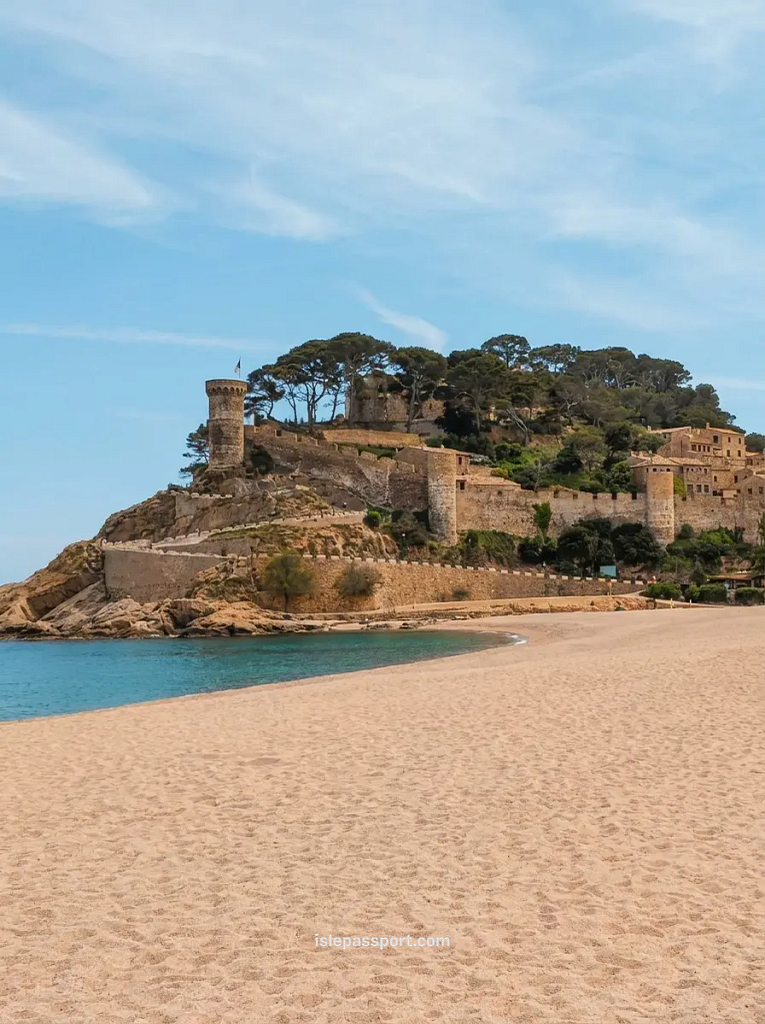
Most people arriving to Costa Brava travel through Barcelona. And it is worth knowing that several of the most rewarding beach towns you can reach from Barcelona in under two hours sit on the southern section of this coastline.
The central section around Begur and Palafrugell is where I would focus, though. That is where the calas are at their best.
Map of the Best Costa Brava Beaches (2026)
Before we get into the specifics, here is a map of the best Costa Brava beaches I visited, along with the parking spots and towns I mention below. You can save this map straight to your phone to use when you inevitably lose signal walking down the coastal paths.
The 15 Best Beaches on Costa Brava (2026 Reviews)
Cala de l’Illa Roja (Begur): The Best Overall Cala
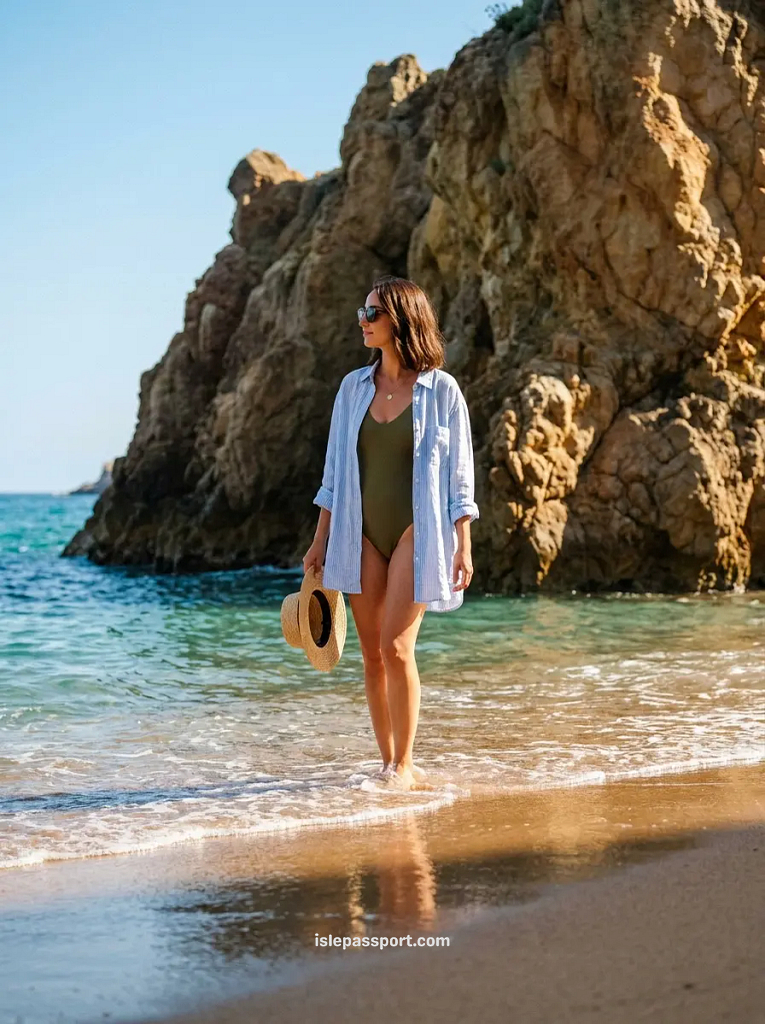
I have already told you about my morning here, but a few practical things are worth knowing before you go.
There is no car park at the beach itself. In July and August, the road to the cove is closed to non-resident vehicles and the local council runs a shuttle bus from Begur village.
Outside those months, the nearest parking is in the residential streets near Platja de Pals, paid at around €2 per hour. And from there you walk the Camí de Ronda coastal path for about 30 minutes.
I actually preferred the walk to driving down. The path runs along the cliff edge and you get a view of the cove from above before you descend, which is a very good first look.
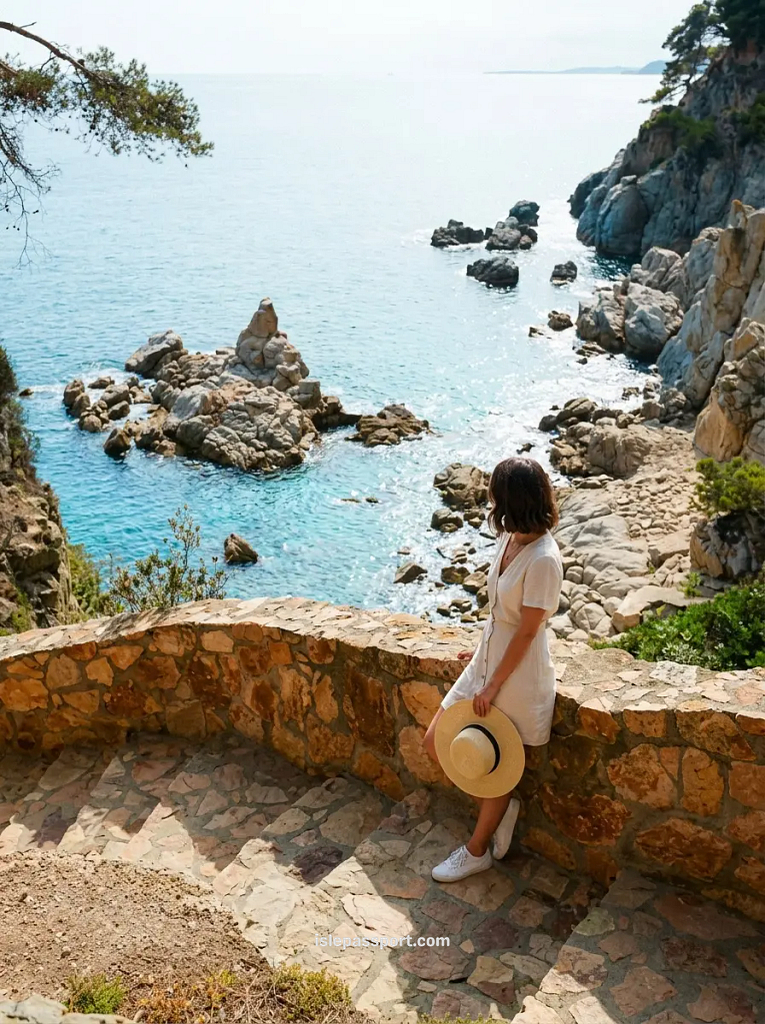
The beach is a naturist beach by tradition, though plenty of non-nudists go. Nobody paid any attention to me either way. There are no facilities at all. I made the mistake of going without enough water the first time and had to cut my morning short to walk back up. Bring more than you think you need.
This is the best beach on this coast in my opinion. I went twice.
Practical info: 2km from Begur village. No facilities on the beach. Walk in via Camí de Ronda from Sa Riera (30 min) or park in residential streets near Platja de Pals. In July and August, use the shuttle from Begur village.
Platja d’Aiguablava (Begur): The Iconic Turquoise Bay
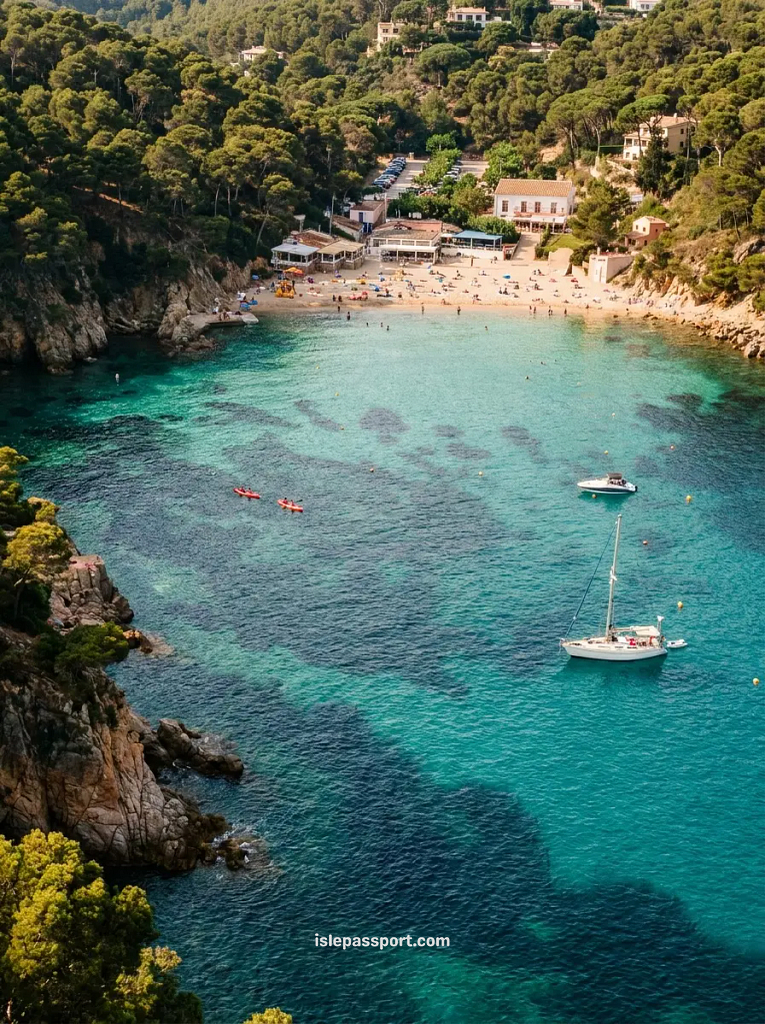
Aiguablava is the beach I would recommend to someone who is not sure about the calas.
It is sheltered, the entry is on sand rather than rocks. The water is a very clear pale turquoise. And there is a Parador hotel on the hillside above with a restaurant that does a good lunch if you want to make a day of it without packing your own food.
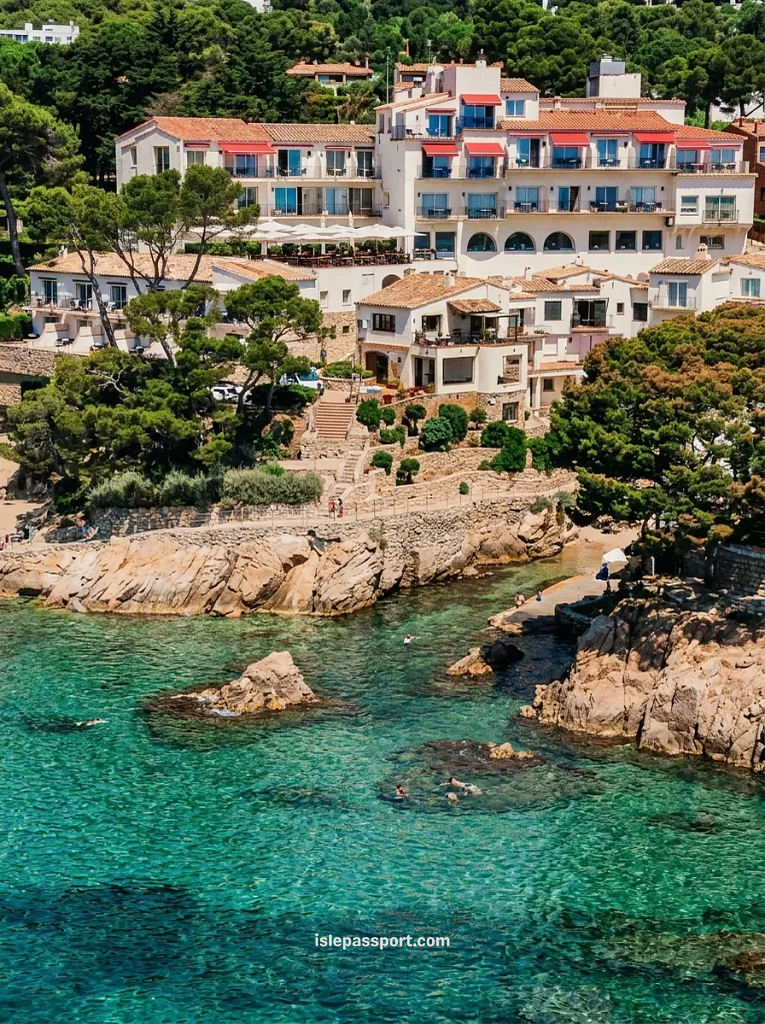
When I went on a Wednesday in late June, the car park was full by 10am. I arrived at 9:30 and just got a space. By midday the beach was at what I would call its comfortable limit. It is the most visited beach on this stretch of the coast and the access reflects that. Paid parking at around €3 per hour, fills fast, no overflow option nearby.
In my experience it is better as a morning beach than an afternoon one. Go early, swim before the crowds arrive, and move on. If you are travelling with people who are not comfortable with the rocky entries at the wilder calas, Aiguablava is genuinely the best compromise on the central coast.
Practical info: 6km from Begur. Paid parking at approximately €3 per hour, fills quickly. Beach bar on site. Parador hotel above the bay with restaurant. Shallow, sandy entry.
Cala Sa Tuna (Begur): Postcard Views and Fisherman’s Charm
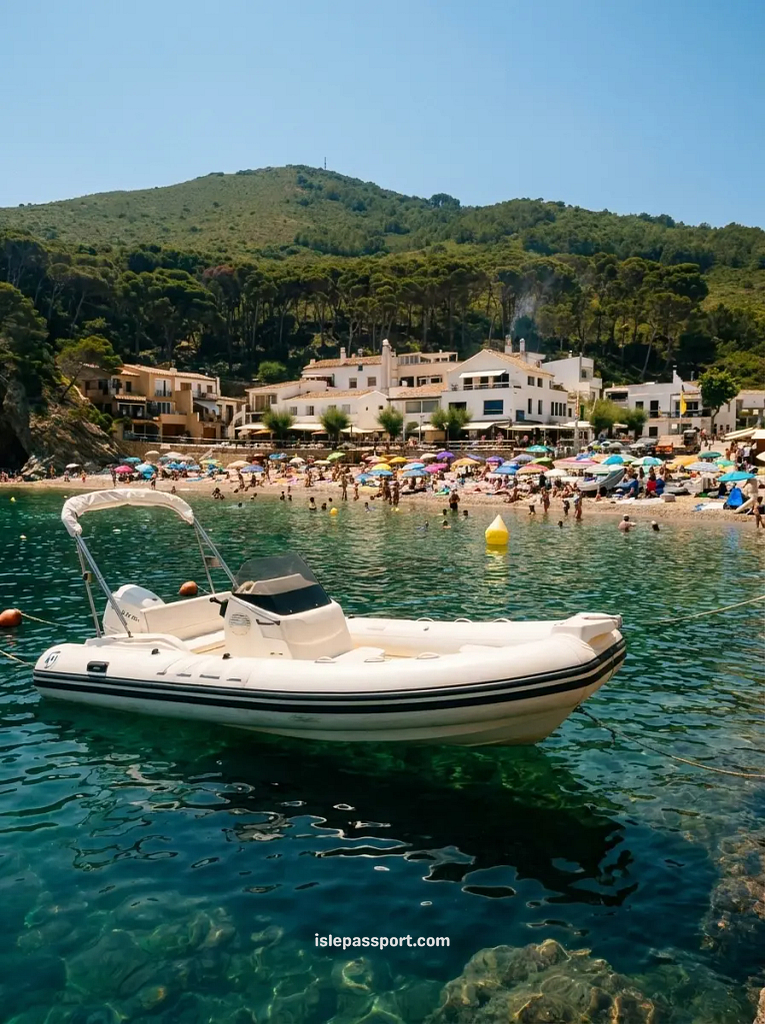
Sa Tuna surprised me. I went because it was close to Begur and I had a few hours on my first afternoon, not expecting much from a small fishing cove.
What I found was a beach with excellent snorkelling off the rocky edges. A single restaurant right on the water that does grilled fish for around €15 to €18 a plate. And an atmosphere that felt genuinely local rather than tourist-facing.
The fishing boats pulled up on the sand are still actually used. I watched a couple of them go out early one morning from the path above. The water at the rocky edges of the cove is very clear. I spotted sea bream and wrasse at about 3 metres down with basic snorkel gear, no difficulty at all.
If I was doing the trip again I would eat lunch at Sa Tuna at least once. The restaurant is not fancy but the fish is fresh and sitting that close to the water after a morning of swimming is hard to beat.
If you want to skip the parking stress entirely, the best way to see the calas is from the water. I highly recommend booking a half-day catamaran or kayaking tour to reach the hidden coves.
Practical info: 5km from Begur. Small car park, arrive before 10am in summer. Restaurant on the beach. Good snorkelling from the rocky edges of the cove.
Platja de Pals (Pals): The Best Sandy Beach
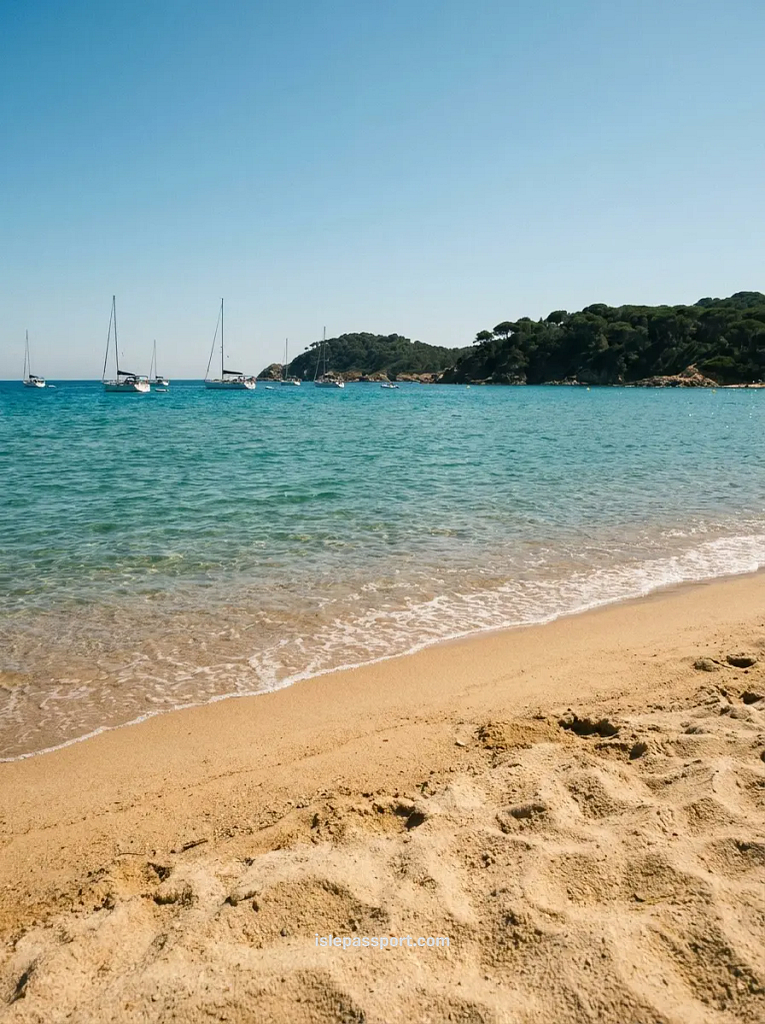
Platja de Pals is the main sandy beach on the central stretch of the coast and I would be lying if I said it was my favourite. It is wide and long, backed by pine trees, and the water is calm and shallow.
It does not have the drama of the calas. But it is genuinely good for families and for anyone who finds the rocky entries uncomfortable. And it is one of the few beaches in this part of Costa Brava where you can spread out even in peak summer.
The trick I learned. The main car park access at the south end of the beach is where everybody goes. Walk 10 minutes north along the sand and the crowd drops off significantly. The water is the same. The beach is the same. There are just fewer people.
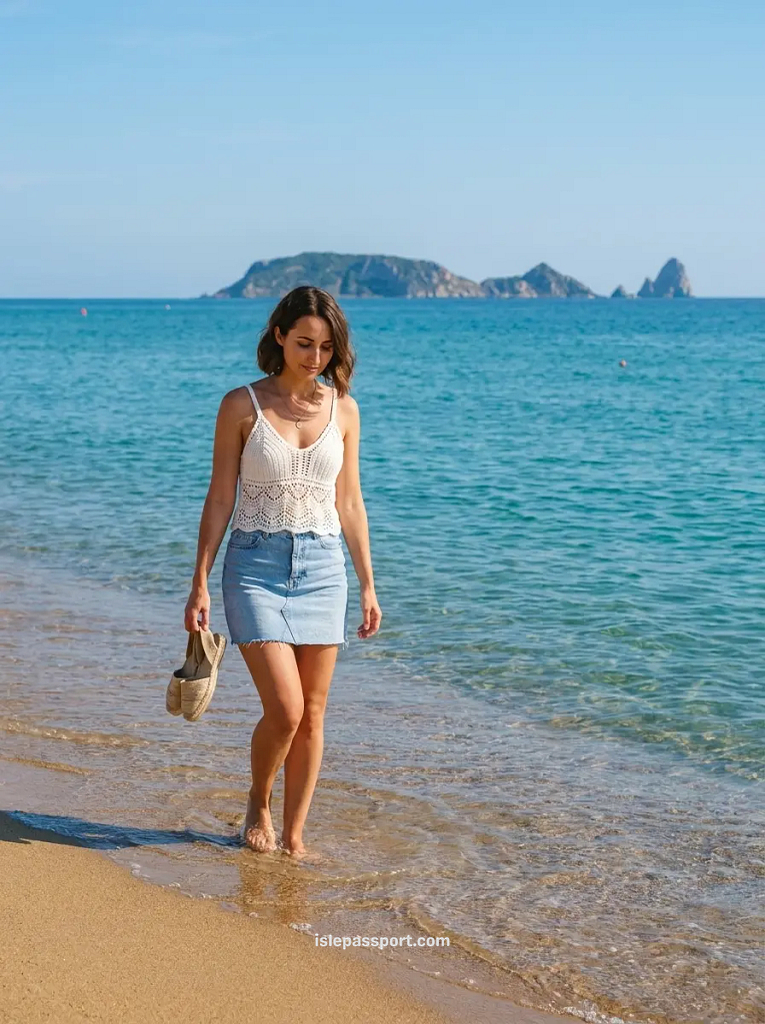
The medieval village of Pals is about 4km inland from here and worth 90 minutes of wandering in the evening when the beach day is done. One of the better dinners I had on the whole trip was in Pals rather than on the coast itself.
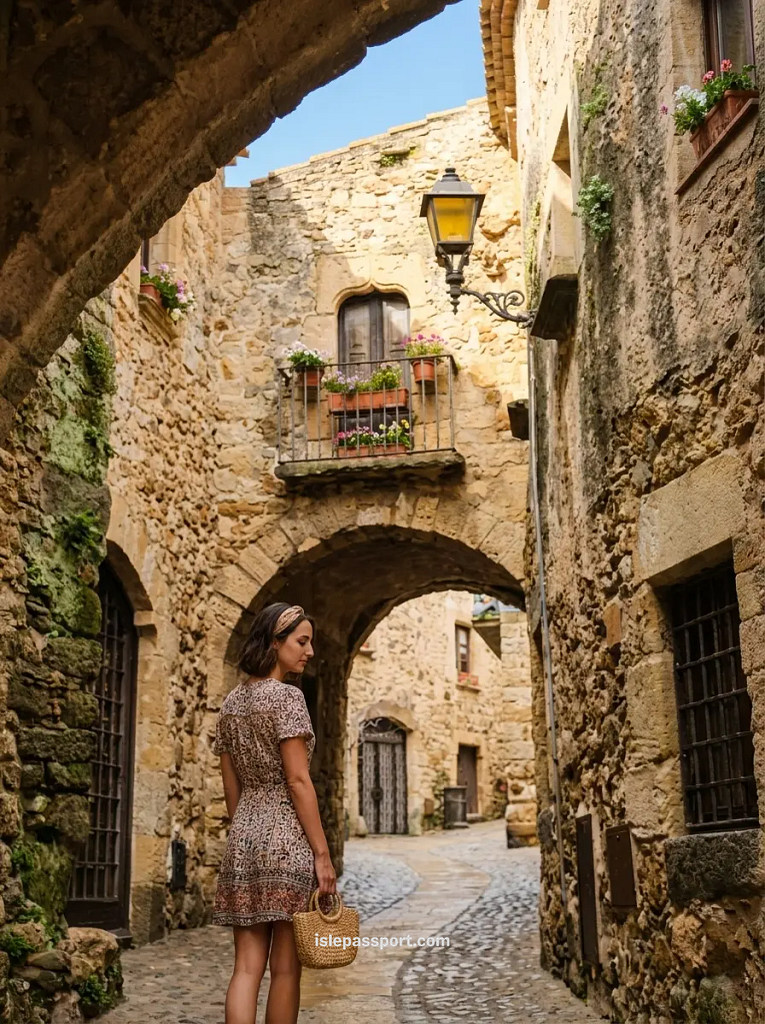
Practical info: About 12km from Begur. Large paid car park. Walk north along the beach to reduce crowds. Water is calm and shallow. The best sandy beach on this stretch of the coast.
Cala Pola (Tossa de Mar): Dramatic Scenery and Pine-Fringed Cliffs
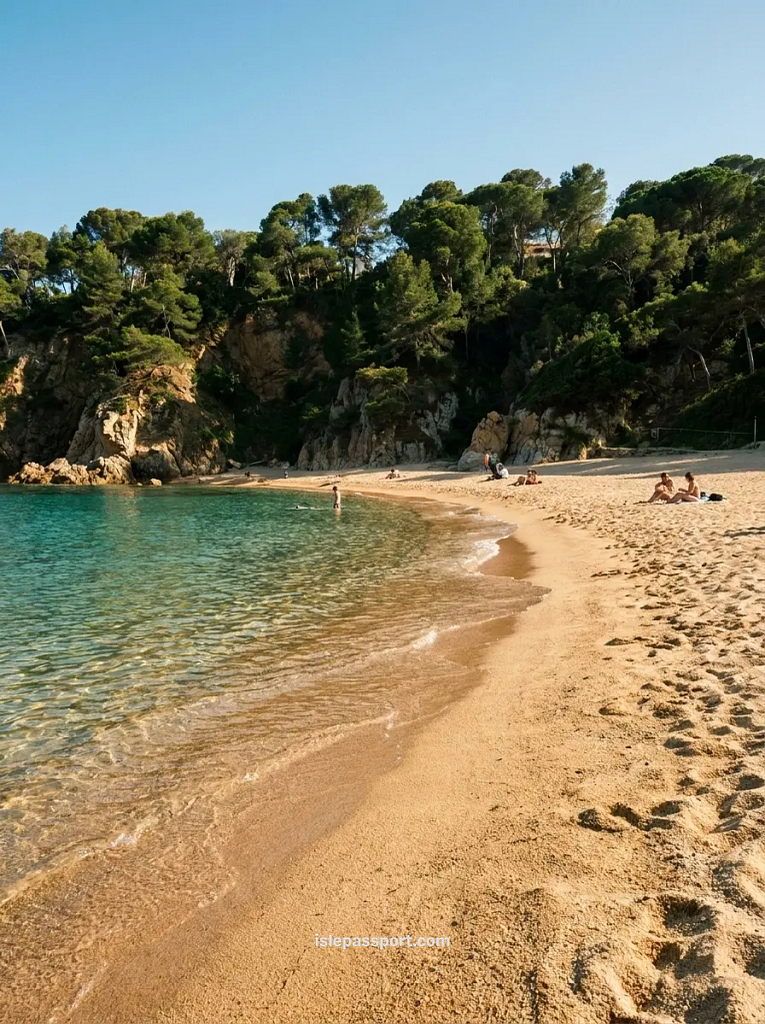
Tossa de Mar is at the southern end of Costa Brava, about an hour from Begur, and I nearly skipped it. I am glad I did not.
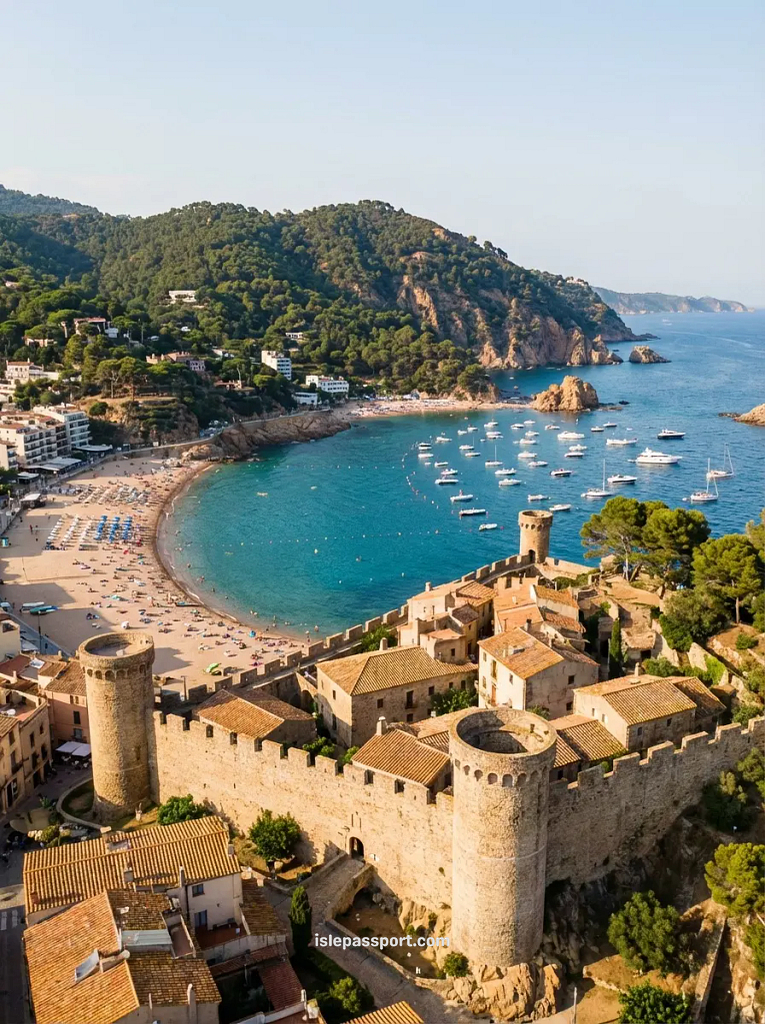
The town beach is sandy, shallow, and sits right below the walled medieval town. Which is genuinely one of the more striking settings on this coastline. But the beach I would actually point you toward is Cala Pola, 4km north of the town.
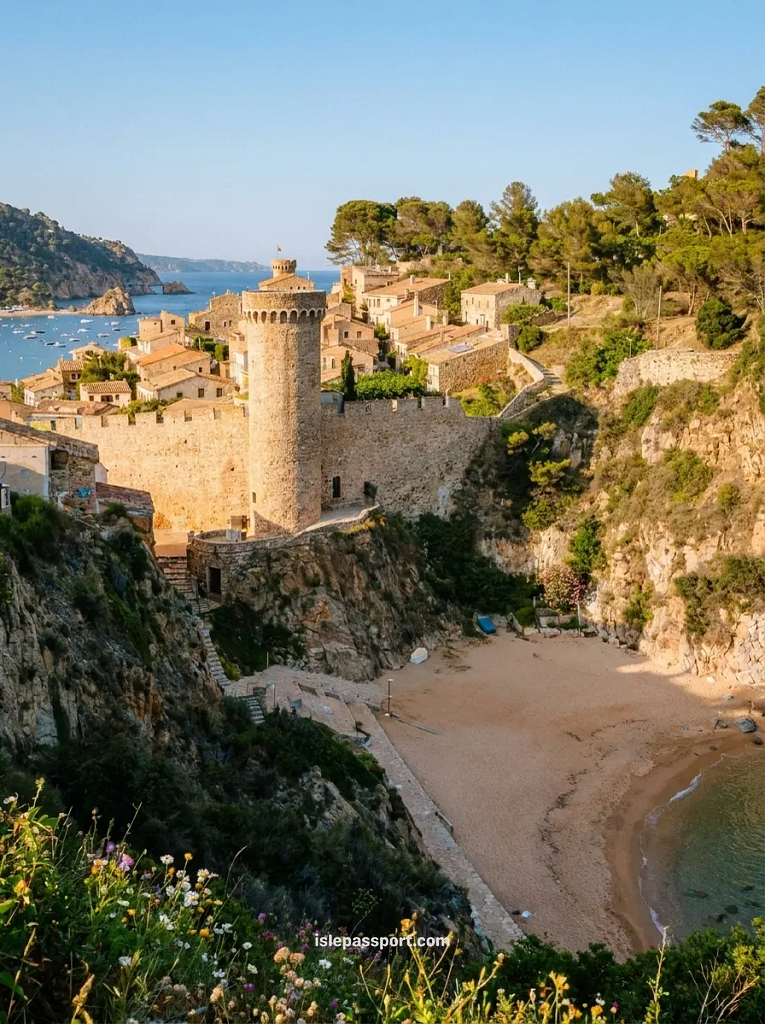
It is a vivid blue cove framed by high cliffs and pine trees. You park on the road and hike down for about 15 minutes, nothing strenuous.
And when you get to the bottom the water is noticeably cleaner than the town beach.
And the cove is small enough that it never reaches the same density of people. There are no facilities. Bring everything you need. The snorkelling on the rocky sides of the cove is excellent.
Practical info: Cala Pola is 4km north of Tossa de Mar. Park on the road and hike down (15 min). No facilities at the cove. Tossa de Mar town beach is sandy and has full services, sun loungers, and restaurants.
Platja del Port Bo (Calella de Palafrugell) and the Camí de Ronda
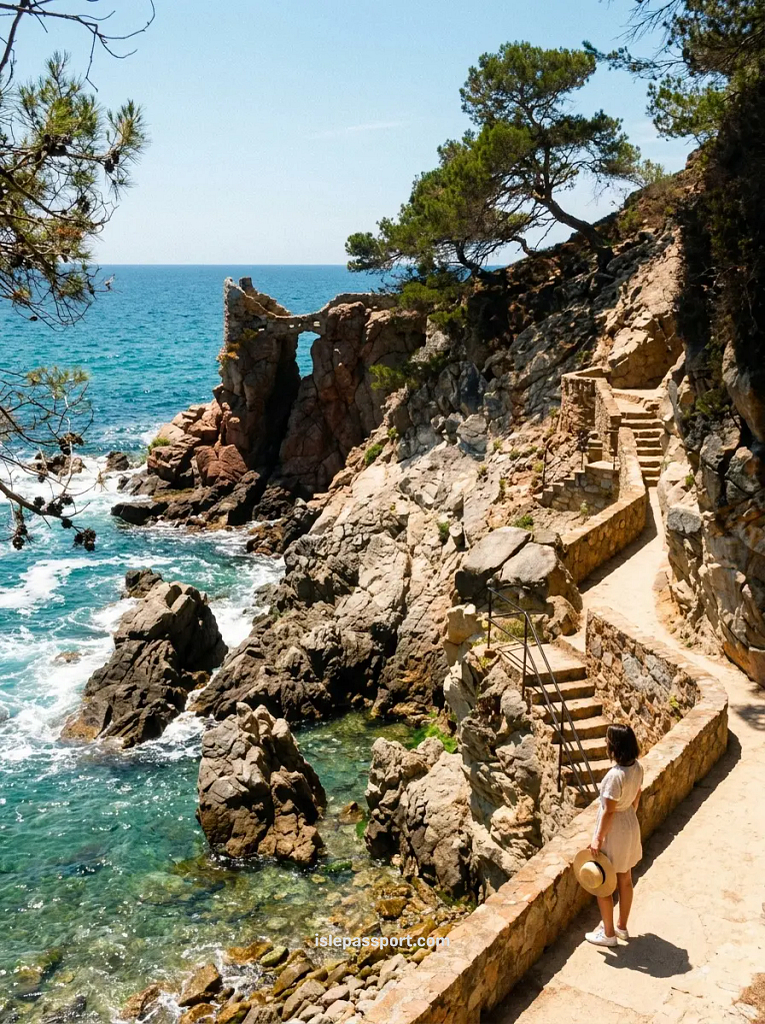
I spent a morning walking the Camí de Ronda between Calella de Palafrugell and Tamariu and it was the best 45 minutes of the whole trip.
The Camí de Ronda is the historic coastal path that runs along the cliff edges between the calas. Originally built so customs officers could monitor smuggling. Today it connects the beaches of the central coast and you can walk between Calella, Llafranc, and Tamariu without a car.
Calella de Palafrugell itself has a very good beach, white-washed buildings right above the water, and several seafood restaurants I would genuinely return to.
Port Bo, the smaller cove at the north end of the village, is less busy than the main beach and better for swimming.
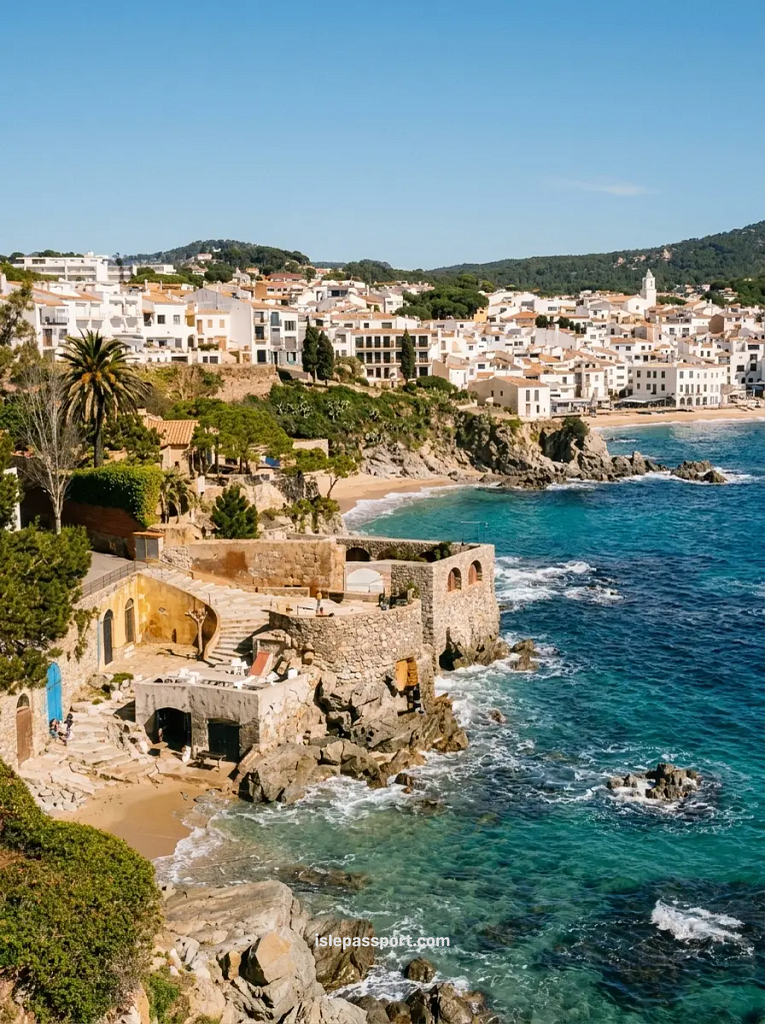
Along the path between the towns, you pass two or three tiny unnamed coves that are not served by roads. Those are my favourite find on this whole stretch of coast, and neither of them appears in any article I read before going.
According to the Generalitat de Catalunya’s official route information, the Camí de Ronda is waymarked throughout and accessible year-round. The section between Calella and Tamariu is the best starting point if you have not walked it before.
Practical info: Calella de Palafrugell, Llafranc, and Tamariu are all within 5km of each other. The Camí de Ronda connects them on foot. Parking is available in each town but fills fast in summer.
Cala Jugadora & Cala Culip (Cap de Creus): Untamed Nature and Snorkelling
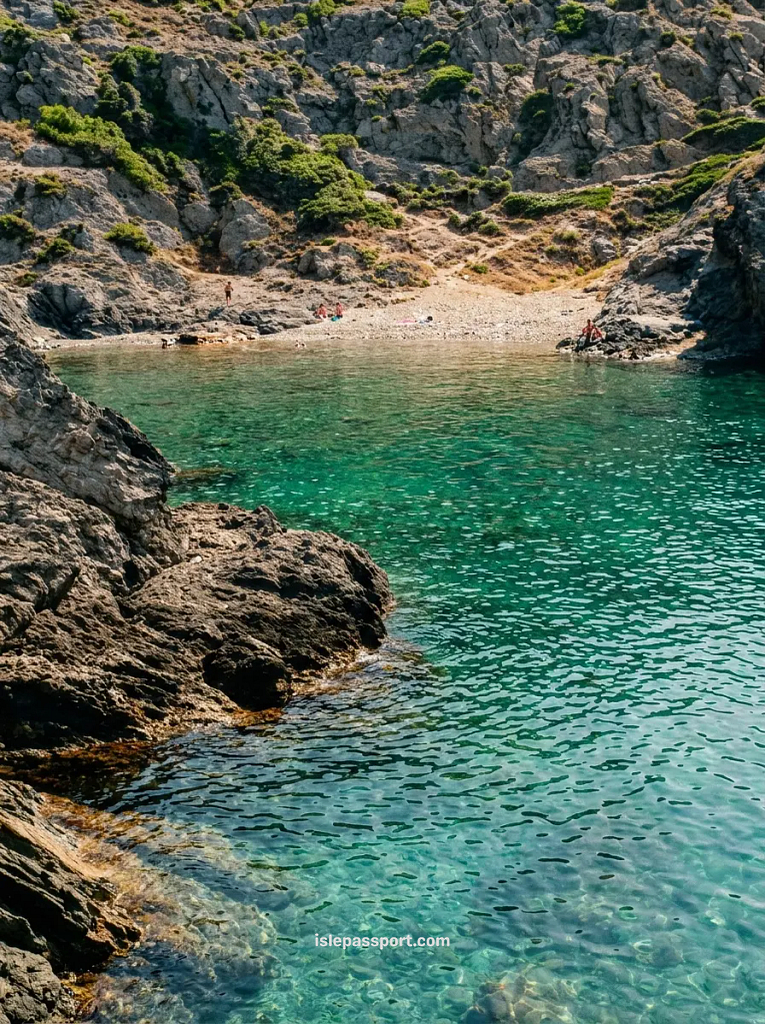
I did not get to Cap de Creus on this trip and I genuinely regret it. Everything I heard from people who did go points to the same conclusion.
If underwater Costa Brava is what you came for, the calas around Cap de Creus Natural Park in the far north are in a different category.
Cap de Creus is the easternmost point of the Iberian Peninsula and a protected marine reserve.
Cala Jugadora and Cala Culip sit just below the lighthouse, 8km from Cadaqués and about 20 minutes by car.
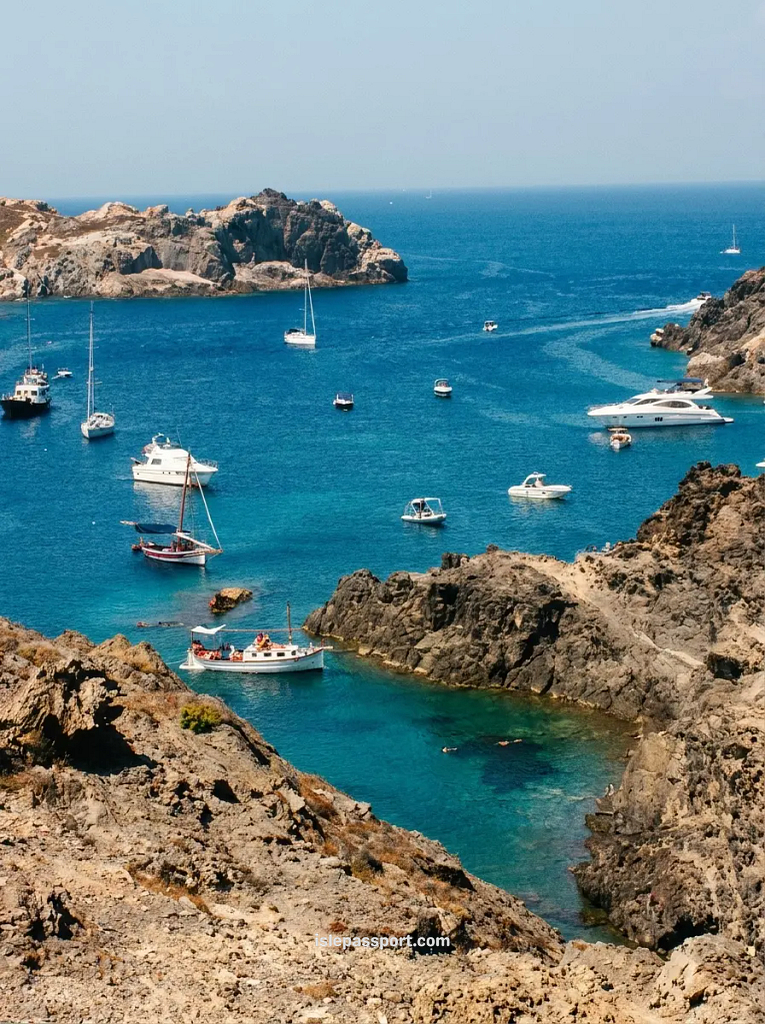
Visibility in summer regularly reaches 10 to 15 metres. Sea bream, wrasse, moray eels, and Posidonia seagrass meadows at 3 to 8 metres depth.
You do not need to be an experienced diver. Basic snorkelling gear is sufficient. Neither cove has any facilities and parking at the lighthouse is very limited, so go early and walk the 10 minutes down to the coves.
The Cap de Creus Natural Park official site has current access information and any seasonal restrictions, worth checking if you are visiting in July or August.
Practical info: Cala Jugadora and Cala Culip are 8km from Cadaqués (20 min drive). Very limited parking near the lighthouse. Walk 10 min down to the coves. No facilities. Best May to September. Water temperature 22 to 26°C in summer.
Other Beautiful Beaches on Costa Brava to Consider
Even with four days of early alarms and coastal walks, I could not hit every single cove. If you have a longer trip planned or are basing yourself further south, there are a few other highly-rated spots that constantly get mentioned by locals and other travellers:
- Platja Fonda (Begur): If you are already checking out Aiguablava, this pristine cove is right nearby. It takes a bit of a walk down a steep set of stairs, but it is beautifully sheltered.
- Playa Cala Sa Boadella (Lloret de Mar): I know I said to skip the main resort area of Lloret, but this nearby cove is the exception. It is regularly called out as one of the most beautiful beaches on the coast, making it well worth the trip and the steep walk down.
- Platja del Castell (Palamós): If you loved the wild, untouched vibe I talked about earlier, add this one to your list. It is a pristine, undeveloped stretch of coastline flanked by lush pine forests.
- Cala Sa Conca (Castell-Platja d’Aro): Set inside a sheltered cove, the rocky sides here create fantastic, clear conditions for snorkeling.
- Cala Treumal (Blanes): Located in the Pinya de Rosa nature reserve, this enclave perfectly blends rocky outcrops, fine sand, and lush pine trees into a natural paradise.
Best Beaches on Costa Brava Compared
| Beach | Type | From Begur | Best For | Facilities |
|---|---|---|---|---|
| Cala de l’Illa Roja | Coarse sand, red rock cove | 2km | Swimming, early mornings | None |
| Aiguablava | Fine sand, sheltered bay | 6km | Families, easy access | Bar + Parador |
| Sa Tuna | Coarse sand, fishing cove | 5km | Snorkelling, lunch | Restaurant |
| Platja de Pals | Long sandy beach | 12km | Families, calm water | Cafés + bars |
| Platja Fonda | Dark pebbles, sheltered | 5km | Pristine swimming, avoiding crowds | None |
| Platja del Castell | Fine sand, nature reserve | 20km south | Wild scenery, pine forests | Parking |
| Cala Sa Conca | Coarse sand, rocky edges | 25km south | Snorkelling, clear water | Showers + Bar |
| Cala Pola | Rocky cove, pine cliffs | 60km south | Snorkelling, views | None |
| Tossa de Mar Beach | Sand & pebble | 60km south | Families, town amenities | Full services |
| Playa Cala Sa Boadella | Sand, dramatic cliffs | 65km south | Beautiful scenery | Beach bar |
| Cala Treumal | Fine sand, rocky outcrops | 65km south | Natural paradise vibes | Kiosk |
| Calella de Palafrugell | Coarse sand, sea wall | 20km south | Walking, dining, cala access | Full services |
| Port Bo | Coarse sand, small town cove | 20km south | Quiet swimming, boat views | Town amenities |
| Cala Jugadora | Rocky, wild, protected | 80km north | Snorkelling, boat watching | None |
| Cala Culip | Rocky, wild, protected | 80km north | Deep-water snorkelling | None |
📌 Distances are approximate driving distances from Begur and can vary depending on your exact route.
Do I need a car to reach the best beaches in Costa Brava?
Yes. I rented a car for two of my four days in Begur and it changed what was accessible. The best calas are not on bus routes. The buses between the main towns exist but they are infrequent and do not reach the access points for the coves worth visiting.

In July and August Begur runs shuttle buses to a few of the nearest calas, but the service is seasonal and limited.
I used a car for the mornings when I wanted to reach the more remote beaches by 9am, then left it parked and walked the Camí de Ronda for the rest of the day.
That combination worked well. Without any car at all, you are essentially limited to the beaches walkable from wherever you are based. Which in Begur means Sa Riera, parts of the Camí de Ronda, and whatever is on the shuttle route.
If you are flying into Barcelona and driving up, the AP-7 motorway takes you to Begur in about 1.5 to 2 hours depending on traffic. I would not attempt this coast without a car for at least part of the trip.
Getting to the Calas from Barcelona and Girona
If you are flying in, you have two main choices. Flying into Girona puts you right on the doorstep of the coast. It is only about a 45-minute drive straight to Begur, making it incredibly easy.
Most people, however, travel through Barcelona. Driving up from Barcelona via the AP-7 motorway takes about 1.5 to 2 hours depending on traffic. I highly recommend making the drive; relying on public transit from Barcelona to the hidden calas will easily eat up half your day.
Which Costa Brava beaches are best for families?
Three options I would actually recommend, in order:
Tossa de Mar town beach is the most reliable. Sandy, shallow, calm water, the medieval castle wall right behind the beach. Children can build sandcastles and there are restaurants and ice cream within 50 metres. It gets busy but is large enough to absorb the numbers.
Aiguablava works well if you want the look of a Costa Brava cala with an easier entry. The sand goes down to the water rather than rock, the bay is sheltered, and the depth increases gradually. The Parador above means you do not have to pack everything.
Platja de Pals for families who need more space and calmer water. It is not as visually dramatic as the calas but it is genuinely spacious, especially if you walk north from the main car park. Good for young children who need to run.
Is the snorkelling in Costa Brava actually worth it?
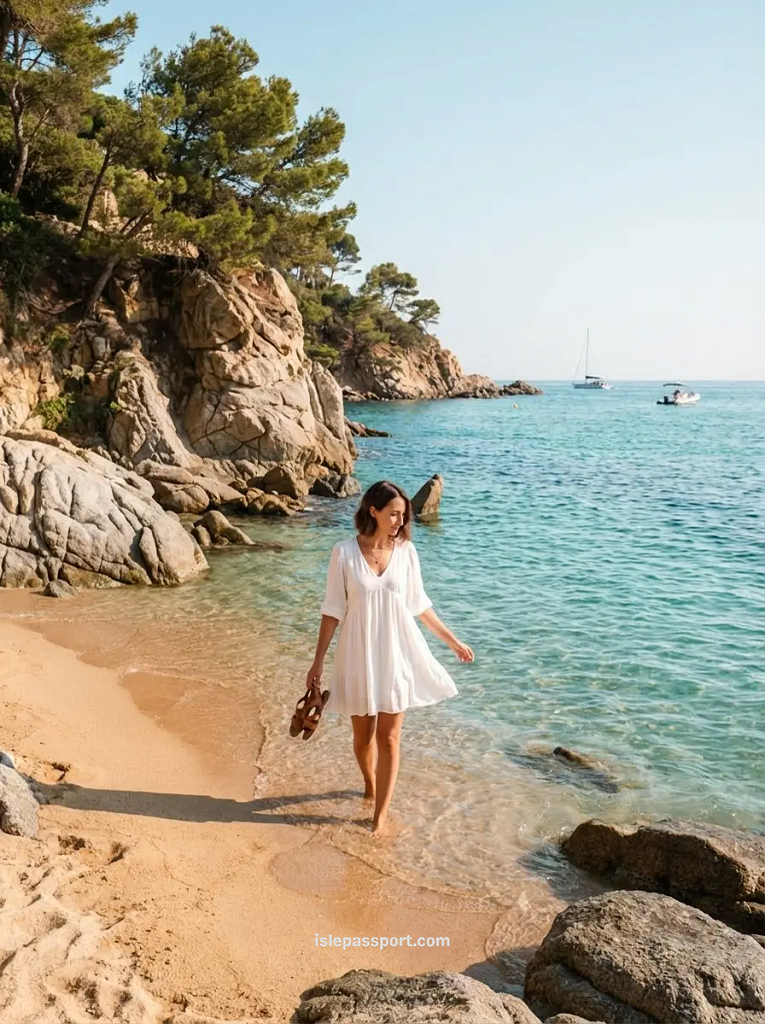
It genuinely is, and it was the thing that surprised me most about this coast.
At Sa Tuna I was snorkelling within 10 minutes of arriving and the seabed was interesting enough to keep me there for over an hour.
Seagrass, rocky formations, sea bream that were not particularly bothered by me, and visibility that meant I could see clearly at 4 to 5 metres without any effort. I was not expecting that from a beach I had stopped at almost by accident.
The water clarity here is genuinely different from most of the coastline I have swum along in Spain. If you want a sense of where it sits in comparison to the broader range of coastal swimming spots I have covered across Spain, that piece goes into more detail.
The rocky cala coastline, the absence of major rivers emptying sediment into the sea, and the protected marine areas all contribute.
You do not need to go to Cap de Creus to have a good underwater experience. Though if snorkelling is specifically the point of the trip, that is where you want to be.
Water temperature in summer runs 22 to 26°C. No wetsuit needed from June through September.
If you want to experience the best underwater spots without the headache of early morning alarms and fighting for parking spaces, the smartest way to do it is from the water. Here are a few highly-rated catamaran and snorkelling trips that take you straight to the hidden calas.
What I would do differently
I spent my first afternoon at Aiguablava because it was the closest well-known beach to Begur. And I arrived at around 2pm after a long drive.
The car park was nearly full, the beach was at capacity, and I ended up sitting further back on the sand than I would have liked. Not a bad afternoon, but not what I had driven to Costa Brava for.
What I learned over the following three days.
Every good cala on this coast has a window between about 8am and 10am when it is at maybe a third of its peak capacity.
After 10:30 the car parks fill, the paths down to the water get busy. And the beaches that feel wild and quiet in the morning start to feel like somewhere else entirely.
I would skip Aiguablava on a second trip if I arrived in the afternoon and go to Sa Tuna instead. Where the smaller car park and longer walk keep the numbers more manageable throughout the day.
The beaches of Costa Brava reward the early morning more than any other coast I have visited.
Where to Stay Near the Best Calas
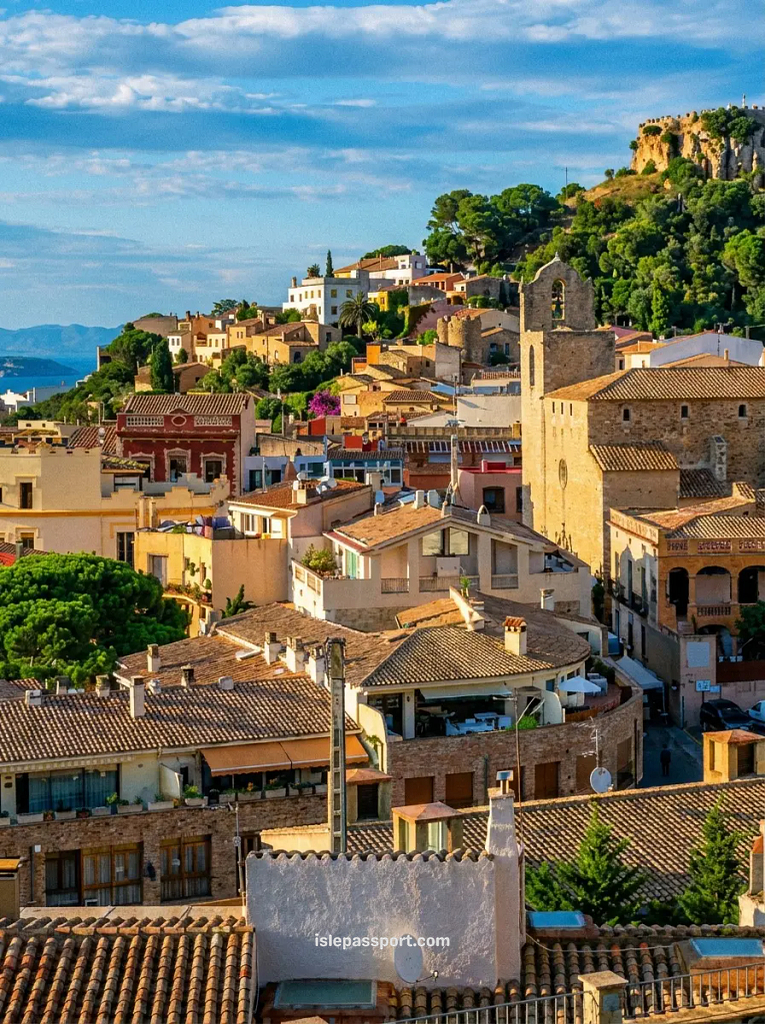
Begur is where I would base myself again. It is a real village on a hilltop with a ruined castle, good restaurants, a butcher and a market. And absolutely no resemblance to a resort town.
The calas are 3 to 10km below it in every direction. In the evenings there are people eating dinner rather than stumbling between bars. It felt like the right kind of place to be after a day at the beach.
If you want a full breakdown of how Begur stacks up against places like Cadaqués or Calella, take a look at my guide to the best coastal towns in Costa Brava..
Hotel Aiguablava
This is the Parador sitting directly above Aiguablava cove. I would book this for a trip where the specific location really matters.
You wake up with the bay directly below you and can walk down to the water in 10 minutes. The restaurant also does a fantastic fixed lunch menu using local catch.
→ Check current rates and availability at Hotel Aiguablava
El Convent de Begur
A boutique hotel set in a converted convent right in the village, walking distance from the restaurants and the castle. This is a much better option than staying at the beach if you want to eat well in the evenings without getting back in the car.
The roads between the calas and the village are narrow and winding, and I preferred not to drive them after dark.
→ Check current rates and availability at El Convent de Begur
Family Villa Rentals
If you are travelling with a family or a group and need a kitchen and more space, Begur and the surrounding hills are packed with beautiful rental homes.
→ Browse family villas and apartments in Begur
If the rugged, pine-forested character of this coast appeals to you more than the packed southern resorts, there is a similar vibe on the Atlantic-facing coastline further west.
I have covered those wilder spots in my guide to the best beaches in Northern Spain for anyone heading in that direction next.
Need help planning your Costa Brava trip?
If you are trying to work out how many days to spend where, which calas to prioritise based on when you are going. And how to structure the drive from Barcelona, I offer personalised trip planning.
I build custom day-by-day plans for travellers visiting the Catalan coast and surrounding regions. Send me the details of your trip and I will put something together.
You can find out more about how the planning service works and what it includes.
Questions I get asked about Costa Brava beaches
What is the most beautiful beach in Costa Brava?
If I had to pick just one, it is Cala de l’Illa Roja. The sheer drama of walking down the cliff path to find that massive red rock sitting in incredibly clear, still water is hard to beat.
If you prefer a sandy entry and more facilities, Aiguablava is easily the most beautiful of the more accessible coves, with water that genuinely looks like a swimming pool.
What is the nicest part of Costa Brava?
The central section around Begur and Palafrugell is the absolute sweet spot. This is where you find the iconic pine-fringed calas, historic fishing villages, and the Camí de Ronda coastal path.
The southern part of the coast (like Lloret de Mar) is heavily developed for package tourism and party crowds, which is a completely different vibe.
Are there sandy beaches in Costa Brava?
Yes, but they aren’t the norm! Most of the famous “calas” (coves) are made of coarse gravel, pebbles, or flat rocks.
If you specifically want soft sand, you need to head to Platja de Pals (a massive, wide stretch of sand) or the town beach at Tossa de Mar, which sits right below a spectacular medieval castle.
Is Costa Brava nicer than Costa del Sol?
Honestly, it depends entirely on what you want from a beach trip. I prefer Costa Brava because it is wilder, more rugged, and the water clarity is unmatched. But you absolutely need water shoes and a willingness to hike down a few cliffs.
Costa del Sol is much flatter, heavily developed, and all about wide sandy beaches and resort lounging. They are just two completely different experiences.
When is the best time to visit Costa Brava beaches?
Late May and June are the best months in my experience. The water has warmed to 20 to 22°C, the car parks are not at capacity, and underwater visibility is at its clearest.
September is almost as good and in some ways better. The crowds thin noticeably after mid-August, the water is still warm at 22 to 24°C, and the evenings are longer and cooler.
July and August are manageable if you go early and choose less-visited calas, but the famous spots fill up by mid-morning.
Costa Brava in September is genuinely one of the better versions of itself. If that slower pace interests you, I have put together a list of other quiet Spanish coastal towns that hold up perfectly once the summer crowds go home.
A quick note on late summer swimming: August waters can occasionally bring small jellyfish to the coast. It is nothing to panic about, just check the local beach flags before you jump in. A green flag means you are completely fine.
Can I walk between the Costa Brava beaches on the Camí de Ronda?
Yes, and I would plan at least one morning around this rather than driving between beaches.
The section between Calella de Palafrugell and Tamariu takes about 45 minutes. And passes tiny unnamed coves that are not reachable by road and not covered in any article I read before going.
The path is waymarked throughout according to the Generalitat de Catalunya’s official Camí de Ronda route information and is accessible year-round. It is genuinely one of the best things about this coastline and most people with a car never discover it.
Are Costa Brava beaches very crowded in July?
The most popular ones are, yes. Aiguablava and Illa Roja are at comfortable capacity by late morning in July. What works: arrive before 9am, or reach the beach on foot via the Camí de Ronda rather than driving directly to it.
The calas that are only accessible on foot stay noticeably quieter throughout the day because the walk filters out the casual visitor. August is harder than July. If you are going in August and want space, the beach has to be either very early or accessible only on foot.
Do I need water shoes for Costa Brava beaches?
For the calas, yes. The entry and exit is typically across coarse pebbles or flat rock and bare feet are uncomfortable for most people.
On Platja de Pals or the town beach at Tossa de Mar, you do not need them.
I brought a pair for the whole trip and wore them every day at the rocky coves without exception.
Are there dog-friendly beaches on Costa Brava?
A few, mostly outside peak season. Most of the main calas prohibit dogs between June and September.
The beaches around Estartit and the northern Bay of Roses area tend to have more options. And Platja de la Gola del Ter near Estartit is one of the consistently dog-friendly stretches on the central coast.
Rules vary by municipality and can change between seasons so I would check the current information on the Visit Costa Brava official site before travelling with a dog.
Before You Go..
Costa Brava is the Spanish coast I would actually go back to, and I do not say that about many places.
The water is different from most of the Mediterranean. Genuinely clearer, colder, and more interesting to swim in.
The calas between Begur and Palafrugell take a bit of effort to reach and reward that effort clearly.
Get a car for at least two days, set your alarm early, and do not feel obligated to hit every beach on any list including this one. An early morning at Illa Roja and a long lunch at Sa Tuna is honestly enough.
If Costa Brava is just one stop on a bigger trip, or you are still deciding which part of the country fits your vibe best, head over to my complete guide to coastal Spain. It covers how this rugged stretch compares to the rest of the mainland and where to head next.
Before You Book: The Tools I Actually Use
I only link to tools and platforms I’ve personally used and would use again. If you book through my links I earn a small commission at no extra cost to you — which helps me keep writing these guides.
Sort by guest rating above 8.5 and check the map view before confirming.
Book as soon as you confirm flights. Summer prices in the islands rise fast.
Routes sell out in July and August. Book early for Spanish islands.
Boat tours, kayaking, guided hikes. Morning slots go first.
I never travel without it — covers illness, cancellations, and lost luggage.
The easiest way to move between coastal towns without a car. Prices rise closer to departure.
💛 Loved this guide?
If it helped you plan your trip or discover somewhere new, you can help me create the next one. Every guide is free to read, independently researched, and made with travellers like you in mind.
