
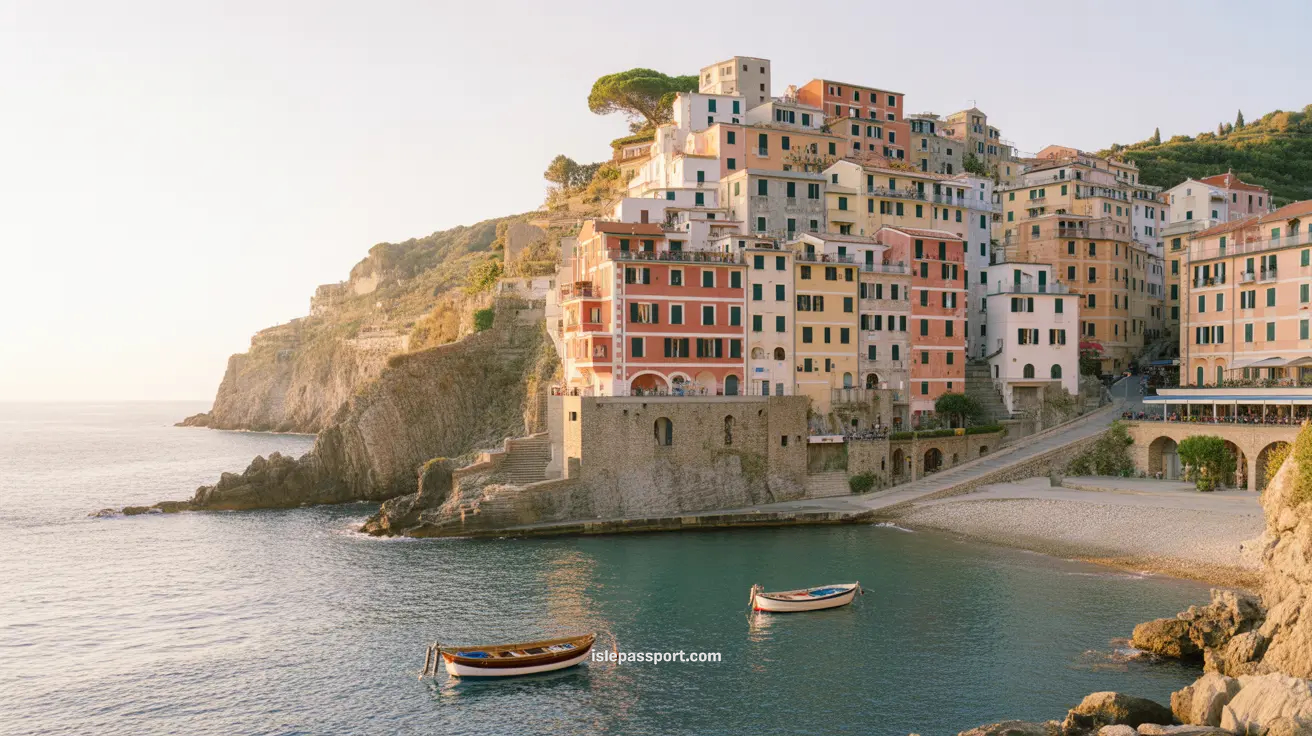
15 Best Italian Coastal Towns: The Complete 2026 Guide

☕ Reader-supported. Every guide is free to read, with no sponsored recommendations. If Isle Passport helps you plan better trips, you can help create the next guide.
When I first started exploring Italy’s coastline, I didn’t realize how overwhelming the choice would be.
Everyone talks about the Amalfi Coast or Cinque Terre. But Italy has over 7,600 km of coastline. A lot of the most beautiful Italian coastal towns aren’t the ones plastered all over Instagram. And some of the famous ones are genuinely not worth the trouble.
If you’re here, you’re probably trying to figure out which are the best coastal towns Italy actually offers. Not the overcrowded ones. Not the overpriced ones.
Maybe you’re planning a family trip and need somewhere easy with calm beaches. Maybe you’re traveling with a partner and want something quiet and romantic.
Or maybe you’re thinking about moving abroad and want to know the best coastal towns in Italy to live without spending a fortune.
I get it. I’ve been through all of it.
Over the last few years I’ve traveled through Italian coastal towns from Liguria to Sicily. Some felt too busy.
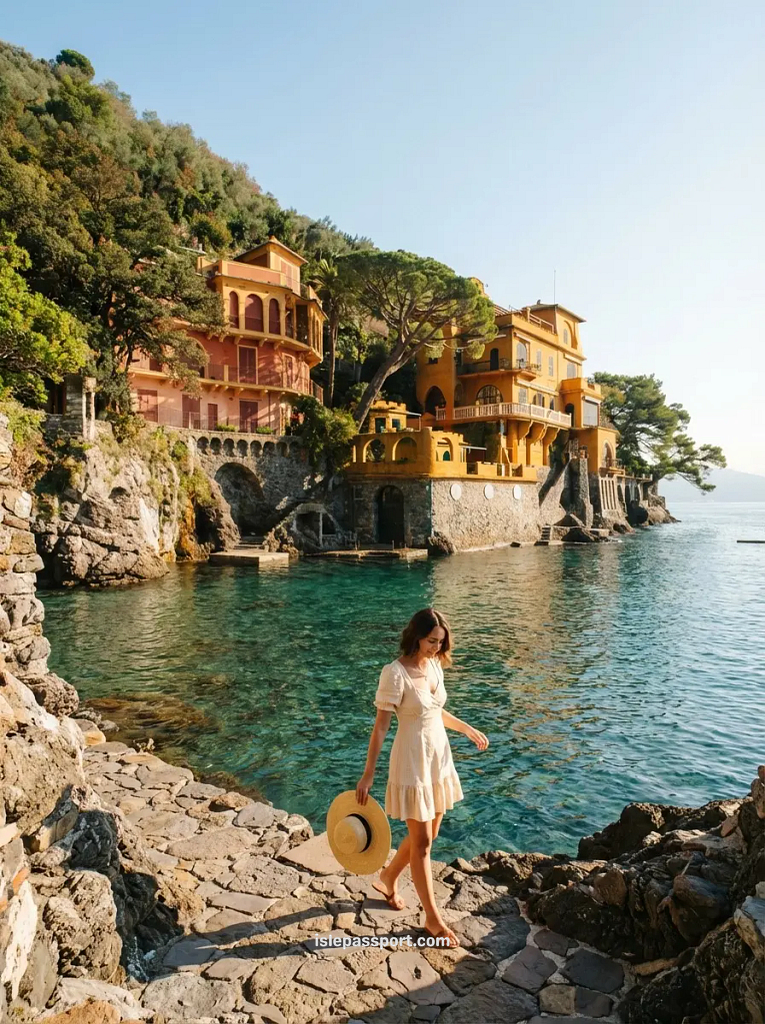
Some felt made entirely for tourists. And some felt genuinely special. The kind of places where you slow down, walk everywhere, get extraordinary food without trying too hard, and actually enjoy the coast without being shoulder-to-shoulder with strangers.
So in this post I’m sharing 15 Italian coastal towns I’d personally recommend for 2026. Each one is here for a specific reason. Either it’s great for families, ideal for couples, budget-friendly, worth a long stay, or just a place where life feels real rather than staged.
I’ve also included an Italy coastal towns map below so you can see exactly where everything sits. Really useful if you’re trying to stay near Rome or Florence, or if you want to visit more than one region in the same trip.
Quick Picks: Best Italian Coastal Towns by Traveler Type
Here’s the cheat sheet. Find what fits your trip, then read the full section below.
| Category | Coastal Town | Region |
|---|---|---|
| Best for Couples | Positano | Amalfi Coast |
| Best for Families | Viareggio | Tuscany |
| Best for Retirees | Cefalù | Sicily |
| Best for Budget Travelers | Polignano a Mare | Puglia |
| Best near Rome | Sperlonga | Lazio |
| Best near Florence | Castiglione della Pescaia | Tuscany |
| Most Beautiful Town | Manarola | Cinque Terre |
| Quietest Town | Porto Ercole | Tuscany |
| Best for Luxury Travelers | Portofino | Liguria |
| Best Island Town | Alghero | Sardinia |
💡 Use this as a starting point, then scroll down for detailed guides to each town.
Some of these iconic spots can get pricey fast. If you’re looking at this list and feeling the budget pressure, I put together a separate post on cheap coastal towns in Italy that give you all that Mediterranean magic for a fraction of the famous-name prices.
Italy’s Coastal Towns Map
Before reading about each town, open the map. Italy’s coast can feel confusing when you first look at it. Everything seems close on paper but in real travel time it’s not.
The Italy coastal towns map below shows exactly where each of the 15 towns sits. I’ve split them into categories so you can see at a glance which ones suit which kind of trip.
If you want a bigger picture view before choosing a region, my piece on Italy’s coastlines explained breaks down every coast from Ligurian to Ionian so you can see how each part actually feels on the ground.
The 15 Best Italian Coastal Towns in Detail
All 15 towns are explained in detail. I’ll tell you exactly what each one is best for, what to expect, the best time to go, and a few small tips I learned from being there myself.
1. Positano – The Amalfi Coast Town That Delivers (If You Time It Right)
- Location: Amalfi Coast, Campania
- Getting there: Ferry from Sorrento (25 min) or Salerno (50 min)
- Best time: May, early June, September
- Crowds: Very high July-August. Completely different in May and September.
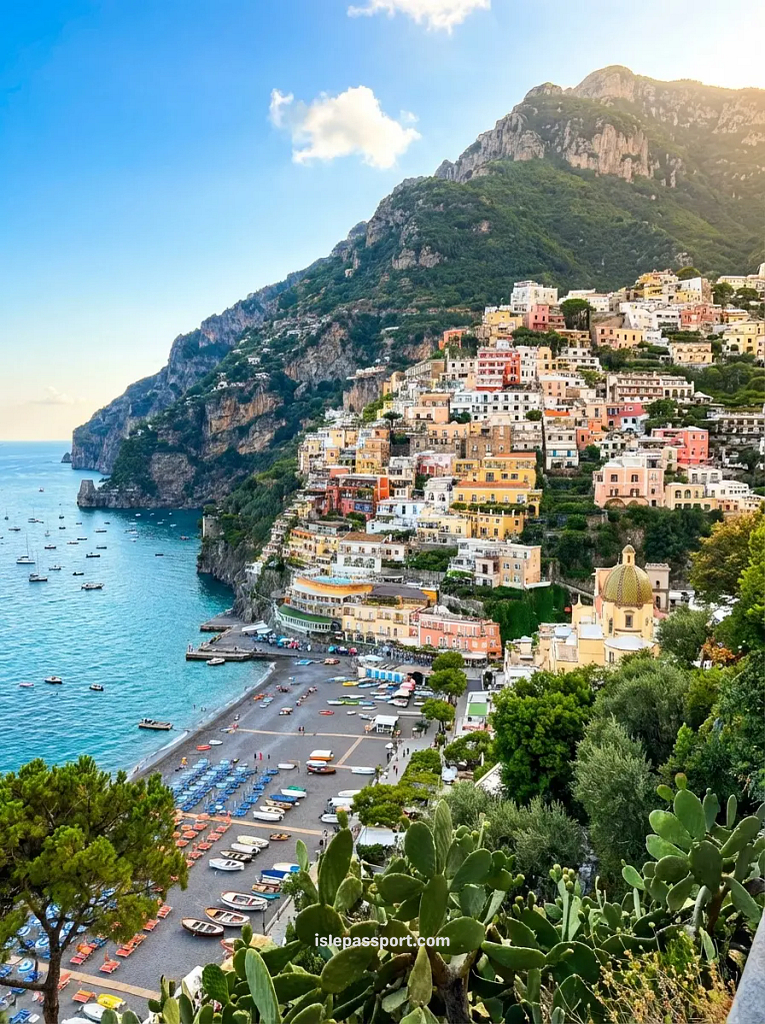
Positano earns its reputation. I’ve visited four times and it still looks slightly unreal on arrival. Stacked pastel houses above Spiaggia Grande, fishing boats in the shallows. The hillside covered in lemon groves, the sea an improbable blue behind everything.
There’s a reason it became the most photographed town on the Amalfi Coast and it’s not just clever marketing.
I arrived by ferry from Sorrento on my last visit, which is the only sensible approach. You come around the headland and the whole town appears at once. Walking off the boat at sea level, looking up at the houses climbing the cliff, is one of the genuinely great arrivals in Italian travel.
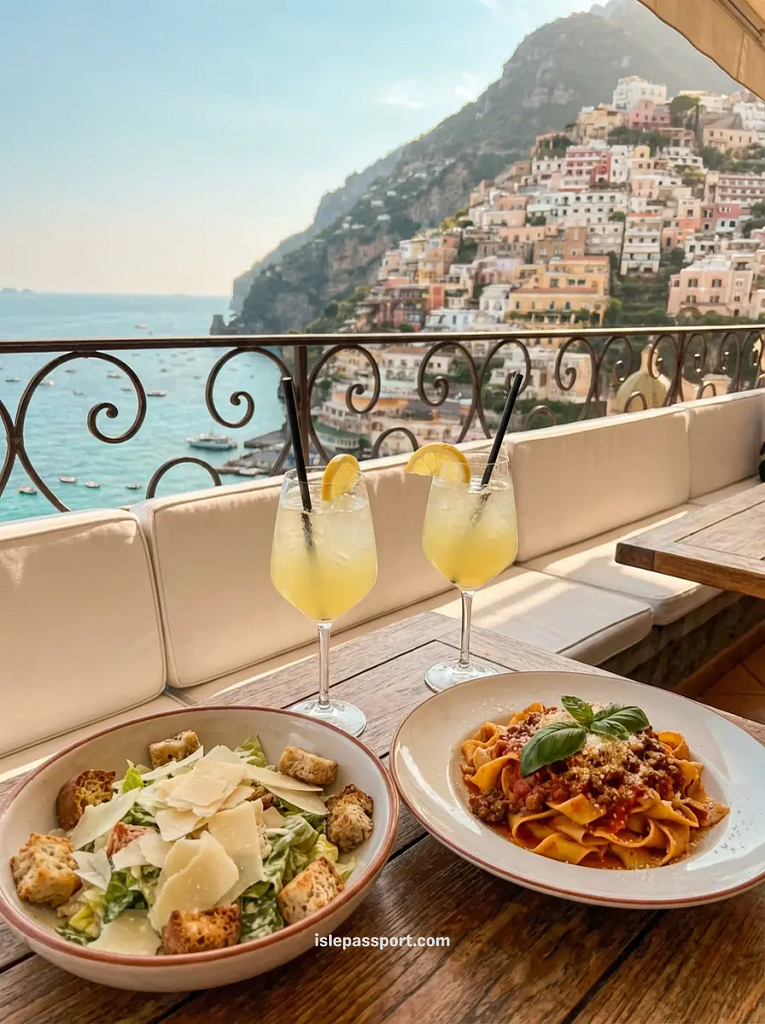
Here’s what nobody tells you upfront. Positano in July is exhausting. Spiaggia Grande fills with sunbeds by 9am and they cost €30 each. Via dei Mulini becomes a slow shuffle of tourists by mid-morning. A plate of pasta at most places on the main strip runs €28-32.
In August I watched a couple spend 40 minutes finding their accommodation entrance. Hidden up 200 steps through a gate that looks like a private door. In 35-degree heat. They were not having a romantic time.
The right move for most people is basing in Sorrento and taking the ferry here for a day or two. You get Spiaggia Grande in the morning before the crowds pile in.
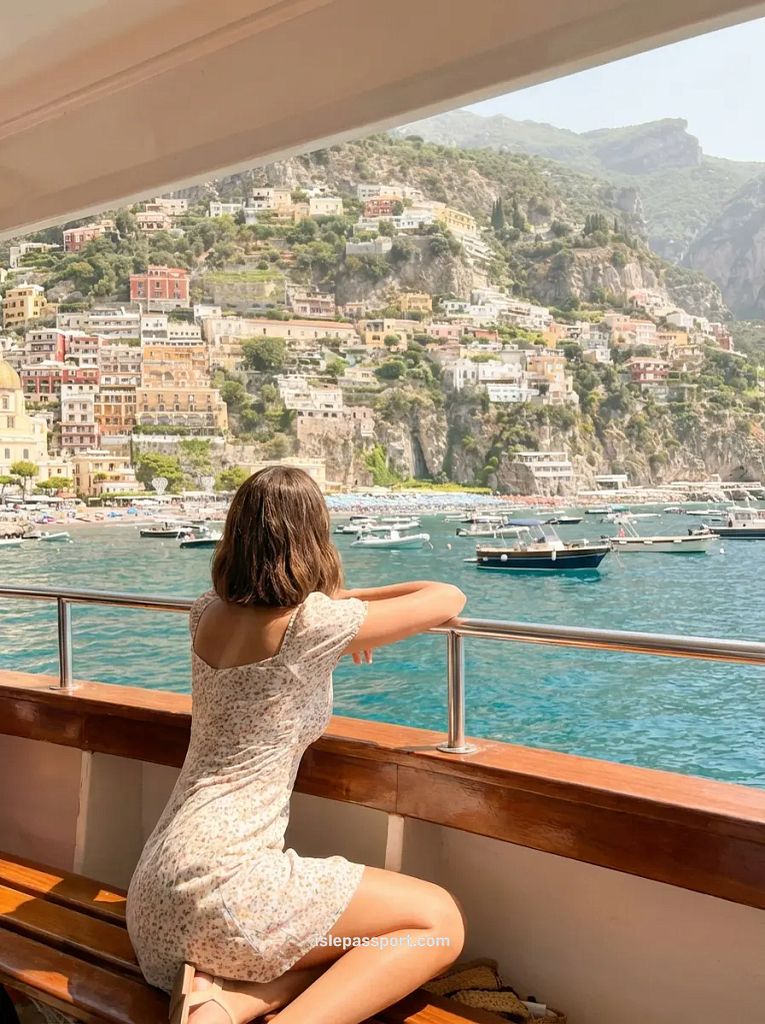
Then a boat trip out to Fornillo Beach, which is calmer, less polished, and better for actually swimming. Lunch somewhere with a view. La Tagliata up in Montepertuso is worth the drive up the hill, prices are reasonable and the pasta is extraordinary.
Then the sunset from the steps of the Church of Santa Maria Assunta. That’s the full experience, and you sleep somewhere you can afford.
If you do stay in Positano itself, skip the seafront hotels and look at the places tucked into the hillside above town. They’re quieter, often cheaper, and the walk down to the beach wakes you up properly.
Best for couples: Yes, emphatically, in May or September. One of the iconic beach towns in Italy for couples. But only at the right time of year.
2. Manarola – Most Photogenic Village in Cinque Terre
- Location: Cinque Terre, Liguria
- Getting there: Train from La Spezia (12 min) or Genoa (1h 20min)
- Best time: May, September
- Crowds: High in summer. Arrive before 9am or after 6pm.
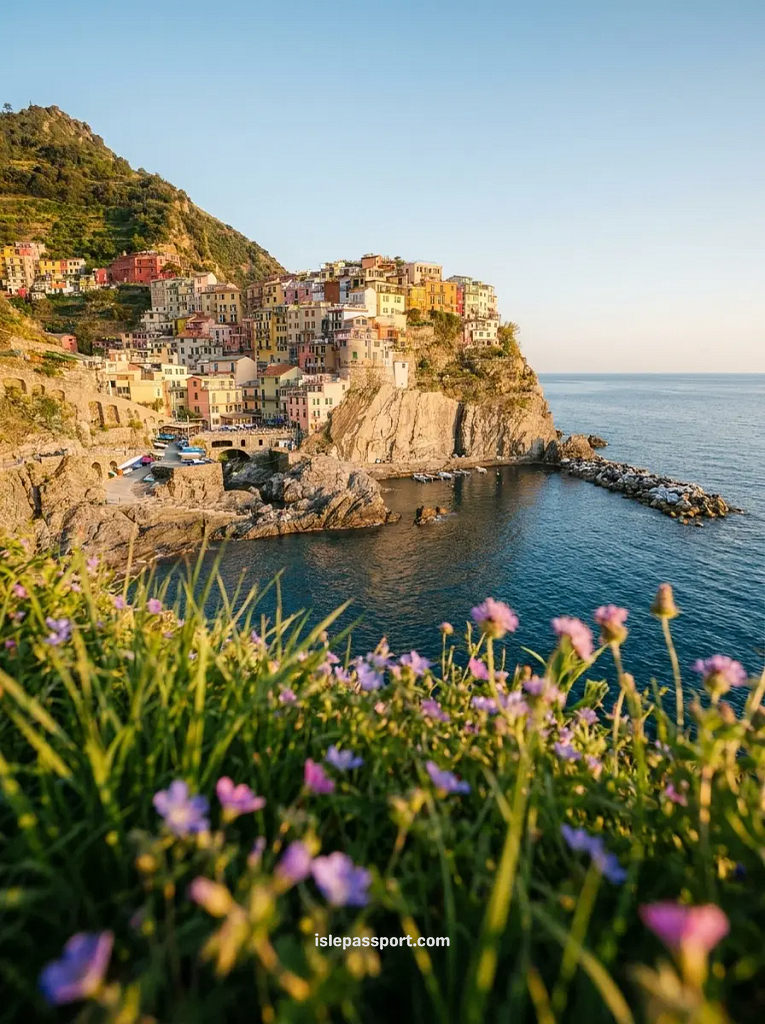
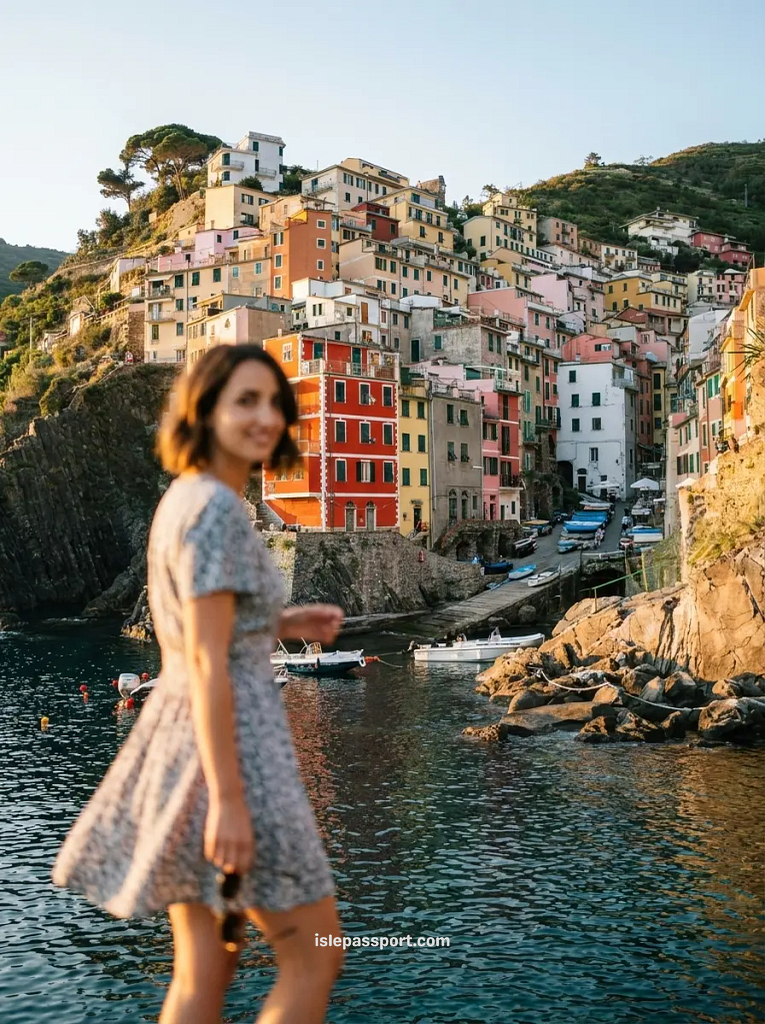
Of all five Cinque Terre villages, Manarola is the one that consistently delivers on what people came for. It clings to a rocky spine jutting into the Ligurian Sea. The buildings are stacked in amber, terracotta, and faded pink.
And the classic view. From the cliff path heading south toward Corniglia. Gives you the whole village at once in a single frame that looks arranged rather than grown.
I swim in the harbour every time I visit. The water is cold and startlingly clear and floating below those coloured houses with the cliff rising above you is something I haven’t found anywhere else in Liguria.
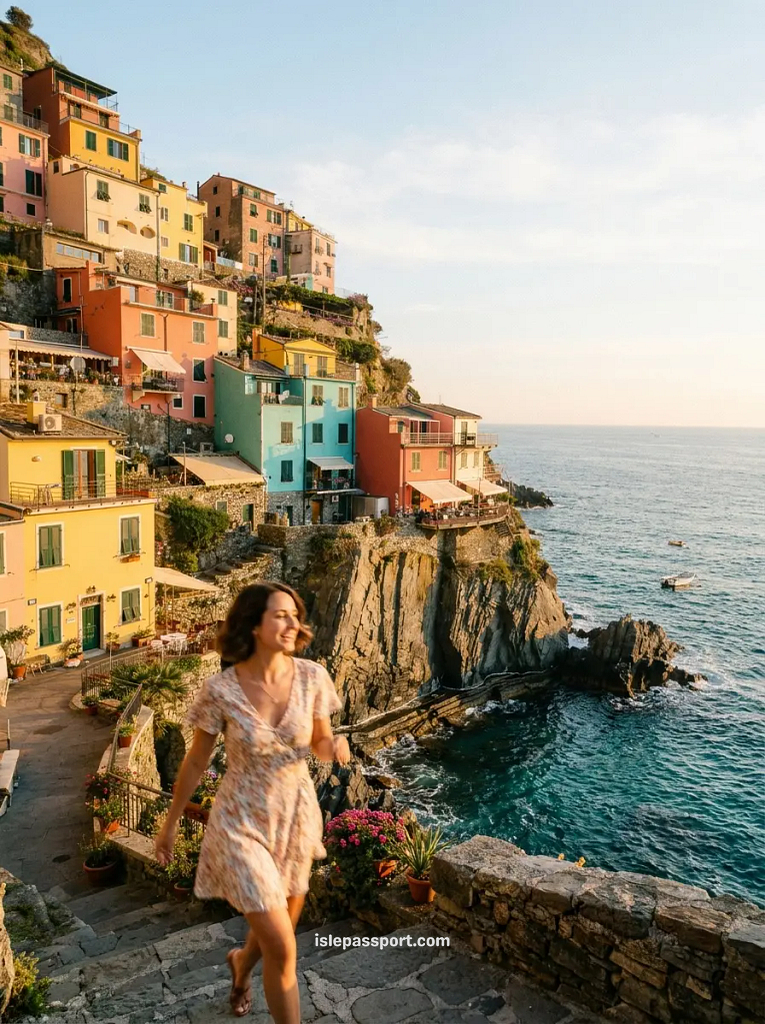
Local kids spend whole afternoons jumping off the rocks near the harbour entrance. Nobody stops them. It’s one of the more joyful things I’ve watched in Italy.
The bakery right next to the train station Batti’s, does the best pesto focaccia I’ve found in Cinque Terre. Get there before 10am or it sells out. The local Sciacchetrà white wine from the terraced vineyards above town is worth buying a bottle of before you leave. It doesn’t travel far commercially so you won’t find it easily elsewhere.
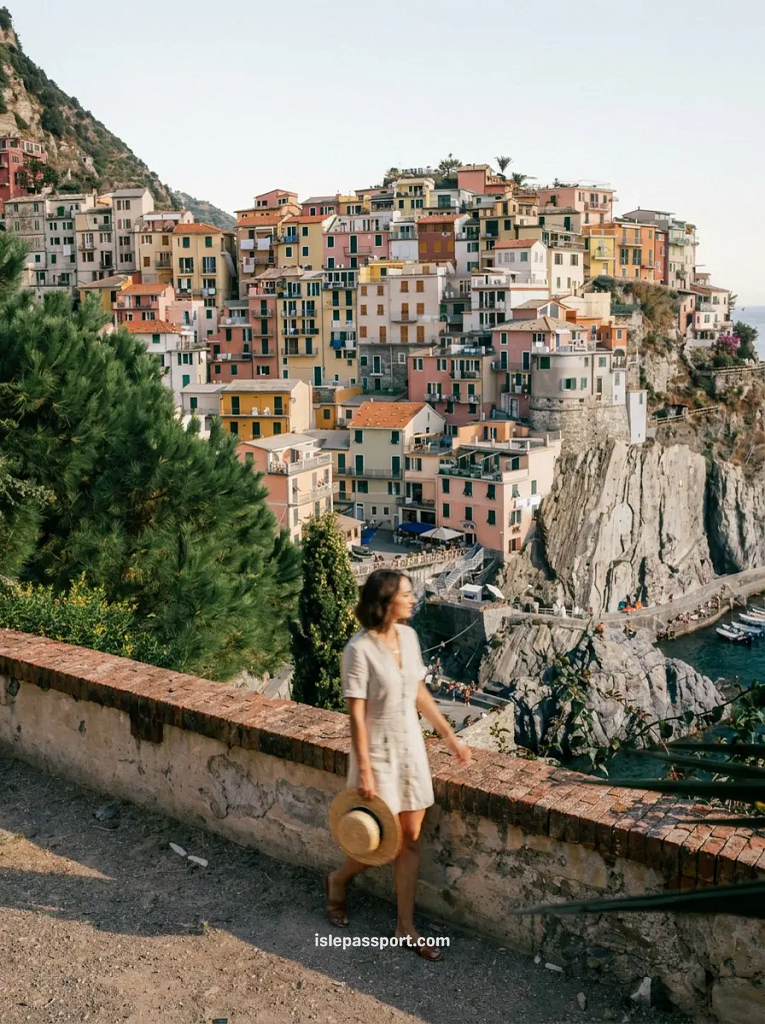
By 11am in July the main viewing platform above the harbour has 40 people jostling for the same angle. Come early morning or evening and none of that applies. The evening light on the buildings around 7pm in September is something else.
Via dell’Amore, the cliff path toward Riomaggiore, reopened after a long restoration. Worth walking if it’s still open when you visit. Carved into the rock with the sea directly below.
After two visits to Manarola I started wondering whether the other four villages were worth it. They are, but differently.
Best for: Couples, photographers, anyone who loves a good swim. One of the most beautiful coastal towns in Italy without question.
3. Cefalù – Sicily’s Charming Old Town by the Sea
- Location: Northern Sicily
- Getting there: Train from Palermo (1 hr), or direct shuttle from Palermo airport
- Best time: May-June, September-October
- Crowds: Moderate. Busy in August but never overwhelming.
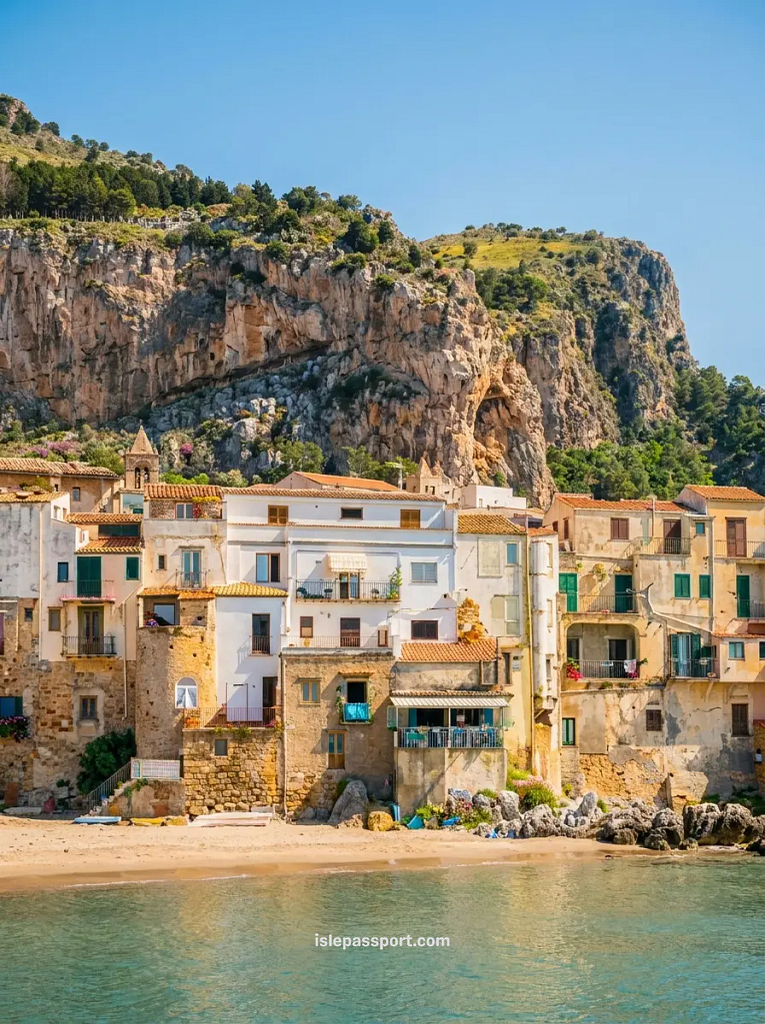
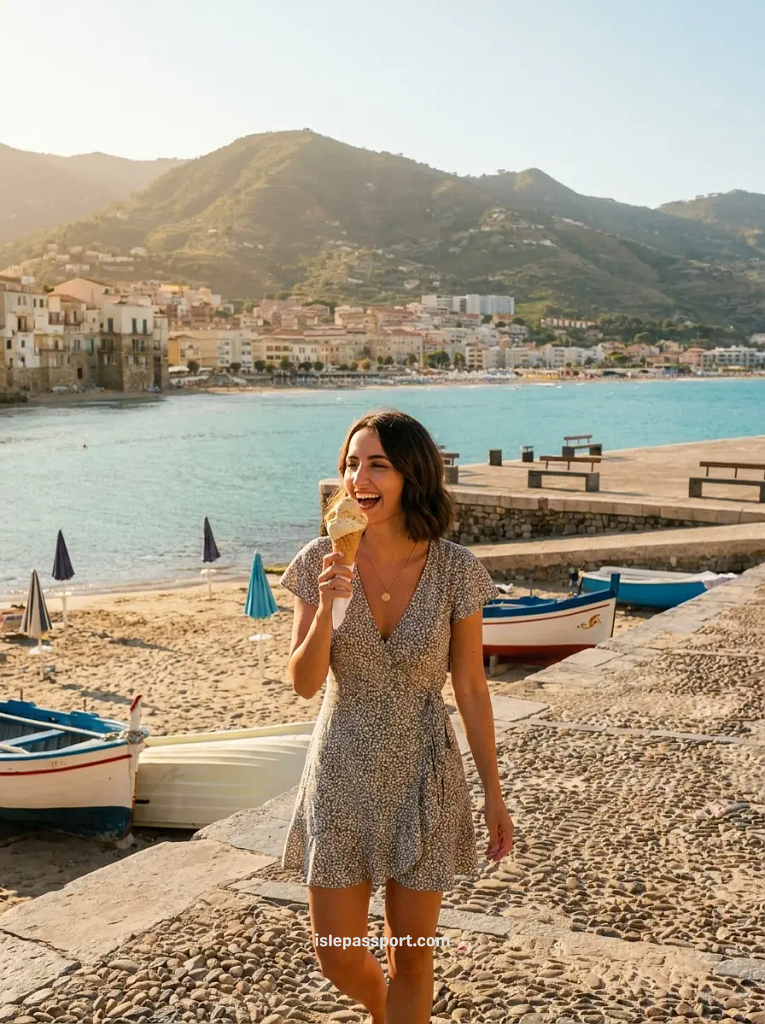
I planned two nights in Cefalù and stayed four. It has a quality that’s genuinely rare in Italian coastal towns. It feels like a place where people actually live rather than a stage set for summer visitors.
The Norman cathedral sits at one end of the main piazza. Built in 1131, gold Byzantine mosaics inside that stop you mid-step. La Rocca, a massive limestone rock, rises directly above the town. A long sandy beach runs along the northern edge.
All three of those things happen within easy walking distance of each other, and that combination of history, landscape, and beach is something Cefalù has and almost nowhere else in Sicily manages to pull off simultaneously.
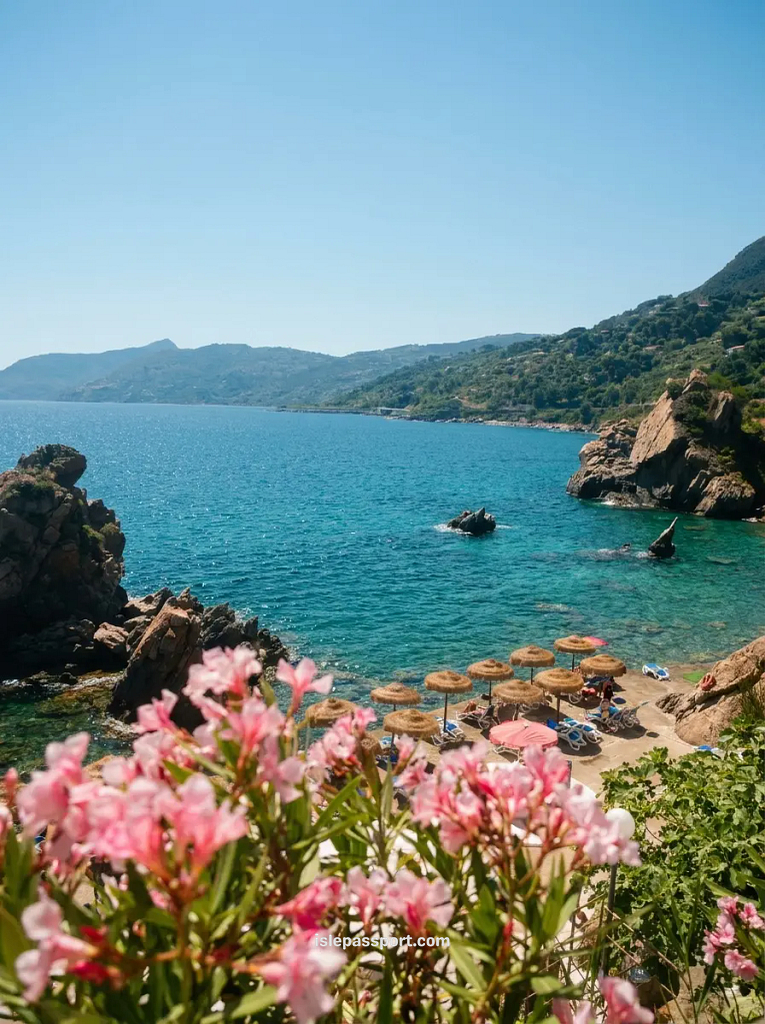
Climb La Rocca. It takes about 35 minutes from the base through the ruins of a medieval fortification and the views from the top are extraordinary. Cefalù spread below, the Tyrrhenian Sea stretching west, the Madonie mountains rising behind. Do it early morning before the heat builds.
For dinner, walk away from the seafront completely. The restaurants on and around Via Seminario are where local families eat. I had grilled swordfish and pasta con le sarde. Sardines, wild fennel, pine nuts, raisins.
At a place called Il Covo del Pirata that I’d never have found if a woman selling ceramics hadn’t pointed me there. Bill for two with a carafe of local white came to €41.
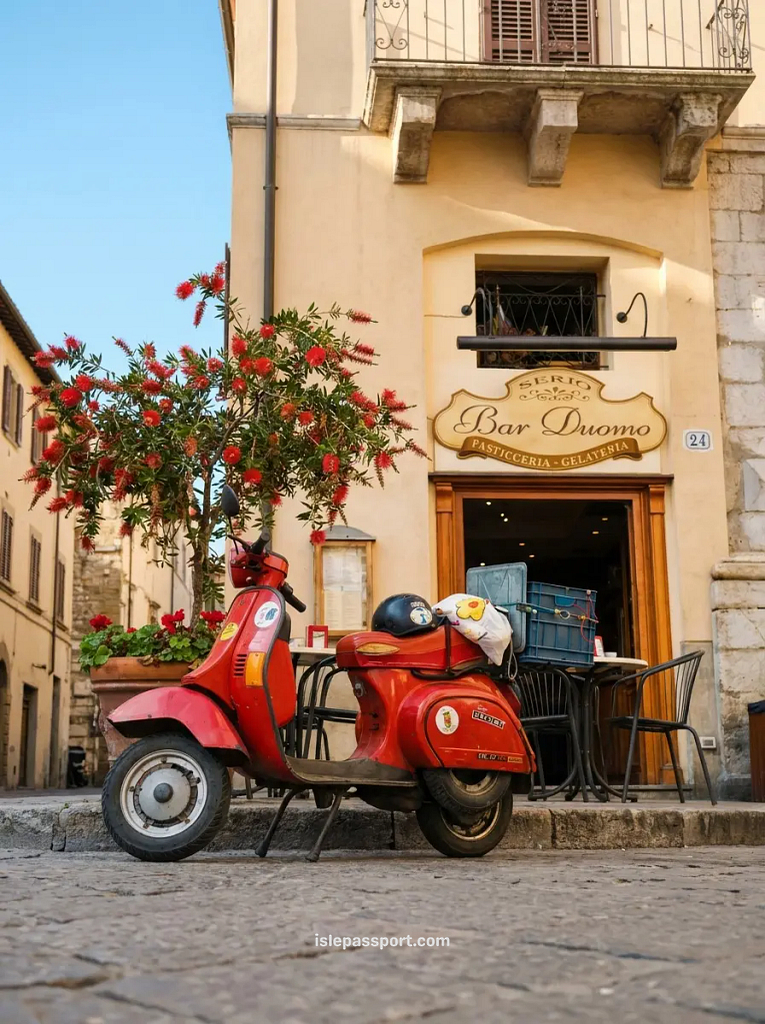
The main town beach fills in August. Walk east past the beach clubs toward Torre Caldura where the sand continues for another kilometre. Much quieter, no sun lounger fees.
Cefalù is also one of the best coastal towns in Italy to live long-term. I cover that properly in the dedicated section below, but the short version is: year-round community, train to Palermo in an hour, affordable rents, warm sea from June to October, and a historic centre that doesn’t empty out in November.
4. Polignano a Mare – Whitewashed Cliffs & Budget Beauty
- Location: Puglia, southeastern Italy
- Getting there: Regional train from Bari (25 min)
- Best time: June, September
- Crowds: Busy July-August. Shoulder season is the sweet spot.
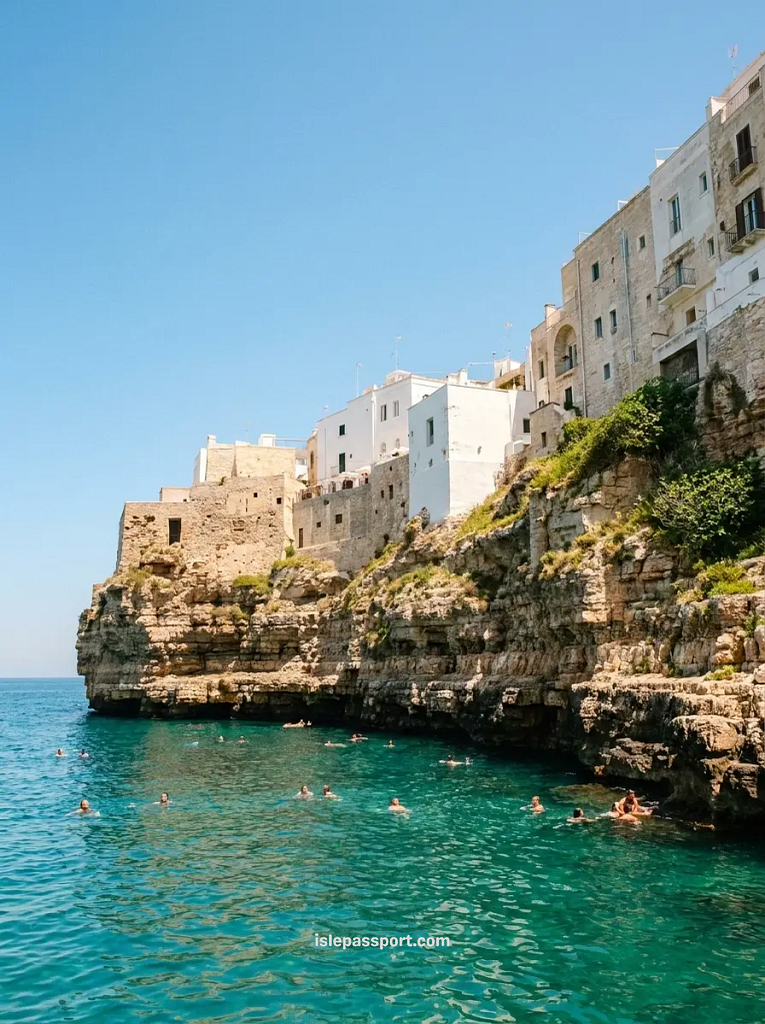
Polignano a Mare is one of the few Italian coastal towns where I think the photos are genuinely accurate. The whitewashed old town sits on limestone cliffs above Lama Monachile. A turquoise cove beach wedged between two walls of rock, and the drop from cliff edge to water is exactly as dramatic in person as it looks on screen.
What the photos don’t show is how small it is. You can walk the old town end to end in 20 minutes. They also don’t show how affordable everything is compared to the Amalfi Coast. A proper lunch for two with wine comes in under €30.
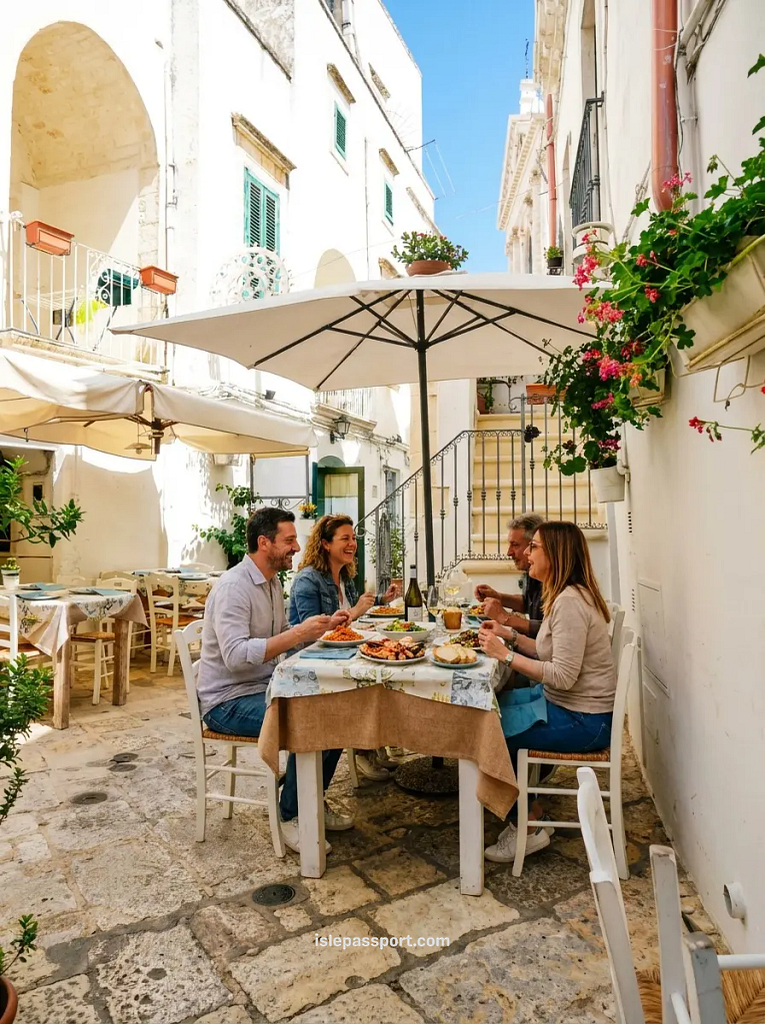
And they definitely don’t show how good the raw seafood is at the no-frills spots on Via Conversano. I sat at a plastic table outside a place with no name above the door and ate crudo di mare that tasted like pure cold sea. Went back the next day.
The sea caves beneath the old town are worth a boat trip. About €15 for 45 minutes going through several caverns, one of which has bioluminescent algae visible in the right light. Slightly touristy, genuinely impressive. The boats leave from the small port below the cliffs.
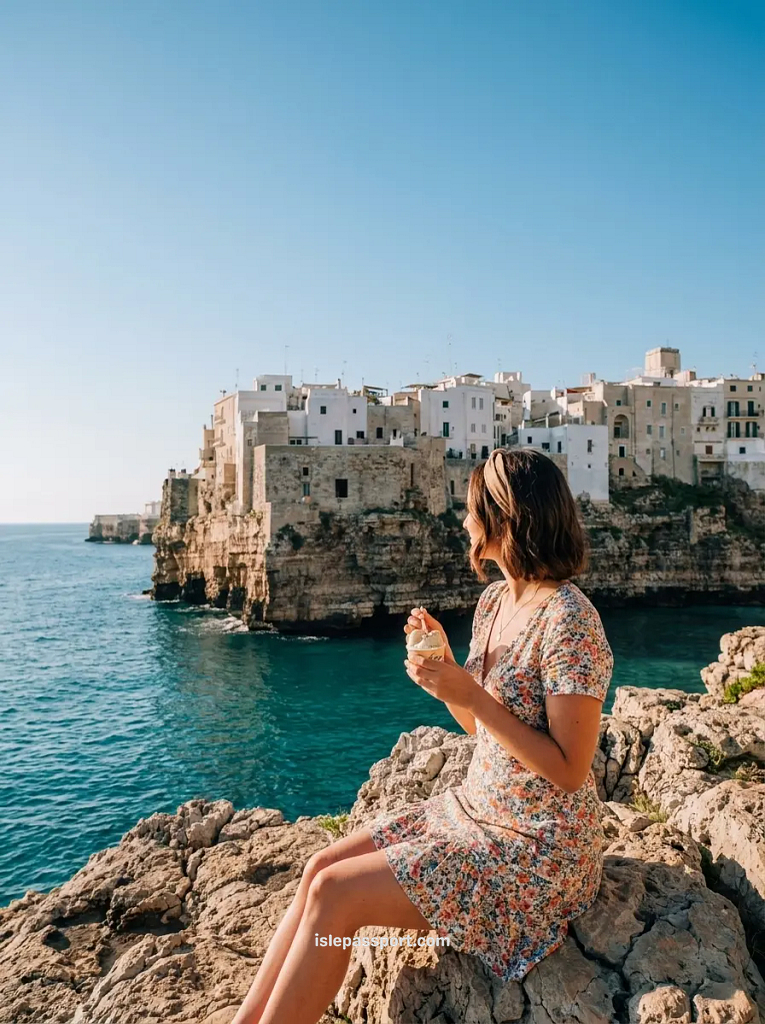
Lama Monachile is tiny. Maybe 50 metres of pebbles between two cliff walls. In July it’s shoulder-to-shoulder. Arrive before 9am or after 5pm for a proper swim. The cliff jumping off the rocks to the side of the beach is a whole scene of its own.
This is also one of the best beach towns in Italy for young adults. Easy train from Bari, good food scene, dramatic scenery, cliff swimming, prices that won’t hurt you. I haven’t found a better combination of all those things anywhere else in southern Italy.
5. Santa Margherita Ligure – Understated Elegance in Liguria
- Location: Liguria, Italian Riviera
- Getting there: Train from Genoa (40 min), station is central
- Best time: May-June, September
- Crowds: Busy but manageable. Never overwhelming.
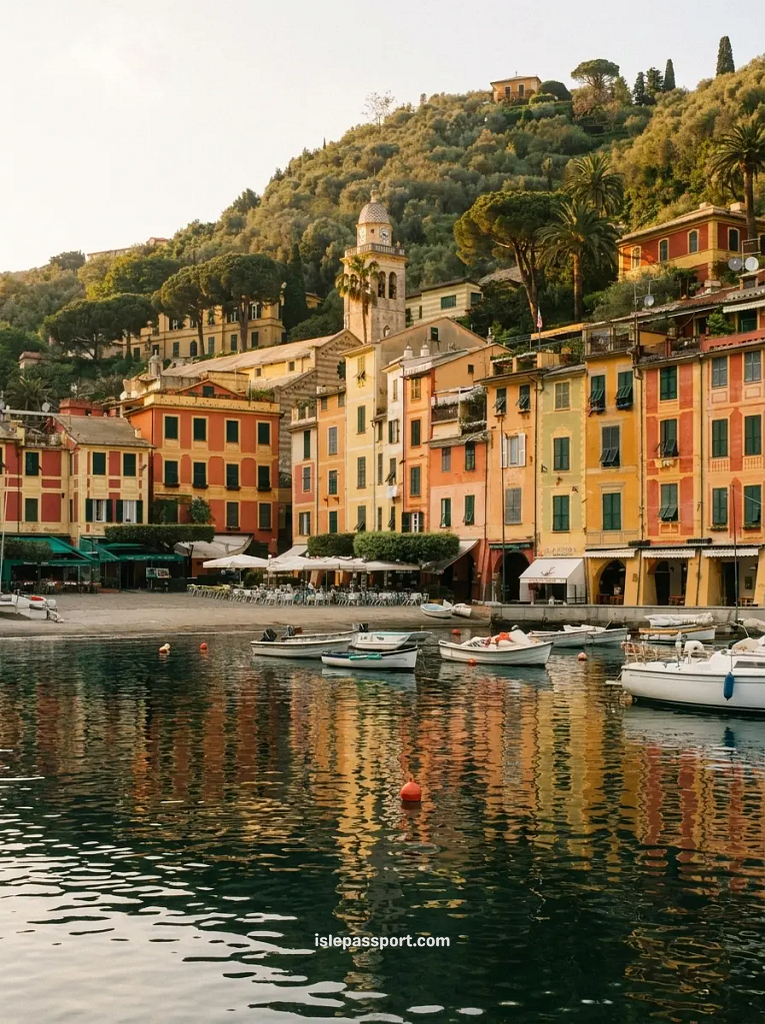
Everyone wants Portofino. And Portofino is beautiful. But staying in Santa Margherita Ligure and visiting Portofino for one afternoon is, in almost every practical way, the better decision.
Santa Margherita is a proper town. Wide promenade lined with painted villas and palm trees, a ferry terminal with regular boats to Portofino and San Fruttuoso. A Tuesday morning market in the main piazza, enough good restaurants that you’re not repeating dinner all week.
The pace is relaxed without being sleepy. Fishing boats and glossy yachts share the harbour, and that mix gives the place an honest energy that Portofino. Where the fishing boats are long gone. Simply doesn’t have anymore.
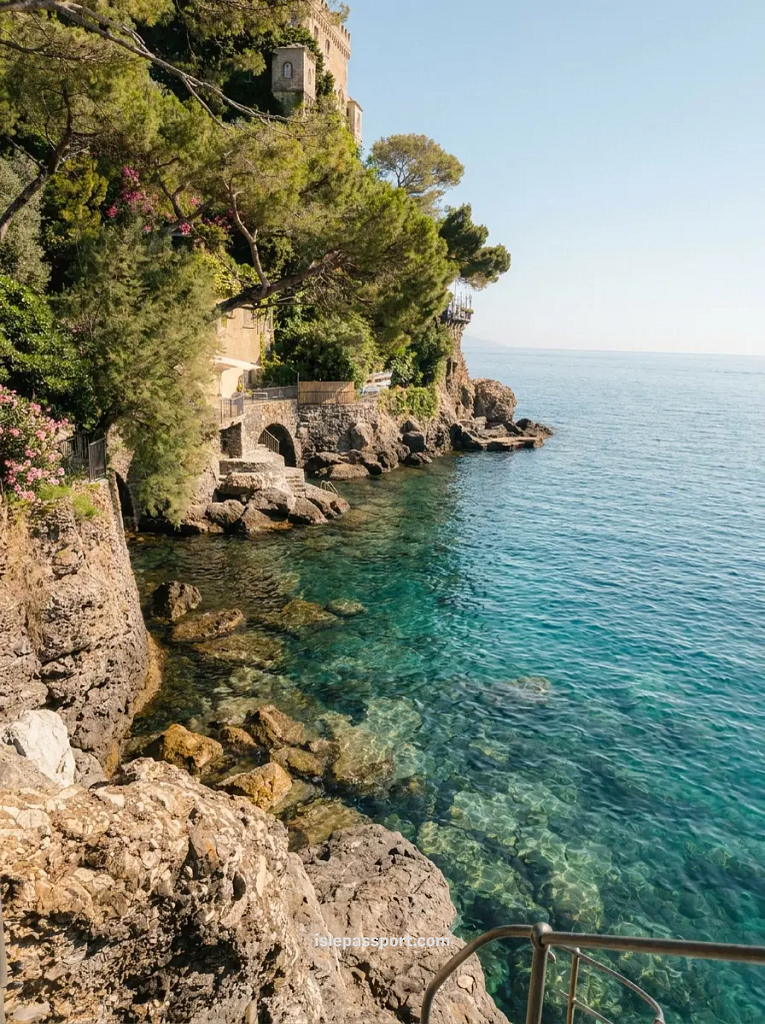
The walk to Portofino from here along the coastal path takes about 45 minutes through pine forest with glimpses of coves below. I’ve done it three times and it still doesn’t get old. Arriving on foot with the harbour appearing around a bend in the path is a far better experience than stepping off a ferry in a tour group.
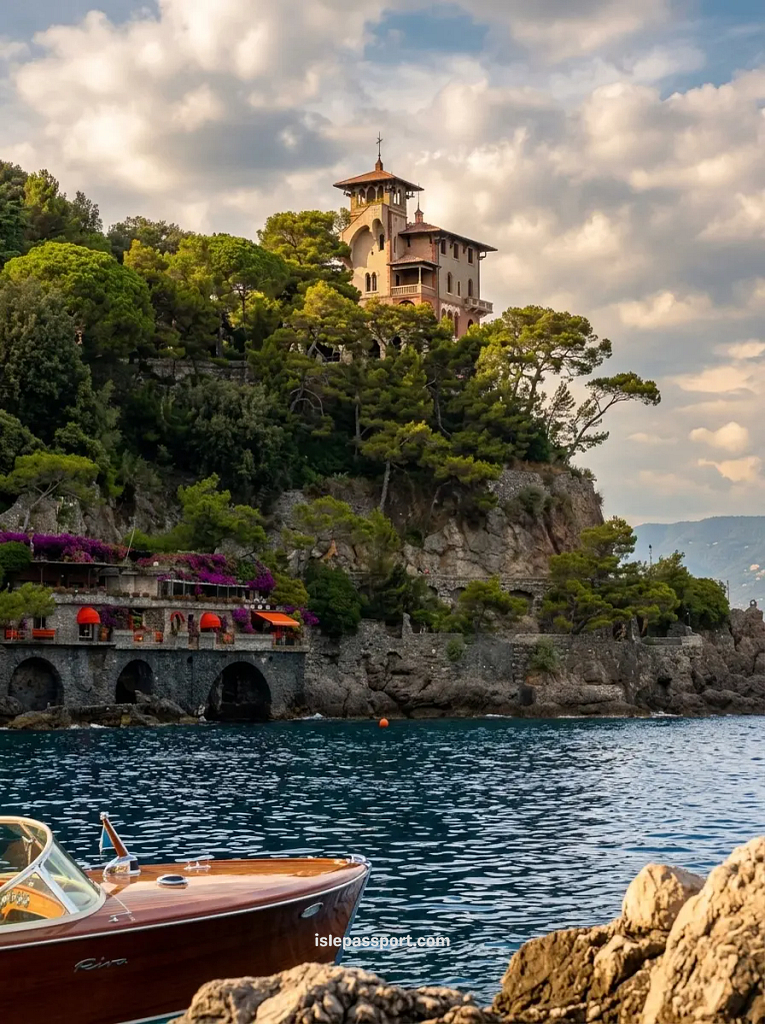
For a day on the water, take the ferry to San Fruttuoso. A stunning bay accessible only by boat, with an 11th-century Benedictine abbey right on the sand and a bronze Christ submerged 15 metres offshore. The Cristo degli Abissi, placed there in 1954. I snorkelled above it on a September afternoon and barely saw another person.
The beaches in Santa Margherita itself are mostly private lidos. San Fruttuoso is the answer for proper swimming. Don’t come expecting public beach stretches like you’d find in Tuscany.
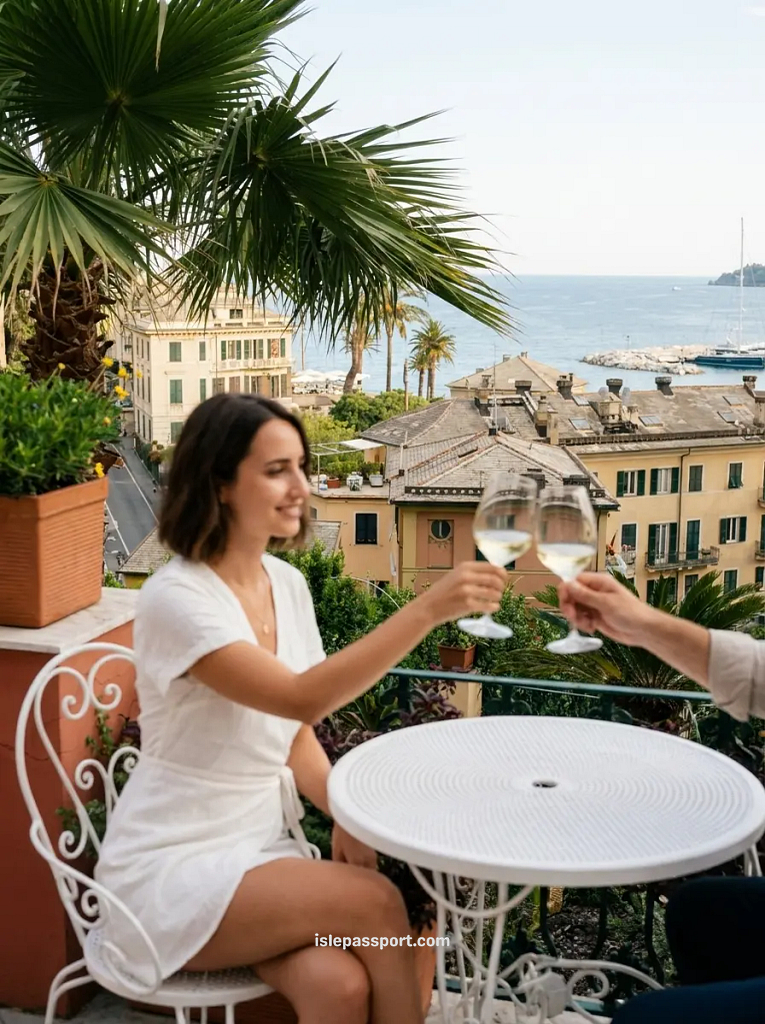
A comparable hotel room here costs roughly 40-60% less than in Portofino. The experience gap is minimal since you’re 15 minutes apart. This is one of the best beach towns in Italy for couples who want nice dinners, day trips to one of Italy’s most glamorous spots, and actual room to breathe.
6. Sperlonga – Hidden Gem Near Rome
- Location: Lazio coast, between Rome and Naples
- Getting there: Train from Rome Termini to Fondi-Sperlonga (1h 20min), then bus or taxi 10 min
- Best time: May-June, September
- Crowds: Quiet outside August.
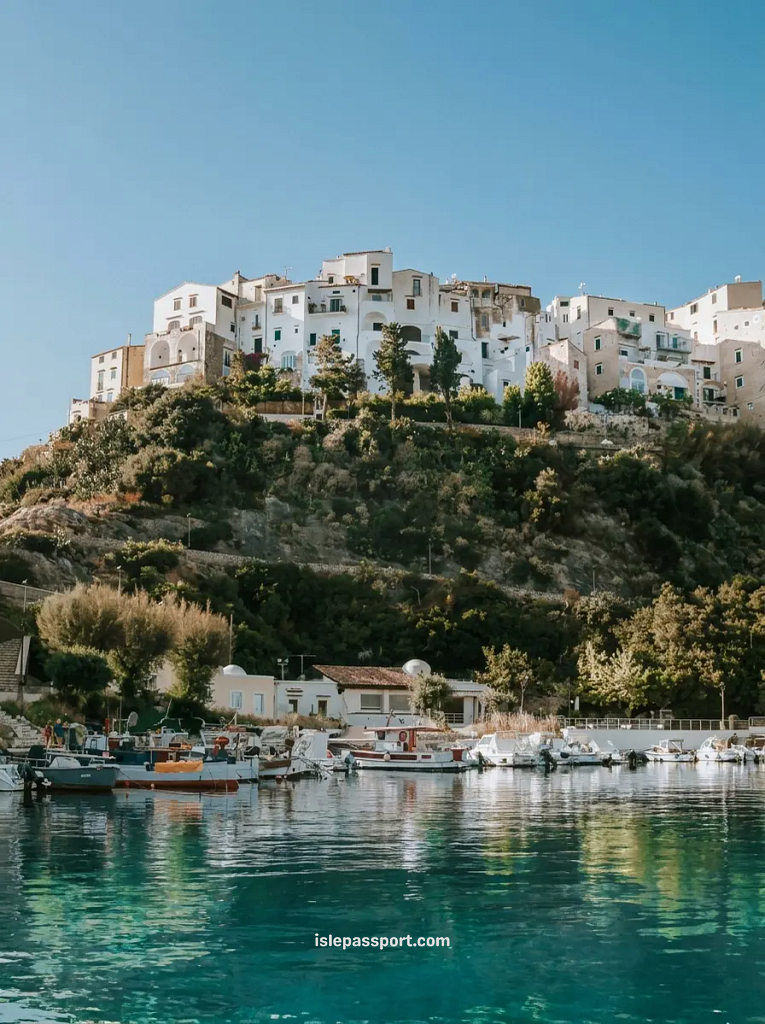
Most people doing Rome to Amalfi bypass the Lazio coast entirely. That’s genuinely their loss.
Sperlonga is a whitewashed hilltop village that looks more Greek than Italian. Long sandy beaches stretch in both directions below it. The historic centre you can walk end to end in 15 minutes, all narrow lanes and bougainvillea and the sea appearing at the end of unexpected alleyways.
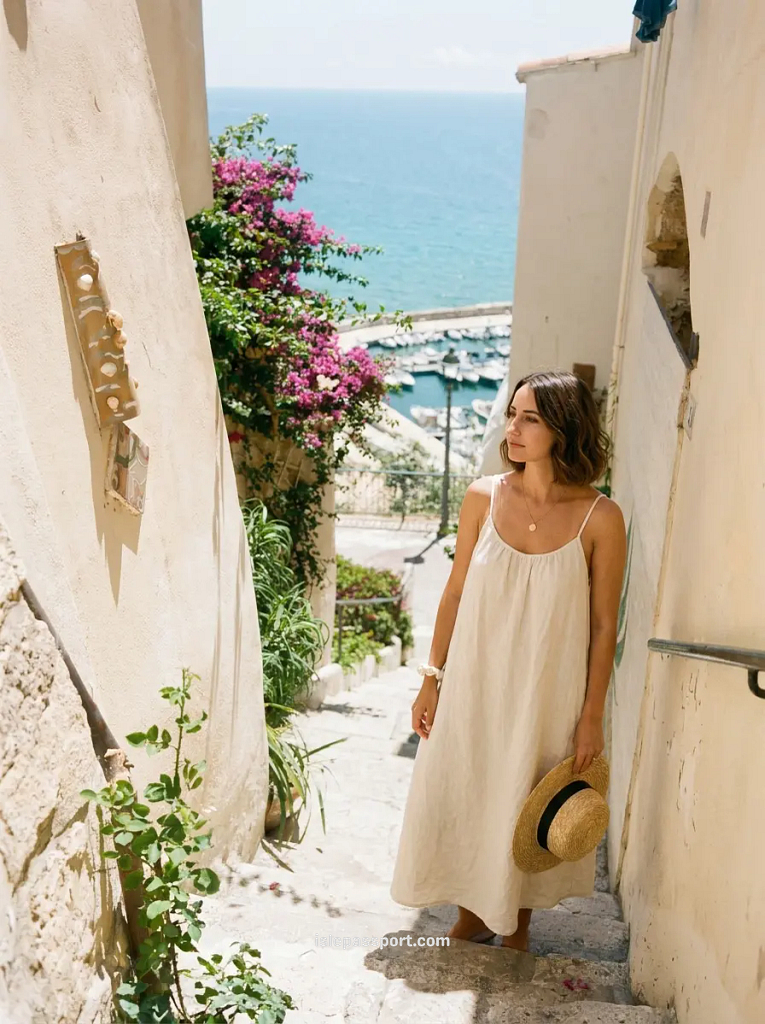
The town sits on a promontory between Spiaggia di Levante to the east and Spiaggia di Ponente to the west. Both are wide, sandy, and noticeably cleaner than most beaches closer to Rome. The water is calm and shallow. Excellent for families with young children, and in late May it’s warm enough to swim without gasping.
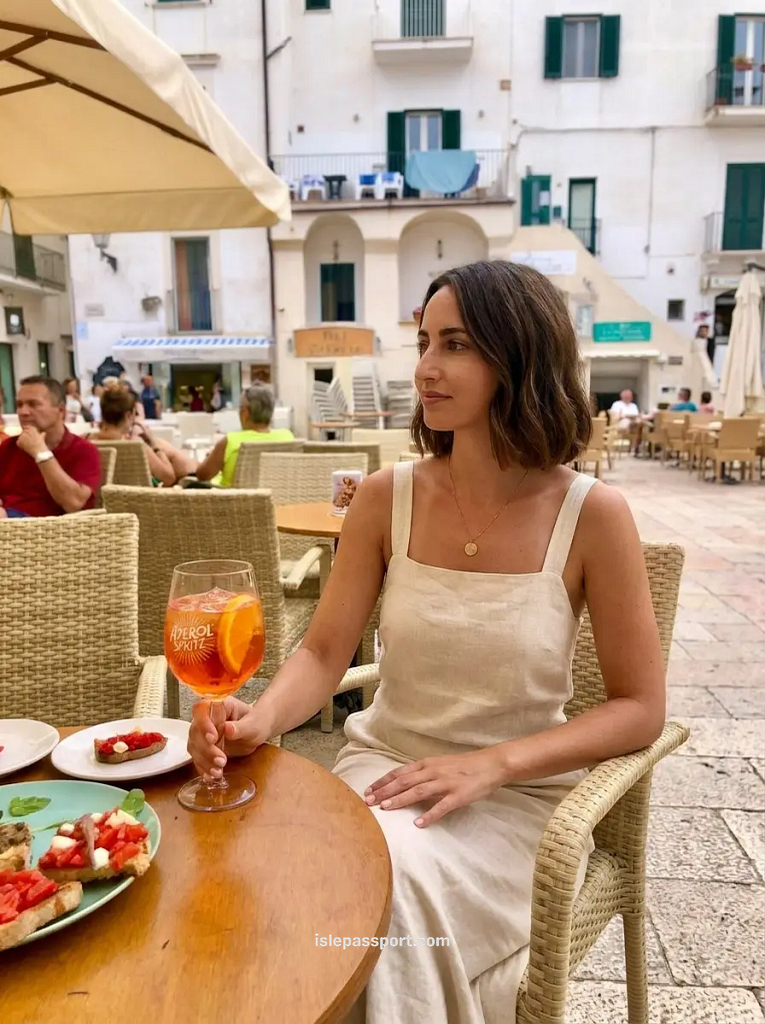
Have lunch at one of the restaurants on the promontory edge. Grotta di Tiberio has been there for decades and the pasta alle vongole for around €14 tastes like the sea in the best possible way.
The Sperlonga Museo Nazionale nearby has pieces from Tiberius’s villa, which are genuinely remarkable and almost always empty of tourists.
Getting there without a car requires planning. Train to Fondi-Sperlonga station, then a bus or taxi up to the town. Perfectly doable as a day trip from Rome. Check the bus timetable in advance rather than assuming.
This is one of the best Italian coastal towns near Rome that actually feels special rather than just convenient. I covered five more coastal options in the Lazio stretch in a post about easy beach escapes from Rome.
7. Viareggio – Classic Resort Feel for Families
- Location: Northern Tuscany
- Getting there: Direct train from Florence (1h 20min), Pisa (20 min)
- Best time: June, September
- Crowds: Busy in August but the long beach absorbs it well.
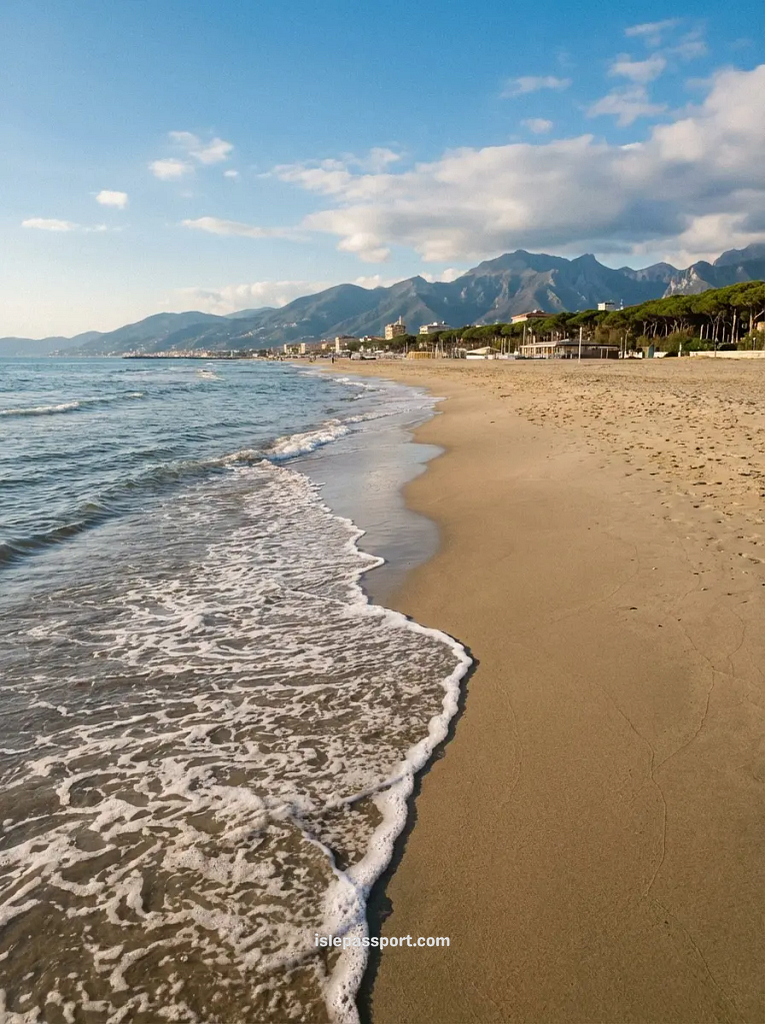
I’ll be straight with you: Viareggio is not the kind of place you put on a travel moodboard. No dramatic cliffs, no harbour of painted fishing boats, no medieval alleyways. It’s a proper Italian seaside town where families have been coming on holiday since the Belle Époque.
What it lacks in drama it makes up for entirely in ease. The train station is five minutes from the sea. The beach is flat and sandy. Good for families with small children, for people with limited mobility, for anyone who just wants to lie down and swim without negotiating a cliff path with luggage.
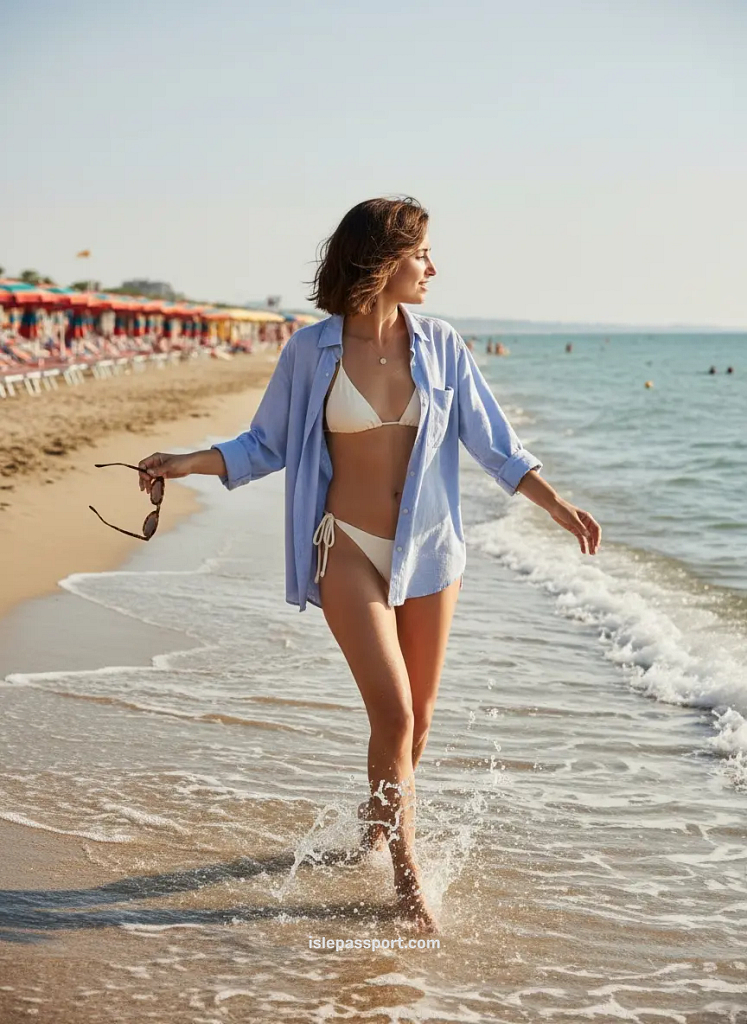
The seafood here is genuinely serious though. Don’t let the resort-town appearance fool you.
The cacciucco. A rich Livornese fish stew with multiple types of fish, served over toast rubbed with garlic. At the trattorias on Via Coppino is one of the better things I’ve eaten in Tuscany. Around €18 for a bowl that could easily be a full meal. Order the house white and sit there for a while.
Viareggio also has one of the oldest and most elaborate carnival traditions in Italy. February here is apparently extraordinary if you time a visit around it.
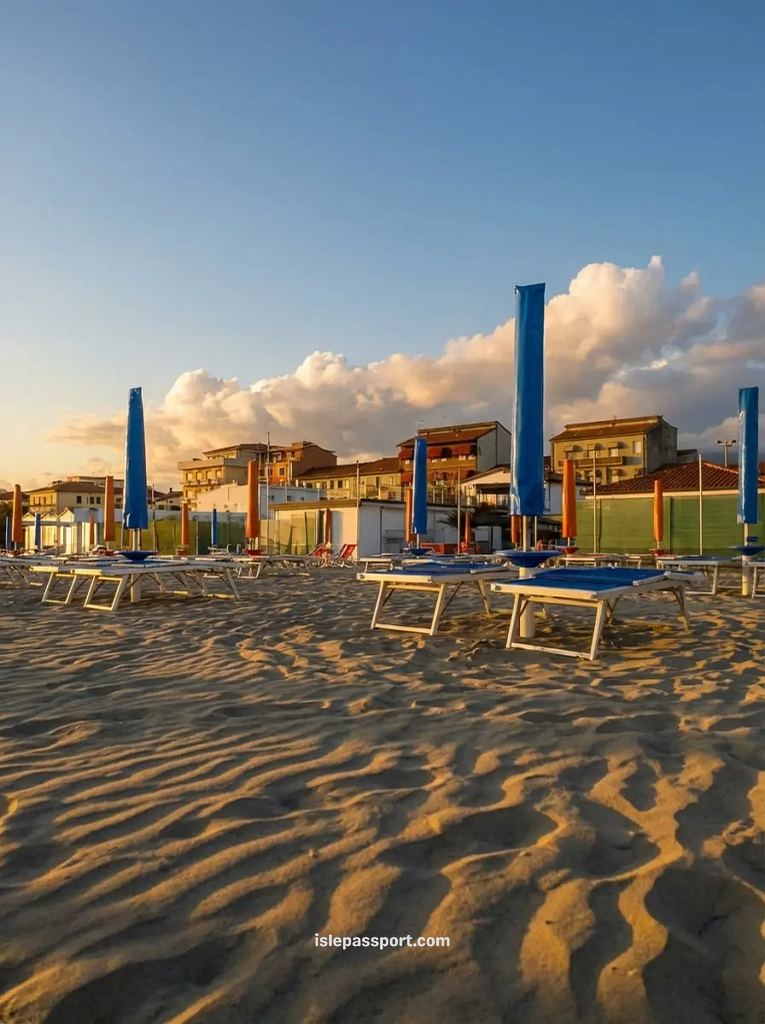
Almost all of the beach is managed by private lidos. You’ll pay around €25-35 for two sunbeds and an umbrella per day. There are free sections at the northern end of the beach but they’re less organised. If you’re used to the free public beaches of southern Italy, the lido culture takes some getting used to.
This is one of the best coastal towns in Italy for families who are already basing in Florence. It’s also in my roundup of the best beaches you can reach from Florence by train, alongside four other Tuscany options with journey times and what each one is actually good for.
8. Castiglione della Pescaia – Best Seaside Town Near Florence
- Location: Southern Tuscany (Maremma)
- Getting there: Train to Grosseto (2h from Florence), then bus 30 min
- Best time: June, September-October
- Crowds: Quiet outside peak season. Even July is calm here.
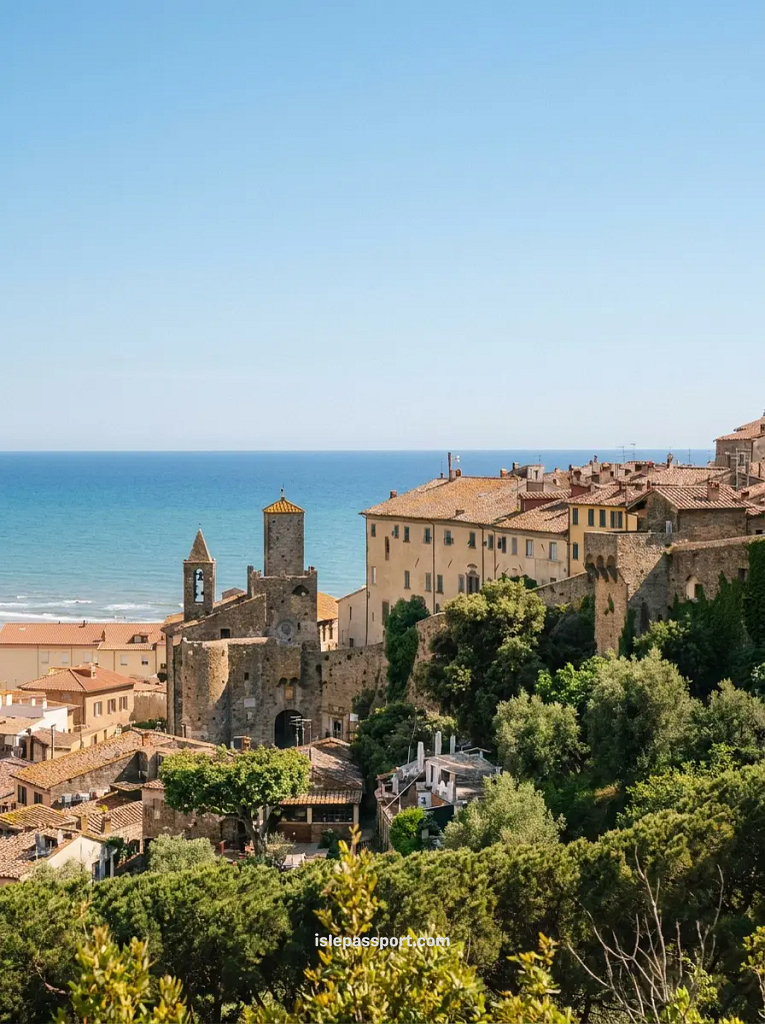
Castiglione della Pescaia surprised me more than almost any other Italian coastal town on this list. I arrived with low expectations. It kept appearing on “best near Florence” lists and I assumed those recommendations were generic filler. They’re not.
What I found was a genuinely beautiful medieval walled village rising above a long sandy coast. Real walls, proper towers, streets that narrow until you’re walking single file, and a small main square that feels exactly like a real Tuscan village square should.
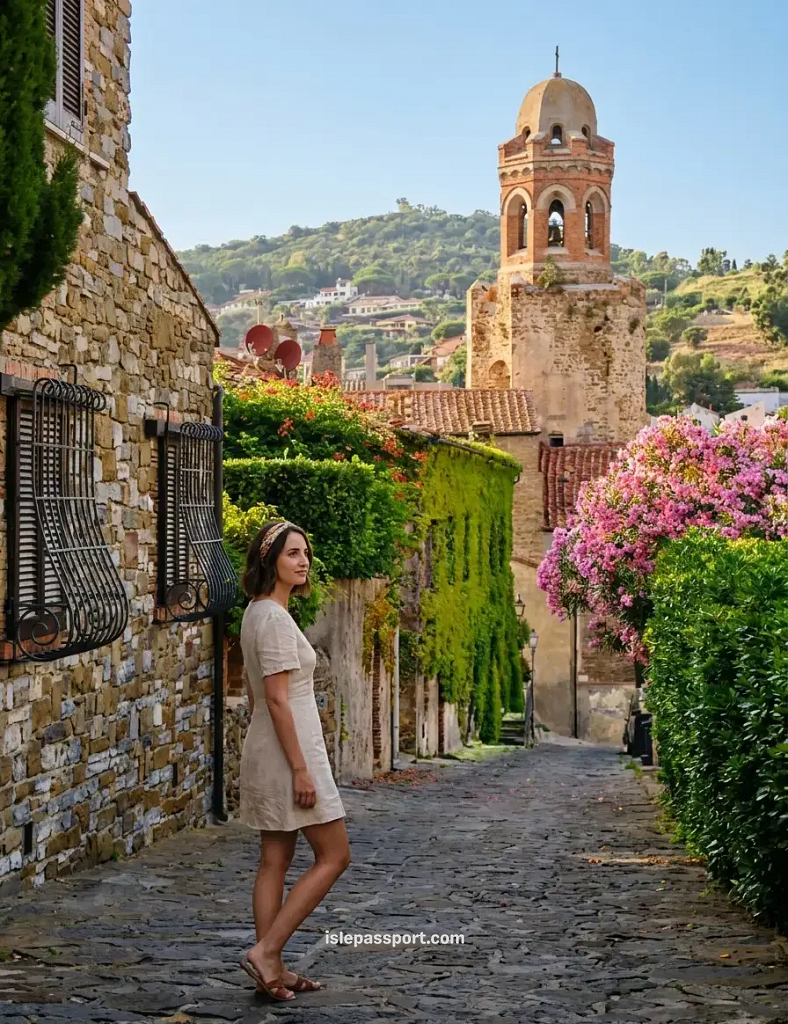
Below it, a beach that goes on for several kilometres with the Parco della Maremma stretching south behind it.
I rented a bike one morning and cycled the coast road toward the park entrance. Passed three other cyclists, a heron standing in a drainage ditch, and an apparently deserted beach for two solid kilometres without a single parasol. In June, in Italy, that felt close to miraculous.
The beach itself is shallow and calm. Excellent for children, good for anyone who wants to swim without being pushed around by waves. The waters around the Maremma park are cleaner than almost anywhere on the Tuscan coast.
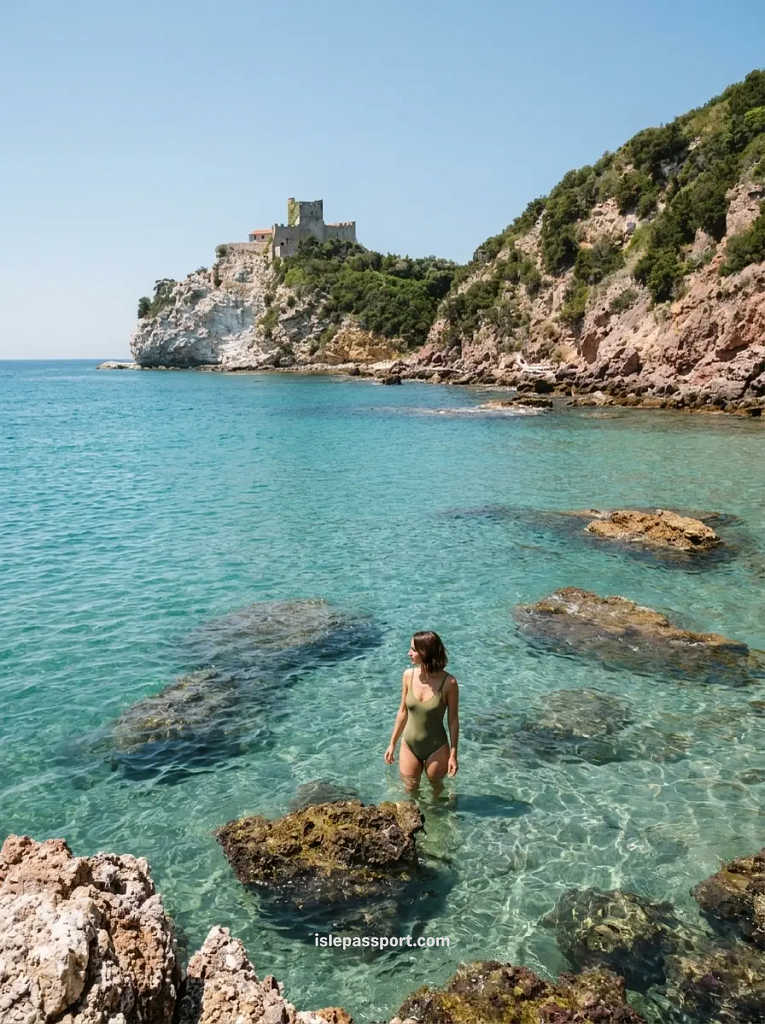
For dinner, climb up into the old town. The restaurants inside the walls serve good wild boar ragu and grilled fish at the same time, which is very Maremma. Prices are a good 20-30% lower than comparable quality in Tuscany’s more famous towns.
Getting here without a car takes planning. Train to Grosseto, then a bus that runs a few times per day. Worth it for a two-night stay. Hard to justify as a day trip.

This is consistently one of the best coastal towns in Italy near Florence for anyone wanting something more beautiful than Viareggio and more accessible than Porto Ercole. I went into detail on it alongside six other Tuscany coastal options in a post about the best seaside towns near Florence.
9. Porto Ercole – Quiet & Romantic in the Maremma
- Location: Monte Argentario, Southern Tuscany
- Getting there: Train to Orbetello-Monte Argentario, then bus 25 min
- Best time: May-June, September-October
- Crowds: Very low. Even August stays remarkably calm here.

Porto Ercole is where you go when you want to actually hear the sea at night. Not curated silence. Actual waves against stone at 2am with the window open.
The town sits on Monte Argentario, a rocky promontory connected to the mainland by two thin sand causeways called tombolos. Getting there feels like entering somewhere that chose to be slightly difficult to reach, and the reward for making the effort is a harbour that doesn’t feel like it’s performing for anyone.

The harbour itself is small and weathered. Fishing boats, two restaurants with tables literally at the water’s edge, Spanish-era fortifications. The Forte Stella and Torre di Porto Ercole, rising above. Nothing is polished and that’s entirely the point.
The beaches nearby are the real reason to come. Feniglia is a 6km strip of pine-backed sand, accessible only on foot or bike since cars are banned from the beach road.
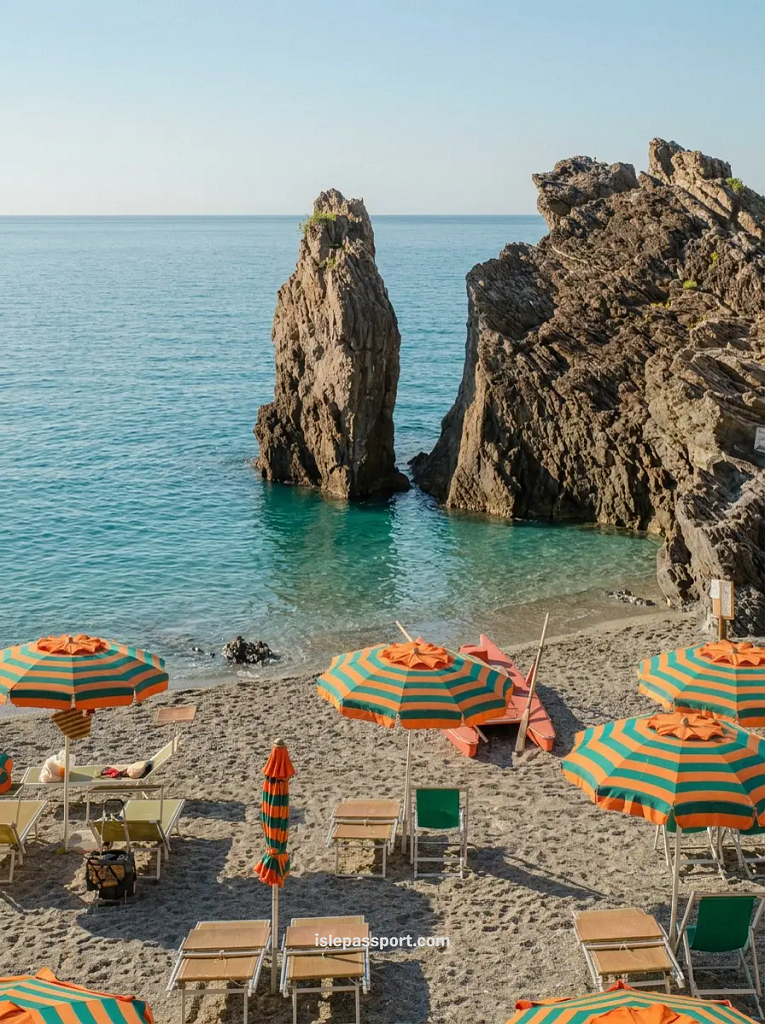
I walked the whole length one morning and passed maybe 30 people. Le Viste, up on the headland, is a series of rocky ledges above deep clear water where I snorkelled for an hour in September without seeing another person. Both are among the most beautiful natural beaches I’ve encountered anywhere in Italy.
Porto Ercole is very small. Six restaurants, two bars, a supermarket the size of a large living room. If you need variety, entertainment, or anything resembling nightlife, go somewhere bigger. This is a place for walking, swimming, reading, and eating well. I find that perfect. Some people find it too quiet.
If you’re specifically looking for quiet coastal towns in Italy where you can genuinely switch off, this is my top pick in Tuscany.
10. Gaeta – History & Sun Between Rome and Naples
- Location: Southern Lazio
- Getting there: Train to Formia (1h 30min from Rome), then bus or taxi 10 min
- Best time: May-June, September
- Crowds: Moderate. Manageable even in summer.
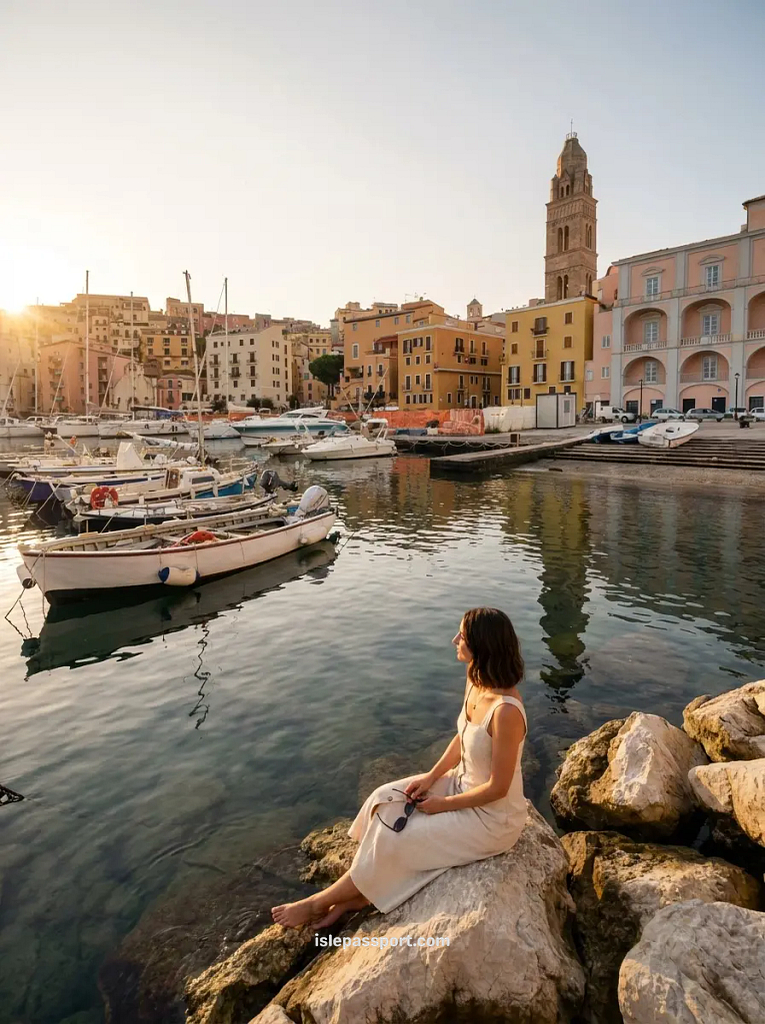
Gaeta is one of those Italian coastal towns that makes you wonder why it doesn’t appear on more lists.
The old town Gaeta Medievale, climbs a headland in layers of ochre and orange. With a cathedral that has been standing since the 9th century and a castle that has been besieged by Norman, Aragonese, French, and Bourbon forces at various points in its history.
This is one of the genuinely historic seaside towns in Italy where the history isn’t just decorative. It’s everywhere you look.
Spiaggia di Serapo on the south side is wide, sandy, and clean, with the extraordinary split rock formation of Montagna Spaccata visible from the beach.
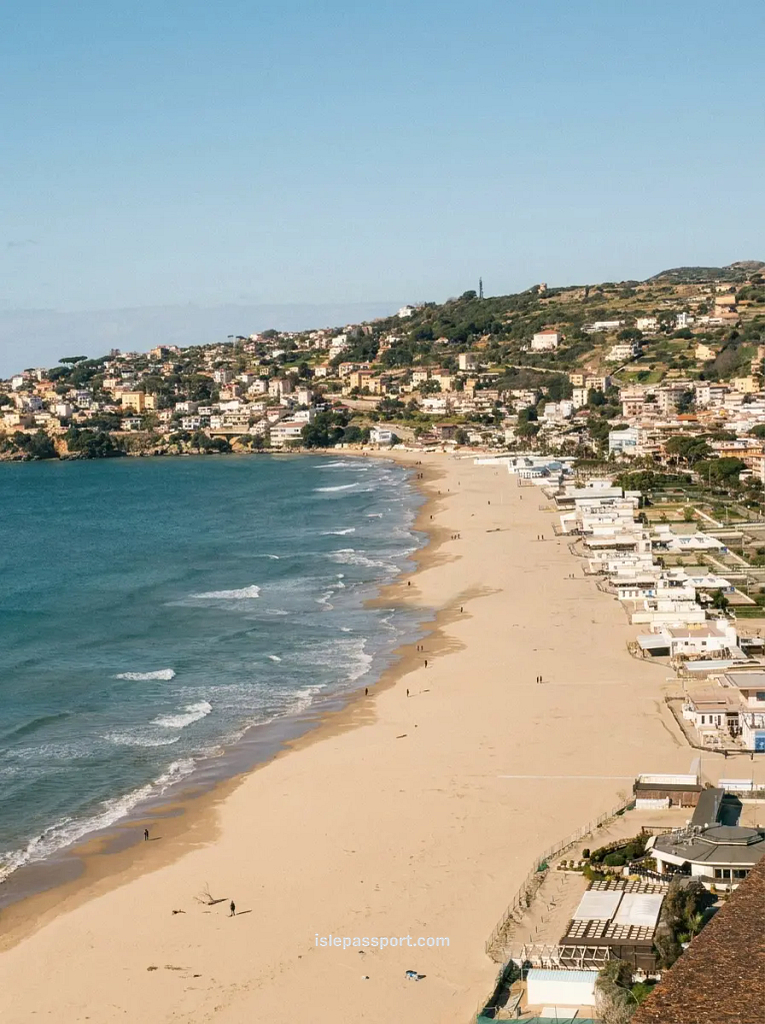
A cliff that cracked vertically, according to local legend, at the moment of the Crucifixion. The canyon inside is accessible by stairs and has a small chapel built into the rock face. Unusual enough to be worth an hour of your time.
The town has a year-round population, which means restaurants stay open in October when most tourist towns on the Italian coast have pulled their shutters down.
I spent two nights here in October, ate grilled fish at a trattoria on the seafront where I was the only non-Italian in the room, and walked the medieval upper town in the morning with no one else around. That specific combination: good food, serious history, genuinely empty streets, is what people are always trying to find in Italy. Gaeta delivers it.
It also makes a sensible overnight stop if you’re driving between Rome and Naples. Better than a motorway service area by a significant margin.
11. Portofino – Luxury on the Italian Riviera
- Location: Liguria, Italian Riviera
- Getting there: Ferry from Santa Margherita Ligure (15 min) or 45-min walk along the coastal path
- Best time: May, June, September
- Crowds: High. Even the yachts look crowded.
Portofino is one of the most famous luxury coastal towns Italy has, and you can tell the moment you arrive.
The harbor is full of boats, the cafés are polished, and the whole town feels like a small, stylish bubble. But here’s the thing: Portofino is tiny. Really tiny. So if you expect a large area to explore, you’ll be surprised.
Most people visit Portofino as a day trip from Santa Margherita Ligure or Rapallo. That’s what I recommend too. Stay nearby, then come here for a few hours in the morning or late afternoon when it’s quieter.
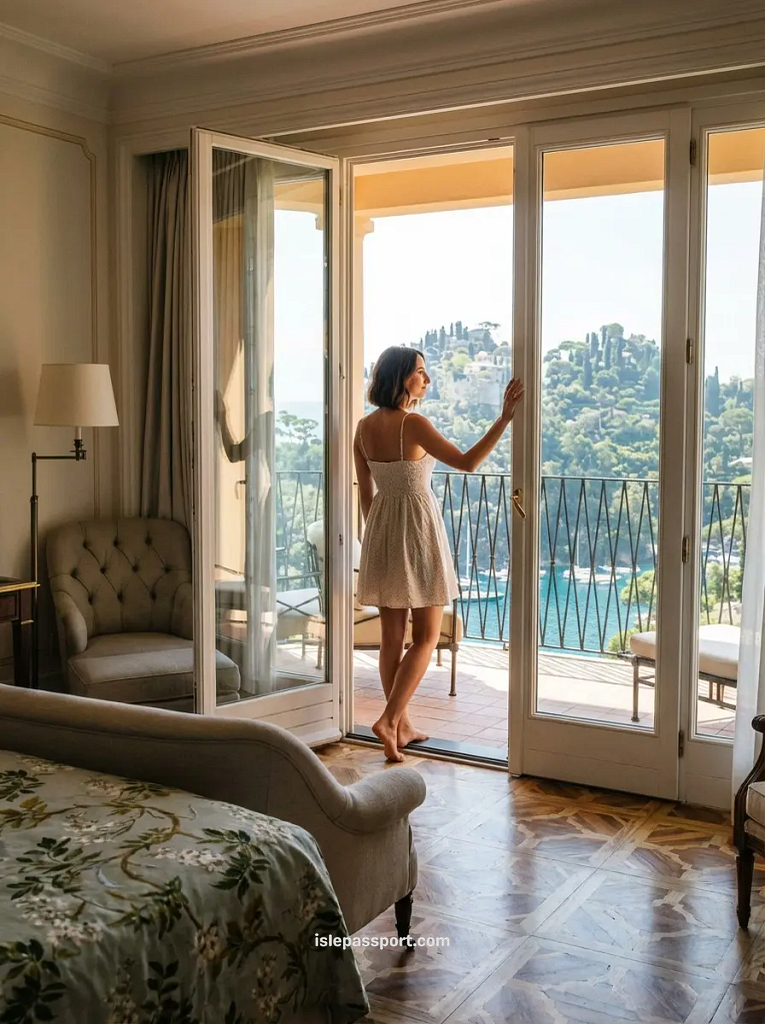
For couples, Portofino is a great romantic stop. Not because of big attractions, but because everything feels calm and upscale. You can walk to the lighthouse, visit Castello Brown, or just sit by the harbor with an espresso.
For anyone wanting a luxury stay in this part of Liguria, I covered the most exclusive villa options on the Italian coast in a separate post. This stretch from Santa Margherita to Portofino has some of the finest private rental properties in the country.
Would I live here? No. It’s more of a retreat than a real home base. But visiting at least once is worth it.
12. Amalfi – Namesake of the Amalfi Coast
- Location: Amalfi Coast, Campania
- Getting there: Ferry from Sorrento (1 hr) or Salerno (35 min)
- Best time: May-June, September
- Crowds: Busy in summer. Ferry queues can be long.
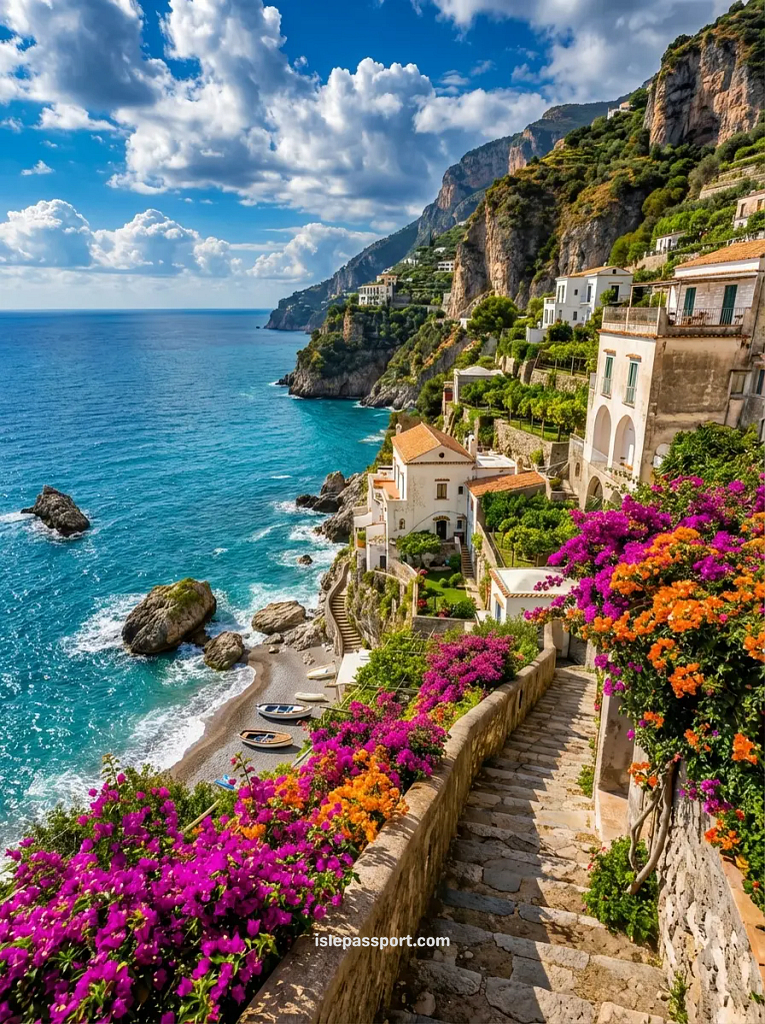
If Positano is the Amalfi Coast’s most beautiful town, Amalfi is its most functional. Eight kilometres apart by road, connected by one of the more alarming bus routes in Western Europe, and they serve completely different purposes.
The town has a proper piazza. Piazza del Duomo, dominated by the Cathedral of Sant’Andrea. A 9th-century building with a Byzantine-Arab-Norman facade that stops you mid-step.
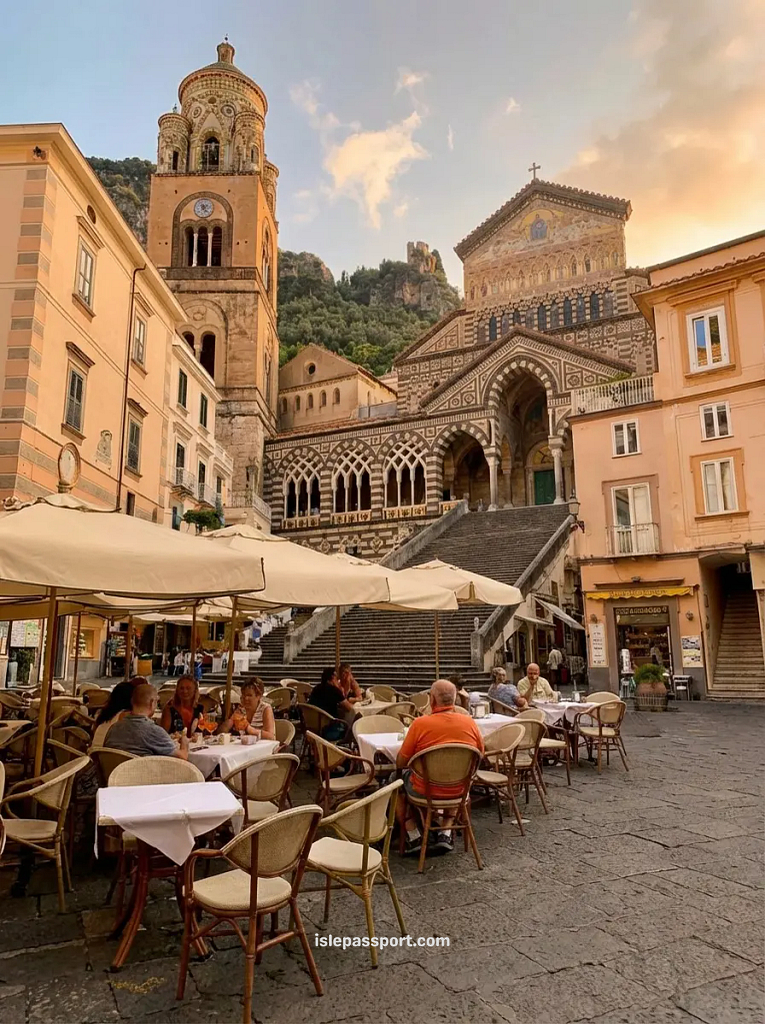
Behind the piazza, alleyways climb the hillside past paper shops (Amalfi has been making handmade paper since the 13th century. The Museo della Carta on Via delle Cartiere is genuinely excellent and costs €4 to enter), past ceramics sellers, and past old arched courtyards where laundry still dries between buildings.
The Sagrado del Cappuccini, a former monastery converted into a hotel, has a terrace bar open to non-guests in the afternoon. The view down over the rooftops to the sea is worth the price of a drink.
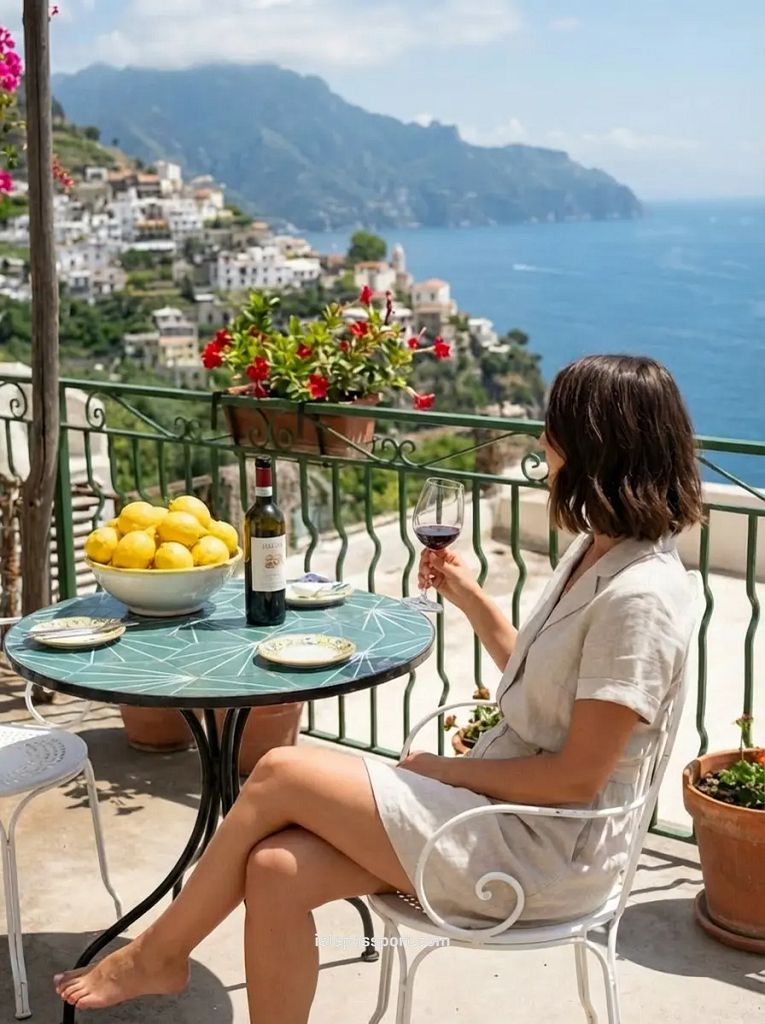
For calmer swimming than the town beach, boats run out to the coves of Duoglio and Santa Croce. Both cleaner and quieter than the main seafront, a 10-minute boat ride from the harbour. Duoglio has a small beach club that rents sunbeds.
This is one of the best seaside towns in Italy for using as a genuine base. Ferries to Positano, Capri, and Salerno all run regularly from the same harbour. I compared every Amalfi Coast town in a post going through all the options before you book, including which ones work for different budgets.
13. Scilla – Mythical Beauty in Calabria
- Location: Calabria, toe of Italy
- Getting there: Train from Reggio Calabria (20 min) or Villa San Giovanni (10 min)
- Best time: June, September
- Crowds: Very low. Genuinely uncrowded year-round.
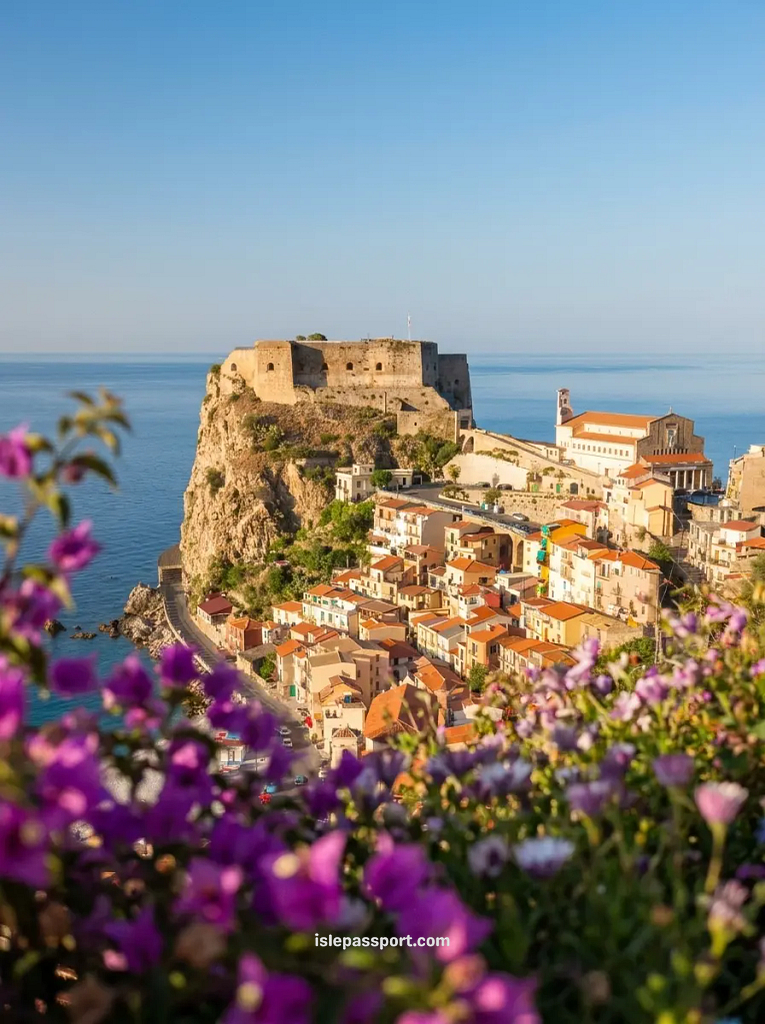
Scilla is one of those southern Italian coastal towns where you feel you’ve arrived somewhere before the crowds caught on. Which sounds like a travel writer cliché, except here it’s still mostly true in 2026.
The town splits into two distinct parts. The upper clifftop section and Chianalea, the fishing quarter, which sits on a narrow strip of land between the cliff base and the Strait of Messina.
In Chianalea the houses line both sides of a single alley barely wide enough for two people to pass. The sea is visible at both ends of every street. Fishing boats are moored close enough to front doors that some residents can step directly aboard them.
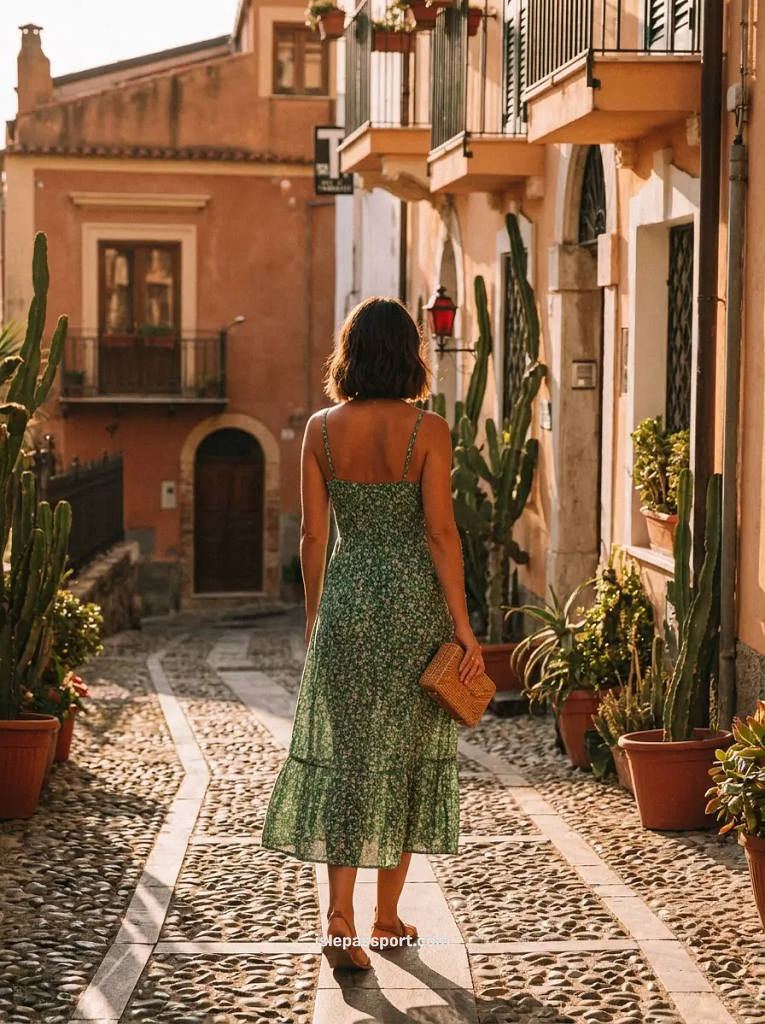
It’s one of the most unusual and atmospheric arrangements I’ve seen in Italy and almost nobody outside Calabria knows it exists.
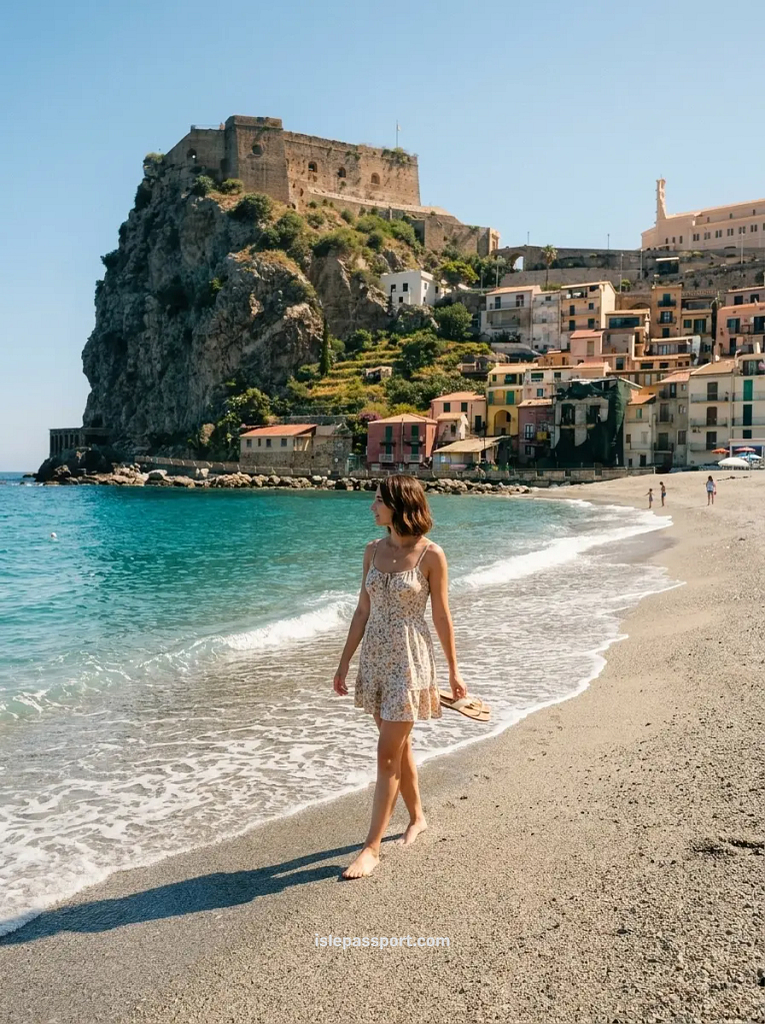
The beach at Marina Grande below the Castello Ruffo is wide, free, and genuinely beautiful. The castle itself sits on a rock above the beach and houses a small lighthouse.
The water is warm, the views across to Sicily and Etna on clear days are extraordinary, and the swordfish in the restaurants above the fishing quarter is caught that morning and costs about the same as a bus ticket in Milan.
Getting to Scilla takes commitment since it’s at the very toe of Italy. If you’re already in the south or combining with Sicily via the Villa San Giovanni ferry. 10 minutes across the strait. It becomes far more logical than it looks on a map.
This is one of the most underrated Italian coastal towns I’ve visited and it appears in my post on cheap Italian coastal towns worth visiting alongside others that give you beautiful coastline without Amalfi Coast prices.
14. Otranto – Blue Water & History in Puglia
- Location: Puglia, Salento peninsula
- Getting there: Train from Lecce (1 hr)
- Best time: June, September-October
- Crowds: Moderate. Manageable even in peak summer.
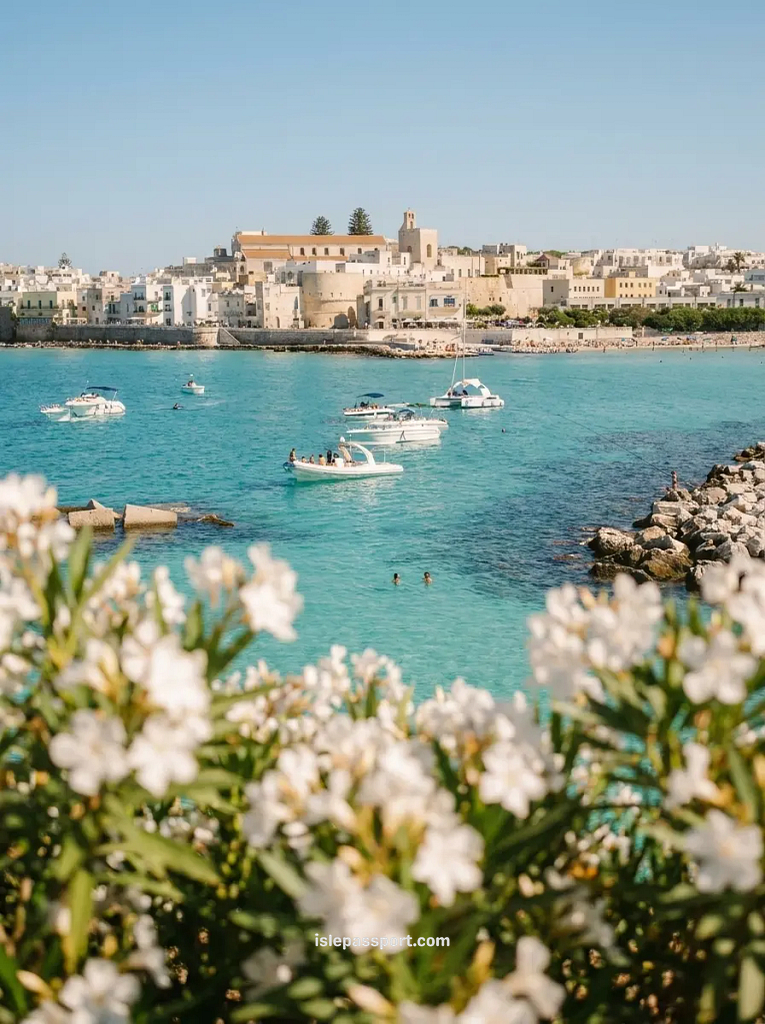
Otranto does something unusual. It’s simultaneously one of the best beach destinations in Puglia and one of the most historically important towns in southern Italy, and it doesn’t compromise one for the other.
The old city is ringed by 15th-century Aragonese walls that you can walk along the top of. The cathedral inside has a floor mosaic from 1163 that covers the entire nave.
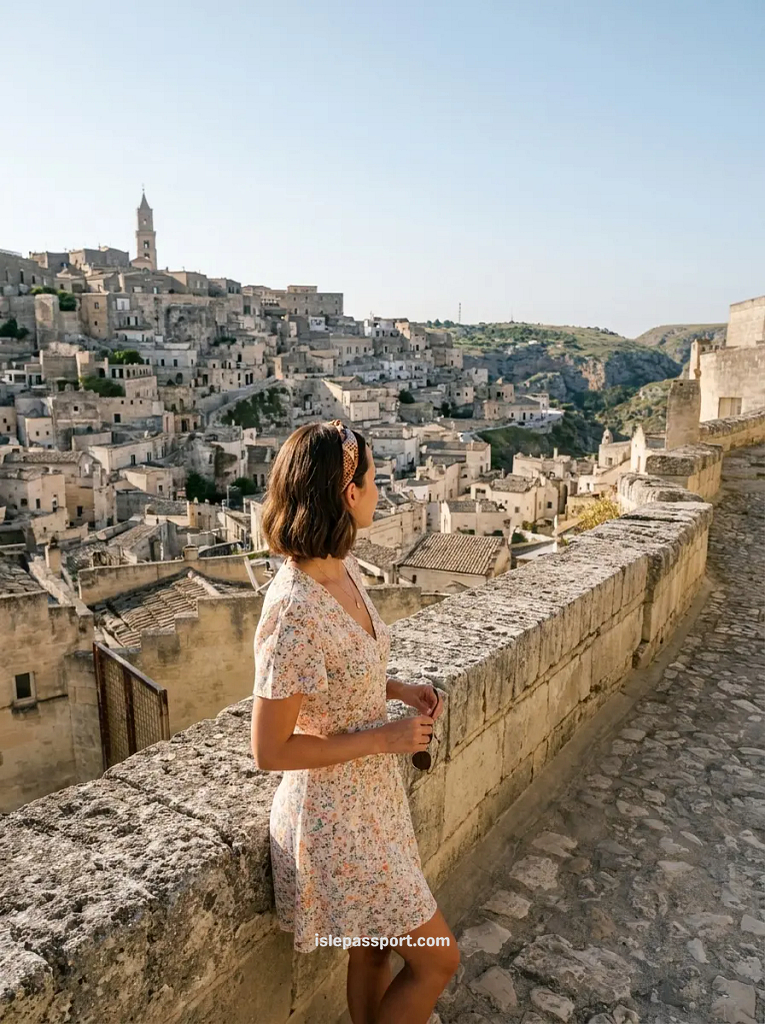
A labyrinthine tree of life with hundreds of figures including Alexander the Great, King Arthur, animals both real and mythological, and scenes from the Old Testament. It’s one of the most extraordinary pieces of medieval art in Italy and almost no one outside Puglia knows it exists. Go before the tour groups arrive at 10am.
The chapel of bones behind the altar contains the skulls and remains of 800 Otrantini martyred by Ottoman forces in 1480. Whatever you were expecting from a beach holiday in southern Italy, that particular room is not usually it. These are genuinely historic seaside towns Italy has in abundance, but Otranto is in a different category.
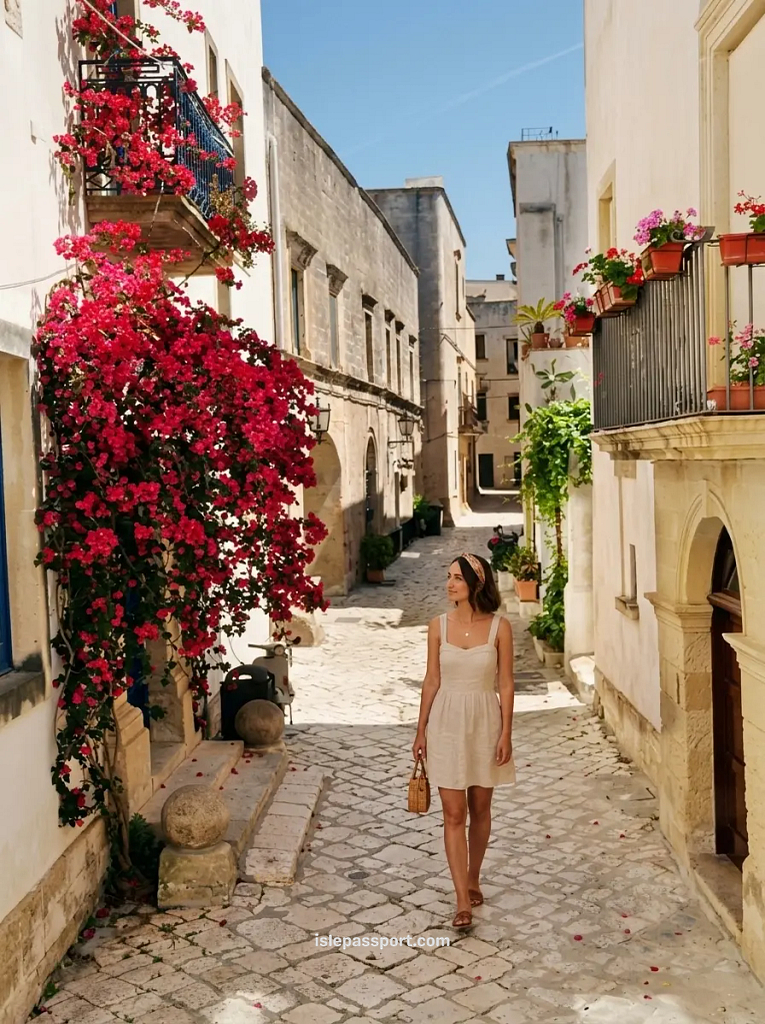
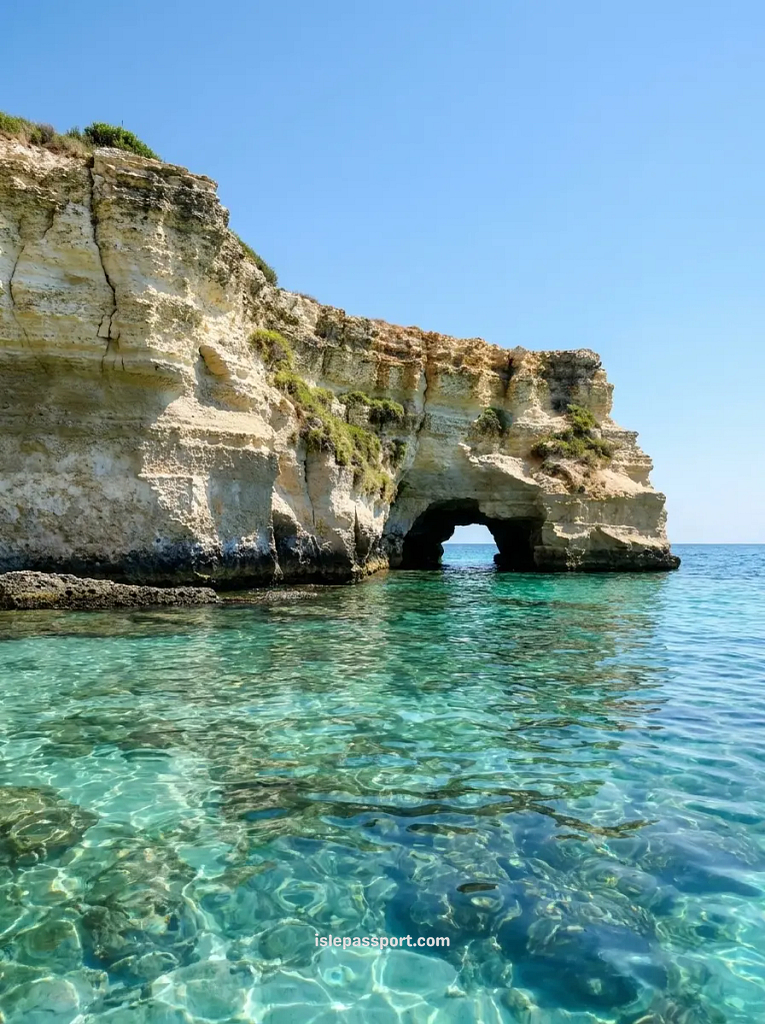
Outside the walls, the coastline is what the Salento is known for. The water is some of the clearest in Italy. That specific Caribbean-turquoise shade you see in photos of Puglia is real and it’s here.
Baia dei Turchi, north of town and reached by bike along the coastal path, is a long undeveloped beach backed by low scrub where I’ve never seen more than 50 people at a time even in late July.
I spent four days in Otranto in early October. The fish market was running at 7am every morning. The restaurants felt like they were cooking for people who lived there. The pace of the town felt like itself. October in Otranto is as close to perfect as a seaside town in Italy gets outside peak season.
Lecce is 40 minutes by train and deserves at least a day for its extraordinary Baroque architecture.
15. Alghero – Catalan Charm in Sardinia
- Location: Northwest Sardinia
- Getting there: Fly direct to Alghero Fertilia airport. Or ferry from Genoa/Civitavecchia to Porto Torres, then bus 35 min.
- Best time: May-June, September
- Crowds: Busy in August but manageable compared to eastern Sardinia.
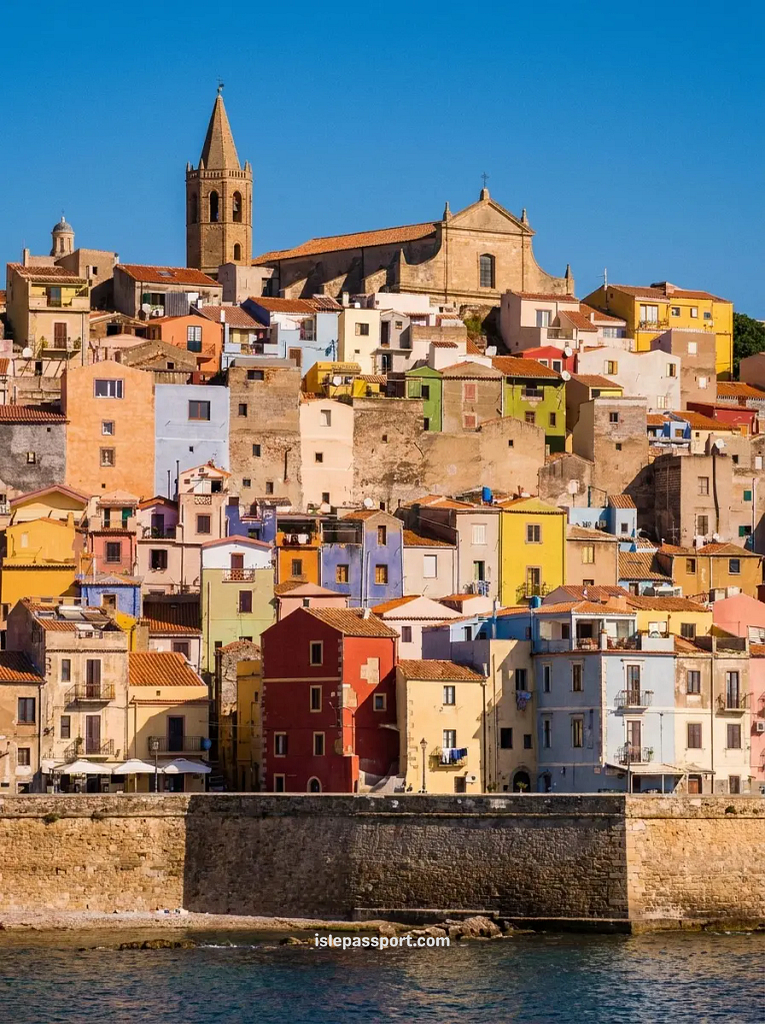
Sardinia has two problems. Everyone knows Costa Smeralda exists. Beautiful, extremely expensive, and with an energy that makes you feel like you’re visiting somewhere you weren’t quite invited to. And most first-time visitors don’t know what else the island has. Alghero solves that.
The town is in northwest Sardinia and carries a Catalan identity that makes it feel genuinely distinct from anywhere else in Italy. Street signs in both Italian and Catalan, architecture that looks more Barcelona than Rome, an old town of bastions and narrow cobbled streets that end at sea walls above the water.
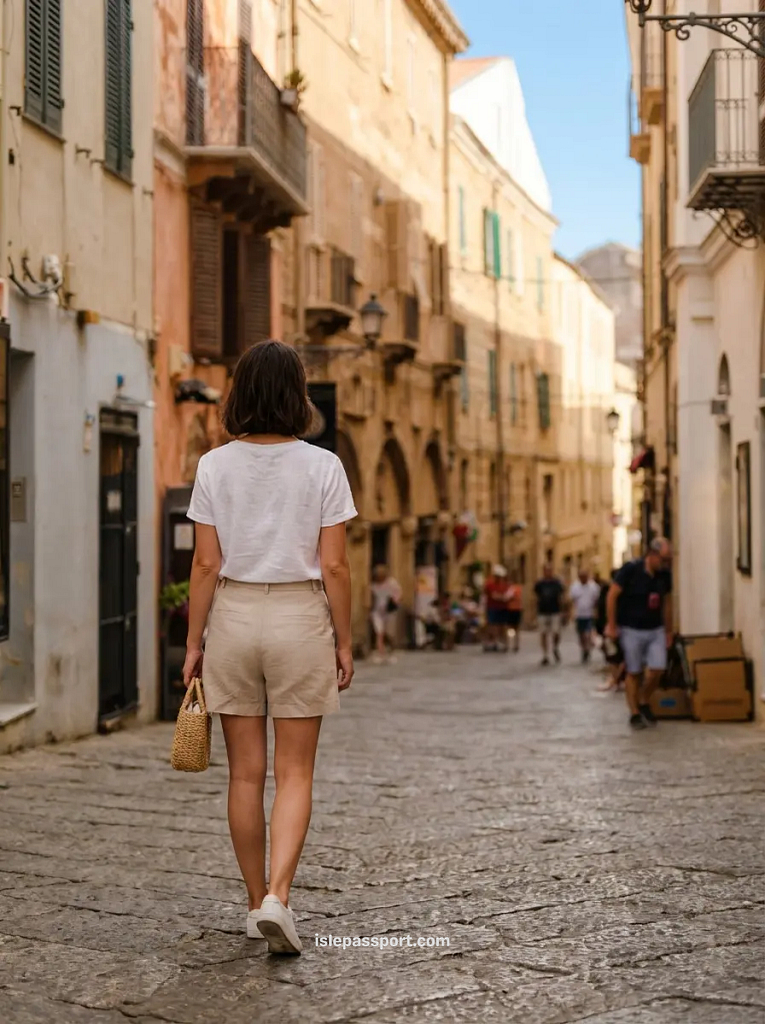
It’s one of the few Italian coastal towns. One of the best Italian island towns. That couldn’t exist anywhere else.
The beaches range from Spiaggia di Maria Pia. Fine white sand, shallow water good for children, pine forest behind it, 10 minutes north of town by bike. To the wilder coves of the Capo Caccia peninsula 25km away.
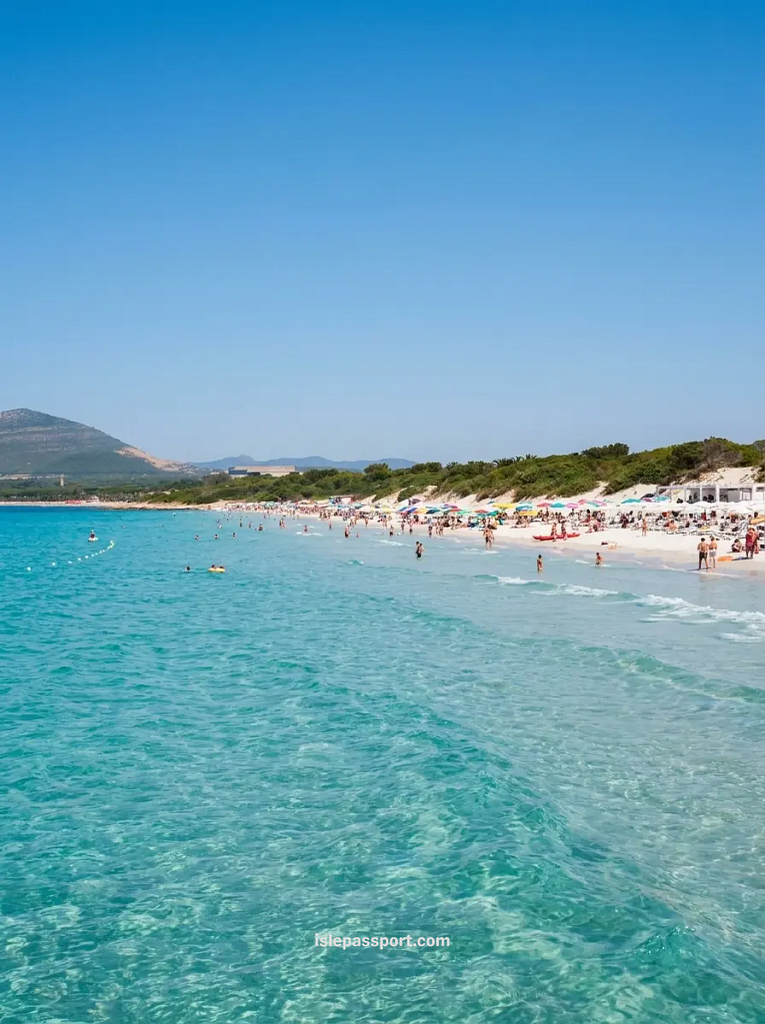
The Grotte di Nettuno sea caves at the base of the Capo Caccia cliffs are accessible by boat from the harbour or by descending 654 steps cut into the cliff face. The Escala del Cabirol. They are among the most beautiful natural formations I’ve seen anywhere in the Mediterranean and the vast majority of visitors to Sardinia never get there.
The old town in the evening is one of the better passeggiata scenes in Italy. The bastions above the sea are lined with people walking and talking and watching the sun go down, and the restaurants inside the old walls serve lobster alla catalana. Alghero’s signature dish. At prices that are still, relative to what you’d pay elsewhere for that quality, reasonable.
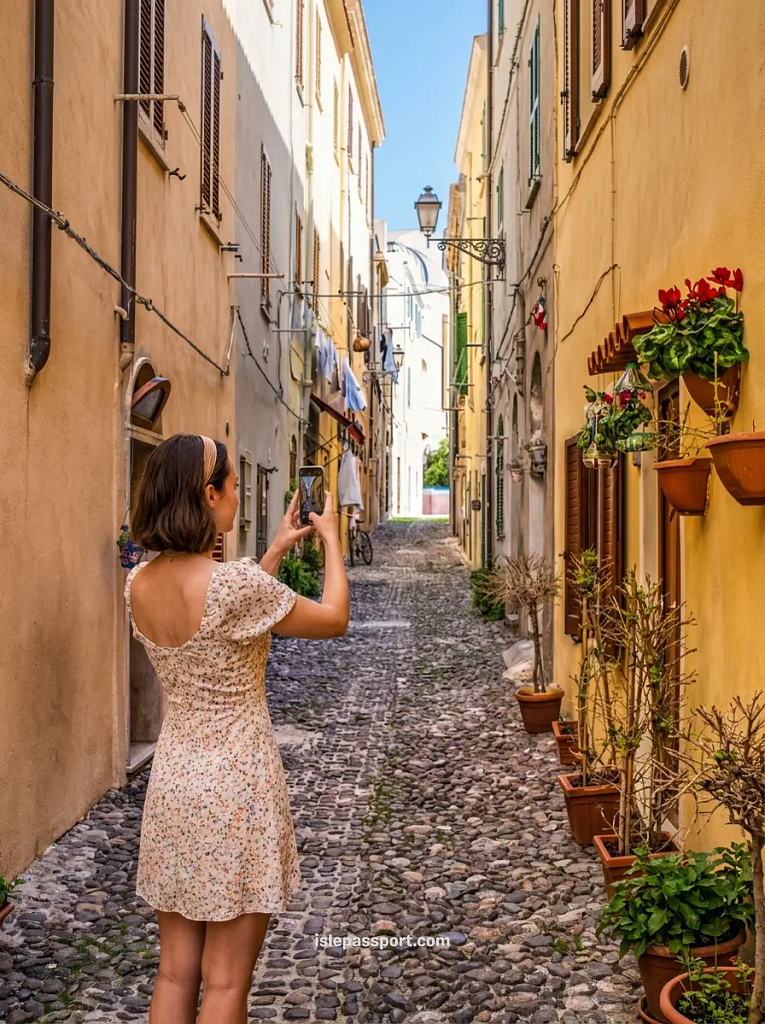
Alghero is best with a rental car or scooter for at least part of your stay. The town is completely walkable but the Capo Caccia peninsula and the best beaches require transport. Buses run but on limited schedules.
This is also one of the best Italian coastal towns for digital nomads on a longer stay. Good infrastructure, direct European flights from Ryanair and easyJet, beach access, a growing remote-work community, and a town that has enough going on outside summer that it doesn’t feel like a ghost town in November.
If you’re thinking about combining Italy with island hopping elsewhere, Sardinia fits into a wider Mediterranean island route more naturally than most people expect. The overnight ferries from Civitavecchia and Genoa make it easy to combine without adding a flight.
Best Time to Visit Italian Coastal Towns: Month by Month
| Month | Conditions | Rating | Verdict |
|---|---|---|---|
| May – early June | Warm, quiet, wildflowers on cliffs | ⭐⭐⭐⭐⭐ | Best overall window |
| Late June – July | Hot, busy but manageable | ⭐⭐⭐⭐ | Good if you book ahead |
| August | Peak heat, crowds, prices | ⭐⭐ | Avoid the famous ones |
| September | Warm sea, quieter, local feel | ⭐⭐⭐⭐⭐ | Equal to May, often better |
| October | Cooler, off-season prices | ⭐⭐⭐⭐ | Perfect for slow travel |
🌊 Shoulder season is usually the sweet spot for coastal Europe.
The best time to visit Italian coastal towns is almost always May-June or September. The sea is warm, the towns are functioning properly, and prices are 20-40% lower than August.
The one exception: genuinely off-the-radar towns like Scilla, Porto Ercole, and Gaeta stay manageable in August because they don’t pull international summer crowds. The problem is specifically the famous towns. Positano, Cinque Terre, Portofino in August is a meaningfully different. And worse. Trip than May or September.
FAQs About Best Coastal Towns In Italy
These are the questions people usually ask me before planning a coastal trip to Italy. I’ll keep the answers simple and based on real experience — not generic travel-agency advice.
What is the most beautiful coastal town in Italy?
For pure visual drama, Manarola in Cinque Terre is my answer. But it’s genuinely personal. Positano is more dramatically vertical, Scilla is more atmospheric, Alghero is more architecturally distinctive. The most beautiful coastal town in Italy depends on what kind of beauty you’re drawn to.
What are the best coastal towns in Italy near Florence?
If you’re staying in Florence and want something easy, Castiglione della Pescaia is the one I recommend most. It’s clean, local, and great for families and couples. Viareggio is the closest and easiest by train, but Castiglione has the better beaches.
Where can I live on the coast of Italy affordably?
If you’re thinking long-term, the most realistic options are in the south. Cefalù, Scilla, and Otranto give you beautiful coastlines, warm weather, and much better prices than the north. These are some of the best coastal towns Italy to live if you want a slower lifestyle without paying “tourist town” prices.
Are there family-friendly beach towns in Italy?
Yes — and honestly, Italy is great for families. The easiest places for kids are Viareggio, Sperlonga, and Castiglione della Pescaia. These towns have calm, sandy beaches, safe streets, and everything you need within walking distance. They’re some of the best coastal towns in Italy for families.
Which coastal towns in Italy are quiet and non-touristy?
If your goal is quiet, choose towns outside the main hotspots. Porto Ercole, Gaeta, and Scilla are great options. They’re peaceful, local, and much less crowded than places like Positano or Vernazza. These are some of the best quiet coastal towns in Italy if you want a calm trip.
What’s the best time to visit coastal towns in Italy?
My honest answer: May, June, or September.
July and August are fine, but they’re hot, expensive, and crowded. If you want warm water without chaos, go in September.
For deeper inspiration and practical tips on Italy’s seaside regions, you can explore the Lonely Planet Italy Coast Guide, which covers beaches, transport, and local culture in detail.
Before You Go..
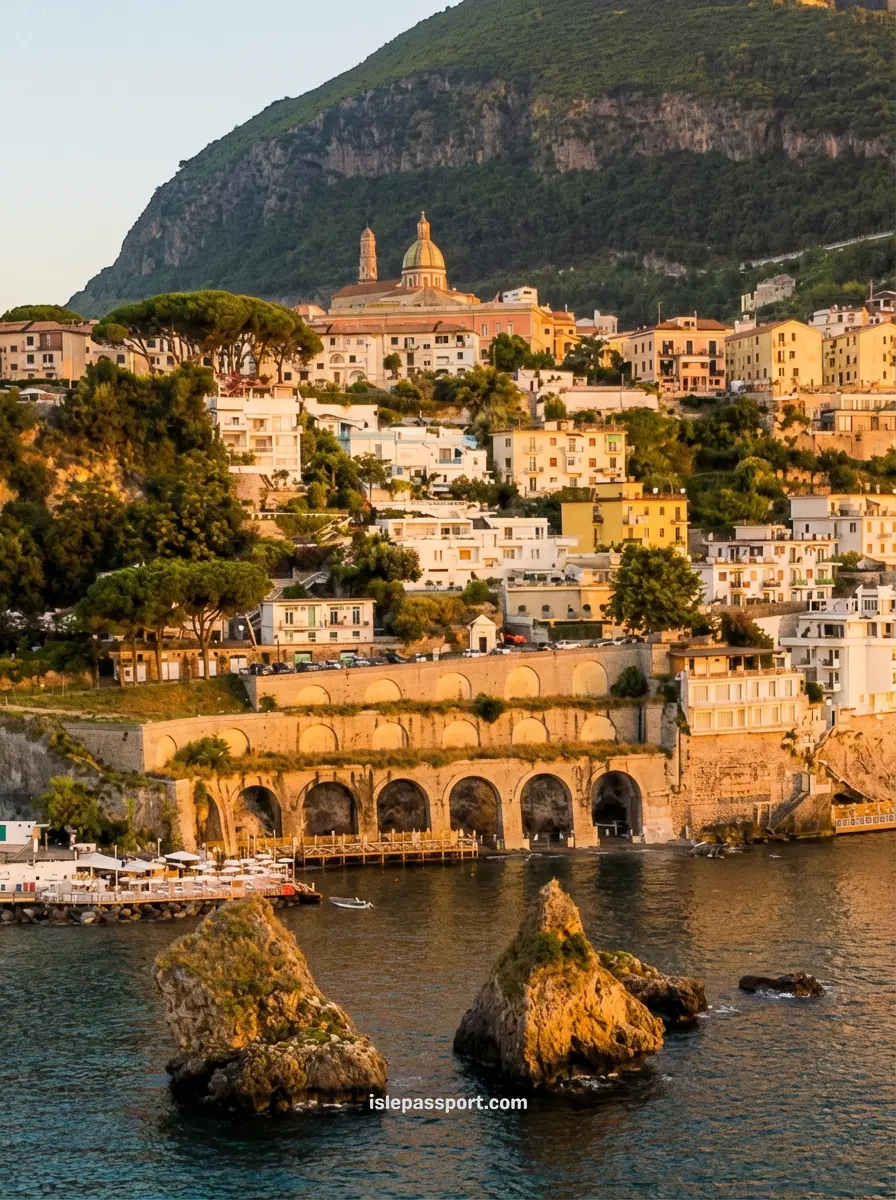
Italy has so many coastal towns that choosing just one can feel almost impossible. But the good news is this: you can’t really make a bad choice.
Each region gives you something different — Liguria has cliffside views, Tuscany has long sandy beaches, Puglia has dramatic coastlines, and Sicily has warm water and great food.
My advice is simple:
Start with the town that fits the trip you want, not the one that shows up first on social media. If you want romance, go for Positano or Manarola.
If you want quiet, go for Porto Ercole. If you’re on a budget, pick Polignano a Mare or Otranto. And if you’re thinking about long-term life by the sea, look at Cefalù or Scilla.
Bookmark this guide, save the map, and check the links below if you want to build a full route or find even more towns.
Here’s what to read next:
- Coastal Escapes Italy (deep dive by region)
- Every Amalfi Coast town compared
- Coastal Italy for first-time visitors
- Beach towns near Venice by train
- Coastal towns near Naples
💛 Loved this guide?
If it helped you plan your trip or discover somewhere new, you can help me create the next one. Every guide is free to read, independently researched, and made with travellers like you in mind.
