

Italy Coastline Explained: Best Regions, Towns & Beaches for 2026

The Italy coastline is one of the most varied and beautiful in Europe — stretching from pastel villages in the north to rugged cliffs and warm Mediterranean bays in the south.
If you’ve started planning a coastal Italy trip, you’ve probably run into the same confusion I did: there isn’t just one coast. There are multiple seas, dozens of regions, and towns that look completely different depending on where you go.
Before I explored it myself, names like “Amalfi Coast,” “Ligurian Coast,” “Adriatic side,” and “Tyrrhenian Sea” all blurred together.
So I followed the coastline one region at a time. Stopping in small towns, swimming in local coves, and letting the map make sense through real travel.

Over time, the puzzle came together: what each coastline looks like, who it’s best for, and how to plan a realistic route without getting overwhelmed.
This guide is the simple version of that journey — a practical map of coastal Italy, with the best regions, beaches, and stays, plus how the four seas shape the landscape and vibe of each area.
Let’s start with the map — because once you understand how Italy’s coastline fits together, everything else becomes easier.
Italy Coastline Map (Overview of All Coasts)
Seas Around Italy
I always say that Italy’s coastline only makes sense once you see it on one simple map. When most travelers picture coastal Italy, they think of cliffs and pastel houses.
Basically Liguria and Amalfi — but the truth is the coastline changes dramatically depending on which sea you’re next to.
Once you see how the seas wrap around the boot, it becomes much easier to layer in real stops from my best coastal towns in Italy overview, instead of trying to guess from a blank map.
The map highlights four main seas that shape the country:
- Ligurian Sea (northwest)
- Tyrrhenian Sea (west)
- Adriatic Sea (east)
- Ionian Sea (south)
Once you see the full picture, everything else starts to click. Why the northern Italy coastline feels completely different from the beaches in Puglia. Why Tuscany has long sandy shores.
Why Calabria and Basilicata feel warmer and more remote, and why the islands (Sicily and Sardinia) look almost tropical in some places.
What the Map Shows

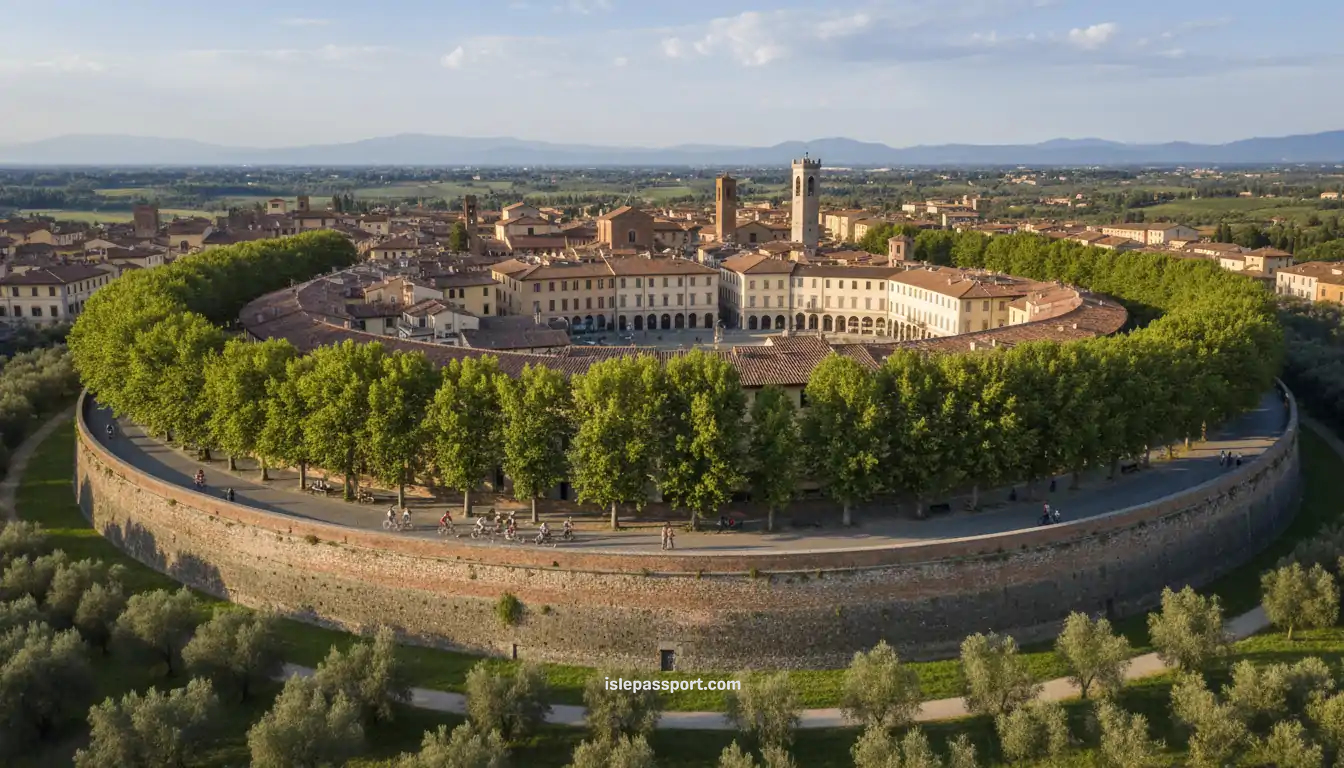
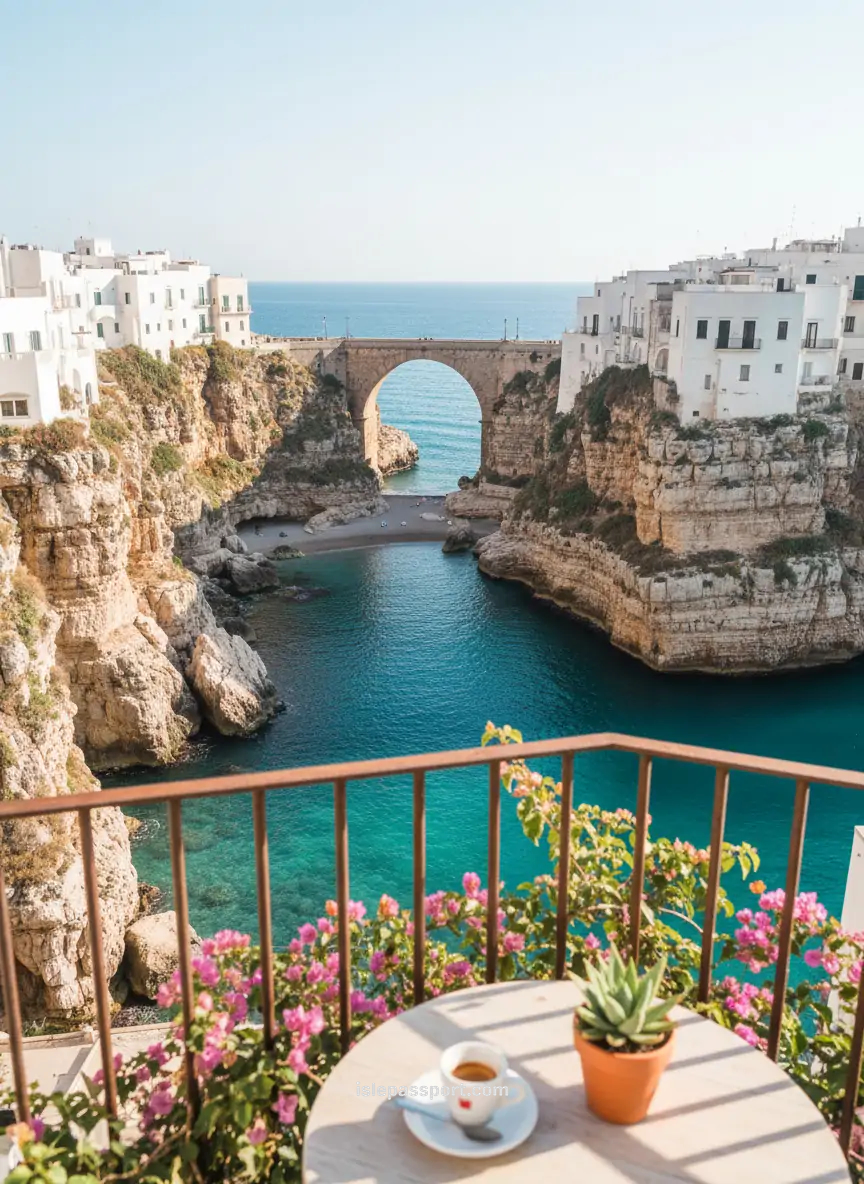
When you look at an Italian coastline map, you see how the seas divide the coastline naturally:
Ligurian Sea (Northern Italy)
This is where you get the classic pastel villages — Cinque Terre, Portofino, Camogli, Tellaro. The coastline here is steep, rocky, dramatic, and full of walking paths and cliffside towns.
Tyrrhenian Sea (West Coast)
This covers Tuscany, Lazio (Rome’s region), Campania (Amalfi Coast), and down through part of Calabria. It’s a mix of sandy beaches, small ports, islands, and cliff towns.
Adriatic Sea (East Coast)
This side looks different from the west — calmer water, long beach towns, whitewashed villages in Puglia, and flat coastline in the northern Adriatic.
Ionian Sea (Southern Tip + Part of Puglia & Calabria)
Warm water, wide beaches, and quieter towns. I found this part of Italy surprisingly calm and good for slow travel.
If you’re planning a route and confused about how these coastlines connect, this simple sea-by-sea view helps a lot.
Why Italy’s Coastline Is So Diverse


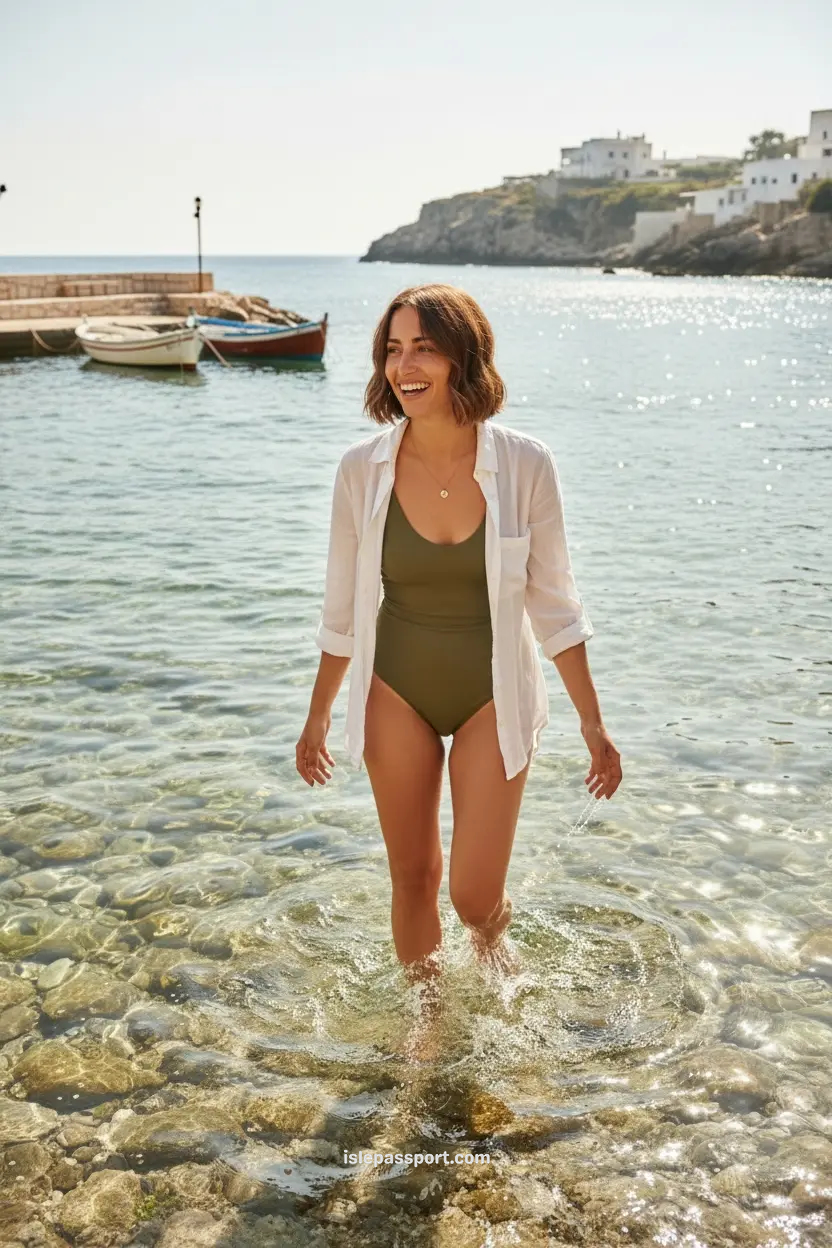
I noticed quickly that no two regions along the Italy coastline feel the same. A few big reasons explain this:
Geography
- Northern Italy has steep cliffs because the mountains sit right behind the water.
- Central Italy opens into long stretches of sand.
- Southern Italy has warmer seas and older, quieter fishing communities. Puglia sits on two seas at once, which is why the water there is so clear.
Climate
The north is cooler and more dramatic. The south stays warm almost year-round. Sardinia and Sicily have their own micro-climates with very clean, calm water.
Culture
Food, architecture, and local life change completely as you move between coasts. The Adriatic side has a different rhythm than the Tyrrhenian side.
It’s like driving through multiple countries — but without crossing any borders.
Italy Coastline Length (Explained)
Coastline in Numbers
A surprising fact: the Italy coastline length depends on who you ask. Different organizations measure the jagged edges and island shores differently — but the important part is simple: Italy’s coast is long and extremely varied.
Coastal Regions of Italy (Explained Simply)
Let’s break down the coastline into regions you can actually understand — not just seas.
These aren’t technical categories. They’re the way I wish someone explained the Italy coastline to me before I started traveling it.
Ligurian Coast (Northwest)
This is classic northern Italy by the sea. The Ligurian coast is narrow, mountainous, filled with pastel towns and old harbors. I walked the trails of Cinque Terre, stayed in Camogli, watched fishermen repair boats in Tellaro, and always ended evenings with seafood pasta by the water.
If you want colorful villages and cliffside towns, this is where you go.
Tuscan Coast
Tuscany surprised me. I expected vineyards and cities — but the Tuscany coastline is long, sandy, family-friendly, and full of small resorts and beach clubs. There are pine forests, quiet bays, and islands like Elba, which turned out to be one of my favorite swimming spots.
It’s simple, clean, and easygoing.
It also pairs perfectly with Tuscany coastal towns near Florence, so you can wake up in the hills and end the day with your feet in the sea.
If Tuscany is your base, you can also check the best beaches near Florence for quick day trips to the sea.
Lazio Coast

This is Rome’s coastline. Locals escape here on weekends for relaxed sandy beaches. The towns aren’t flashy — but places like Sperlonga feel bright, whitewashed, and calm. Standing in Sperlonga’s upper old town and looking at the beach below made me appreciate how underrated this region is.
When you stay in the city and crave salt water, a handful of coastal towns near Rome turn into simple, low-stress escapes.
Campania Coast

Yes, this is where the best Amalfi Coast towns are — but Campania is bigger than that.
Sorrento, Amalfi, Positano, and all the famous towns sit along the steep Tyrrhenian cliffs. But keep going south and you reach the Cilento Coast, which I loved for its quieter towns, family-run hotels, and cleaner beaches.
Once you zoom out from Amalfi and Positano, you start to see a whole string of coastal towns near Naples that work better as real bases, with easier logistics and better prices.
Calabria + Basilicata Coast
One of the warmest, quietest parts of Italy. When people ask me where to go for local life, slower days, and clear warm water, I always mention southern Italy coastline towns like Tropea, Scilla, and Maratea. The beaches feel natural and the pace is calmer.
A lot of these spots share the same slow rhythm as my favorite Italian coastal towns for digital nomads — just without the coworking branding.
Puglia’s Adriatic + Ionian Coasts

If your idea of the perfect coastline is clear blue water and bright white towns, Puglia delivers. I stayed in Monopoli, swam in Polignano a Mare’s cliffside coves, and watched sunsets in Gallipoli. The Adriatic side is more dramatic, the Ionian side more relaxed.
Sicily + Sardinia Coastlines
Sicily feels ancient, with beaches tucked under cliffs, volcanic landscapes, and long coastlines dotted with small towns. Sardinia feels completely different — wide sandy beaches, turquoise water, a more relaxed atmosphere.
If you want island life, these two regions feel almost like separate countries in the best way.
Italy Coastline Map: Towns & Highlights by Region
If you’re looking for a map of Italy coastal towns, here’s the breakdown I wish I had when planning.
Northern Italy Coast Towns
I traveled through this area by train and short bus rides. My favorite towns:
- Camogli — fisherman’s harbor, long promenade.
- Santa Margherita — elegant, lively, colorful.
- Tellaro — quiet, small, one of Italy’s prettiest little villages.
They’re great for short stays and slow afternoons.
Central Italy Coast Towns
Tuscany and Lazio offer comfortable, easygoing towns:
- Orbetello — a lagoon town, calm beaches nearby.
- Porto Ercole — old forts, small coves, relaxed marina.
- Sperlonga — bright, whitewashed, perfect swimming water.
I always recommend Sperlonga to people who want Amalfi-style views without the crowds.
Southern Italy Coast Towns
These feel warm, local, and welcoming:
- Tropea — incredible cliff views.
- Scilla — castle, narrow lanes, beachside restaurants.
- Maratea — quiet, natural, one of the best coastline views in Italy.
Island Towns (Sicily + Sardinia)
For island coastline lovers:
- Cefalù — golden beaches under a huge cliff.
- San Vito Lo Capo — unbelievably clear water.
- Villasimius — soft sand, calm waves, great for swimming.
Many of these shores also appear in my guide to uncrowded Mediterranean islands, especially if you want quieter beach days away from the mainland.
Best Parts of the Italy Coastline (Ranked by Travel Style)
Here’s what I recommend based on what you want:
Puglia & Sardinia – some of the clearest, best swimming water in Italy.
Liguria & Campania – pastel towns, cliffside views, and postcard-perfect harbors.
Calabria & Cilento Coast – slower days, warm water, and very local energy.
Sicily – seafood, pasta, and desserts that genuinely feel a level above.
Tuscany Coast – long sandy beaches, shallow water, and easy, kid-friendly days.
Best Coastal Towns on Each Coastline (Slow-Travel Picks)
These towns are places where I stayed long enough to understand their rhythm — swimming in their coves, walking through their old streets, drinking morning coffee in the same cafés locals use, and staying until the light changed at the end of the day.
If you’re planning a coastal Italy trip and want to know what these towns actually feel like, this is the part of the guide that will help the most.
Ligurian Coast (Northwest)
The Ligurian Coast feels compact, colorful, and full of life. Everything is built into cliffs or tucked into small harbors. I found it perfect for slow days — walking, eating, and riding the regional train between towns.
Tellaro

Tellaro is one of those places where time feels slower. It’s tiny — just a handful of narrow alleys, a church overlooking the sea, and family-run trattorias where you can see the cook plating seafood by hand.
I rented a small room above the harbor, and most mornings I walked down to the rocks where locals sunbathe.
The water here is clear and deep, and because there’s no big beach, the town stays calm even in summer. It’s one of the best spots for travelers who want beautiful views without big crowds.
Camogli
If you like the idea of Cinque Terre but want fewer people and more space, Camogli is ideal. It’s one long waterfront with colorful houses and small boats tied in the harbor.
My routine here was simple: a cappuccino on the promenade, a long walk toward the lighthouse, and seafood trofie al pesto for lunch. The town feels lived-in — not just for tourists — which makes staying here feel more real and comfortable.
Sestri Levante
Sestri has two perfect bays side by side: the Bay of Silence and the Bay of Fables. Both have shallow, calm water, which makes swimming easy.
I loved ending the day here; people gather along the waterfront, kids run around the beach, and the old town fills with the smell of focaccia.
If you want a base that feels local but still has beaches, this is one of the best in Liguria.
Tuscan Coast
The Tuscan coastline surprised me with how relaxed and easy it is. These are towns where you can stay a full week without feeling rushed. The beaches are wide, sandy, and simple, and everything is built for long summer days.
For this region specifically, Italian coastal villas can actually work out cheaper than hotels when you are travelling as a group. And the experience is genuinely better.
Viareggio
Viareggio feels like a classic Italian beach town — long promenade, private beach clubs, gelato shops every few steps, and wide sandy shores. It’s ideal for travelers who want comfort: sunbeds, shade, cafés, bike rentals, and good train connections.
I spent my time biking between neighboring towns and swimming in the shallow water. It’s one of the easiest coastal towns to navigate.
Castiglione della Pescaia
If you want clean beaches, bright water, and a town that mixes nature with great food, Castiglione is perfect. I stayed near the old fortress, and most afternoons I walked through pine forests to reach quieter coves.
The water is clean and shallow, and the coastline feels more natural compared to the northern Tuscan towns. It’s a great spot for couples or solo travelers who enjoy walking trails and peaceful beaches.
Porto Ercole
Porto Ercole feels elegant without being expensive. The town is small, with a marina, hillside forts, and secret coves you reach by short hikes. I spent two days exploring the Monte Argentario peninsula — every viewpoint looks like a postcard.
It’s one of the best slow-travel bases in central Italy.
Lazio Coast
Rome’s coastline is simple, bright, and overlooked by most travelers — which is exactly why I liked it. These towns feel less touristy and more like real Italian summer destinations.
Sperlonga
Sperlonga is one of my favorite towns in central Italy. The old town sits high above the sea, with whitewashed lanes that remind many travelers of Greece. From the top you get clear views of the entire coastline — pale sand, blue water, and a calm beach that’s perfect for swimming.
I stayed here for three nights and spent most of my time walking between the main beach and the old town. It’s peaceful, clean, and great for a relaxing holiday.
Gaeta
Gaeta is a bigger town than Sperlonga, but it has more to explore: a medieval fort, scenic lookouts, and multiple beaches. The coastline here is interesting — you get both wide sandy shores and rocky coves depending on where you walk.
For travelers who like a mix of sightseeing and beach time, Gaeta works well.
Campania Coast
Most travelers come for the Amalfi Coast, but Campania has a lot more to offer. I stayed in big-name towns and small ones, and the quieter locations turned out to be my favorites.
Sorrento
Sorrento is an easy base: good hotels, quick transport, beautiful viewpoints, and plenty of restaurants. The coastline isn’t full of big beaches, but swimming platforms and clubs make it easy to enjoy the water.
If you’re planning day trips to Capri, Positano, Amalfi, and Pompeii, this is the most convenient place to stay.
Amalfi Coast Alternatives: Vietri sul Mare & Minori
If the Amalfi Coast feels too crowded or expensive, Vietri sul Mare and Minori offer a calm alternative. I stayed in Vietri and enjoyed its ceramic-filled old town and quieter beaches.
Minori is great for food lovers — small bakeries, local shops, and a relaxed promenade. These towns still give you the Amalfi views without overwhelming crowds.
Cilento Coast (Agropoli, Acciaroli)
The Cilento Coast feels completely different — quieter, more natural, and more affordable. I loved Agropoli’s old town and small beaches. Acciaroli is famous for its long, calm coastline and simple fishing-town feel.
If you want to avoid high-season chaos, this is a fantastic region.
Calabria Coast
Calabria has warm water, dramatic cliffs, and some of the best views I saw along the entire Italy coastline. It’s much quieter than the northern regions, so everything feels more local.
Tropea
Tropea looks dramatic the moment you arrive. The old town sits on a cliff, and below it is a long beach with bright blue water. Swimming here in the late afternoon is something I still remember clearly — the water stays warm, and the cliffs glow in the evening light.
It’s one of the best coastal Italy towns overall.
Scilla
Scilla is tiny but amazing. It’s split into two parts: a charming old district with small lanes, and a long beach with restaurants right on the water. The castle above the town gives great views, and the water is incredibly clear.
If you love towns that feel untouched by tourism, this is a must.
Pizzo
Pizzo is known for its tartufo gelato — and yes, it really is worth trying. The town sits on a hill overlooking the sea, and the beach below is comfortable and relaxed. It’s a great stop if you’re exploring Calabria by car.
Puglia Coast (Adriatic + Ionian)
Puglia is where I found some of the clearest water in Italy. The coastline changes a lot — cliffs on the Adriatic side, calm warm beaches on the Ionian side — so you can choose the vibe you want.
Polignano a Mare
Bright white cliffs, coves you can swim under, and small beaches squeezed between limestone walls. Polignano has a lively energy, and if you like cliff-jumping or watching others do it, this town is perfect.
Monopoli
Just 10 minutes from Polignano, but way calmer. I stayed here for five days because the town beach was so easy — shallow, warm, and perfect for long swims. The old town is charming and full of small wine bars.
Gallipoli
Gallipoli faces the Ionian Sea, so the water is warm and calm. Sunset here is special — the old town sits on an island connected by a bridge, and the light reflects beautifully across the bay.
It’s one of Puglia’s best bases for exploring the southern coastline.
Sicily & Sardinia
The islands feel different from mainland Italy — slower, more spacious, and filled with natural beauty.
Cefalù (Sicily)
Cefalù has everything in one place: a wide sandy beach, an old town full of character, a large rock you can hike, and great restaurants. I found it easy to stay here without a car.
San Vito Lo Capo (Sicily)
This is one of the clearest beaches I’ve seen in Italy. The sand is soft and white, the water is shallow and turquoise, and the whole town feels like a summer resort. It’s great for families or anyone who wants a simple beach holiday.
Villasimius (Sardinia)
Villasimius is a perfect base for exploring multiple beaches. Every day I drove or walked to a different bay — some with hidden paths, others wide and sandy. Sardinia’s southeast cape has some of the best swimming spots on the island.
Best Beaches on the Italy Coastline (By Region)
Here are the beaches I would return to without thinking twice.
Spiaggia della Pelosa (Sardinia)
The water here looks unreal — shallow, glassy, and bright. I stood in waist-deep water and could still see every detail of the sand below.
Baia dei Turchi (Puglia)
This one is surrounded by pine forests, so you walk through nature before reaching the beach. It feels peaceful and natural, even in the afternoon.
Cala Goloritzé (Sardinia)
You have to hike to get here. It’s worth it. The water is clear enough to see fish just by looking from above, and the cove feels hidden and quiet.
Cala Violina (Tuscany)
A sandy beach reached by a forest trail. Good for travelers who want something less commercial.
Scopello (Sicily)
Rock formations, deep blue water, and a scenic coastline that feels dramatic but still easy to access.
If you’re curious about how Italy protects its marine areas, the official ISPRA environmental institute publishes national reports on coastal conservation.
Comparing Italy’s Coasts (North vs South vs Islands)
Travelers always ask: Which coast is best?
The honest answer: it depends what you like.
Water Color & Temperature
North Italy: cooler, deep blues, stronger waves.
Central Italy: mild & comfortable late spring–fall.
South Italy: warm, clear, excellent for swimming.
Islands: some of Europe’s clearest waters.
Food & Culture Differences
Liguria: pesto, seafood pasta, anchovies.
Tuscany & Lazio: grilled fish & trattorias.
Campania: lemons, mozzarella, seafood risotto.
Sicily: arancini, couscous, cannoli.
Driving vs Trains
Best by car: Sicily, Sardinia, Calabria, Puglia.
Best by train: Liguria, Tuscany, Lazio, Campania.
Budget Differences
Cheapest: Calabria, Puglia, rural Sicily.
Mid-range: Tuscany & Lazio.
Most expensive: Liguria, Amalfi, Sardinia (summer).
It’s a massive gap, honestly. You can live like royalty in the south for what you’d spend on a basic room in the north. If you’re trying to figure out where your money goes furthest, I actually put together a full breakdown of the cheapest coastal towns in Italy by region to help you pick a spot that won’t break the bank.
FAQs About the Italy Coastline
How long is the Italy coastline?
Around 7,900 km, depending on measurement method.
What is the name of Italy’s famous coasts?
Amalfi Coast, Cinque Terre, Costa Smeralda, Costa degli Dei, Cilento Coast.
Which part of Italy has the clearest water?
Puglia, Sardinia, and parts of Sicily. For travelers who like checking official coastal safety updates, the Italian Coast Guard provides real-time notices about sea conditions and coastal access.
What are the best beach towns in Italy?
Polignano a Mare, Tropea, Cefalù, Camogli, Monopoli.
How to Plan a Trip Along the Italy Coastline
A quick practical guide to help with planning.
Best Months to Visit
For most of Italy’s cities, coast and countryside, May–June and September–October bring warm, comfortable weather without peak-season crowds. July–August are hot and busy, while April and early November are quieter shoulder months.
Public Transport vs Renting a Car
Trains
Great for Liguria, Tuscany, Lazio, Campania.
If you’re starting farther north, you can also reach several quiet beach towns near Venice by train, which makes it easy to explore the coast without renting a car.
Car
Helpful for Calabria, Puglia, Sicily, Sardinia.

If you prefer to book ahead, I usually use reliable local car rental platform so I can compare prices easily and avoid last-minute surprises.
7-Day Sample Itinerary
🇮🇹 Italy Coast Routes (7 Days)
🌊 North + Central
Camogli → Cinque Terre → Tuscany
Days 1–7 • Liguria + Tuscany coast🌅 South + Islands
Puglia → Calabria → Sicily
Days 1–7 • Beaches + warm water🔗 Easy Combos
Liguria + Tuscany
Tuscany + Lazio
🏝️ South Combos
Puglia + Basilicata + Calabria
Sicily + Calabria
Before You Go..
After traveling the Italy coastline by train, car, ferry, and on foot, the biggest thing I learned is that Italy’s coasts aren’t meant to be compared.
They’re meant to be understood region by region. Each part has its own rhythm, its own food, its own scenery, and its own style of travel.
Coastal Italy can be cliffs, or wide beaches, or tiny fishing villages, or islands that feel far from everything. It just depends where you go.
If you’re planning your first trip, don’t chase hype or famous names. Start with the region that matches what you want — beaches, villages, quiet towns, food, or family-friendly days — and build your route from there.
Whichever coast you choose, you’ll find something memorable.
That’s the real beauty of Italy coastline travel: every region feels different, but every one of them is worth seeing.
If you want a wider view of every region, town, and island in one place, my Coastal Italy hub pulls all the guides together so you can trace the coastline the same way I did — slowly, piece by piece.
💛 Loved this guide?
If it helped you plan your trip or discover somewhere new, you can help me create the next one. Every guide is free to read, independently researched, and made with travellers like you in mind.
