
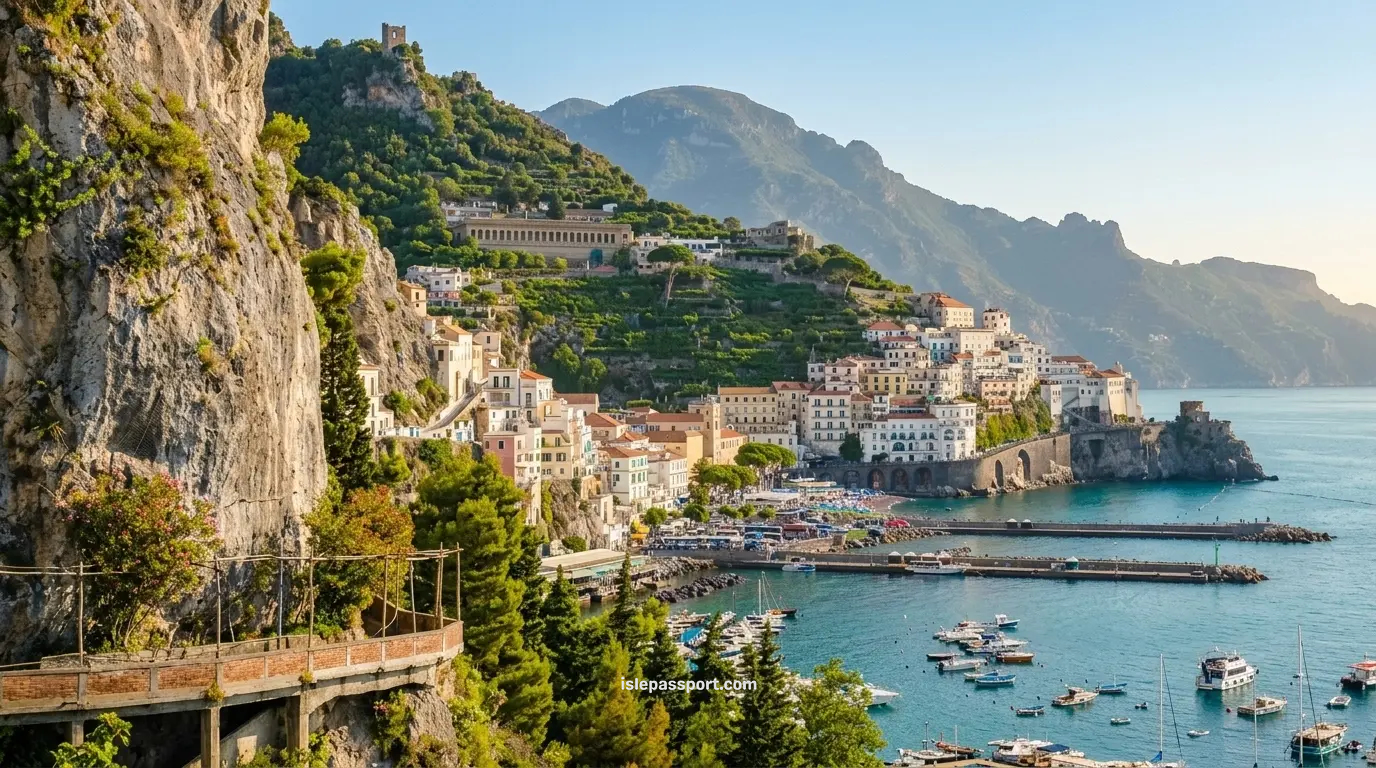
8 Best Coastal Places to Visit in Italy (That Actually Work for First-Timers)

Short answer: the best coastal places to visit in Italy on a first trip are the ones you can reach by train, then by ferry or an easy bus. My top three: Sorrento for the Amalfi Coast, Monterosso for Cinque Terre, and Viareggio if you’re coming from Florence. Below are all eight, who each one suits, and the famous towns I’d only visit as day trips.
The mistake almost every first-timer makes:
You see a photo of Positano. You book five nights. You arrive, and within 30 minutes you’re thinking: “Why did nobody tell me it’s this crowded, this expensive, and this hard to get around?”
I’ve seen it happen over and over. In my DMs, and honestly on my own early trips.
So this guide is about places that are still beautiful, but also easy to reach, walkable, and realistic for couples, families and young travelers. No listicle fluff, no “just rent a car,” and no pretending 500 stairs is a great idea with a stroller.
Not sure which region you want yet? Start with my Italy coastline guide.
Quick Picks: Best Coastal Places in Italy for First-Timers
First-Timer Coastal Map
These are the bases I’d actually use on a first trip. Zoom in, tap a town, and you’ll see what each one is best for.
Zoom in, tap a town, and you’ll see what it’s best for. These are the bases I’d actually use on a first trip.
The eight places fall into five clusters, so wherever your main city is: Rome, Florence, Milan, Naples or Venice — there’s a realistic option nearby:
- Campania, near Naples: Sorrento, Procida
- Liguria, the Italian Riviera: Santa Margherita Ligure, Monterosso
- Tuscany and its islands: Viareggio, Elba
- Puglia, the heel of the boot: Polignano a Mare
- The far north-east: Trieste
Pick the cluster closest to your main city, then build your route around it. If you’re still deciding between north, south or the islands, my Italy coastline guide compares every region side by side.
Before You Choose: What First-Timers Need to Know About the Italian Coast
This is the “I wish someone told me this before my first trip” section. Five things decide whether your first coastal trip feels easy or exhausting.
1. Don’t choose based on Instagram
This is the biggest trap. The photos you see of Positano, Venice or Riomaggiore are taken at sunrise, in the off-season, from one very specific angle.
What you don’t see: how packed the buses and ferries get in July and August, how long you wait for a table, and how many stairs you climb every single day.
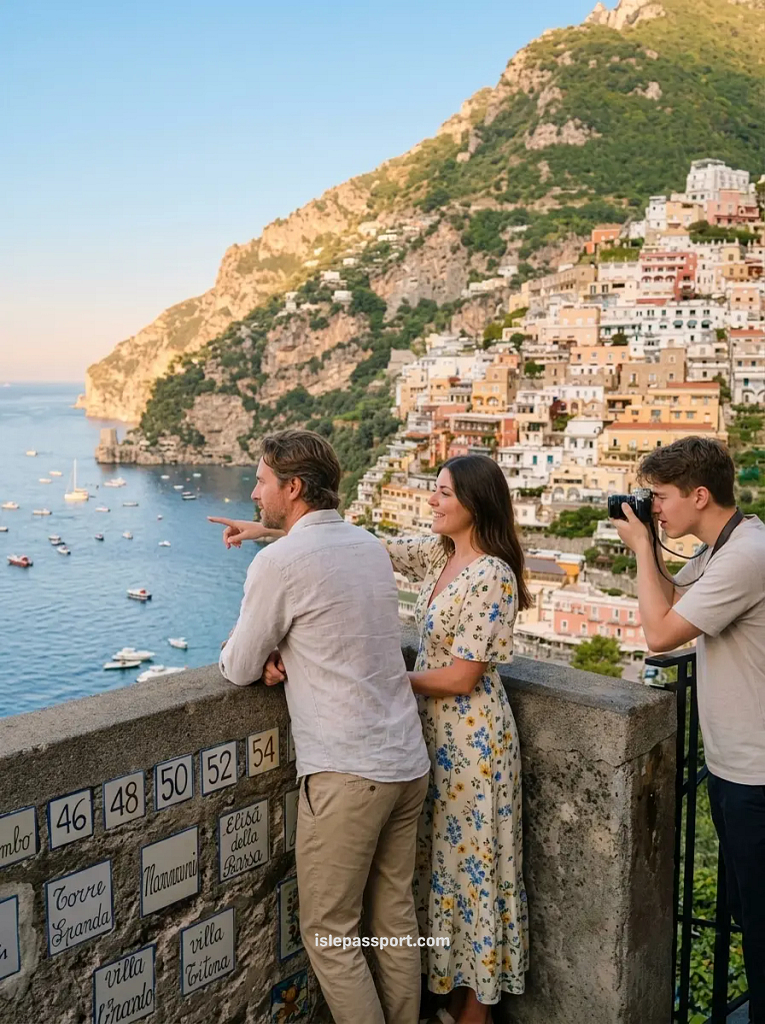
For first-timers, the best coastal places are not always the ones you see first online. They’re the ones that balance beauty, access and your mental health.
If you’re curious how Italy is trying to protect its coast and spread tourism more evenly, the government’s overview of beach tourism in Italy is worth a read.
2. Trains and ferries beat car-only towns
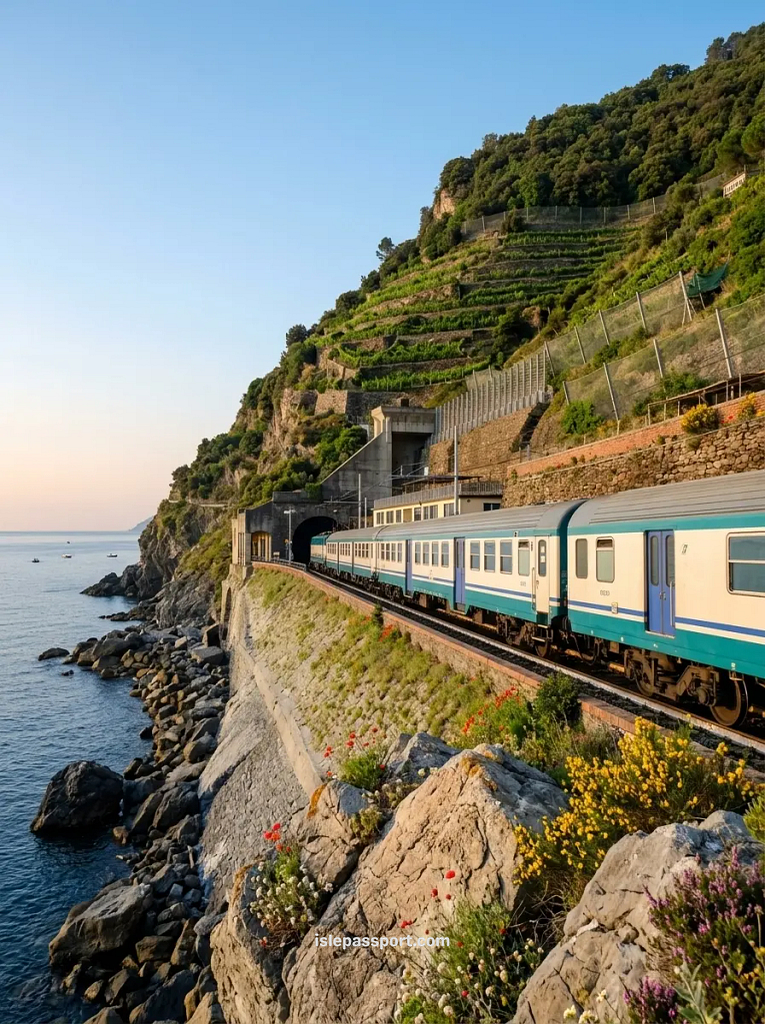
My rule for a first trip: if you can’t reach it by train and ferry, or train and an easy bus, think twice.
A lot of tiny coastal villages are romantic in theory… until you realize you need a car to get there, parking is a nightmare, and the roads are narrow and stressful. So I always look for:
- a train station in or near the center
- regular ferry connections (Sorrento, the Naples area, Liguria)
You can always day-trip to the smaller villages later. Most of the places in this guide sit on regular Trenitalia routes, so you won’t need to wrestle with a rental car on your first trip.
For the ferries (Capri, Procida, Elba, and along the Amalfi Coast and Cinque Terre), I check times and book on Ferryhopper. You can see every operator in one place, which saves a lot of tab-switching.
3. Avoid August if you possibly can
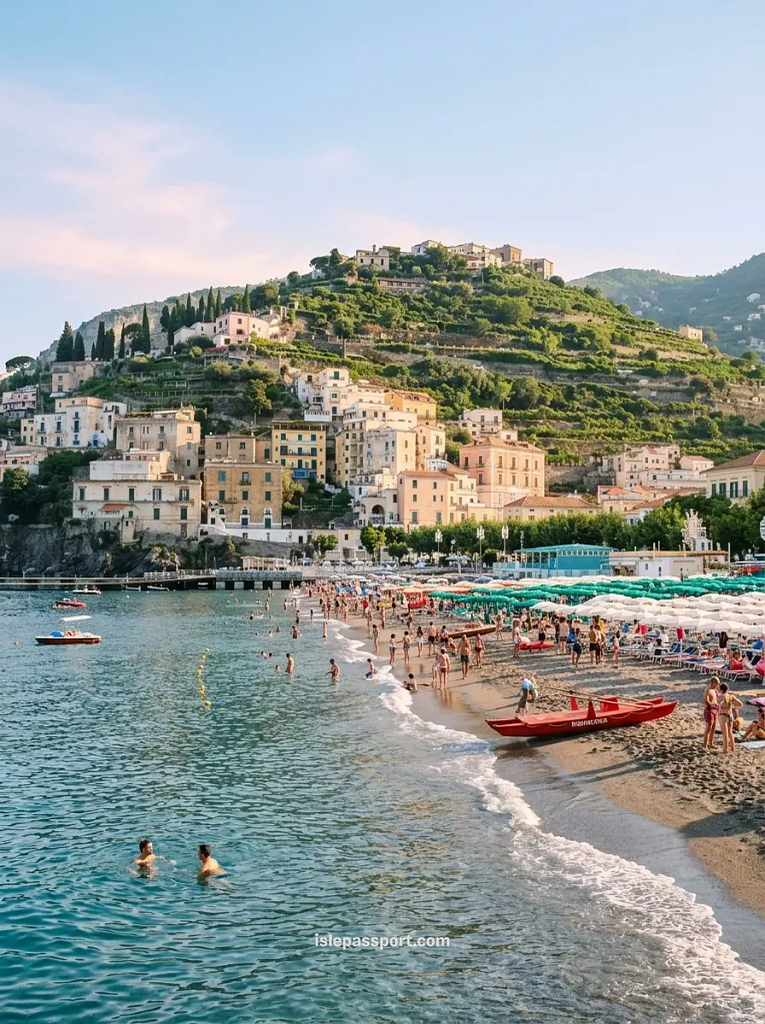
Quick reality check:
- August: peak chaos. Italian holidays, European school holidays, the highest prices.
- Late June to early July: busy, but survivable.
- May, early June, September and early October: the best balance for most people.
The only time I genuinely thought “I might go home early” was in mid-August, when every ferry was full and restaurants were turning people away. If you can avoid that week, avoid it.
4. Budget changes a lot by region
You’ll feel a real price difference depending on where you go:
- Expensive: the Amalfi Coast, the Portofino area, Capri.
- Much more reasonable: Liguria outside the hotspots, Puglia, parts of Sicily, Elba, Viareggio.
- Good value for what you get: Trieste and the north-east.
If your budget is tight, focus on cheaper regions with good trains instead of forcing a full week in Positano. My list of cheap coastal towns in Italy goes deeper.
5. Who you travel with changes everything
This matters more than people admit. Your “best” coastal place depends on whether you’re a couple who wants nice dinners, a family who needs flat streets and easy beaches, or young adults who want sea, bars and easy trains. I break this down by travel type further down, so keep it in mind: what you need might not match what’s trending.
The 8 Best Coastal Places to Visit in Italy for First-Timers
These are the coastal bases I’d genuinely recommend to someone coming to Italy for the first time, whether you’re with a partner, kids or friends. Not all of them are perfect. But they all work, and that’s what counts.
1. Sorrento: Best Overall First-Time Base
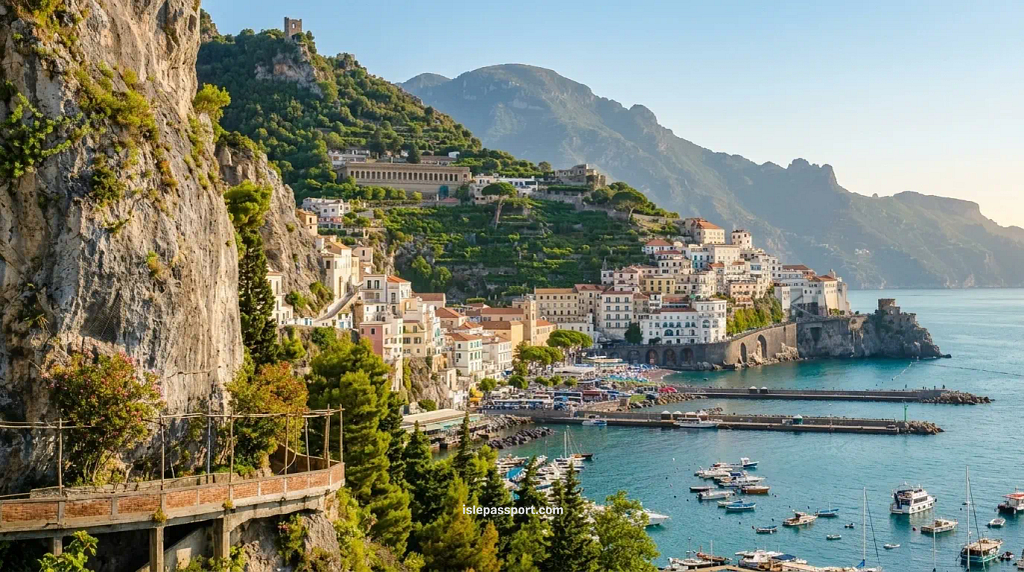
If someone says “I want the Amalfi Coast, but I don’t want to lose my mind,” my first answer is always Sorrento.
Sorrento isn’t technically on the Amalfi Coast, and that’s exactly the point. It gives you:
- a train from Naples, on the Circumvesuviana or the seasonal Campania Express (both run by EAV)
- ferries to Capri, Amalfi and Positano in season
- a proper town with supermarkets, restaurants and normal streets
- great sea views without climbing stairs 20 times a day
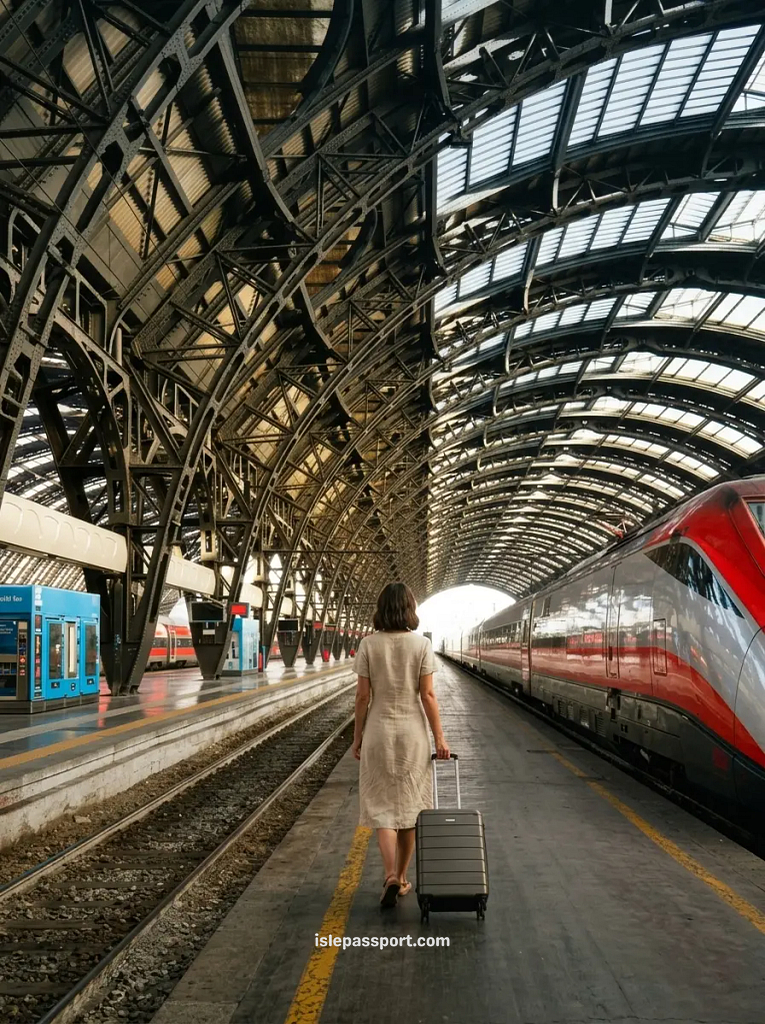
The first time I stayed here, I realized how much easier it was than the other Amalfi towns. I could roll my suitcase off the train, grab a coffee, and be checked in without feeling like I was in a fitness challenge. It’s the one place I always recommend to friends who want Amalfi energy without Amalfi stress.
Why it works for first-timers: easy arrival, a great base for day trips to Capri, Positano, Amalfi, Pompeii and Naples, and much easier with luggage, kids and older family members than staying in Positano.
It’s not a hidden gem. You’ll hear plenty of English and see tour groups. But it works in real life.
Best for: couples who want romance with good logistics, families who want a simple setup, and anyone who wants “Amalfi Coast energy” without complicated transport. For the full picture of which Amalfi town suits you, see my honest Amalfi Coast towns guide.
2. Monterosso: Cinque Terre, But Manageable
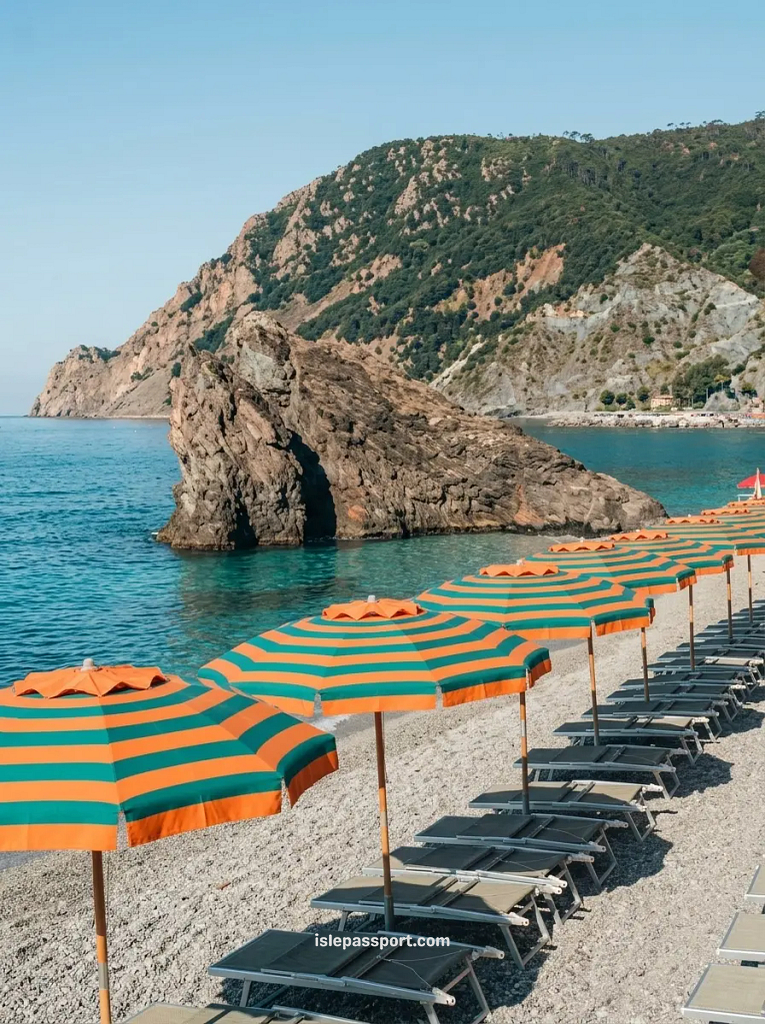
Most first-timers see photos of Manarola or Vernazza and think, “I want that.” Then they arrive in July with luggage, and it’s a lot.
If you want Cinque Terre on your first trip, my honest advice is to stay in Monterosso. I learned this the hard way. I stayed in a postcard-perfect hill village with a suitcase, and after 200 stairs in the heat, I swore I’d never do it again. Monterosso was a completely different experience: flat, walkable, and you can actually breathe.
Monterosso is the only Cinque Terre village with a proper, wide beach. It’s flatter than the others (a huge win with kids or anyone who hates stairs), and it has more family-friendly hotels and apartments.
You can still take the train to the other four villages, hike sections of the trail, and take boat trips along the coast. Check which trails are open on the Cinque Terre National Park site before you go.
Monterosso has the most rooms in Cinque Terre, but they still go fast for June to September, so check hotels in Monterosso as soon as your dates are fixed.
Best for: families, first-timers who want Cinque Terre without the stairs, and anyone traveling by train.
3. Viareggio: The Easiest Beach Break From Florence
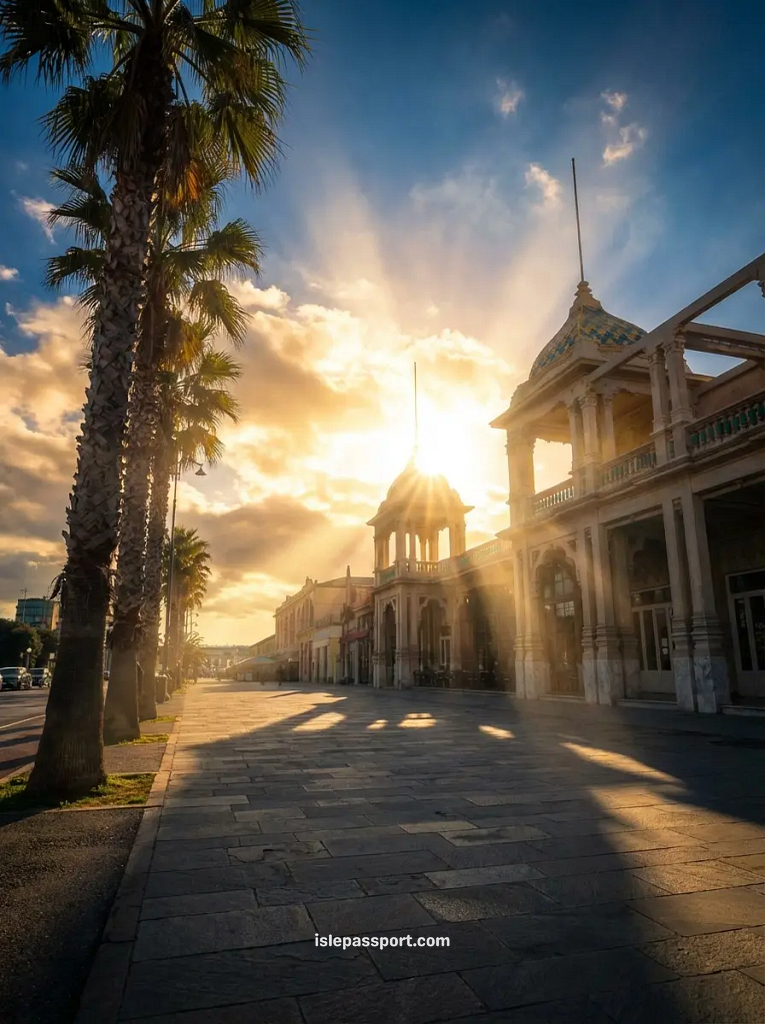
If your main base is Florence and you want a simple beach break nearby, I’d pick Viareggio.
It’s a real town where around 60,000 people live. It’s flat and very walkable, with long sandy beaches and a classic Italian seaside promenade. From the station, you can walk to the sea in 15 to 20 minutes, and hop on trains to Pisa and Lucca.
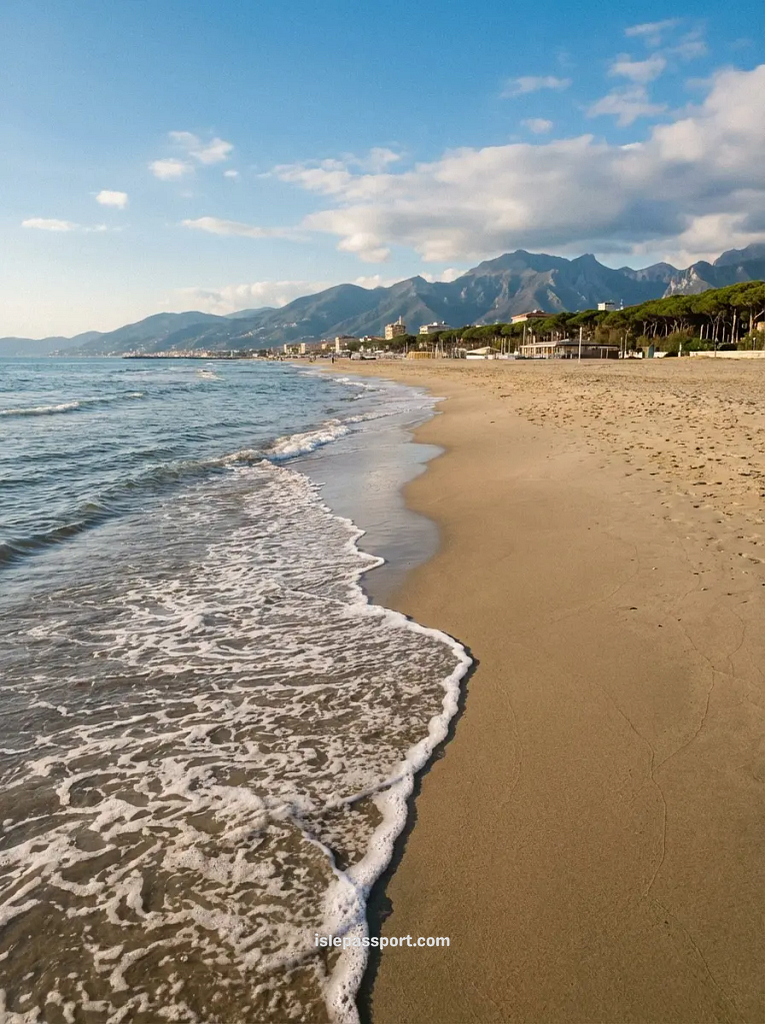
I originally booked Viareggio as a “practical stop” and ended up liking it way more than I expected. It’s not a postcard town like Vernazza, but for a first trip it’s so much easier. You can do two or three nights here after Florence and actually rest.
There are a few other good coastal towns near Florence depending on your style, and I’ve written about them in my Tuscany coastal towns near Florence guide. For quick day trips instead, see my beaches near Florence.
Best for: families, anyone coming from Florence, travelers who want normal prices and low stress.
4. Santa Margherita Ligure: Portofino Vibes Without the Stress
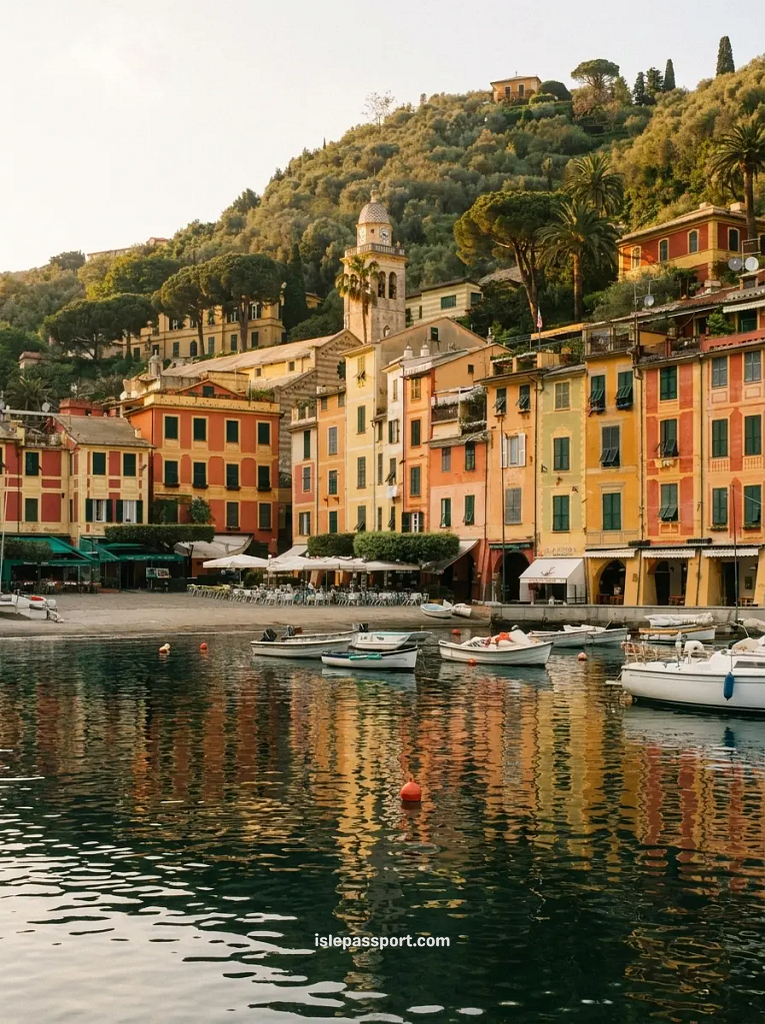
Portofino is beautiful. But for first-timers it’s expensive, small and crowded, and not ideal as a full base in peak season.
Just down the coast is Santa Margherita Ligure, which locals and regulars simply call “Santa.” It’s a proper coastal town, not just a tiny harbor. It has a train station on the Ligurian line, a long waterfront promenade, good restaurants, and a much more relaxed vibe than Portofino.
From Santa, you can take a bus or boat to Portofino for the day, walk part of the coast, or visit Camogli and Rapallo nearby.
Best for: couples who want nice hotels and restaurants, Portofino day trips without Portofino prices, and evenings of aperitivo by the sea. It’s polished, but it still feels like a normal town where people live.
5. Polignano a Mare: Best for Young Adults and Food Lovers
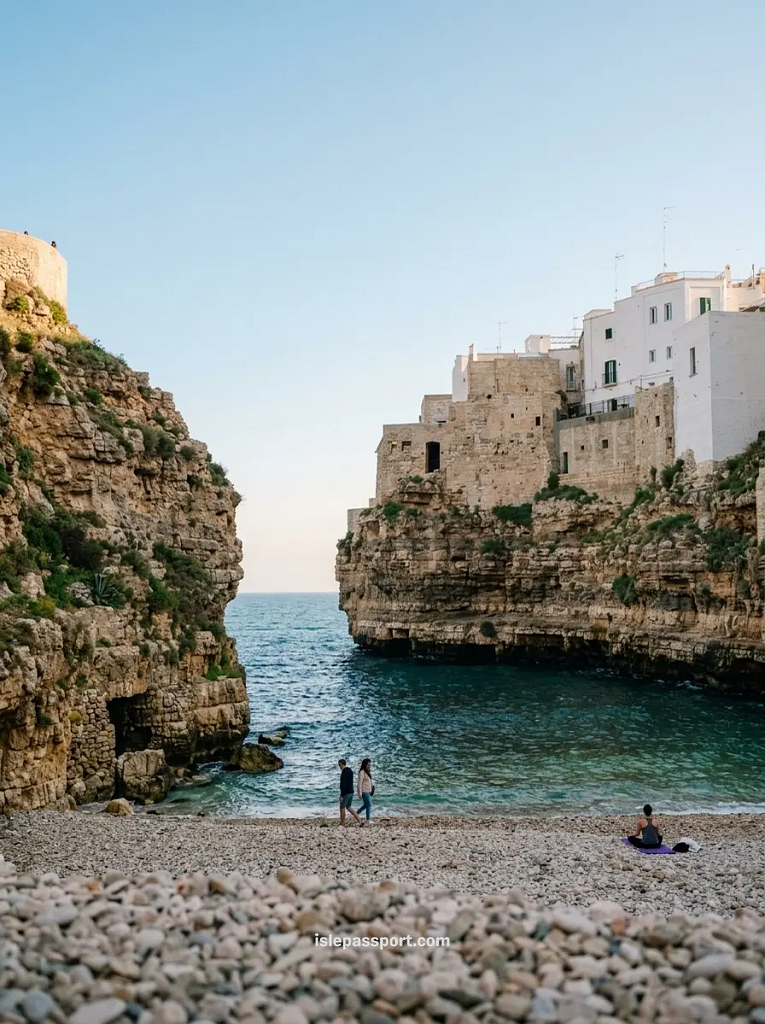
If you’re a younger traveler (or you just want more energy) and you care about budget, Polignano a Mare in Puglia is a great first coastal stop.
The first time I arrived, I understood immediately why people obsess over it: cliffs, turquoise water, gelato at midnight, and it still felt grounded and real.
- houses perched right on the edge of dramatic cliffs
- the famous cove beach (yes, the one from the photos)
- a train from Bari in around 20 to 30 minutes
- a great food scene, full of small restaurants and bars
It’s busy in peak summer, but it’s still more affordable and less polished than Amalfi or Portofino.
Best for: young adults and food lovers. You don’t need a car, day trips to Monopoli and Bari are easy, and the swimming feels a bit more adventurous: cliff jumping, boat trips into sea caves. It’s also a good pick if you want beach towns without a car and real local culture at lower prices.
6. Elba: Island Vibes Without the Airport Nightmare
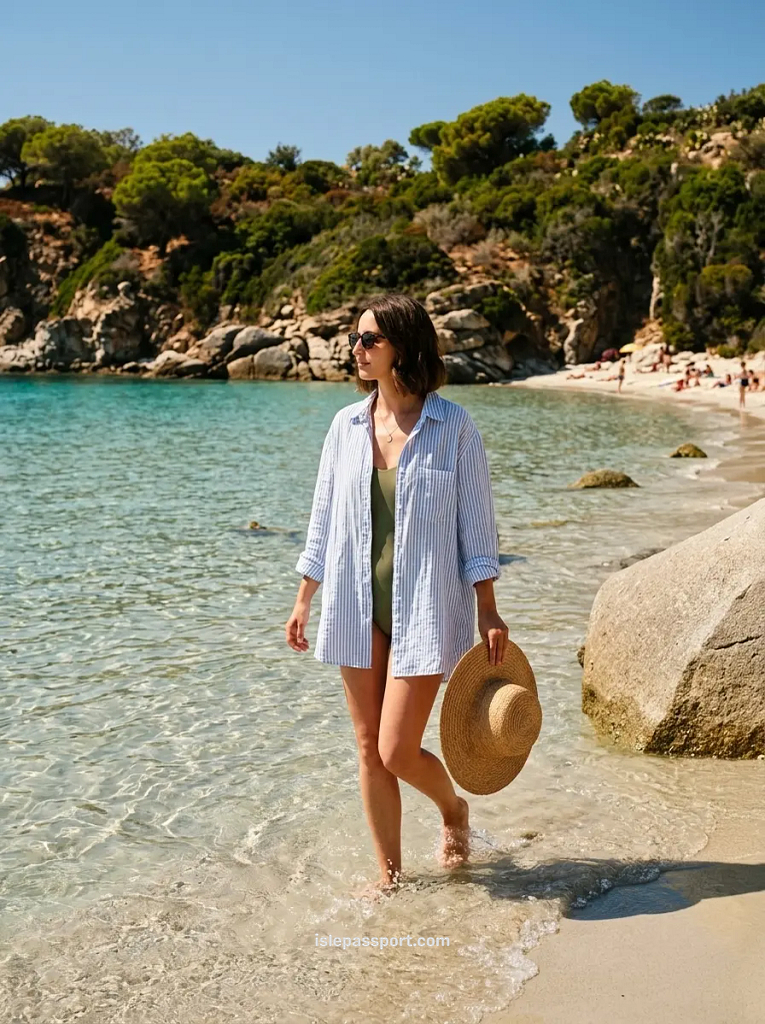
Elba is one of those places Italians love and a lot of first-time foreign visitors forget exists.
You get there by train or car to Piombino, then a short ferry, about an hour, to Portoferraio. Once you’re there, you get several towns to choose from, a mix of sandy and pebble beaches, and a much more relaxed, family-friendly vibe than the famous islands.
You can pick a base, rent bikes or a car (or use buses if you plan well), and explore different beaches without feeling rushed. The island is big enough that you can always escape the busy pockets.
Best for: families, anyone already spending time in Tuscany or Florence, and travelers who want an island without complicated transfers.
7. Trieste: For Culture Lovers Who Still Want the Sea
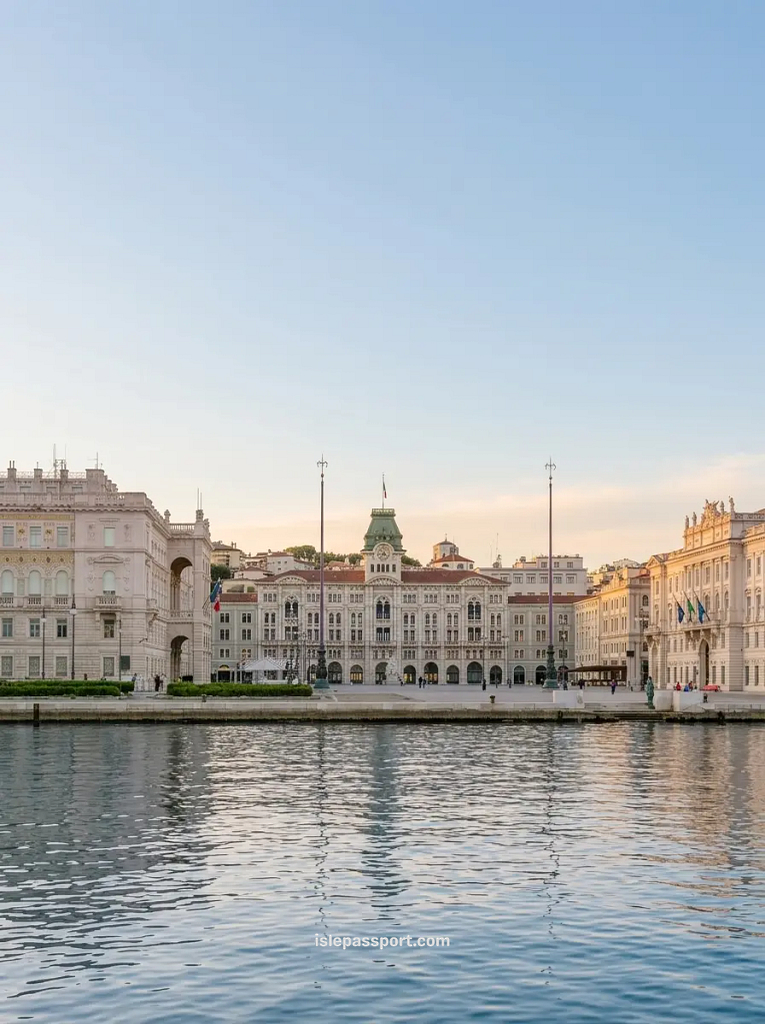
If you want something different from the typical Italian seaside town, Trieste is worth a look.
It’s a coastal city in the far north-east, right by Slovenia, and it feels more Central European than Mediterranean. But you still get a sea promenade, and you can swim off the Barcola seafront or at the local “bagni” (bathing platforms and small beaches). Add a serious coffee culture, grand squares and fascinating history.
Best for: couples and groups who like cities but still want the sea, love cafés, architecture and museums, or want to combine Italy with Slovenia or Croatia.
If you’re starting in Venice instead, the train opens up a completely different set of beach towns near Venice.
8. Procida: Undiscovered Island Feel Near Naples

Procida is colorful, small and still pleasantly local, especially compared with Capri and parts of the Amalfi Coast. It was Italy’s Capital of Culture in 2022, and it still hasn’t lost its calm.
You reach it by ferry from Naples or Pozzuoli. What I love about it as a first-time stop: you can walk a lot of it on foot, it still feels like a real working island, and the views are incredible while the energy stays calm.
If you’re looking for undiscovered Italian coast (as much as that still exists), Procida comes close, especially outside August. It’s a great add-on to Sorrento, Naples or any Campania trip. For more easy bases around the bay, see my coastal towns near Naples.
Best for: couples, slow travelers, anyone who wants an island without the Capri crowds.
Best Coastal Places in Italy by Travel Type
Let’s break this down by what you actually want from your trip.
For couples

If you want romantic coastal Italy without making life too hard, I’d look at:
- Santa Margherita Ligure: a relaxed Portofino alternative.
- Procida: small, intimate and local.
- Polignano a Mare: dramatic scenery, fun energy, great restaurants.
- Salina, if you’re adding the Aeolian Islands: wine and views.
They all balance atmosphere, good food, and enough calm to actually enjoy each other’s company. Without carrying suitcases up 300 steps.
For families

With kids, everything changes. Suddenly you care about flat streets, easy beach access, simple food and safe places to walk in the evening. My family picks:
- Viareggio: long sandy beaches, playgrounds, flat streets, easy trains.
- Monterosso: the one Cinque Terre village that works with kids.
- Elba: lots of different beaches and a relaxed vibe.
- Sorrento: there are some hills, but as a base for day trips it’s much more manageable than the Amalfi villages.
You can get around without a car, find kid-friendly food easily, and mix beach days with short trips.
For young adults
If you want a bit more energy:
- Polignano a Mare: social, great bars and restaurants, cliff diving.
- Trieste: city, sea, nightlife and café culture.
- Cagliari (bonus pick): not in the main eight, but a great coastal city base in Sardinia with beaches nearby.
They combine reasonable prices, good train or flight connections, and enough going on at night. But not in an Ibiza way.
Where Not to Base Yourself on a First Trip (The Honest Section)
This is the part most glossy blogs skip. But if we’re talking about the best coastal places for first-timers, we also need to talk about what not to pick as a base. All of these are worth seeing. Just not worth sleeping in, on a first trip.
Amalfi Town Itself
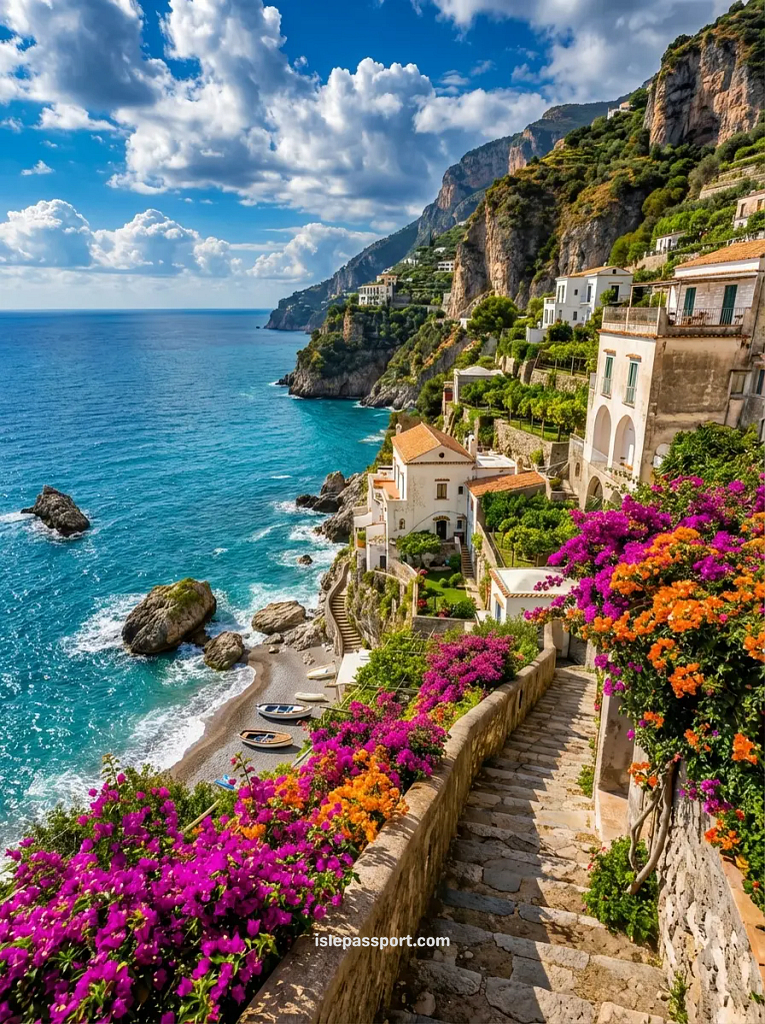
Amalfi is beautiful. It’s also crowded, surrounded by very twisty roads, hard to move luggage around, and not on the train line, so you rely on buses, ferries or private transfers.
Visit on a day trip from Sorrento or Salerno. Don’t base yourself there for a week unless you know exactly what you’re getting into. If you want the full picture first, my honest Amalfi Coast towns guide covers which town makes sense for your budget and style.
Riomaggiore and Vernazza in July
These Cinque Terre villages are iconic and absolutely worth seeing. But they’re tiny, they get overloaded in peak months, and there are stairs everywhere.
In July, treat them as day trips from Monterosso, La Spezia or Levanto. Not as a base for a nervous first-timer.
Positano, if you hate crowds and stairs
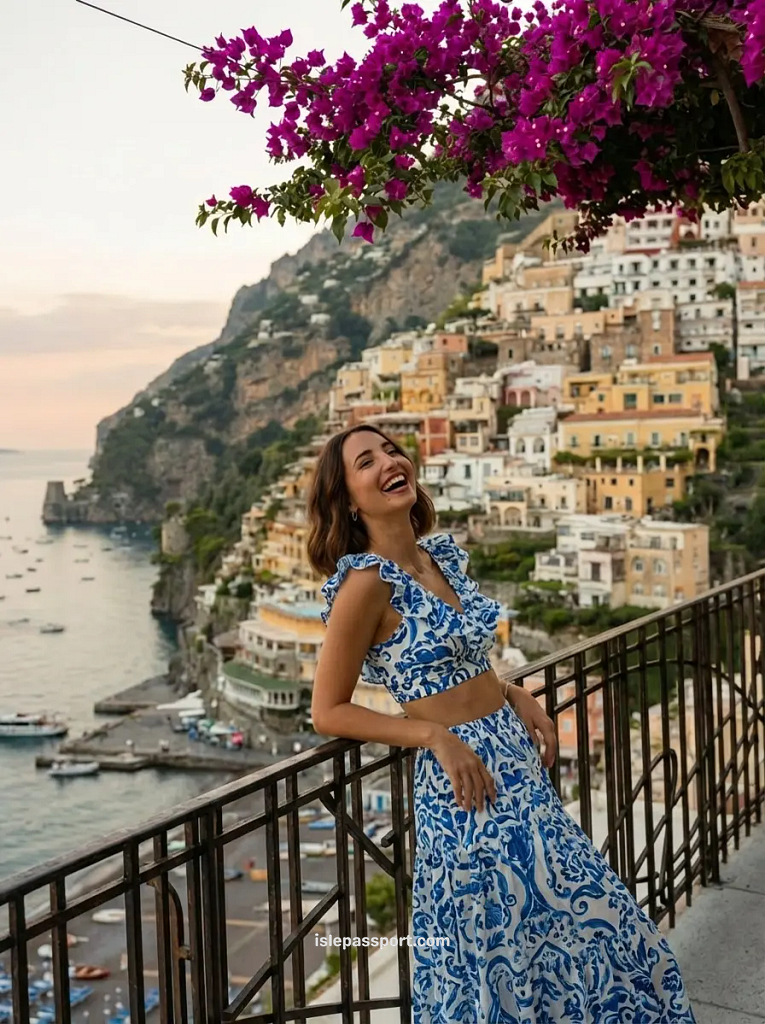
Positano is on every bucket list. But it’s expensive, very vertical and very busy in season.
If you love stylish hotels and don’t mind stairs, go for it. But if you have knee issues, you’re traveling with a stroller, or crowds overwhelm you, it’s not the right first base. Visit from Sorrento by ferry instead.
And if Positano prices are making you feel faint, you can still have an incredible Italian summer: my cheap coastal towns in Italy give you the turquoise water and sunshine for a fraction of the price.
Any coastal village you can only reach by car
For a first trip, I’d avoid a town that has no train station and no reliable bus or ferry connection. Italy’s coastal roads can be stressful, parking is expensive, and driving means someone in your group is always half in “logistics mode.”
Later trips? Sure, go deep and rent a car. First trip? Trains and ferries.
Falling in love and want to stay longer?
A lot of people come home from their first trip thinking, “I could actually live by the sea in Italy.” If that’s you, I’ve covered the best Italian coastal towns for digital nomads, including which ones stay livable year-round. And for longer stays, renting one of these coastal villas in Italy for a month can work out cheaper than you’d expect.
Two Easy First-Timer Routes
To make this practical, here are two simple routes that combine my top picks, both without a car. They start from Rome and Florence, the two cities most first-timers fly into.
Rome → Sorrento → Procida
5–7 days“Classic Italy” plus the sea, with no complicated logistics.
-
Fly into Rome.
Give yourself a night to recover if you can.
-
Train to Naples, then on to Sorrento
on the Circumvesuviana or the Campania Express.
-
Sorrento, 3–4 nights.
Your base for Amalfi views, Capri day trips and easy ferries.
-
Ferry to Procida, 1–2 nights.
Quiet island time, pastel harbors, slower evenings.
-
Ferry back to Naples,
then train to Rome or your next stop.
Florence → Viareggio → Monterosso
4–6 daysFlat beach days plus the “wow” of Cinque Terre, all by train.
-
Train from Florence to Viareggio,
about 1h20. Leave the city heat behind.
-
Viareggio, 2–3 nights.
Your easy-mode beach base, with optional trains to Pisa or Lucca.
-
Train up the coast to Monterosso, 2–3 nights.
Classic Cinque Terre scenery with an actual beach.
-
Back via La Spezia
to Florence or your next stop.
FAQs: Italy’s Coast for First-Timers
What is the best coastal place in Italy for a first trip?
Sorrento. You get Amalfi Coast views, ferries to Capri and Positano, and a train from Naples, without the stairs and chaos of staying in Positano itself.
Where should I stay to see Cinque Terre for the first time?
Monterosso. It’s the flattest village, it has the only proper sandy beach, and the train station is right on the seafront.
Can I visit the Italian coast without a car?
Yes. Sorrento, Monterosso, Viareggio, Santa Margherita Ligure, Polignano a Mare and Trieste all have train stations, and Procida and Elba are a short ferry away. Save the car for your second trip.
When is the best time to visit the Italian coast?
May, early June, September or early October. Avoid mid-August if you can: it’s the busiest, most expensive week of the year.
What is the best Italian beach town for families?
Viareggio. It has flat streets, long sandy beaches, playgrounds and easy trains from Florence, Pisa and Lucca.
Is Positano a good base for first-timers?
Only if you don’t mind stairs, crowds and high prices. For most first-timers, it’s better as a day trip by ferry from Sorrento.
More Italy Coast Guides
If this helped you pick a base, these are the three guides I’d read next:
- Coastal Italy: every guide in one place, with a trip planner and sea temperatures by month.
- 15 best coastal towns in Italy: a longer shortlist, from Liguria down to Sicily and Sardinia.
- Coastal towns near Naples: more easy bases around Sorrento and Procida, my top first-timer picks.
I made these guides because I got tired of listicles that never mention stairs, ferry schedules, or what it’s actually like to be there in peak season. Everything here is what I wish I’d had before my first coastal trip to Italy.
💛 Loved this guide?
If it helped you plan your trip or discover somewhere new, you can help me create the next one. Every guide is free to read, independently researched, and made with travellers like you in mind.
