
Island Hopping in Europe: Best Routes & Destinations 2026

☕ Reader-supported. Every guide is free to read, with no sponsored recommendations. If Isle Passport helps you plan better trips, you can help create the next guide.
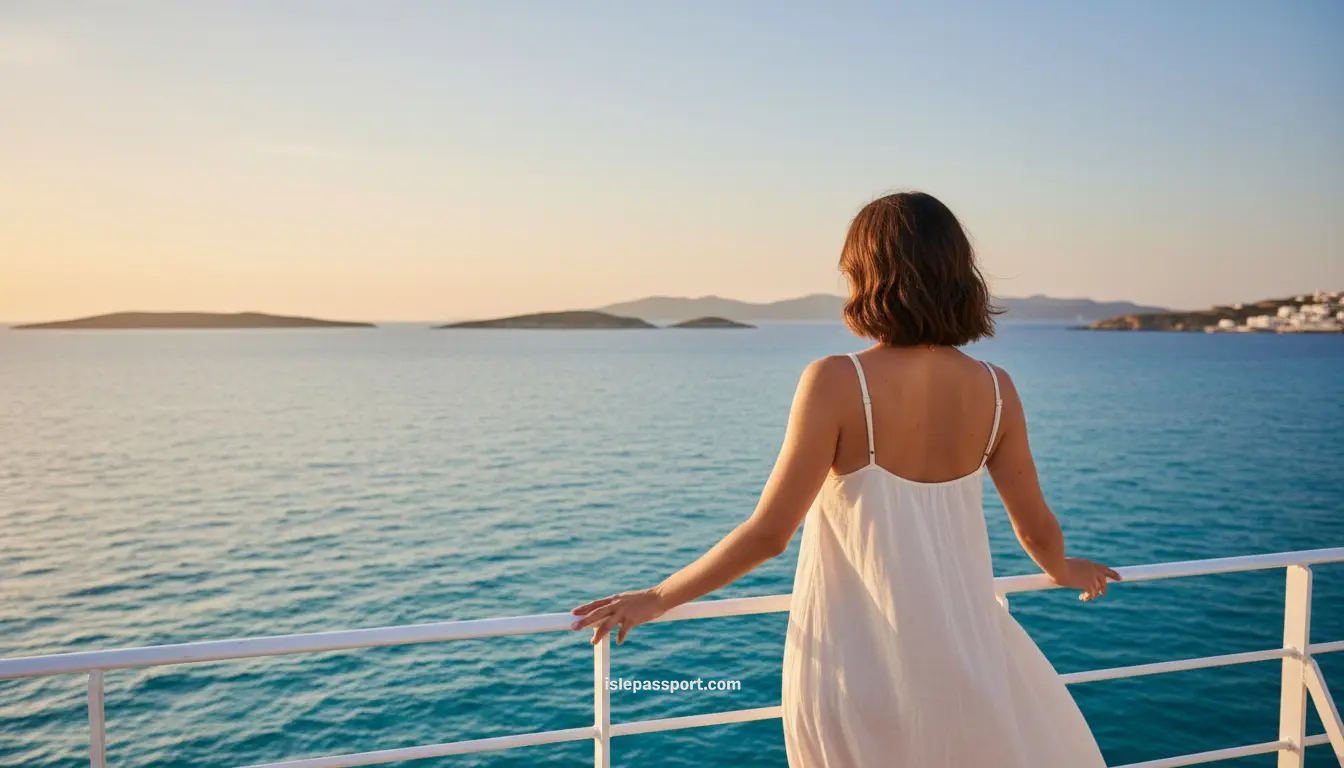
Island hopping in Europe sounds complicated, but once you understand how the ferries, routes, and regions work, it’s one of the easiest and most rewarding trips you can take.
The islands are close together, the schedules are flexible, and you can build an itinerary that feels completely your own.
I’ve been doing trips like this since 2017 — more than 50 islands, with a big focus on Europe’s best island-hopping regions in Greece, Croatia, Spain, Portugal, and Italy.
Everything in this guide comes from real routes I tested, missed ferries I learned from, and patterns that only show up after years of travel.
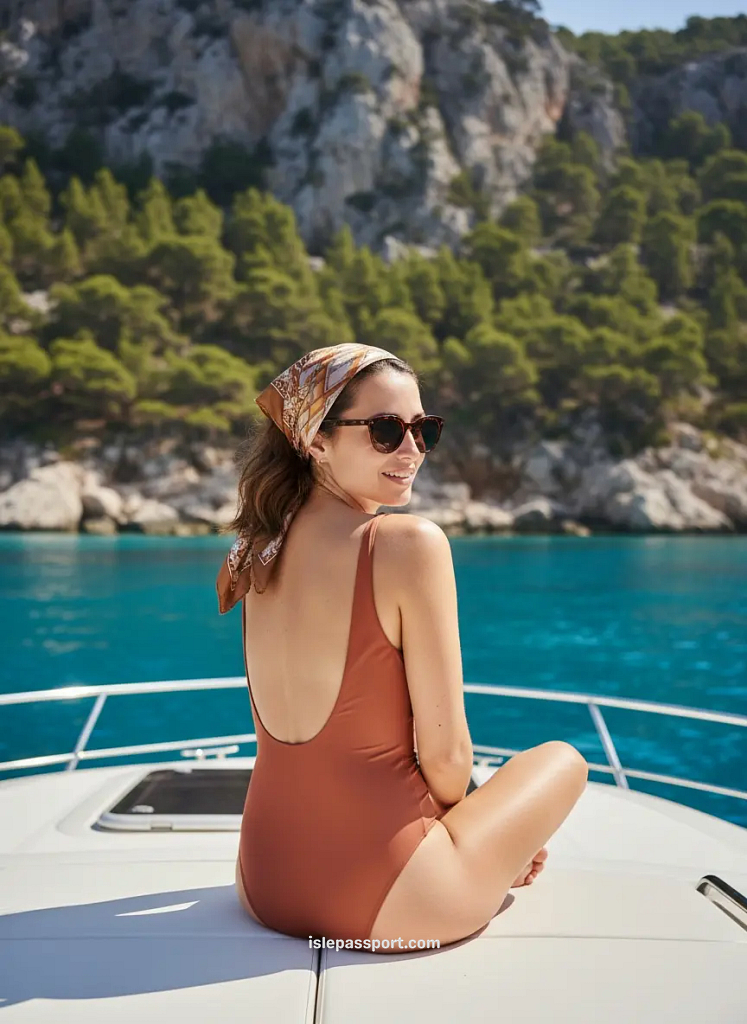
Europe is full of archipelagos perfect for slow, scenic island hopping: places where you can wake up on one island, have lunch on another, and watch the sunset from a completely different coastline without feeling rushed.
This guide gives you a clear, practical overview of where island hopping actually works well — including sample routes, best seasons, ferry tips, and straightforward advice based on real experience.
Let’s break down the regions, the routes, and what each area really feels like once you’re there.
For this 2026 edition, I went back through several ferry networks, re-tested the most popular routes, and updated all the prices, schedules, and seasonal patterns using my own trip notes and on-the-ground research.
If you want the bigger global picture, start with my Island Hopping Guide, and if you want ideas beyond Europe, I also have a full list of Island Hopping Destinations.
What Is Island Hopping in Europe Like?
A quick explanation before I get into regions.
Europe is one of the easiest places in the world for island hopping because:
- the ferries are frequent and reliable
- the distances between islands are short
- the weather is stable for long parts of the year
- each island has its own personality, food traditions, and coastline
- you can mix busy islands with quieter, local spots
- most island groups don’t require complicated planning
It’s perfect for travelers who like a mix of freedom, flexibility, and scenery — and it’s beginner-friendly even if you’ve never taken a ferry in your life.
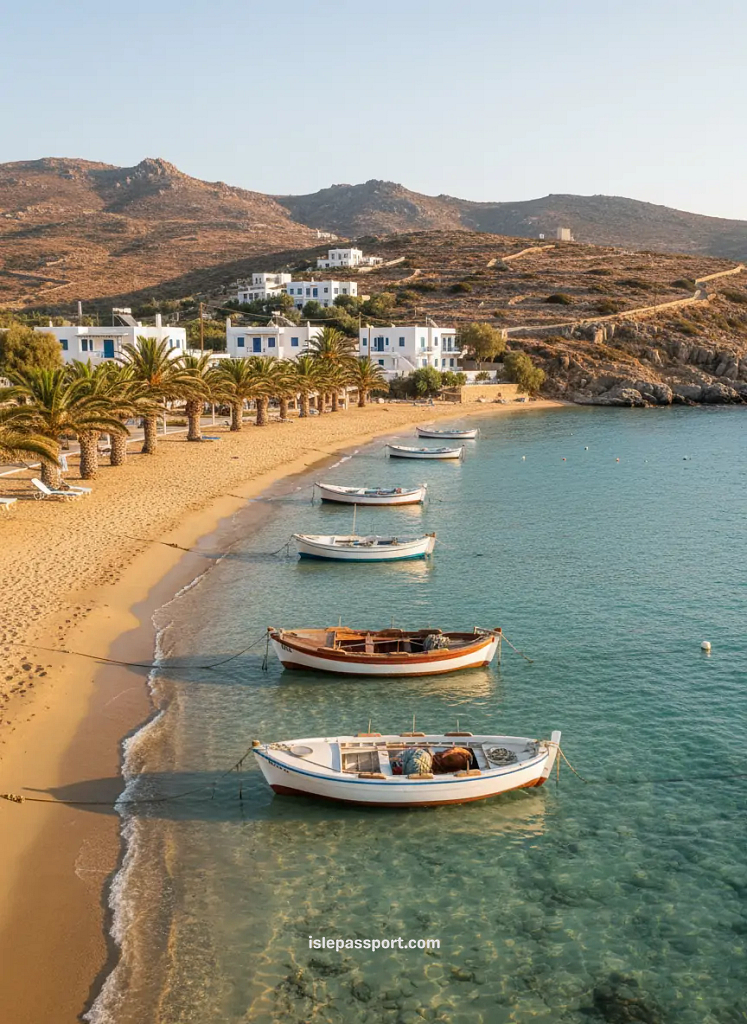
Here are the regions you’ll hear about most often:
- Greece (Cyclades, Dodecanese, Ionian)
- Croatia (Dalmatian Coast)
- Spain (Canary Islands + Balearic Islands)
- Portugal (Azores + Madeira)
- Italy (Aeolian Islands, Sardinia additions)
- Smaller routes (Scotland, Channel Islands)
I’ll go through each one — what it’s like, how to move around, sample routes, and who it’s best for.
Best Places for Island Hopping in Europe (Quick Overview)
If you want the short version:
- Greece is best for first-timers (iconic, easy, great value).
- Croatia is best for food, culture, and short ferry rides.
- The Canary Islands are best for winter sunshine.
- The Azores are best for nature and hiking.
- Italy is best for dramatic coastlines and small-boat adventures.
Let’s go deeper so you can choose the region that fits your travel style.
1. Island Hopping in Greece
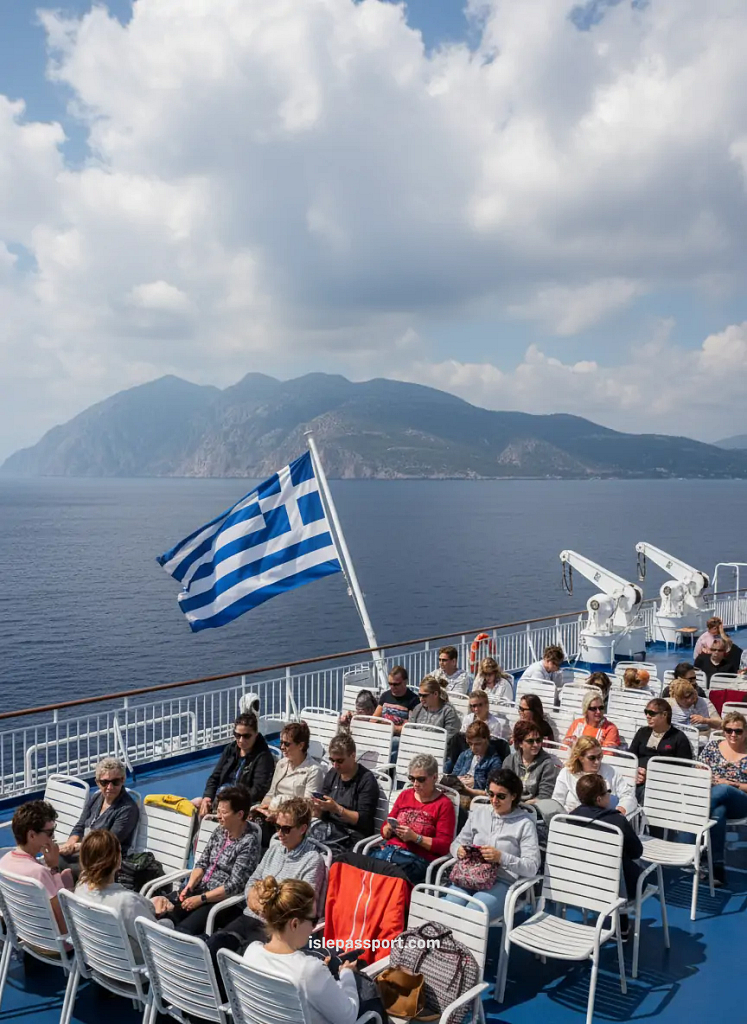
(Most iconic + beginner-friendly)
Greece is where most people start, and honestly, it’s one of the best places on Earth to learn the rhythm of island hopping: morning ferries, afternoon swims, slow meals in family-owned tavernas, and a different landscape every 48 hours.
I’ve done multiple island routes here over the years, and the combination of ferry frequency + scenery + food is unbeatable.
On my last Cyclades trip, I spent ten days comparing the fast ferries with the slower Blue Star routes, and the difference in comfort, reliability, and even seasickness levels was huge.
The advice I share here comes from what actually works in real life—not what just looks good on paper.
If you want a deeper breakdown of ferry connections, itineraries and the exact Athens → Cyclades routes I recommend, my full guide to island hopping in Greece goes step by step through everything.
Best island groups in Greece
The Cyclades
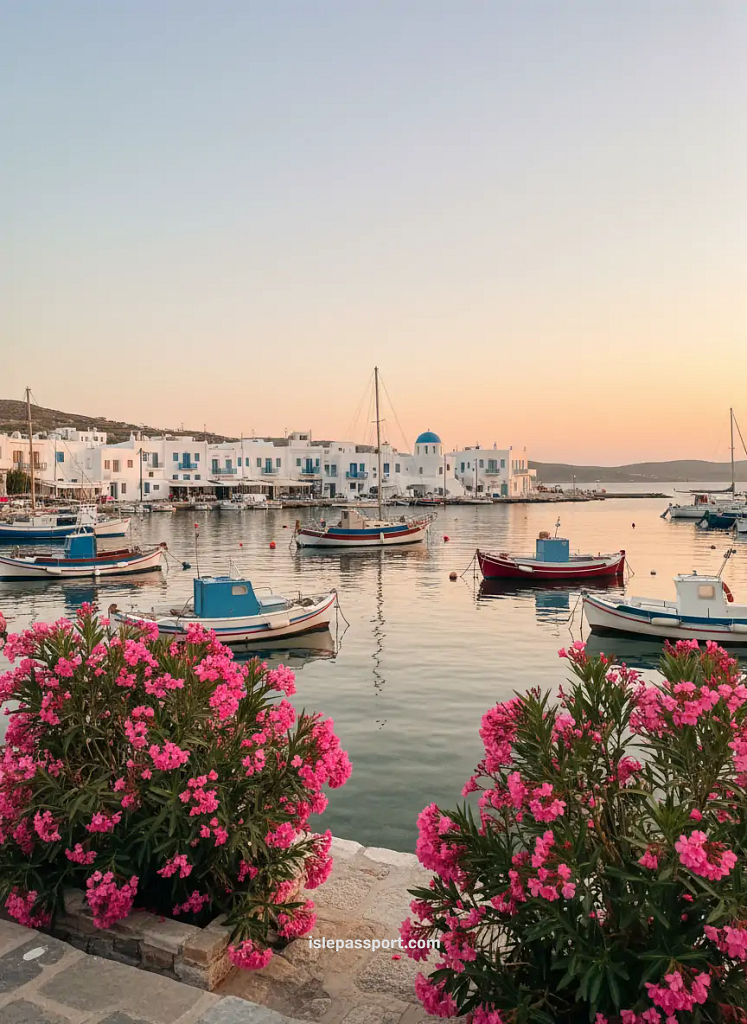
The postcard version of Greece — whitewashed villages, blue domes, golden beaches, and easy ferry connections.
Think: Paros, Naxos, Milos, Santorini, Mykonos, Ios, Tinos, Andros.
Perfect for:
- first-time island hoppers
- couples
- food lovers
- photography
- beach-to-beach itineraries
The Dodecanese
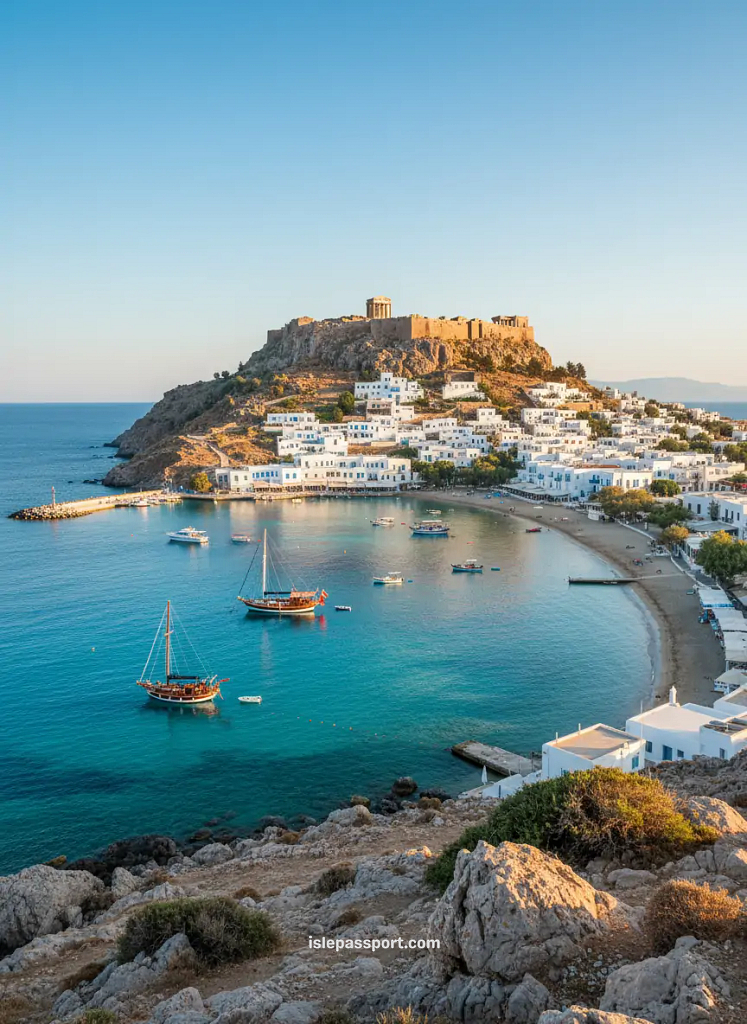
Closer to Turkey, more colorful, and more local-feeling.
Think: Rhodes, Kos, Symi, Kalymnos, Patmos.
Perfect for:
- quieter travel
- culture + history
- longer routes
The Ionian Islands
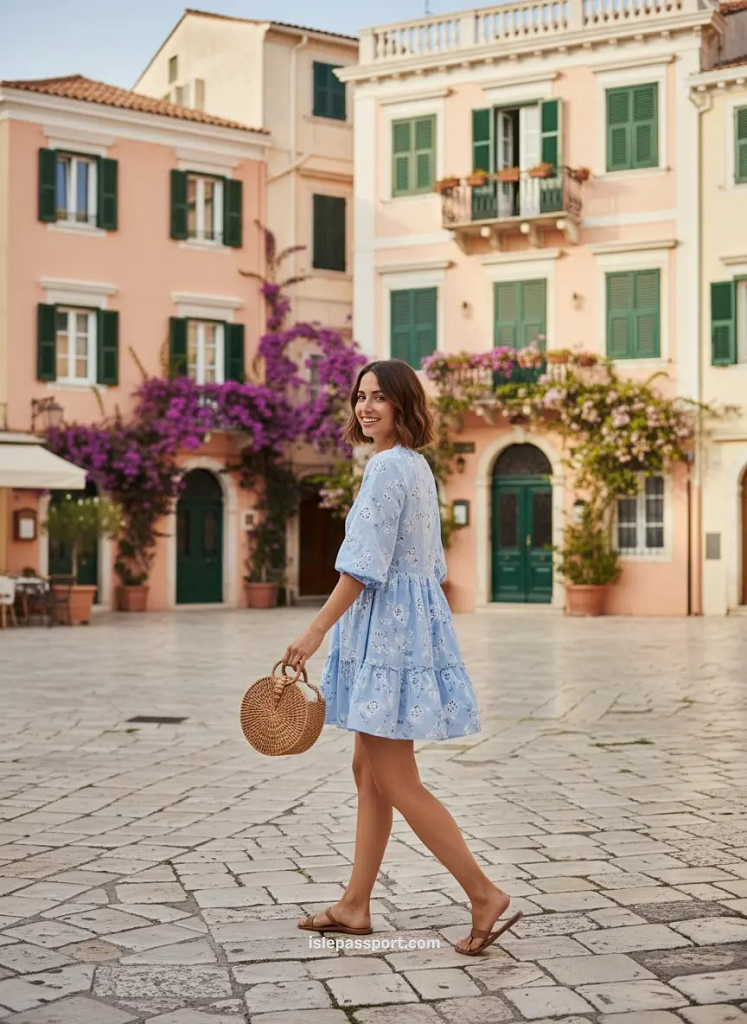
Greener, more Italian in influence, and great for road trips.
Think: Corfu, Kefalonia, Zakynthos, Paxos.
Perfect for:
- scenic coastal drives
- turquoise-water beaches
- travelers who like nature and small towns
How to get around
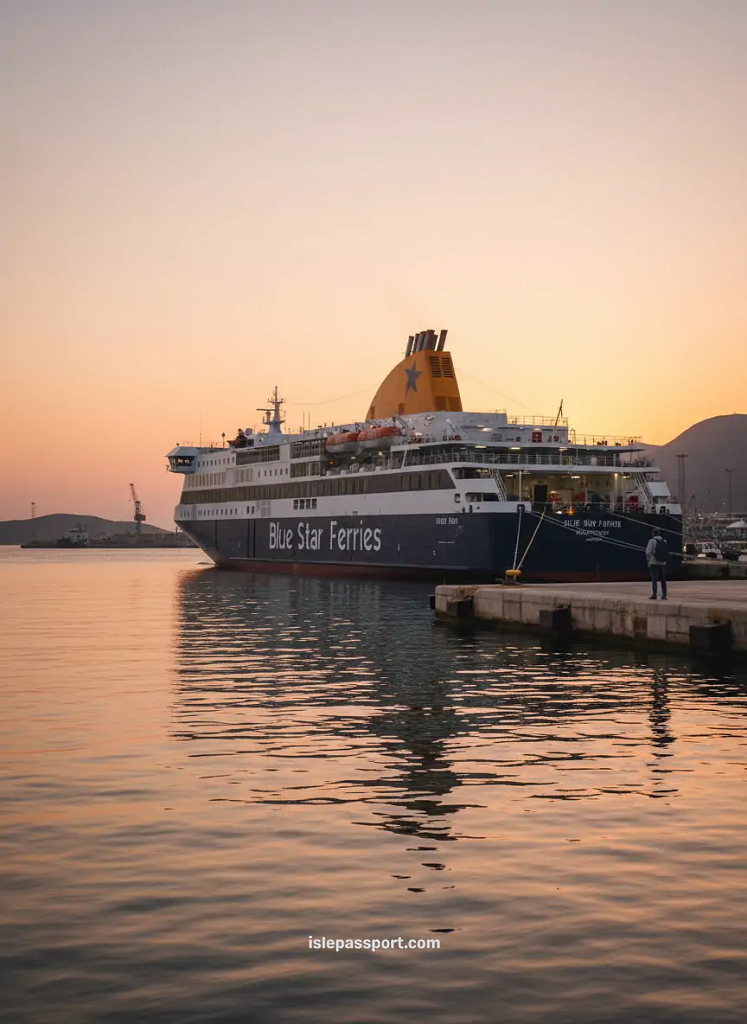
Greece has one of the most extensive ferry networks in the world.
You’ll mostly use:
- Blue Star Ferries
- Seajets
- Golden Star Ferries
- Hellenic Seaways
I normally book through Ferryhopper — it has the most accurate route maps and avoids the messy multi-website searching.
When I’m planning a new route, I usually start by plugging my dates into Ferryhopper’s ferry search to see all the options in one place before I book.
After testing pretty much every booking platform out there, Ferryhopper has consistently given me the fewest errors and the most accurate real-time schedules.
I also learned the hard way not to book too late in summer—I got stuck on Paros in 2023 when every outbound ferry filled up.
Travel times between islands are usually 40 minutes to 2 hours, depending on distance and ship type.
Sample 7–10 day Cyclades route (light itinerary)
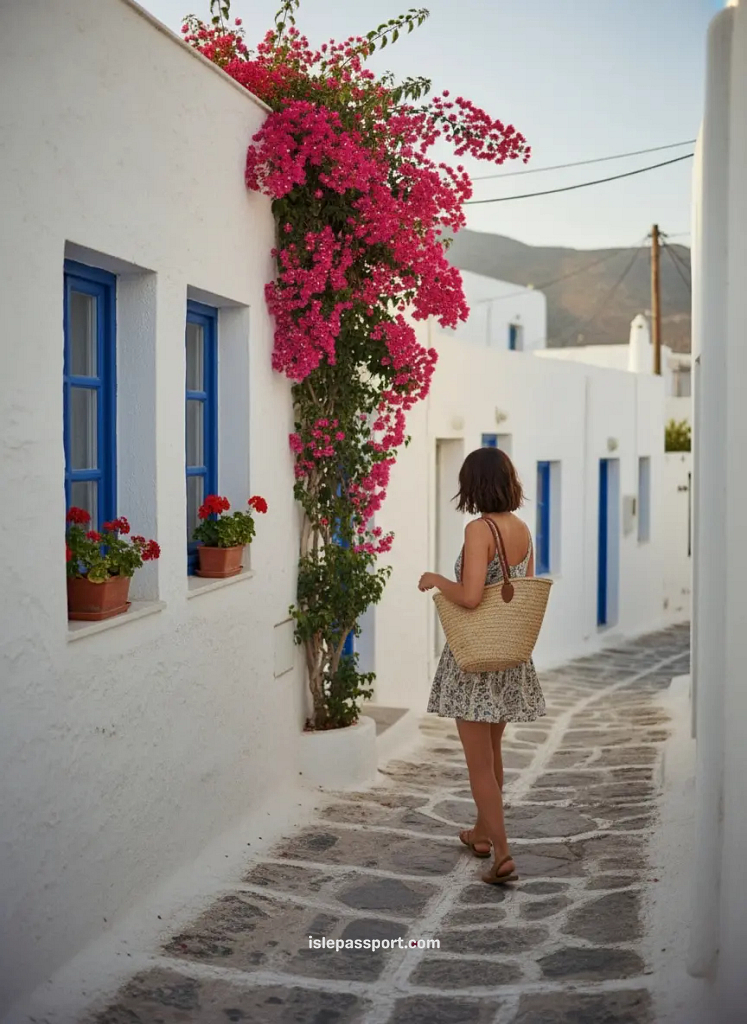
This is one of the easiest routes to begin with:
Athens → Paros → Naxos → Milos → Santorini
- Paros: beaches + traditional villages
- Naxos: food + long stretches of coastline
- Milos: volcanic cliffs + coastline boat tours
- Santorini: views + sunsets (touristy but beautiful)
If you want to add a private sailing day in the Cyclades — which I’ve done a few times — it’s worth checking Searadar yacht rentals. It opens up beaches and coves that ferries never reach.
Want more options? My deep-dive Greek island hopping itineraries breaks down 7, 10, and 14-day routes.
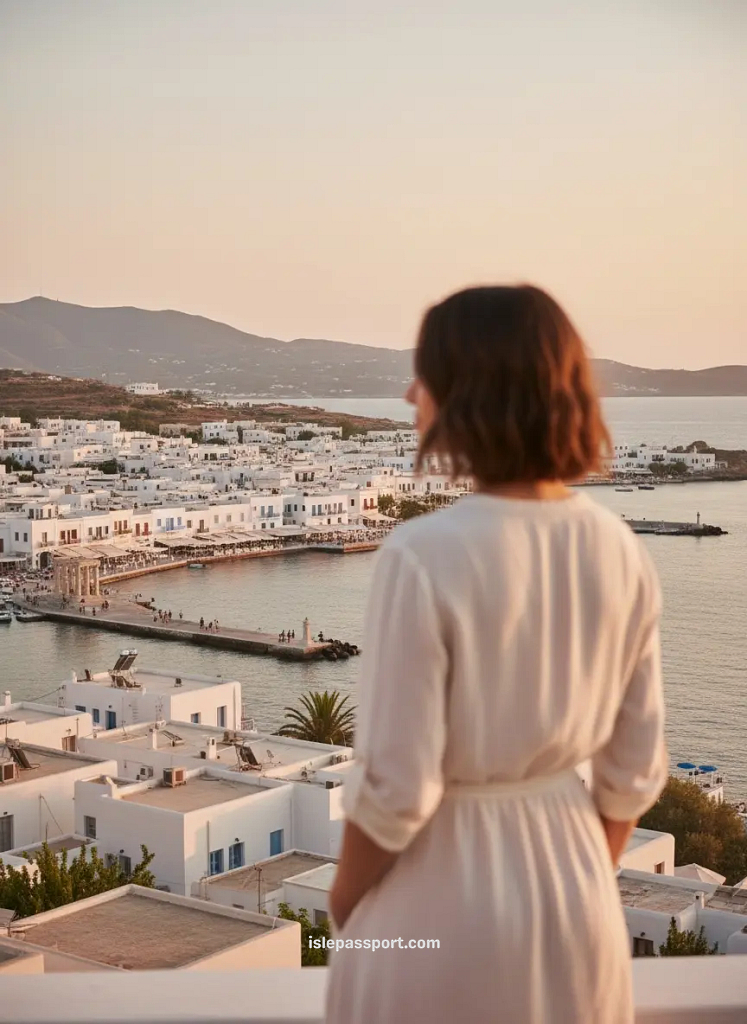
Best months for Greece
- Best overall: June, September
- Warm + quiet: May, early October
- Avoid: Late July–August (heat + crowds + high prices)
Who it’s best for
- First-time island hoppers
- Couples
- Food-lovers
- Photography + coastal life
- Anyone who wants clear, simple logistics
If you can only pick one place in Europe to island hop, Greece is still the gold standard.
2. Island Hopping in Croatia
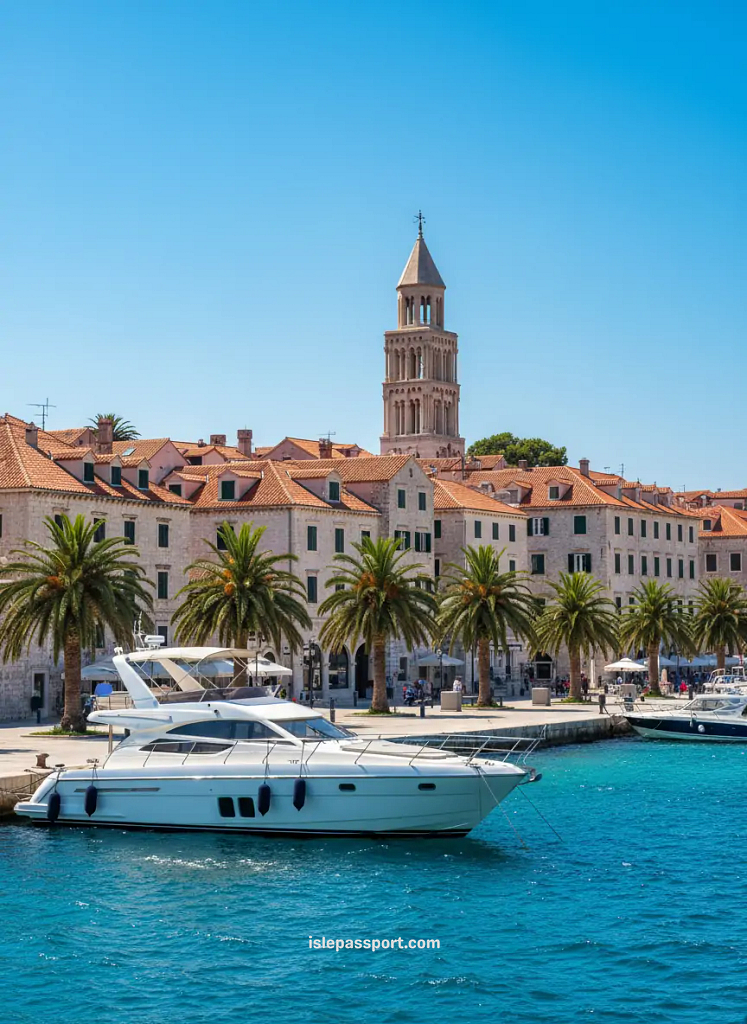
(Short ferries, historic towns, crystal-clear water)
Croatia feels completely different from Greece — more medieval towns, more vineyards, and a coastline that mixes beaches with stone harbors and tiny coves.
After a few Croatia trips, including a full Dalmatian Coast route from Split to Dubrovnik, I’ve found Croatia to be one of the most time-efficient places for island hopping. The ferry rides are short, cancellations are rare, and almost every island has a well-organized port.
I love Croatia for trips where I want a mix of food, culture, and coastal scenery.
Best islands for a first-time route
Hvar
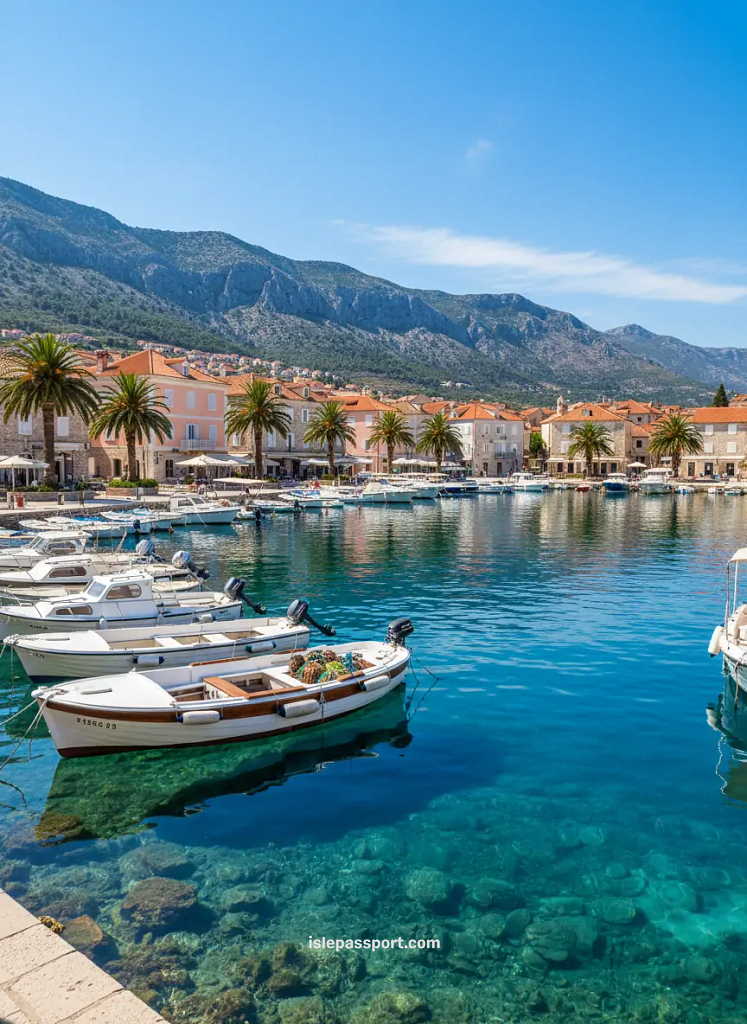
Beach clubs, lavender fields, Old Town charm.
Good for nightlife + restaurants.
Korčula
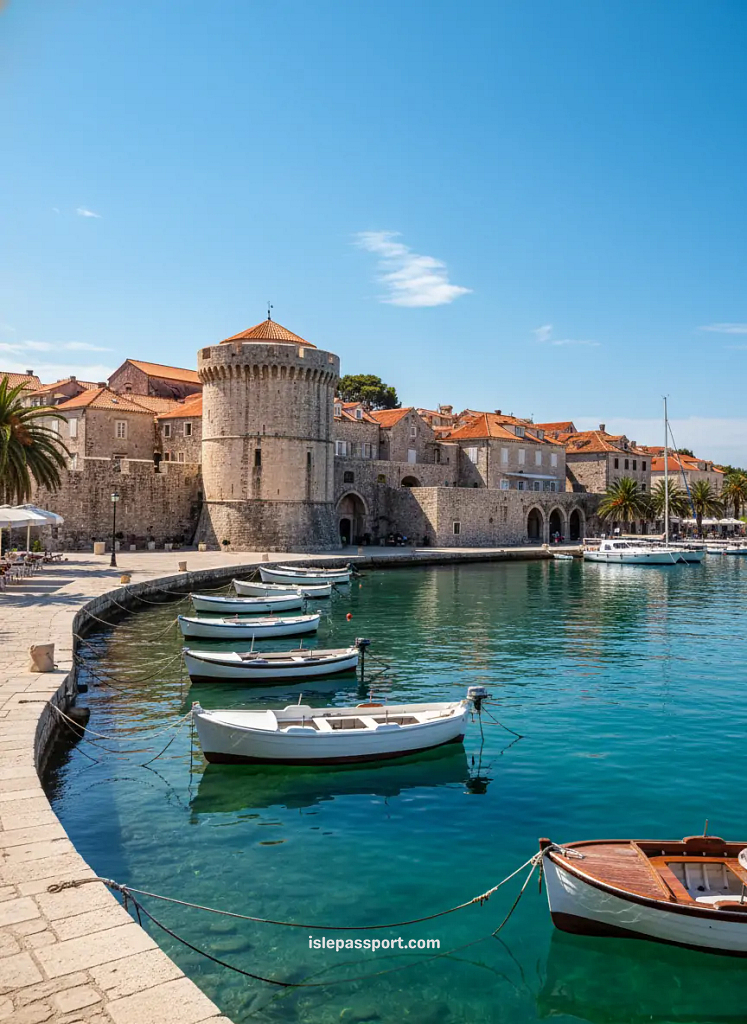
Sometimes called “Little Dubrovnik.”
Great wine, quiet beaches, beautiful old town.
Brač
Home to Croatia’s most famous beach (Zlatni Rat).
Good for water sports.
Vis
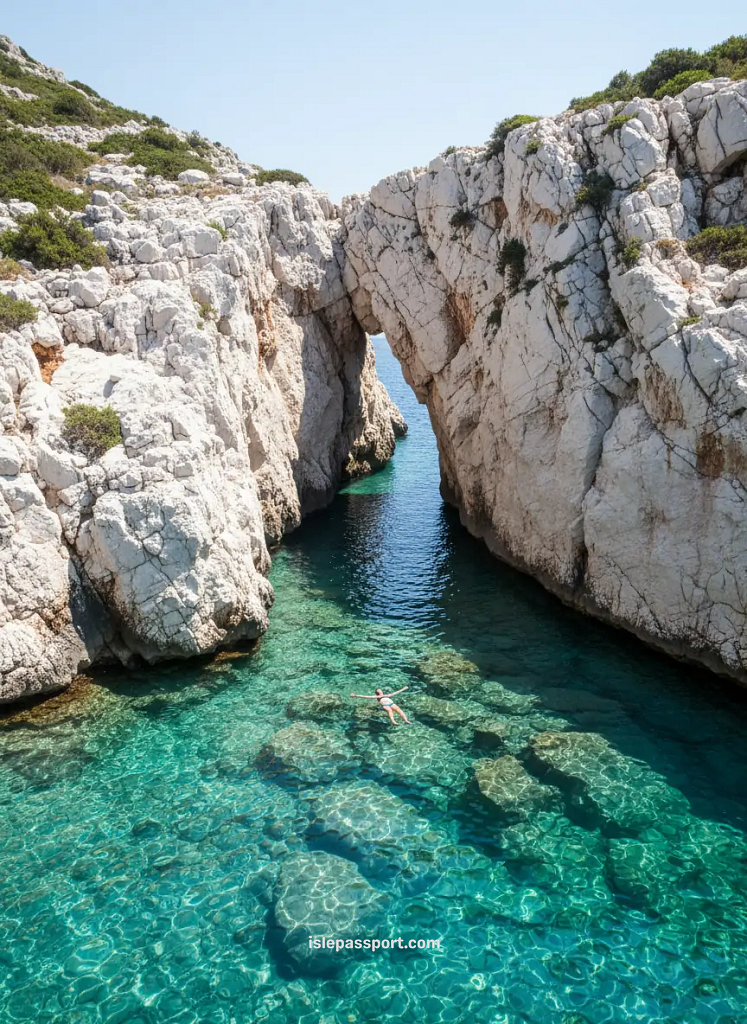
My personal favorite — quiet, local, cinematic.
Great for diving, Blue Cave tours, slow travel.
Mljet
National park island with lakes and forests.
Perfect for nature lovers.
How to get around
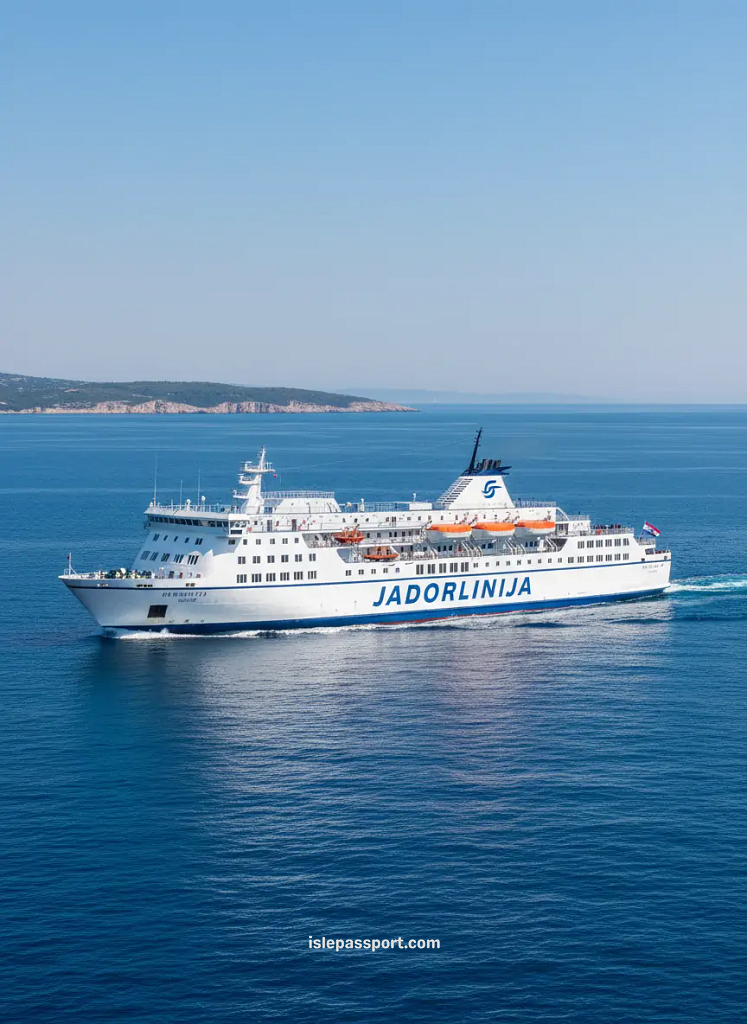
Croatia has two main ferry companies:
- Jadrolinija (large ferries)
- Krilo / Kapetan Luka (fast catamarans)
Connections between Hvar, Korčula, Brač, and Vis are reliable in summer and shoulder season.
Most routes are 45 minutes to 1.5 hours — very manageable.
Sample 7-day Dalmatian route
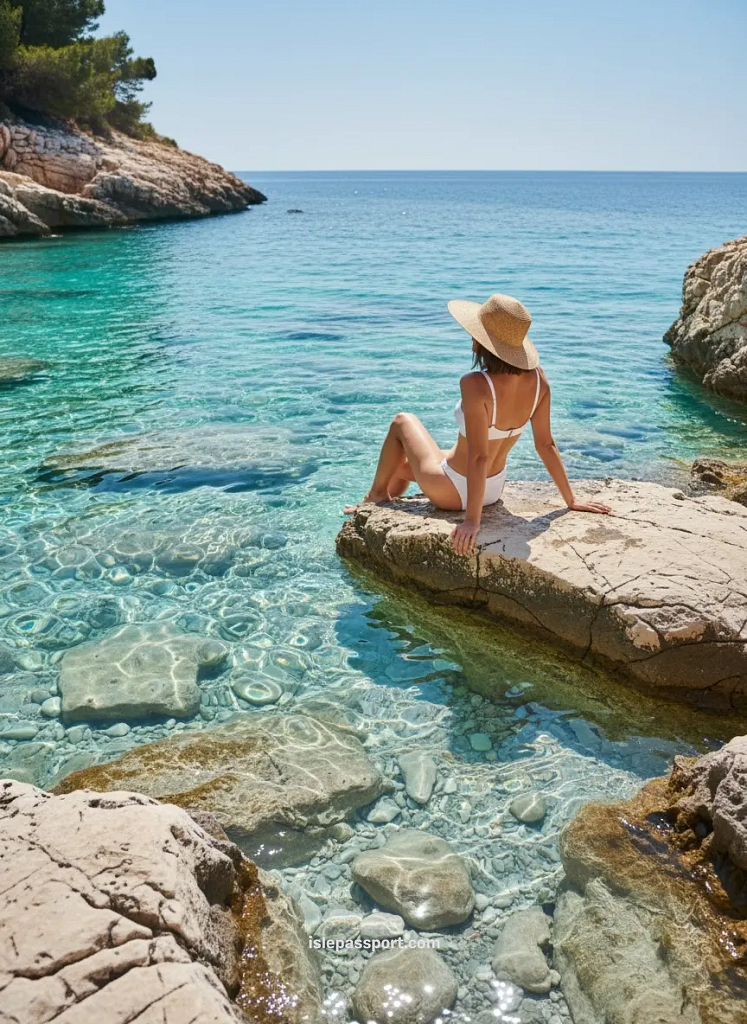
Split → Brač → Hvar → Korčula → Dubrovnik
- Split: main hub
- Brač: beaches
- Hvar: nightlife + scenery
- Korčula: old town + food
- Dubrovnik: historic ending point
Best months for Croatia
- Best: May–June, September
- Good: July (crowded but sunny)
- Avoid: August (peak crowds + higher prices)
Who it’s best for
- Food travelers
- Culture + history lovers
- Families
- Travelers who prefer short ferry rides
- People who like lively towns at night but quiet beaches during the day
Croatia is also one of the easiest places to combine island hopping with coastal town hopping (Split, Trogir, Dubrovnik).
For Croatia, I always double-check routes directly with Jadrolinija before finalizing any plans—this site tend to publish updates faster than most travel blogs or aggregator platforms.
3. Island Hopping in Spain
Spain offers two completely different island-hopping experiences: the Canary Islands (volcanic, dramatic, warm year-round) and the Balearic Islands (Mediterranean beaches, turquoise coves, and lively coastal towns).
I’ve traveled both, and they couldn’t feel more different — which is exactly why Spain works so well as a hub for multiple kinds of travelers.
3.1 Canary Islands (Best for Winter Sunshine)
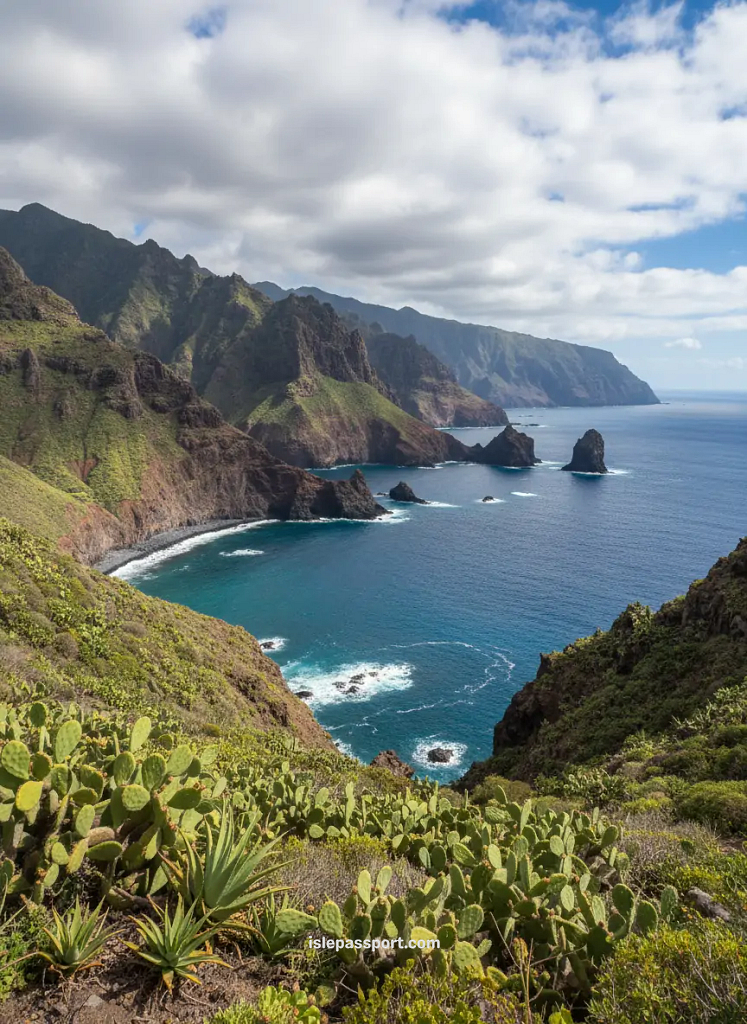
The Canary Islands sit off the coast of West Africa but belong to Spain. They’re warm even in December and January, which makes them one of the few places in Europe where you can island hop in winter.
On my last Canary Islands trip in January 2025, I finally understood just how extreme the microclimates can be—I left Tenerife in warm sun, landed in La Palma in thick mist, and ended the day hiking above the clouds.
These kinds of contrasts really matter when you’re planning ferry times and hiking days.
What the region feels like
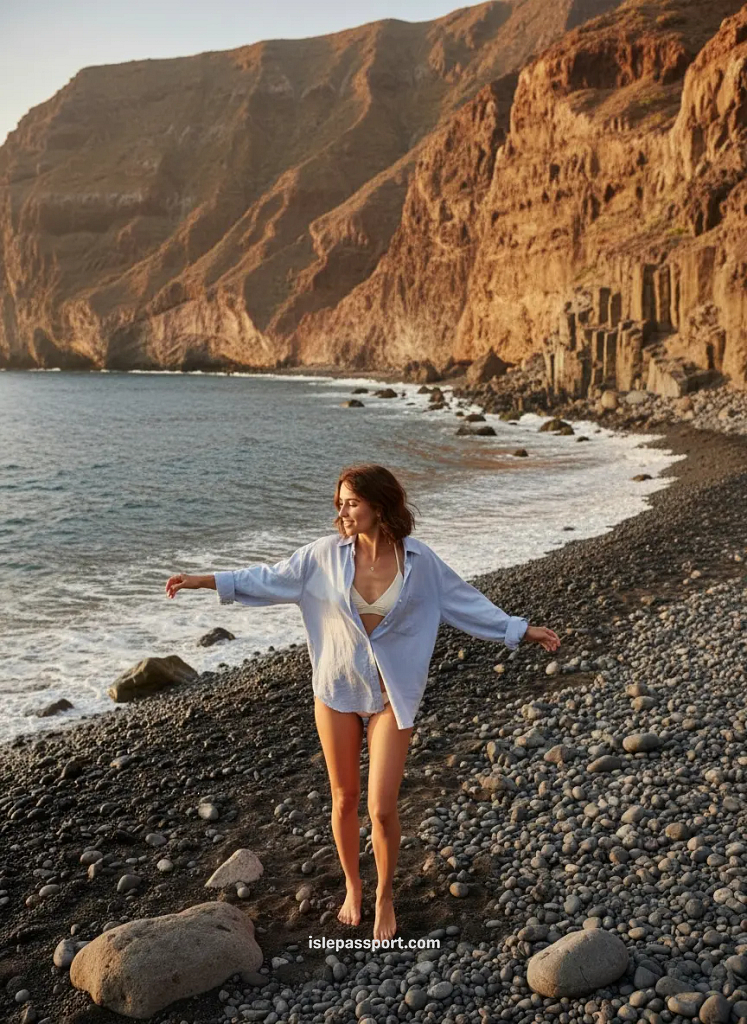
Think volcanic peaks, black-sand beaches, sand dunes, banana plantations, small fishing villages, and scenic drives that take you through multiple microclimates in a single day.
Best islands for island hopping
- Tenerife — the biggest hub, incredible food, Mount Teide, good ferries
- La Gomera — hiking, viewpoints, quiet villages
- La Palma — volcanic landscapes, stargazing, hiking trails
- Gran Canaria — varied beaches, dunes, nightlife
- Fuerteventura — long, wild beaches and windsurfing
- Lanzarote — volcanic national park, modern design, unique vineyards
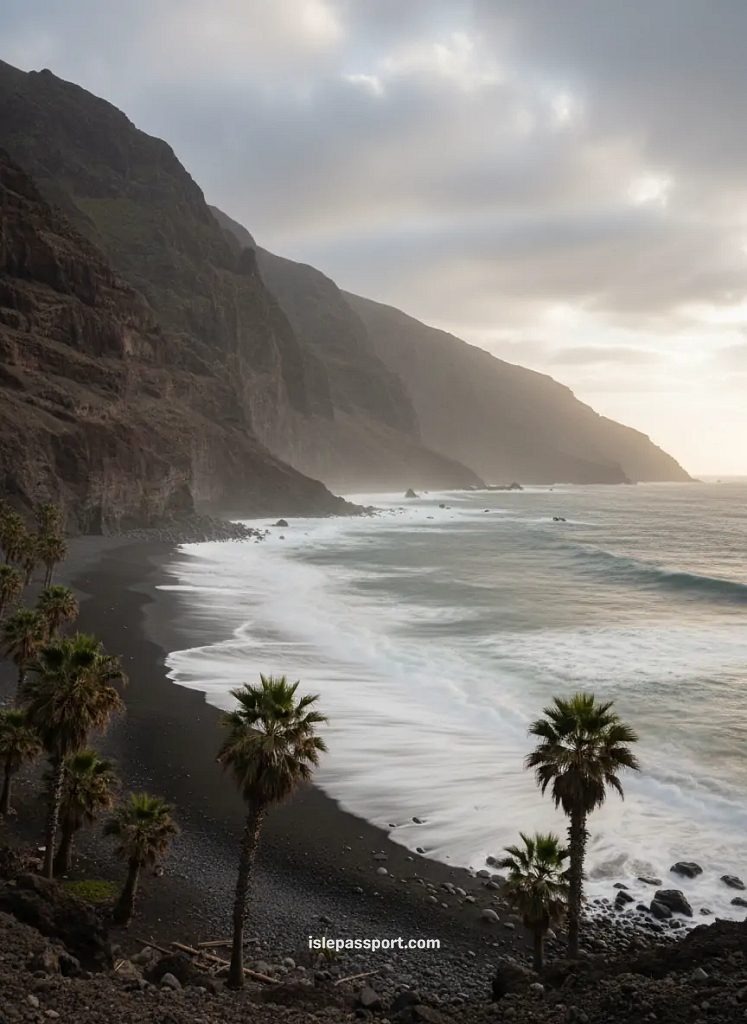
How to get around
The ferries are modern and comfortable. Main companies include Fred. Olsen and Naviera Armas.
For longer distances (e.g., Tenerife → Lanzarote), internal flights are often faster.
Sample 7–10 day Canary route
Tenerife → La Gomera → La Palma → Tenerife
- Tenerife: start + food + volcano
- La Gomera: villages + viewpoints
- La Palma: hiking + national parks
If you want a lighter route, Tenerife → Gran Canaria → Fuerteventura is the easiest.
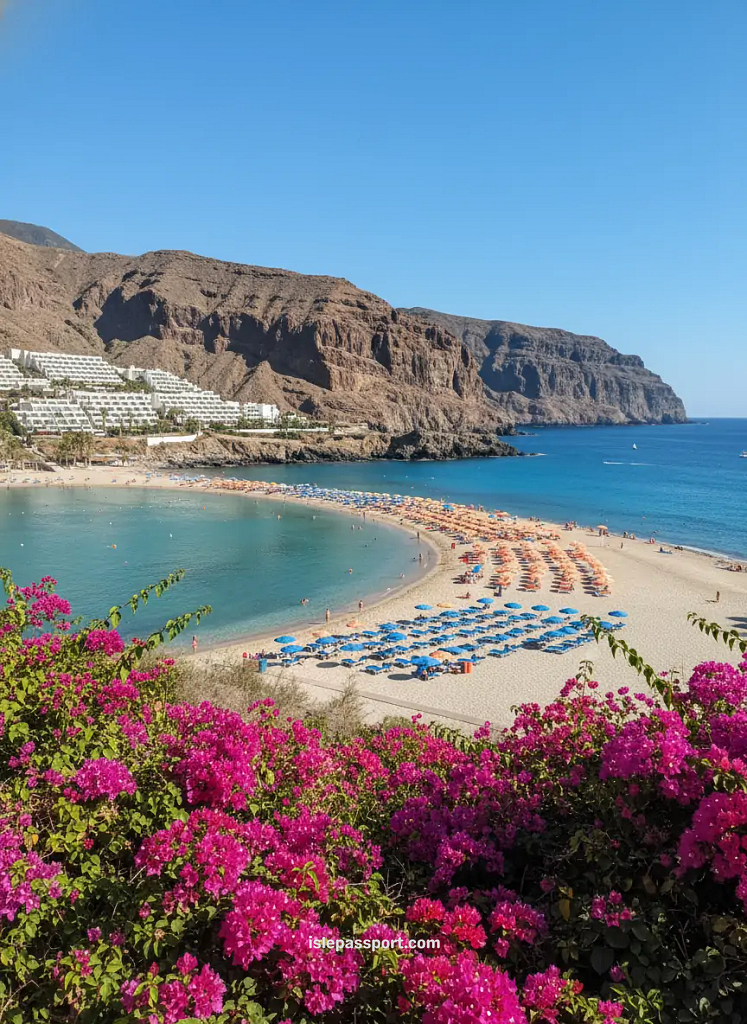
Best months
- Perfect year-round
- Best for warmth: October–April
- Summer is warm but sometimes windy
Best for:
- Winter sun seekers
- Hikers
- Nature lovers
- Travelers who prefer dramatic landscapes
If you’re looking for more warm-weather inspiration beyond Europe, I also put together a full list of tropical getaway ideas with islands that stay sunny year-round.
3.2 Balearic Islands (Best for Beaches + Summer Trips)
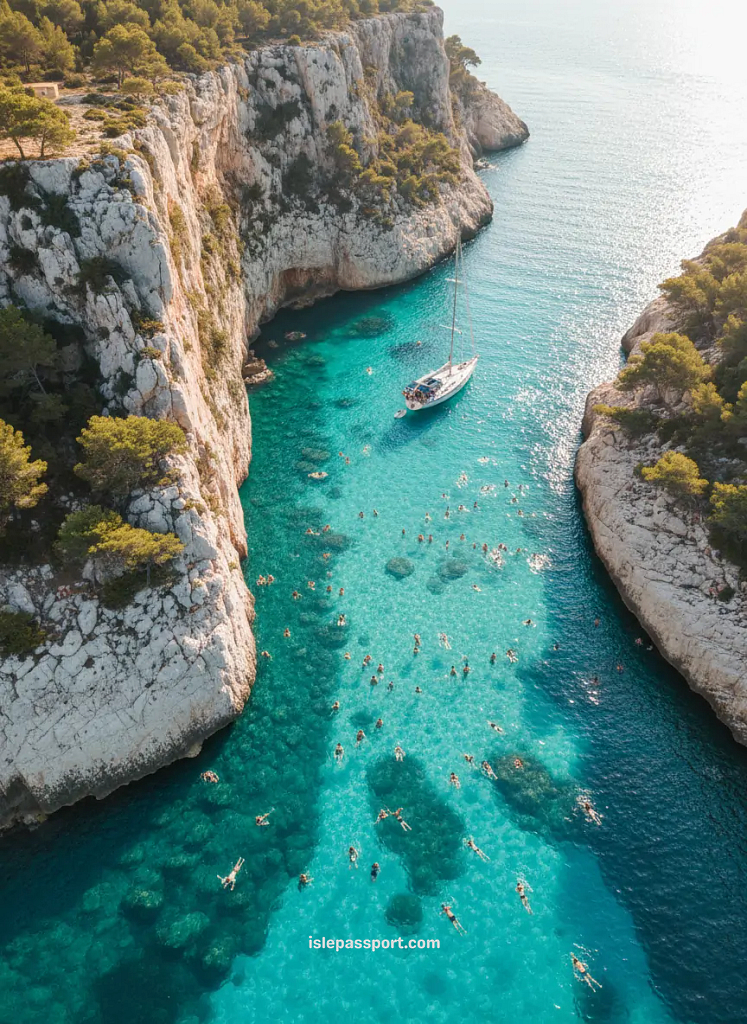
Located in the Mediterranean, the Balearics offer clear turquoise water, small coves, cliff viewpoints, and coastal towns that feel more relaxed than people expect.
If you’re planning your route from mainland Spain, my full Balearic ferry to Mallorca guide breaks down the exact routes from Barcelona, Valencia, and Denia. Including which ferry to take, when overnight crossings make more sense, and how to avoid booking the wrong port.
Main islands
- Mallorca
- Menorca
- Ibiza
- Formentera
If Mallorca is your base, choosing the right area makes a huge difference. This guide to where to stay in Mallorca for first-time visitors breaks down which parts of the island actually fit your travel style.
What island hopping feels like here
The ferries are short, clean, and fast. Mallorca → Menorca is one of the most scenic routes in the Mediterranean.
Ibiza → Formentera is only 30 minutes and makes an amazing day trip.

Who it’s best for
- Beach seekers
- Families
- Snorkelers
- Travelers who want quiet towns mixed with lively nightlife (Ibiza only if you want it)
Simple Balearic 7-day route
Mallorca → Menorca → Ibiza → Formentera
You get a mix of cliff-lined beaches, turquoise inlets, old towns, and calm coves.
If you’re chasing the quieter side of the island, I’ve mapped out the best calas in this Mallorca hidden beaches guide. Including the ones that are still relatively uncrowded in summer.
Also, if you’re combining island hopping with mainland highlights, you can also check my guide to the best coastal towns in Spain. Especially if you’re planning to explore the Balearics or southern coasts before or after the islands.
4. Island Hopping in Portugal
Portugal has two major island groups, and they are nothing alike. If Spain is about beaches and volcanic landscapes, Portugal is about nature, hiking, road trips, and remote-feeling islands.
I’ve visited both the Azores and Madeira, and they’re some of the most underrated archipelagos in Europe.
4.1 The Azores (Best for Nature Lovers)
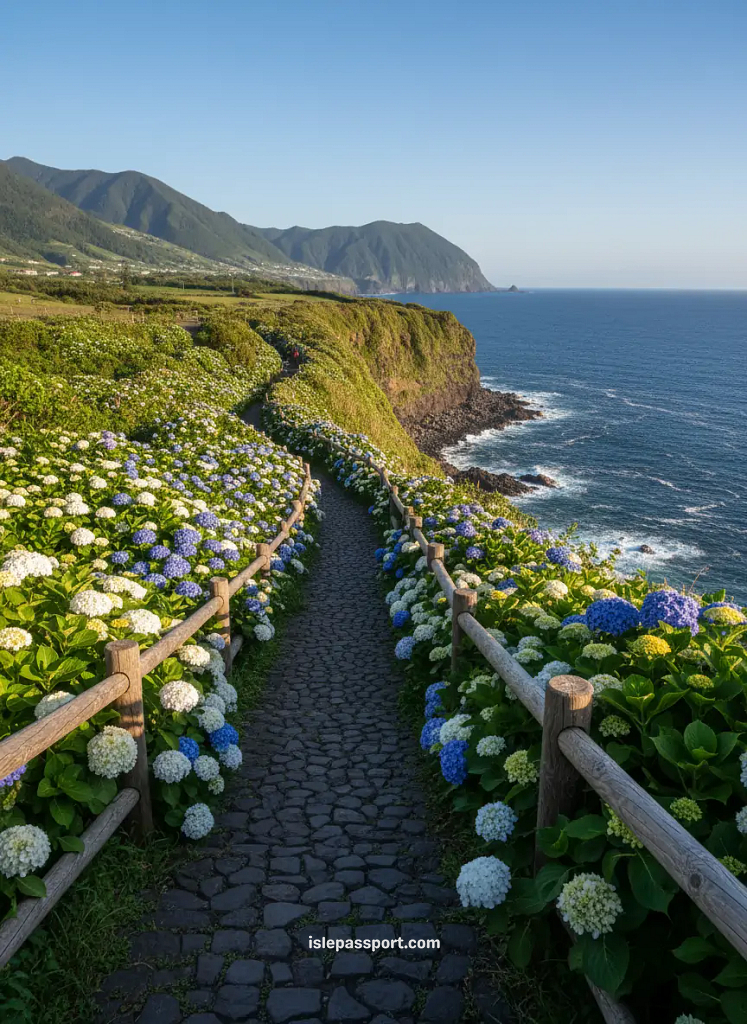
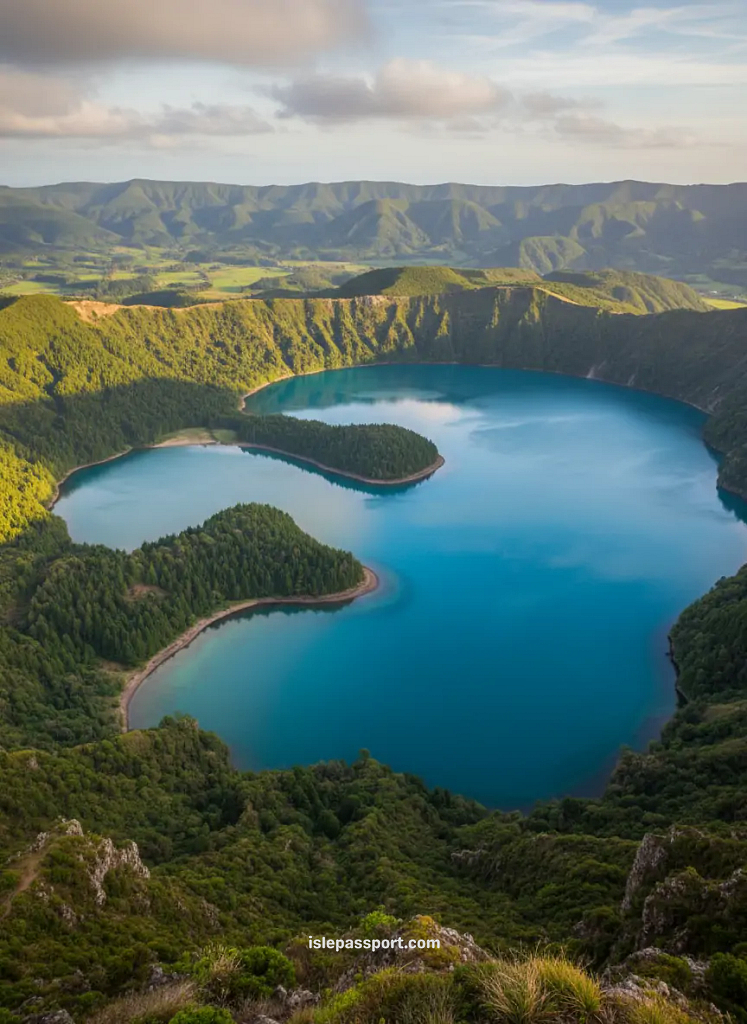
The Azores are one of the most unique island groups in the world — think volcanic lakes, crater rims, lush green cliffs, and villages that feel untouched by mass tourism.
The first time I visited the Azores, I underestimated how fast the weather can change and ended up losing a full hiking day, because I didn’t leave any buffer between islands.
That trip taught me to always build weather-proof itineraries here, and it’s something I recommend for every Azores route.

Best islands for a first trip
- São Miguel — easiest + biggest + iconic crater lakes
- Terceira — colorful towns + nature
- Pico — whale watching + vineyards
- Faial — volcanic landscapes
- São Jorge — dramatic cliffs + fajãs
How to get around
Here, island hopping is done mostly by flights, not ferries. SATA Air Açores runs short routes between the islands.
Ferries exist but are seasonal and much slower.
Sample 7–10 day Azores route
São Miguel → Terceira → Pico → Faial → São Miguel
This route mixes volcanic sites, small towns, and some of the best coastal hiking in Europe.
Best months
- Best overall: June–September
- May and October can be rainy but quiet.
Best for:
- Hikers
- Nature lovers
- Travelers who prefer fewer tourists
- Whale watching enthusiasts
4.2 Madeira Archipelago (Best for Scenic Drives and Trails)
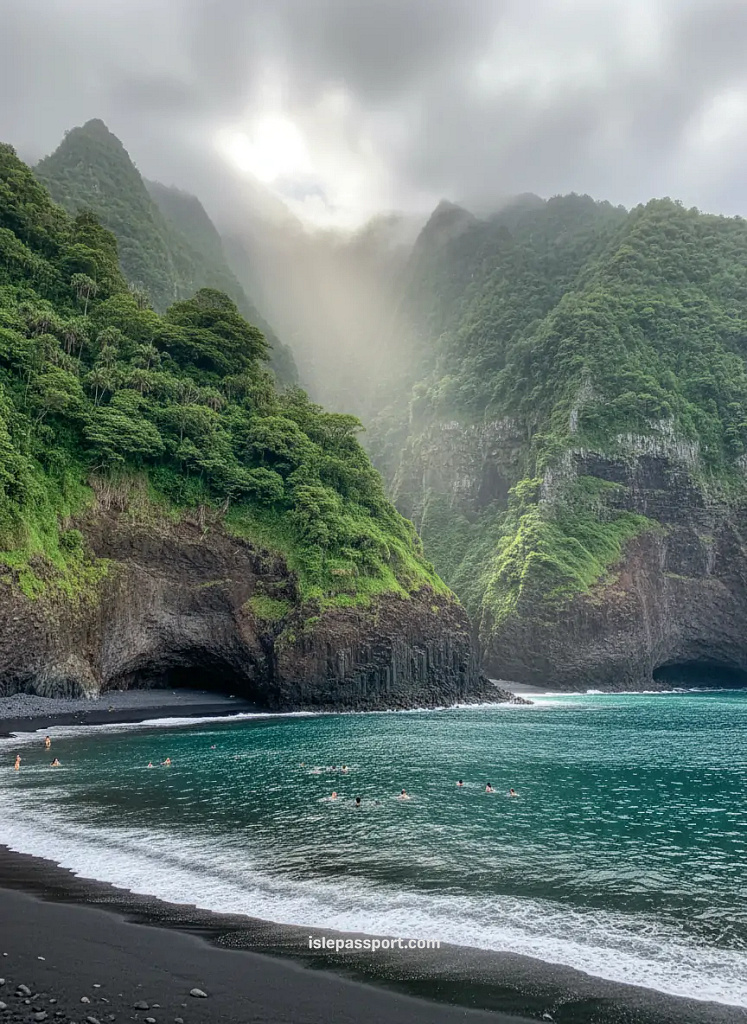
Madeira is not usually described as “island hopping,” but you can easily combine Madeira with the smaller island Porto Santo.
What it feels like
- Steep cliffs
- Dramatic viewpoints
- Mild weather
- Old volcanic terraces
- Beautiful hiking trails

How to get around
- Madeira ↔ Porto Santo ferry (2.5 hours)
- Small aircraft for quick connections
Who it’s best for
- Travelers who like scenic roads
- Hikers
- Slow travelers
- People who like organized but flexible trips
Madeira is also one of Europe’s rising remote-work hubs, so if you’re planning a longer stay, here’s my full guide to the best islands for digital nomads.
5. Island Hopping in Italy
Italy’s island-hopping scene is smaller and more intimate than Greece or Croatia, but it’s incredibly rewarding. The main archipelago, the Aeolian Islands, is a cluster of volcanic islands off the coast of Sicily.
5.1 Aeolian Islands (Best for Dramatic Landscapes)
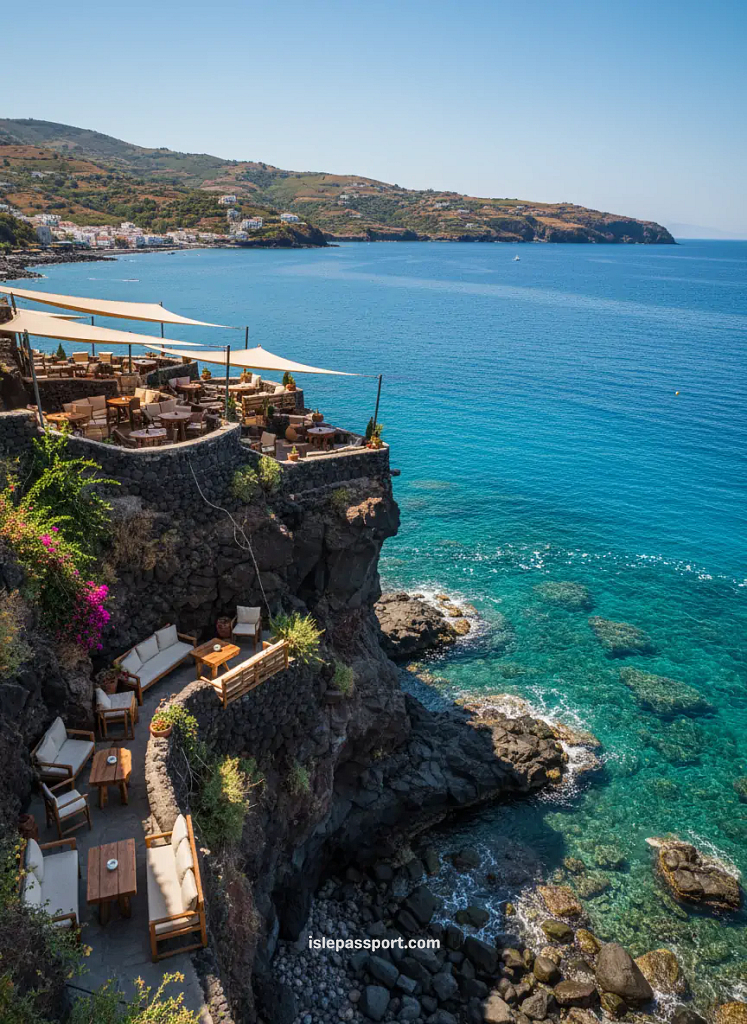
These islands feel wild, cinematic, and distinct from one another — which makes island hopping especially fun here.
On my last Aeolian trip, I based myself in Lipari because ferry cancellations usually hit the smaller islands first. That choice ended up saving my whole itinerary when high winds shut down the routes to Stromboli for a day.
Best islands
- Lipari — largest, easiest base
- Vulcano — black sand + volcanic mud baths
- Stromboli — active volcano hikes (guided)
- Salina — wineries and viewpoints. Salina is perfect if you want something peaceful, scenic, and far from tourist crowds. I also have a full list of uncrowded Mediterranean islands if you’re exploring quieter alternatives.
- Panarea — small, stylish, upscale
- Filicudi & Alicudi — very remote, few visitors
What island hopping feels like
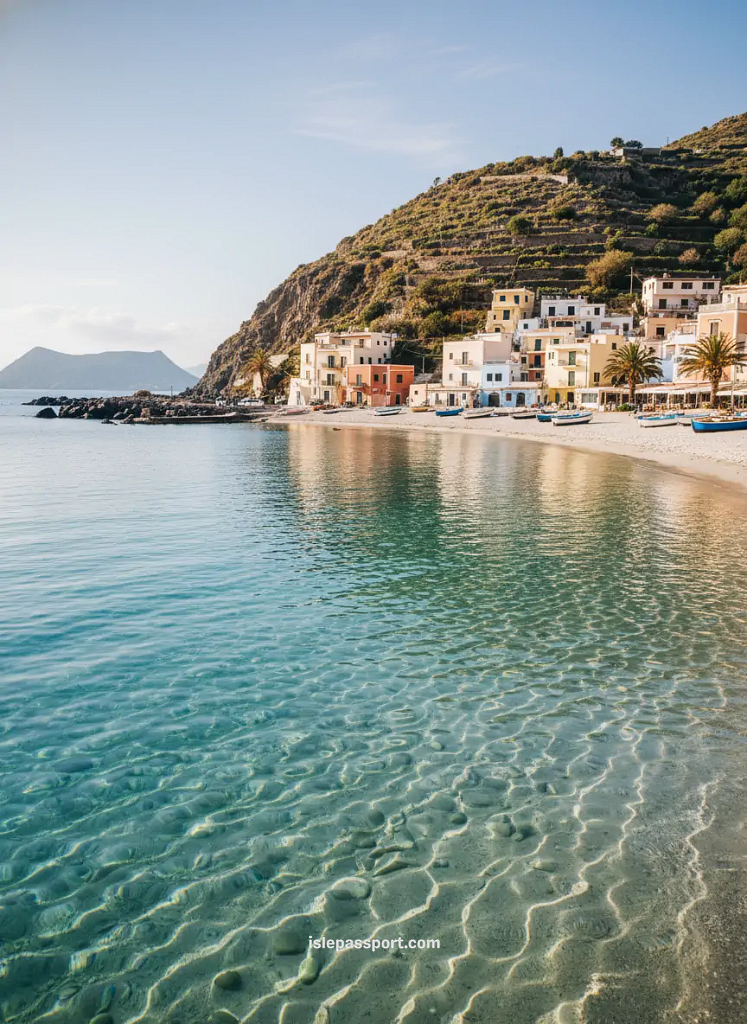
Fast ferries (aliscafi) and slower ferries connect most islands. Distances are short, and you can hop between 2–3 islands in a week without feeling rushed.
On my last Aeolian trip, I realized how much easier the whole route becomes when you have your own boat, even just for a day or two.
When I want to compare charter prices or find a small yacht for coastal exploring, I use Searadar’s boat rental platform—they’ve consistently had the clearest availability and the best filters for these islands.
Sample 7-day Aeolian route
Lipari → Vulcano → Salina → Stromboli
This gives you landscapes, beaches, food, and the famous volcano.
If you want to add a mainland stop before or after the islands, here’s my detailed guide to Italy’s best coastal towns — including the prettiest beaches near Florence and the most charming seaside towns around Naples.
Best months
- Late May–June & September
- July is good but busy
- August is peak season
Best for:
- Adventure travelers
- Volcano lovers
- Food + wine travelers
- Small-boat tours
5.2 Sardinia Add-On (La Maddalena Archipelago)
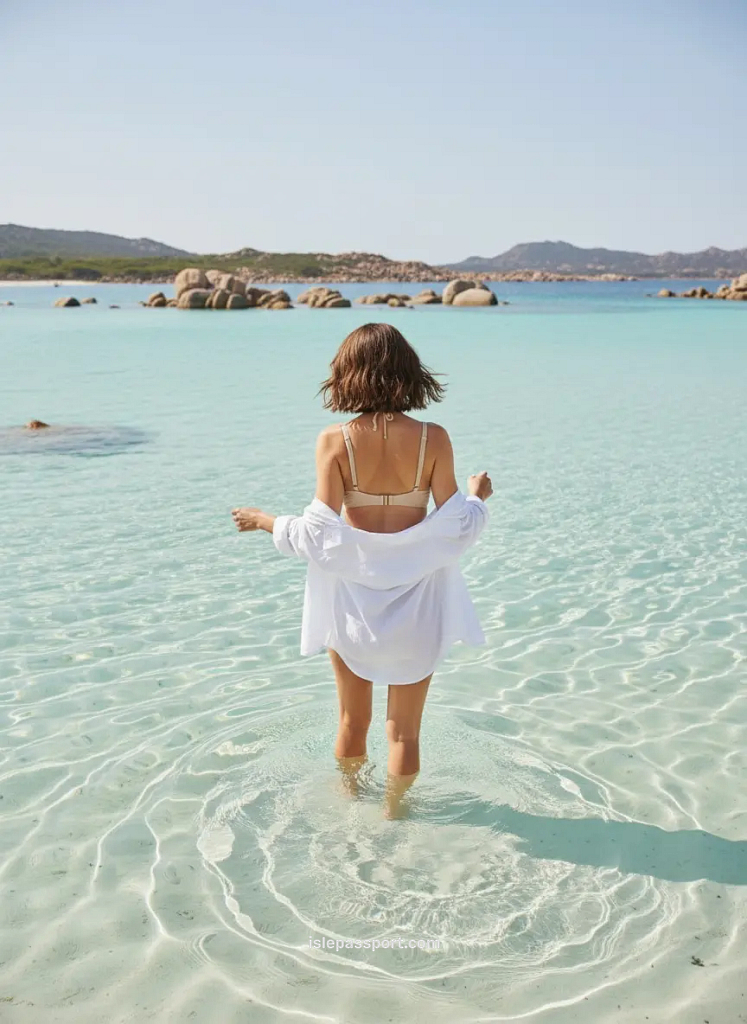
Not traditional island hopping, but this area is excellent for short hops between small, turquoise-water islands.
You can base in Palau and visit:
- La Maddalena
- Caprera
- Spargi
- Budelli
Great for boat tours and beaches.
6. Smaller or Alternative Europe Island Hopping Routes
These are great for second or third trips, or if you prefer cooler climates.
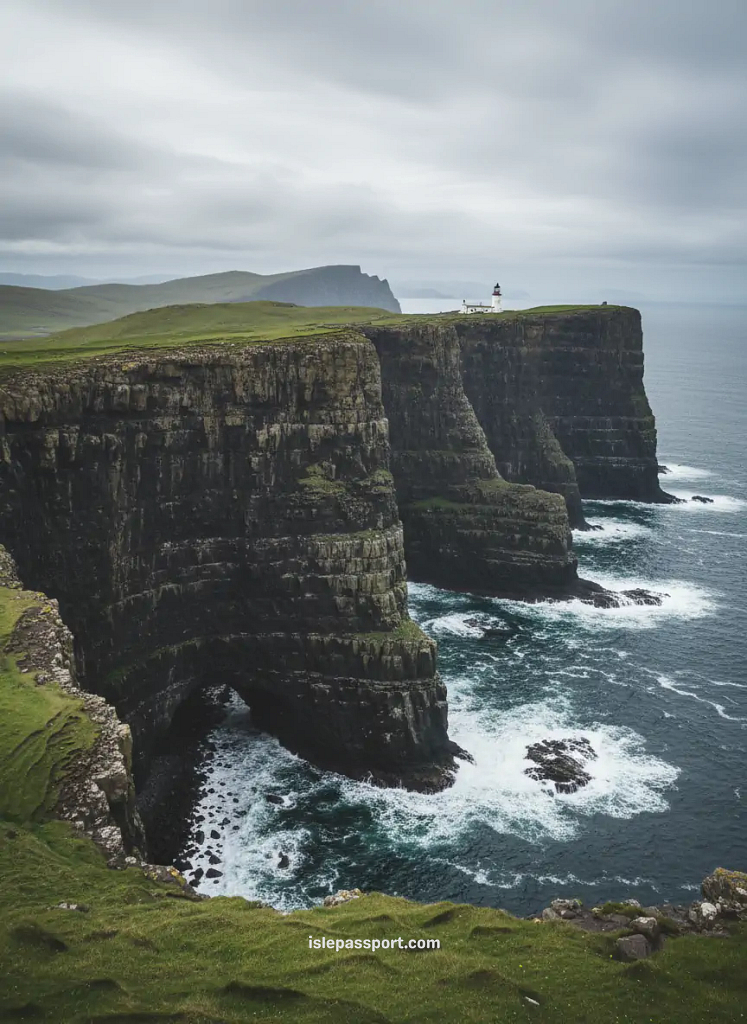
6.1 Scotland’s Hebrides
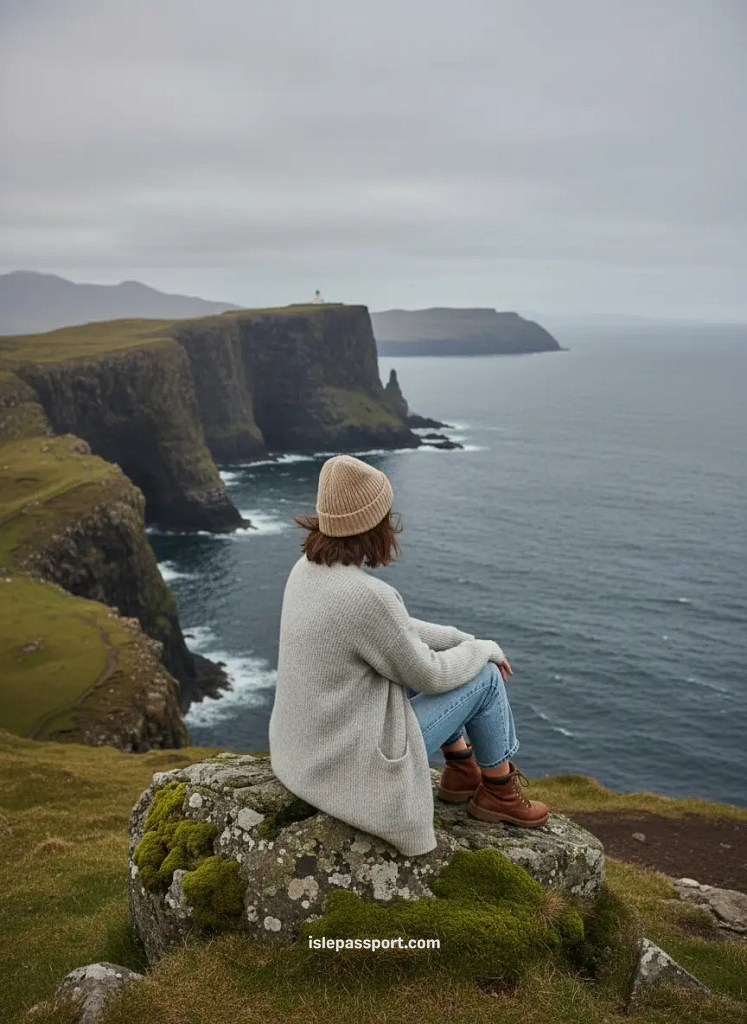
Think dramatic cliffs, wild landscapes, fishing villages, and incredible wildlife.
Best islands
- Skye
- Mull
- Iona
- Harris
- Lewis
- Barra
- Coll & Tiree
Best for:
- Nature lovers
- Travelers avoiding heat
- Photographers
- Slow coastal drives
6.2 Channel Islands (UK + France)
Small, charming, and great for weekend hopping.
Best islands
- Jersey
- Guernsey
- Sark
- Herm
- Alderney
Perfect for short ferry hops and relaxed coastal walks.
Quick Comparison: Which Region Should You Choose?
Greece
First-timers, couples, beaches, food
- Ideal Season
- May–Oct
- Difficulty
- Very easy
Croatia
Culture, food, nightlife, short ferries
- Ideal Season
- May–Sept
- Difficulty
- Easy
Canary Islands
Winter sun, volcanoes, long road trips
- Ideal Season
- Year-round
- Difficulty
- Easy
Balearics
Beaches, turquoise water, day trips
- Ideal Season
- May–Oct
- Difficulty
- Very easy
Azores
Nature, hiking, whale watching
- Ideal Season
- Jun–Sept
- Difficulty
- Moderate
Madeira
Scenic drives, viewpoints, mild climate
- Ideal Season
- Year-round
- Difficulty
- Easy
Aeolians
Dramatic landscapes, adventure
- Ideal Season
- May–Sept
- Difficulty
- Moderate
Hebrides
Cool-weather nature trips
- Ideal Season
- May–Sept
- Difficulty
- Moderate
How to Get Around: Ferries, Flights, and Local Transport
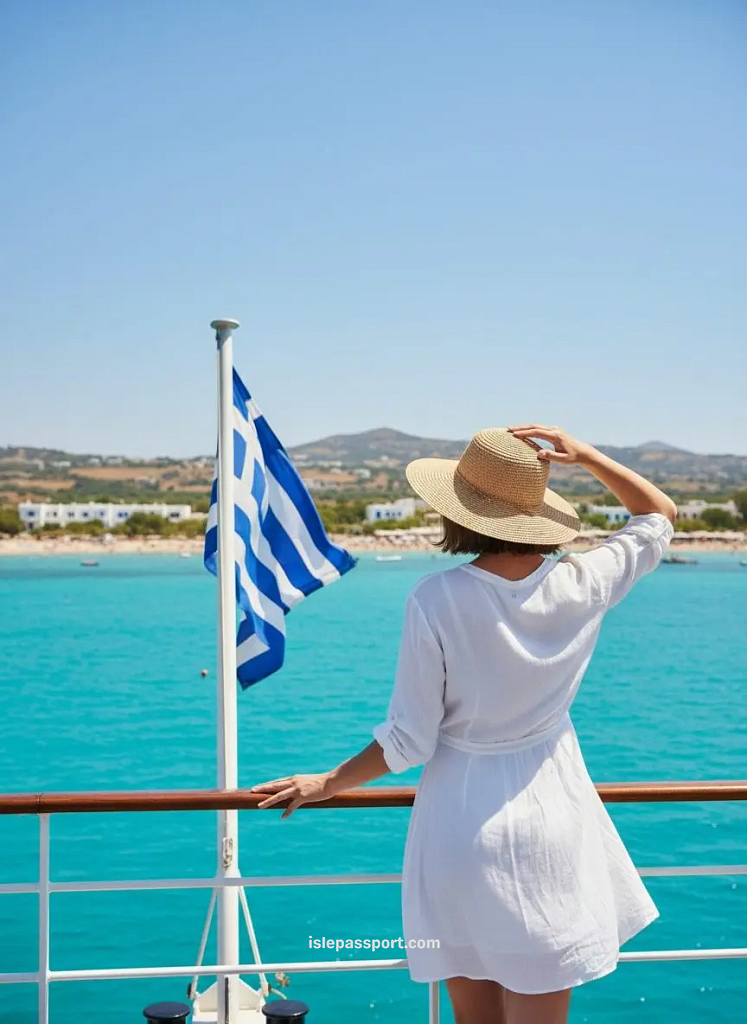
One thing I love about Europe is how simple island hopping becomes once you understand the basics.
The ferries are easy, the schedules are reliable during the main season, and you usually don’t need to book more than a couple of weeks ahead—unless you’re traveling in August.
Here’s everything you should know before planning.
Ferries: The Backbone of Island Hopping in Europe
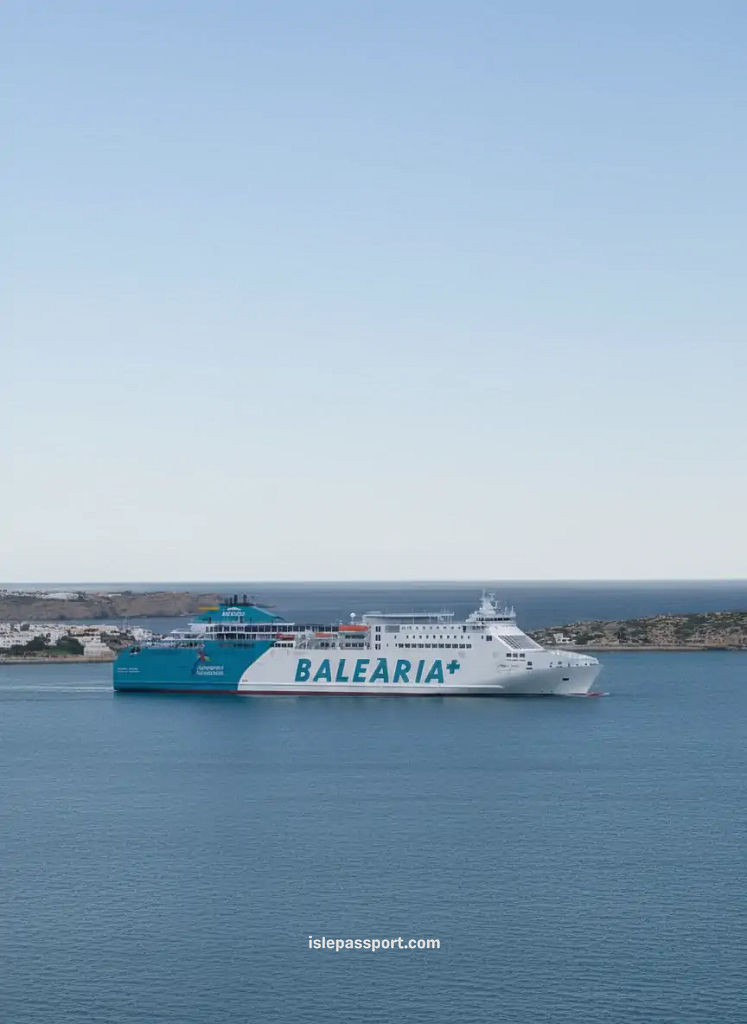
Where ferries work best
- Greece
- Croatia
- Balearic Islands
- Canary Islands
- Aeolian Islands
- Scotland (CalMac routes)
What ferries are like
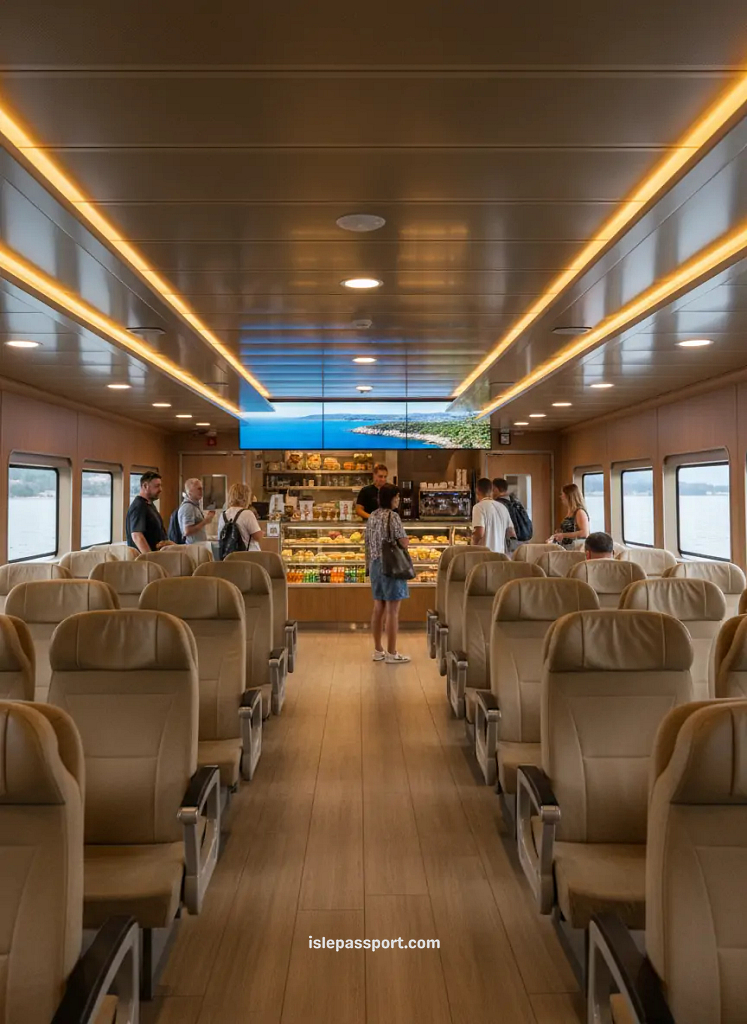
Today’s ferries are nothing like the old stereotypes. Most are:
- clean and modern
- air-conditioned
- offer snacks, drinks, Wi-Fi
- have comfortable seating
- run on predictable schedules
When to book
- May–July: usually fine to book 1–2 weeks out
- August: book early (this is Europe’s holiday month)
- Shoulder season: ferries may operate fewer routes
Useful ferry resources
- Ferryhopper — my go-to for Greece, Spain, Italy
- Rome2Rio — good for comparing ferry vs flight routes (Outbound authority link #2 – trusted, travel-planning resource)
Flights: When They’re Necessary
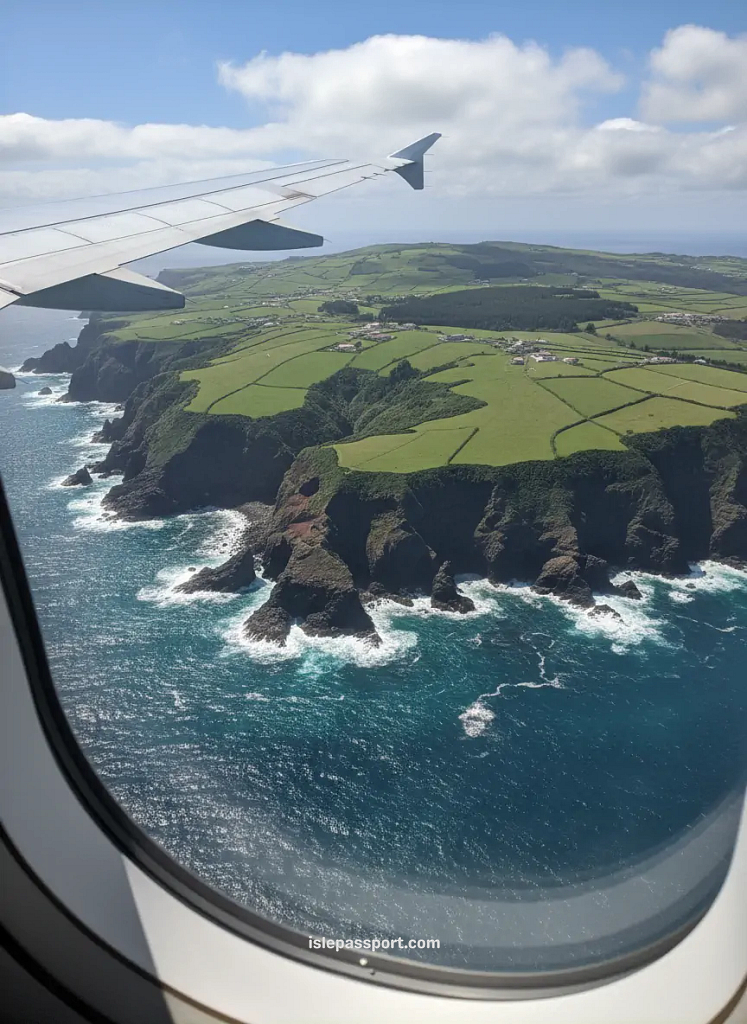
In some regions, flights are part of normal island hopping.
You’ll need flights in:
- Azores (São Miguel → Pico → Terceira, etc.)
- Madeira → Porto Santo (optionally)
- Some Canary Islands (longer routes)
Car rentals
Not required everywhere, but helpful in:
- São Miguel (Azores)
- Madeira
- Mallorca
- Sardinia
- Tenerife, Gran Canaria
I usually rent for 2–3 days on larger islands, not the whole trip.
On bigger islands like São Miguel, Tenerife, or Madeira, I usually rent a car for a couple of days so I can reach the viewpoints and remote beaches. I normally book through Local Rent because it gives me the cleanest comparison across all the local companies.
Local Boats & Water Taxis
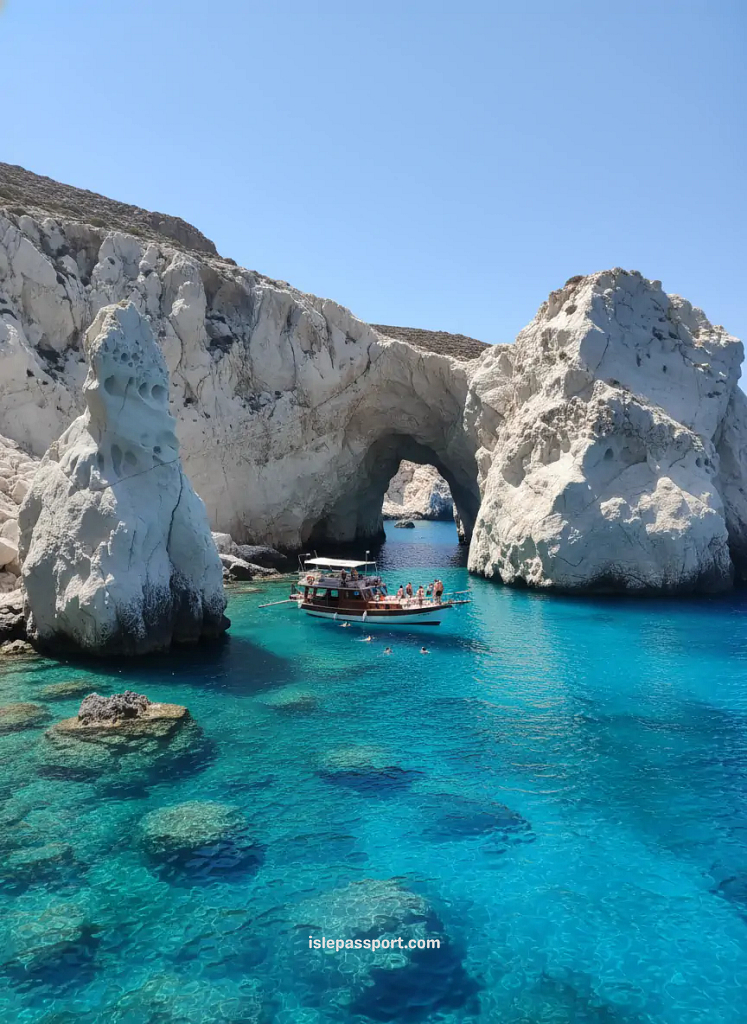
You’ll find these commonly in:
- Milos (Greece)
- Amalfi Coast + Sicily
- Croatia’s smaller bays
- Canary Islands for coast-hopping
They’re perfect for day trips or reaching inaccessible beaches.
Costs of Island Hopping in Europe
(Realistic ranges based on my own trips and current 2025 pricing)
These numbers come from my own trip budgets that I’ve tracked over the years. I always test each region with both a budget-friendly approach and a mid-range approach.
So the cost ranges here reflect what people actually spend—not the inflated estimates you usually see on big travel sites.
One thing I always add on top of this is simple travel insurance, especially on trips with lots of ferries or small flights. It’s saved me more than once when weather or cancellations messed with my plans.
Average Daily Budget (per person)
Ferry Prices (Typical)
- Greece: 12–50 EUR
- Croatia: 6–25 EUR
- Balearics: 20–40 EUR
- Canaries: 35–60 EUR
- Aeolians: 10–35 EUR
- Azores: ferries are limited, flights: 40–80 EUR
Accommodation Costs
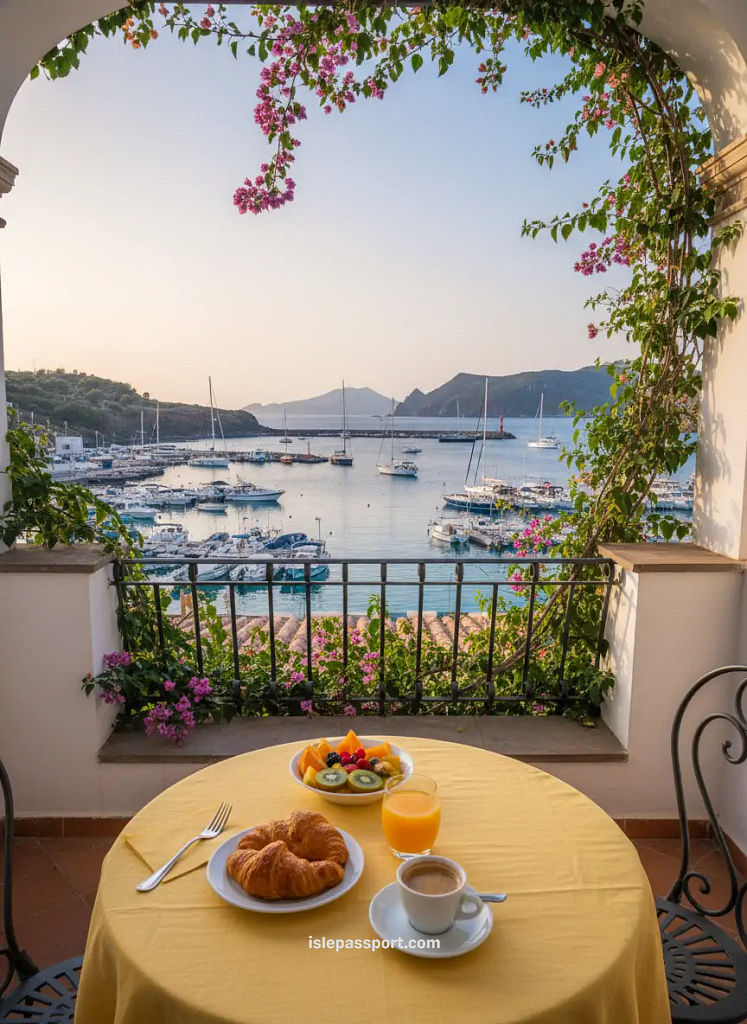
- Budget guesthouses: 35–70 EUR
- Mid-range: 70–150 EUR
- Stylish boutique stays: 120–250 EUR
- Luxury hotels: 250+ EUR
To keep things simple, I usually book island stays through my favorite hotel booking site because it makes it easy to filter for small guesthouses, apartments, and boutique hotels in one place.
Tip: Shoulder season saves a lot of money—especially in Greece and Croatia.
Food Costs
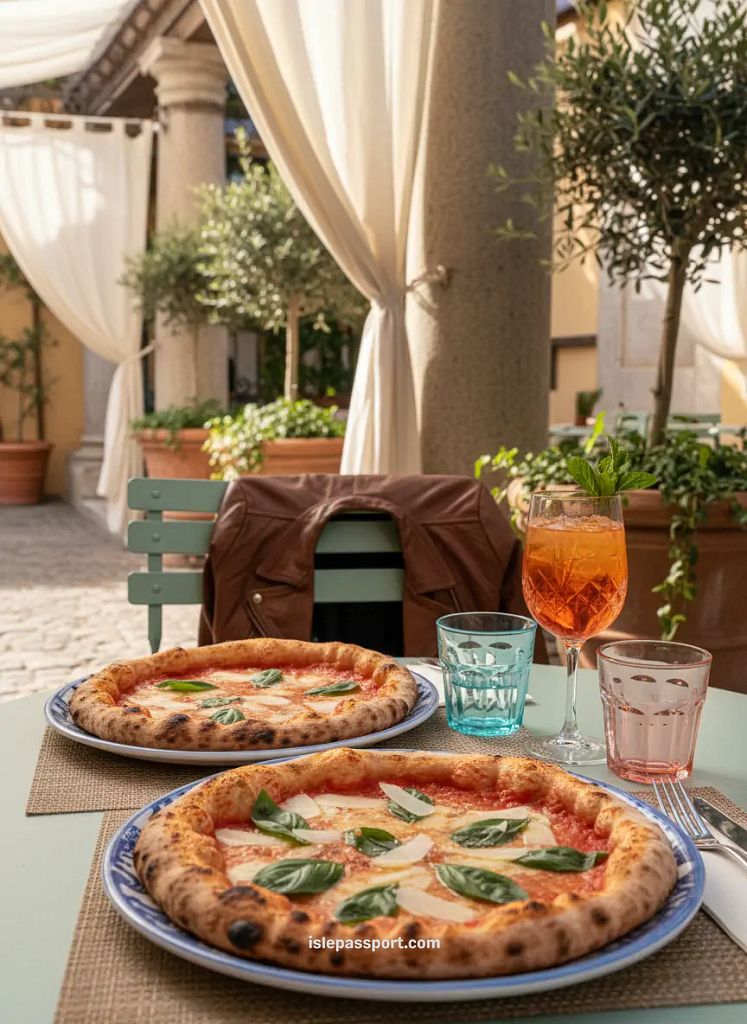
Mediterranean islands are very food-friendly:
- Greece / Croatia tavern meals: 10–18 EUR
- Spain / Portugal: 12–20 EUR
- Italy: 12–22 EUR
- Markets & bakeries: cheap everywhere
Island hopping doesn’t have to be expensive if you mix restaurants with bakeries, markets, and waterfront snack bars.
Best Time for Island Hopping in Europe
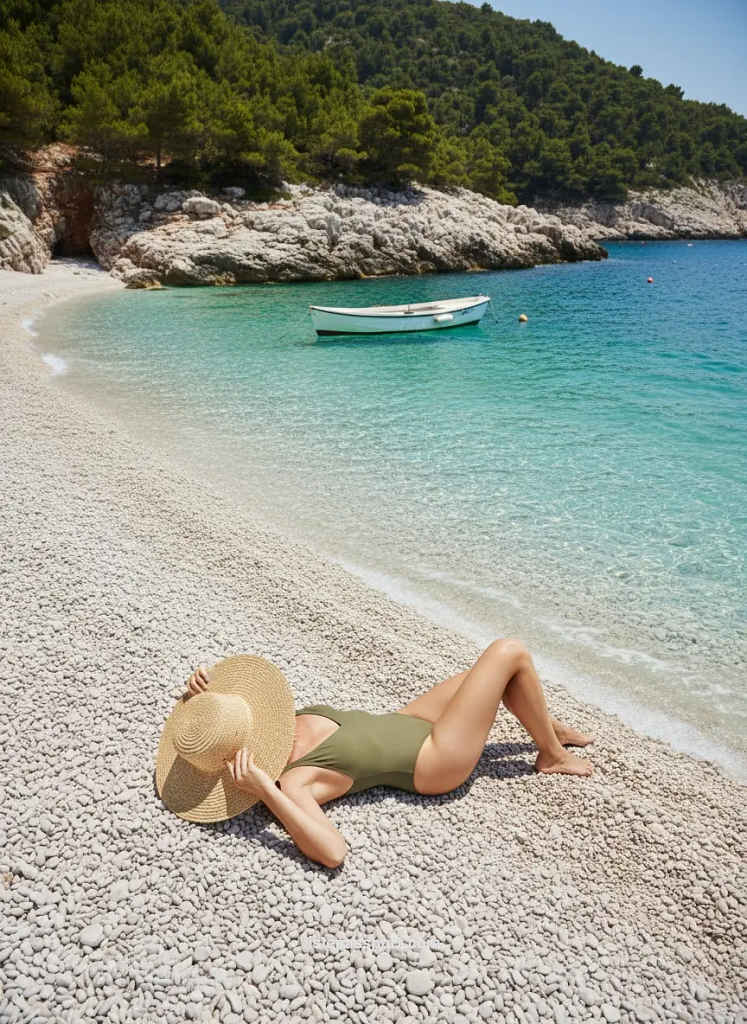
Europe has many microclimates, but here’s the simple breakdown I use when planning:
Best Overall Months
- June: warm, lively, not too crowded
- September: perfect weather, warm sea, calmer beaches
These are the sweet spots for almost every region.
Region-by-Region
My timing recommendations come from a mix of real ferry data, weather patterns, and my own repeat trips—especially in Greece and Croatia—where shoulder season has consistently given me the best balance of good weather, lower prices, and fewer crowds.
If you’re considering shoulder season, Mallorca in May is one of the best times to go. Warm enough for beaches, but without the peak summer crowds.
Sample Europe Island Hopping Itineraries (10–14 Days)
10-Day Greece Cyclades Route
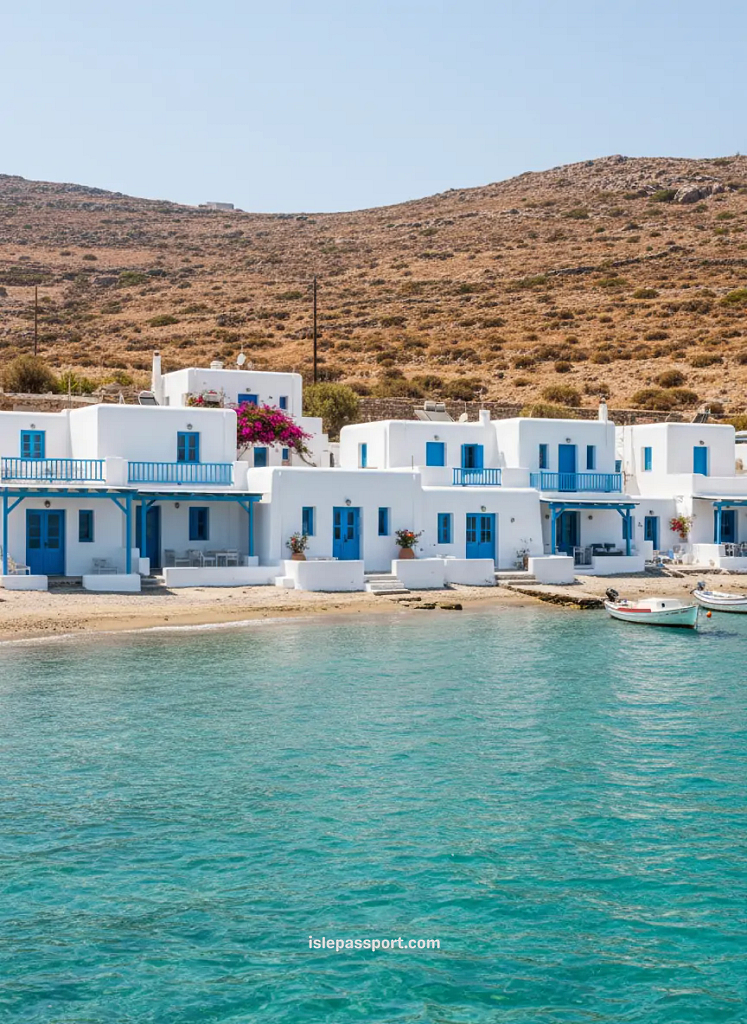
Athens → Paros → Naxos → Milos → Santorini
Perfect mix of food, beaches, towns, and landscapes.
10-Day Croatia Route
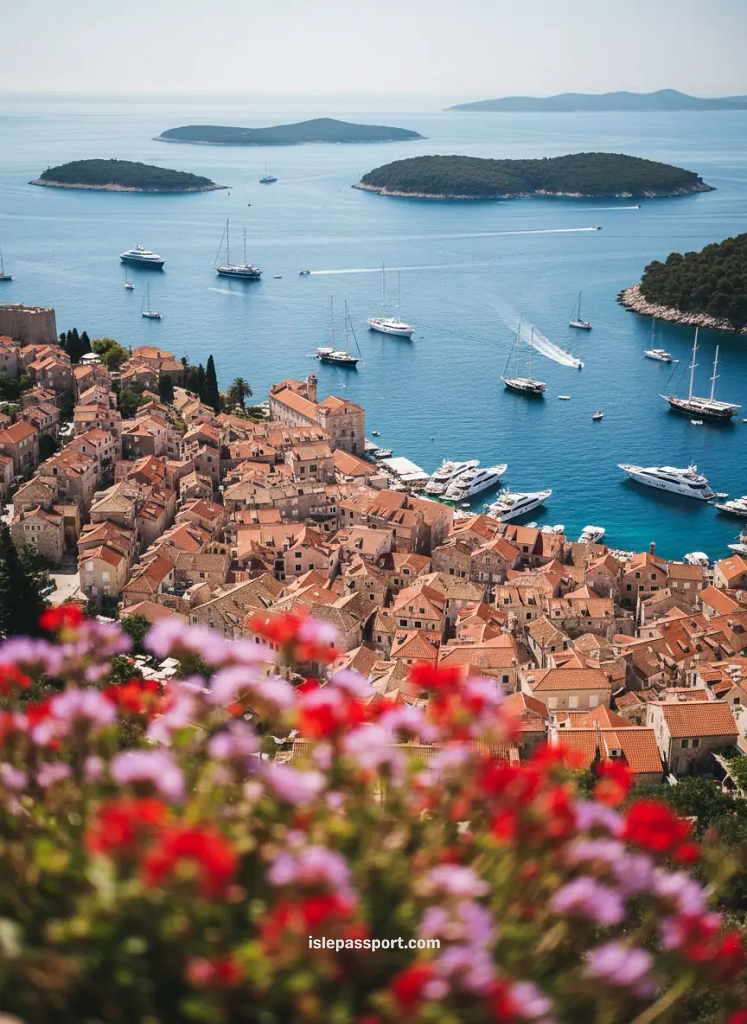
Split → Brač → Hvar → Korčula → Dubrovnik
Short, easy ferries and no wasted travel days.
10–12 Day Canary Islands Route
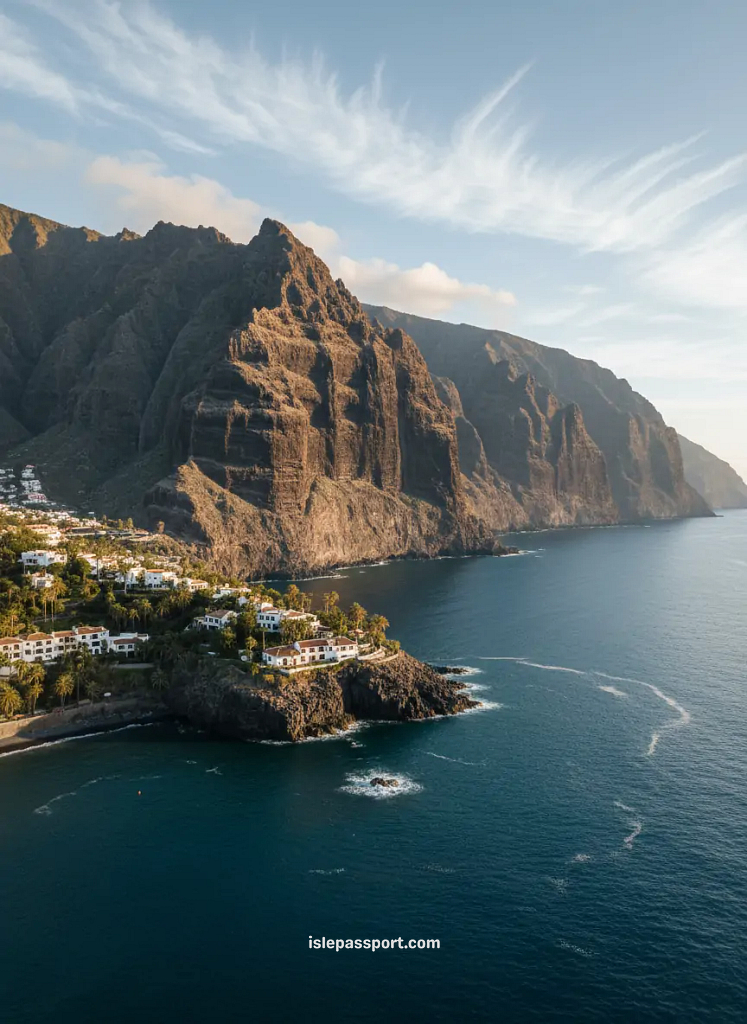
Tenerife → La Gomera → La Palma → Tenerife
Great for winter sun + volcanic landscapes.
10-Day Azores Route

São Miguel → Terceira → Pico → Faial → São Miguel
Whales, volcanoes, crater lakes, hiking.
Whenever I’m planning things like whale watching or volcano tours, I start with GetYourGuide because it’s the easiest way to compare options and make sure the timing works with my route.
11.5 12-Day Italy Aeolian Route
Lipari → Vulcano → Salina → Stromboli → Lipari
Dramatic, wild, perfect for small-boat coastal tours.
FAQ Island Hopping Europe
What is the best place for island hopping in Europe?
Greece is the best overall place for island hopping in Europe. The ferry network is extensive, the islands are close together, and routes between Paros, Naxos, Milos, and Santorini are perfect for first-timers. Croatia, the Canary Islands, and the Azores are great second options depending on your travel style.
How many days do you need for island hopping in Europe?
Most travelers need 7–14 days. With 7 days, focus on 2–3 islands. With 10–14 days, you can comfortably visit 3–5 islands without rushing.
Can you island hop the Mediterranean?
Yes — the Mediterranean is one of the best regions for island hopping. Greece, Croatia, Italy’s Aeolian Islands, and Spain’s Balearic Islands all offer easy ferry connections.
Is island hopping expensive?
It doesn’t have to be. Island hopping in Europe typically costs 60–120 EUR/day depending on destination, season, and travel style. Ferries are usually affordable, especially in Greece and Croatia.
Do I need to book ferries in advance?
Only in August or on popular routes. In June and September, booking 1–2 weeks ahead is usually enough. In shoulder seasons, you can often book the day before.
Most of my best island hopping trips happened when I kept the route simple, mixed busy islands with quieter ones, and left plenty of room for slow days. After almost a decade of doing this, that’s still the formula I trust the most—it works every single time.
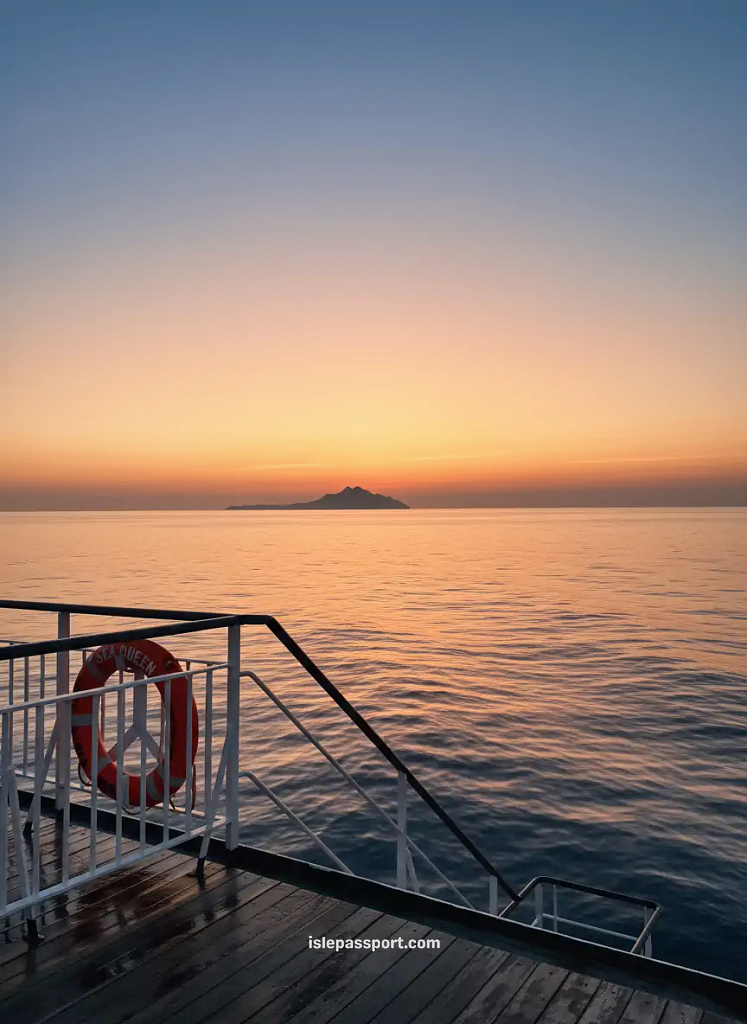
Before You Go..
Island hopping in Europe is honestly one of the easiest and most enjoyable ways to travel. If you love beaches, coastal towns, ferries, and slow days by the water, this type of trip fits perfectly.
After almost ten years of testing different island routes around Europe—trying new ferries, comparing itineraries, and learning what actually works.
I can confidently say that Europe is still the best place in the world for first-timers who want to try multi-island travel. It’s simple, flexible, and surprisingly stress-free once you get into the rhythm.
And after all these years hopping between islands in Greece, Croatia, Spain, Portugal, and Italy, the magic still comes from the same things: good food, relaxed days, blue water, and that feeling of waking up somewhere new without ever feeling rushed.
Wherever you go, remember: you don’t need a complicated plan to have an amazing island trip. Choose a region, pick 2–4 islands, leave room for slow days, and let the sea set the pace.
💛 Loved this guide?
If it helped you plan your trip or discover somewhere new, you can help me create the next one. Every guide is free to read, independently researched, and made with travellers like you in mind.
