
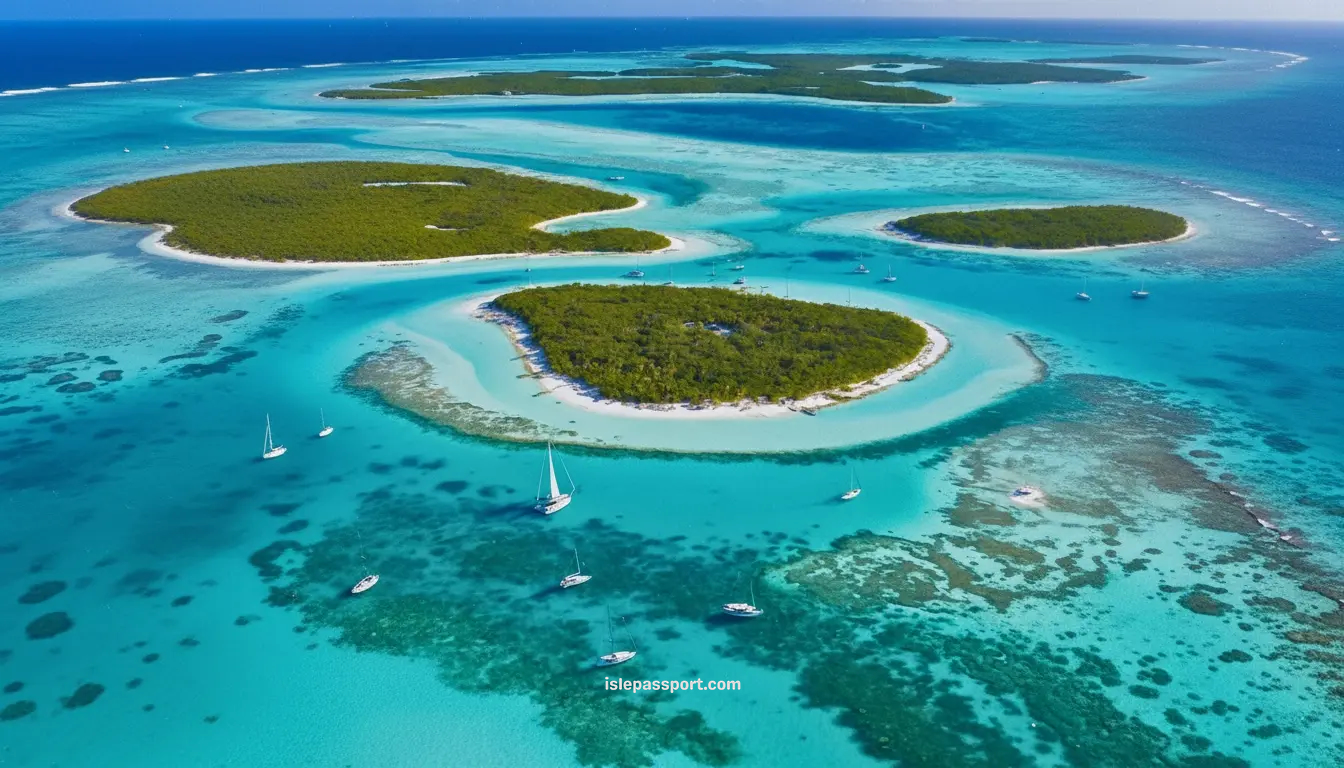
25 Best Island Hopping Destinations in the World (2026 Bucket List)

☕ Reader-supported. Every guide is free to read, with no sponsored recommendations. If Isle Passport helps you plan better trips, you can help create the next guide.
Island hopping is one of those travel dreams that actually lives up to the hype. There’s just something about waking up on a new island, catching the morning ferry, and watching the sea shift from turquoise to deep blue as you move between places that feel both familiar and totally new.
Over the years, I’ve island-hopped through Europe, Asia, and the Pacific — sometimes on a shoestring, sometimes splurging for that one perfect beachfront bungalow.
And every single trip has reminded me that island hopping doesn’t need to be complicated or expensive. You just need to know where to go.
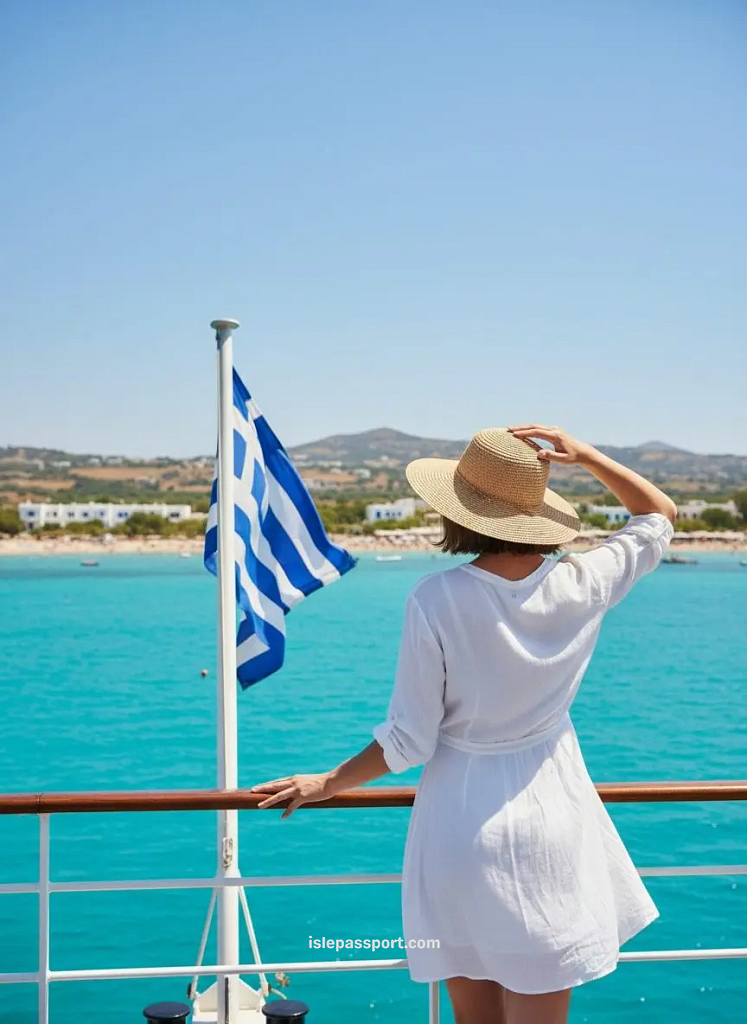
That’s exactly what this guide is for. Below, I’ve rounded up the best island hopping destinations in the world — from Greece’s sun-bleached Cyclades to Thailand’s emerald bays and Fiji’s coral-ringed lagoons.
Each one offers a different kind of magic: short ferry rides, local food, warm smiles, and that easy rhythm of life you only find on islands.
So grab your map, your flip-flops, and maybe a notebook — because by the end of this list, you’ll probably have a whole new bucket list.
What Makes an Island Hopping Destination Truly Amazing
Not every group of islands is good for island hopping — and that’s something I learned the hard way after years of trying to plan trips that looked perfect on a map but were a logistical nightmare once I arrived.
Some islands are too far apart, ferries don’t run often enough, or everything ends up being too expensive once you factor in transfers and accommodation.
Here’s exactly what I look for when I choose a place to go island hopping — and what separates the amazing destinations from the ones that look better on Instagram than they feel in real life.
1. Reliable and Frequent Ferry or Flight Connections
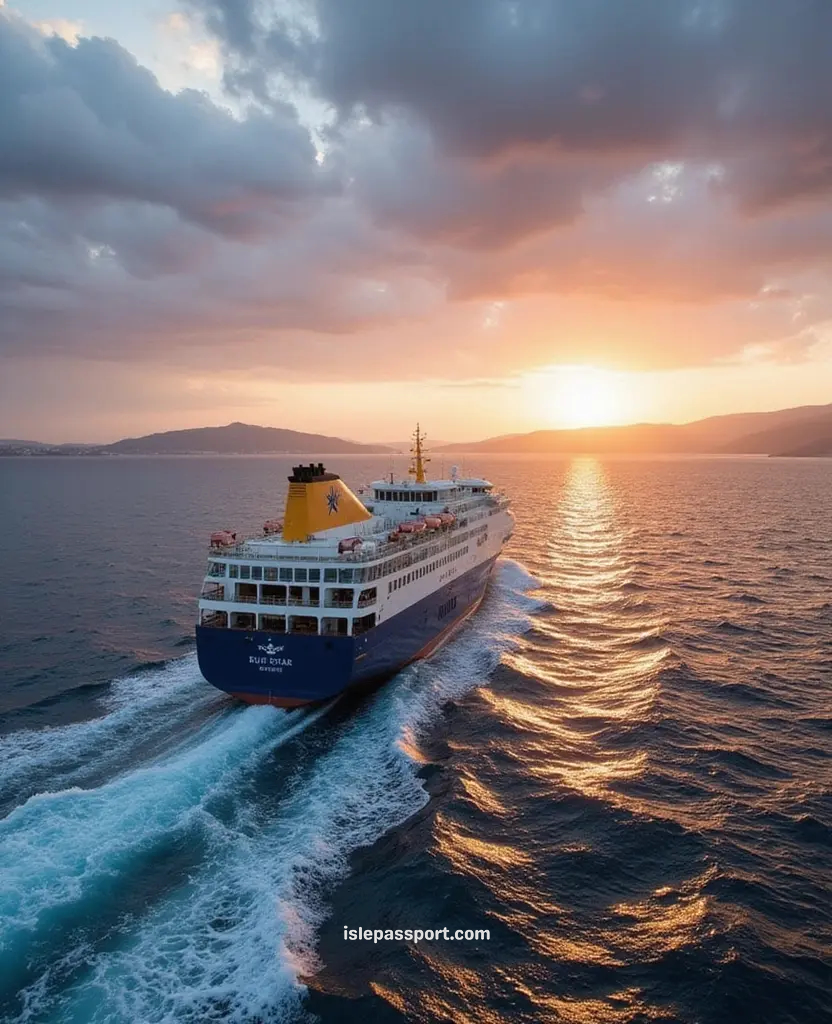
A good island hopping destination should make it easy to move around. Daily or near-daily ferries (or quick local flights) mean you can explore multiple islands without wasting days stuck waiting for transport.
- In Greece, for example, ferries between the Cyclades run several times a day in summer. You can go from Paros to Naxos in under an hour.
- In Thailand, local longtail boats and speedboats connect the islands quickly and cheaply.
- In contrast, places like the Caribbean can be trickier because many islands require flights instead of ferries, which drives up cost and travel time.
When you’re planning, always check real ferry schedules (websites like Ferryhopper or Direct Ferries help) before you book your flights or hotels.
I usually start by plugging my dates and islands into Ferryhopper so I can see real ferry times and prices in one place before I commit to flights or hotels—it’s saved me from awkward layovers more than once.
2. Manageable Distances Between Islands
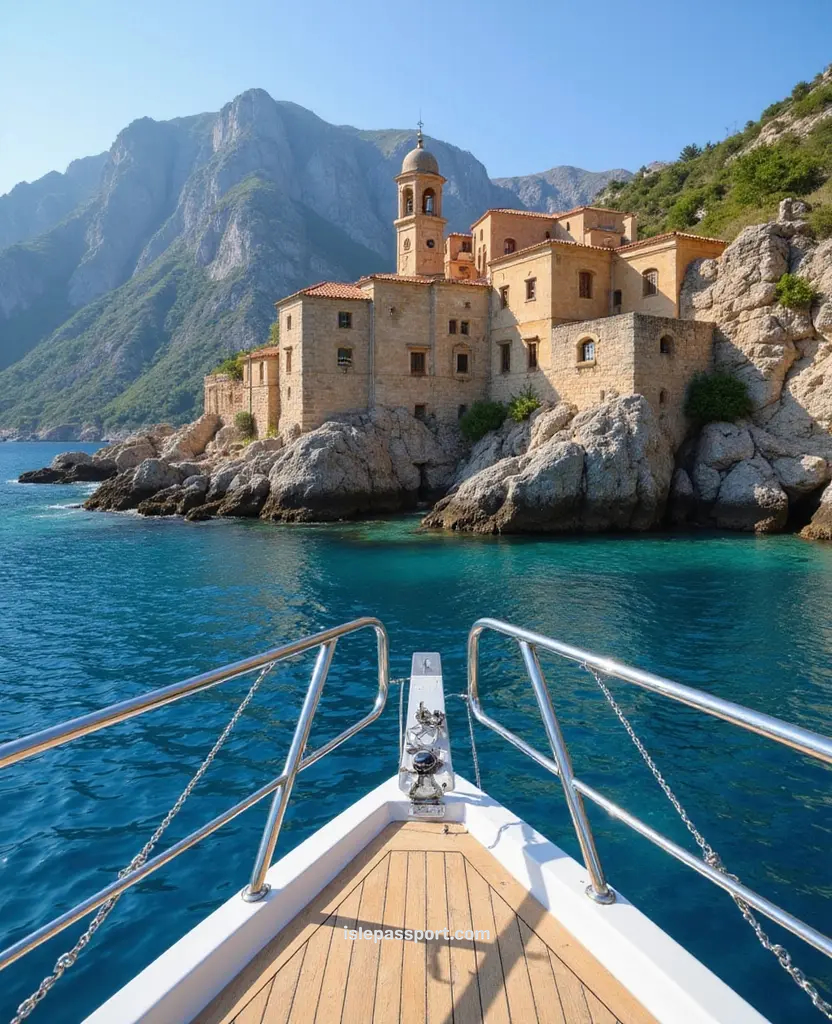
Shorter distances = smoother trip. Ideally, each ferry ride should be under 3 hours. That way, you can arrive, check in, and still have most of the day left to explore.
Good examples:
- Greek Cyclades or the Croatian islands, where rides are usually under 2 hours.
- Bad examples: islands separated by overnight ferries or long, bumpy crossings.
If your map looks like a zigzag across open sea, that’s usually a sign to narrow down your route.
3. A Mix of Landscapes and Vibes
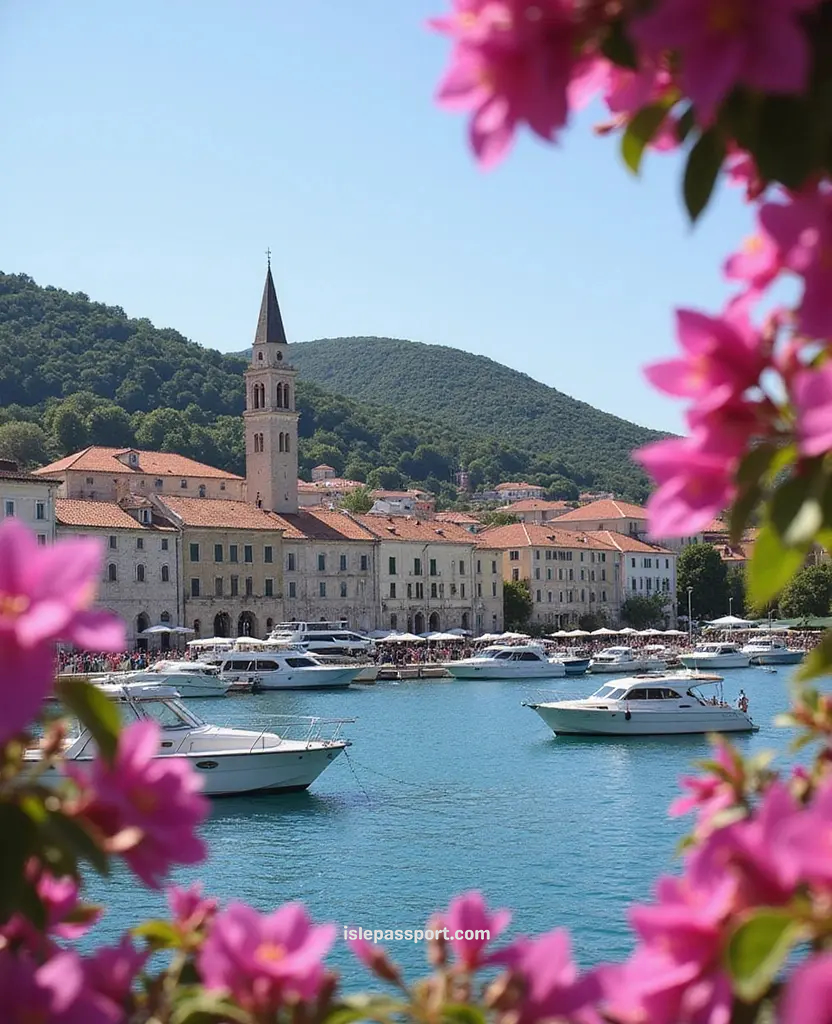
The best island hopping routes combine variety — not just beach after beach.
- Maybe one island is great for hiking, another for food, another for swimming or nightlife.
- In the Philippines, you can combine calm El Nido with lively Coron.
- In Greece, pair laid-back Naxos with picture-perfect Santorini.
- In Croatia, hop from charming Hvar to quiet Vis for contrast.
That variety keeps your trip interesting and gives you a taste of different local cultures, even within the same country.
4. Reasonable Prices Once You Arrive
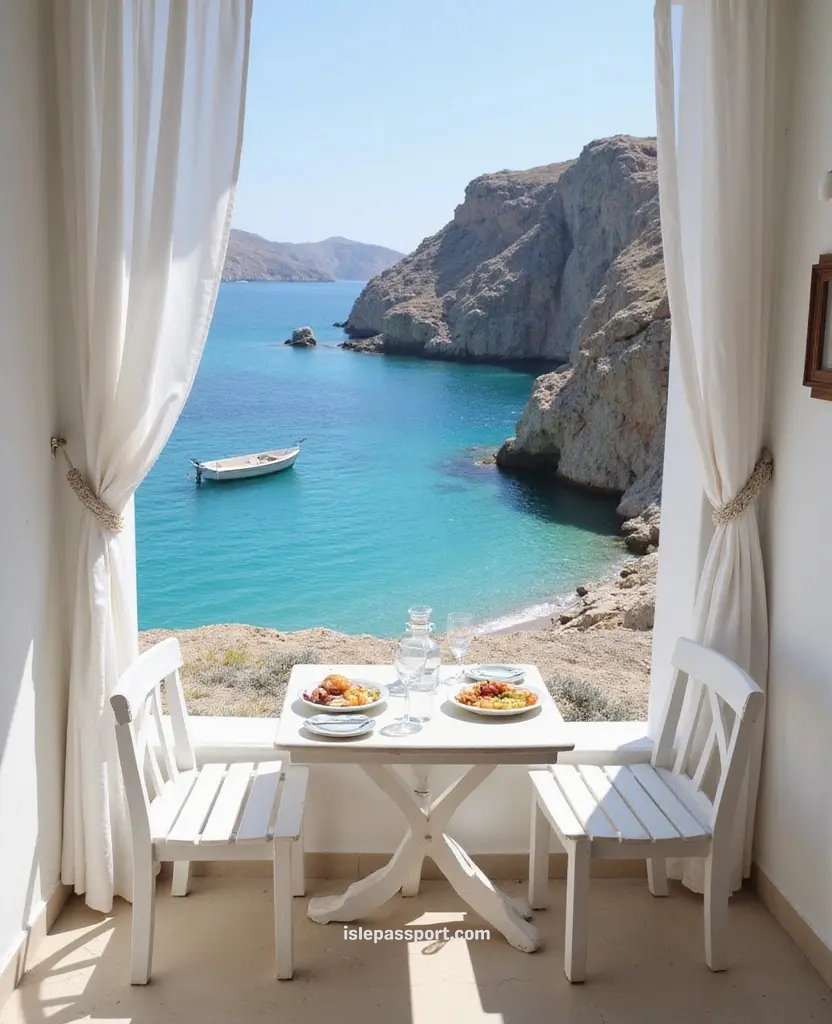
Some islands are breathtaking but overpriced once you land. Before you decide on a destination, check the average accommodation and meal costs — because small differences add up quickly when you’re visiting several islands.
- In Greece and Thailand, mid-range rooms start around $60–$80 per night, and meals can be under $10.
- In places like French Polynesia or the Maldives, you’ll easily spend $250+ per night even at simple hotels.
If you want to stretch your budget, pick islands where locals actually live year-round — they tend to have supermarkets, local restaurants, and non-resort prices.
When I’m piecing together a multi-island route, I usually book most of my stays through my go-to hotel booking site so I can filter for small guesthouses, apartments, and flexible cancellation in one place—it makes it much easier to keep track of several islands at once.
5. Clear Routes and Travel Infrastructure
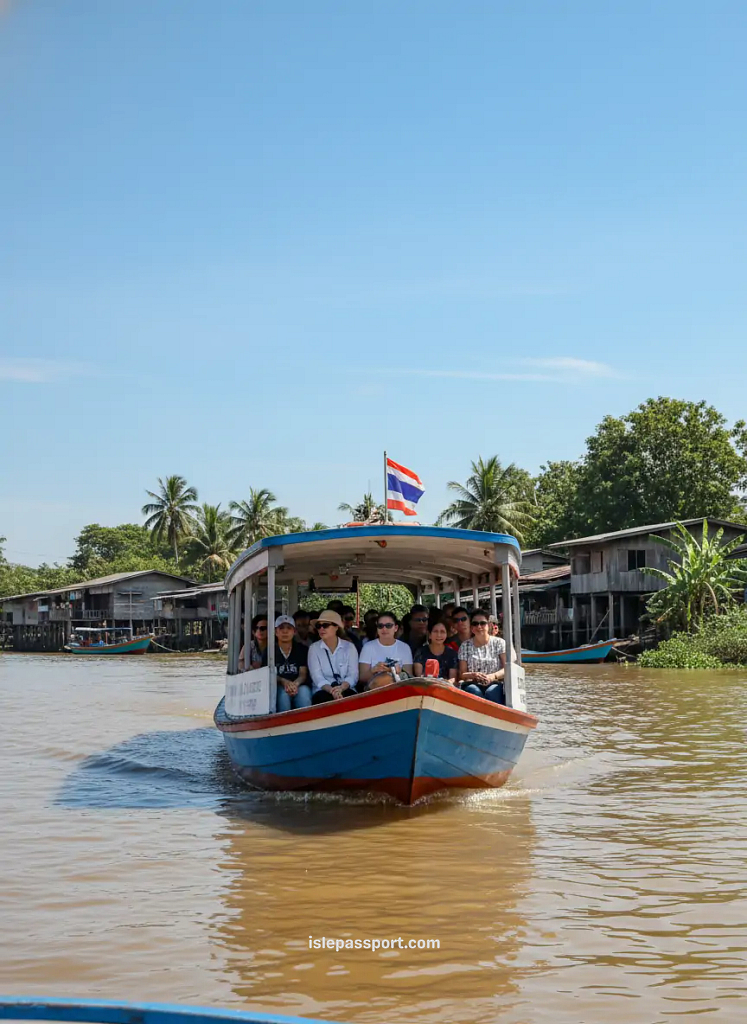
Well-marked ports, reliable ticket offices, and organized public transport make a huge difference.
- In some countries, ferries leave from random piers with no signage (I’ve been there — it’s stressful).
- The best island hopping spots usually have organized ferry ports, clear route maps, and online booking systems.
Also look for islands with good local infrastructure — ATMs, small groceries, scooter rentals, and medical centers. It’s not glamorous to talk about, but it matters.
6. Local Culture, Food, and People
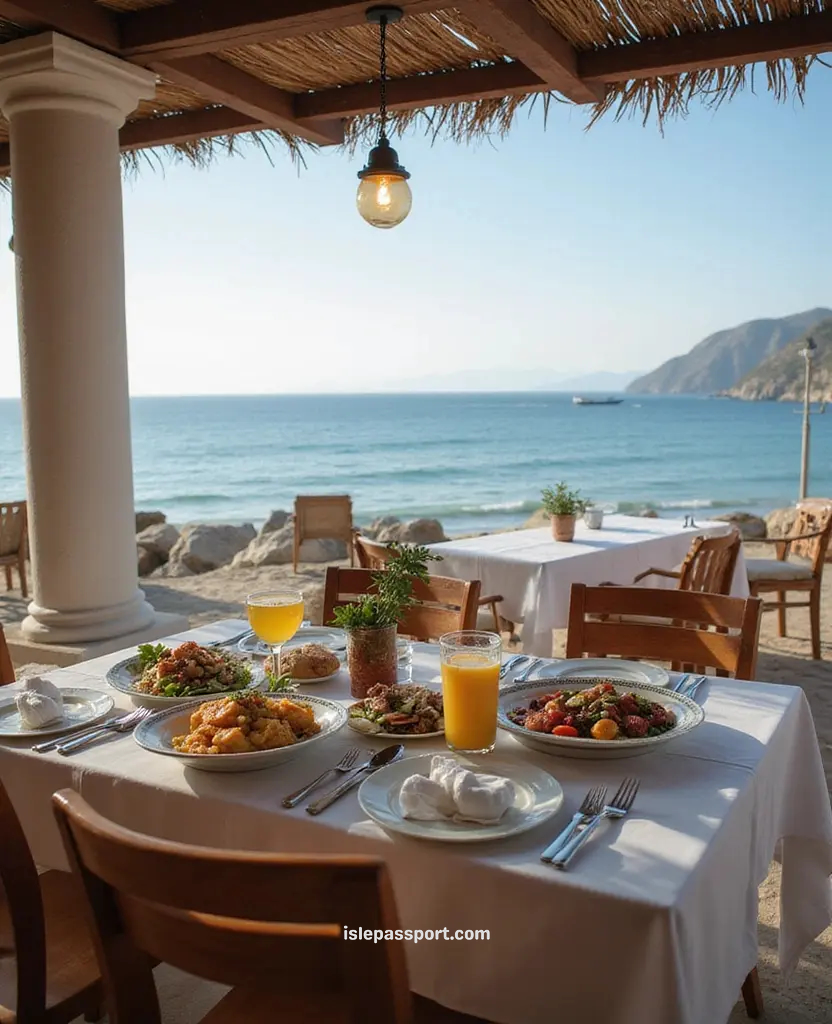
Island hopping isn’t just about beaches. What makes each stop special is the local culture and how easy it is to connect with people.
- In Croatia and Greece, family-run guesthouses and tavernas make it easy to meet locals.
- In Thailand or the Philippines, you’ll find small food stalls serving incredible local meals for a few dollars.
- In Italy, coastal islands like Procida or Ischia are full of local families, not just tourists.
If you’re going to move every few days, you want each island to feel welcoming and easy to settle into — even if it’s just for a night or two.
7. Good Weather Windows
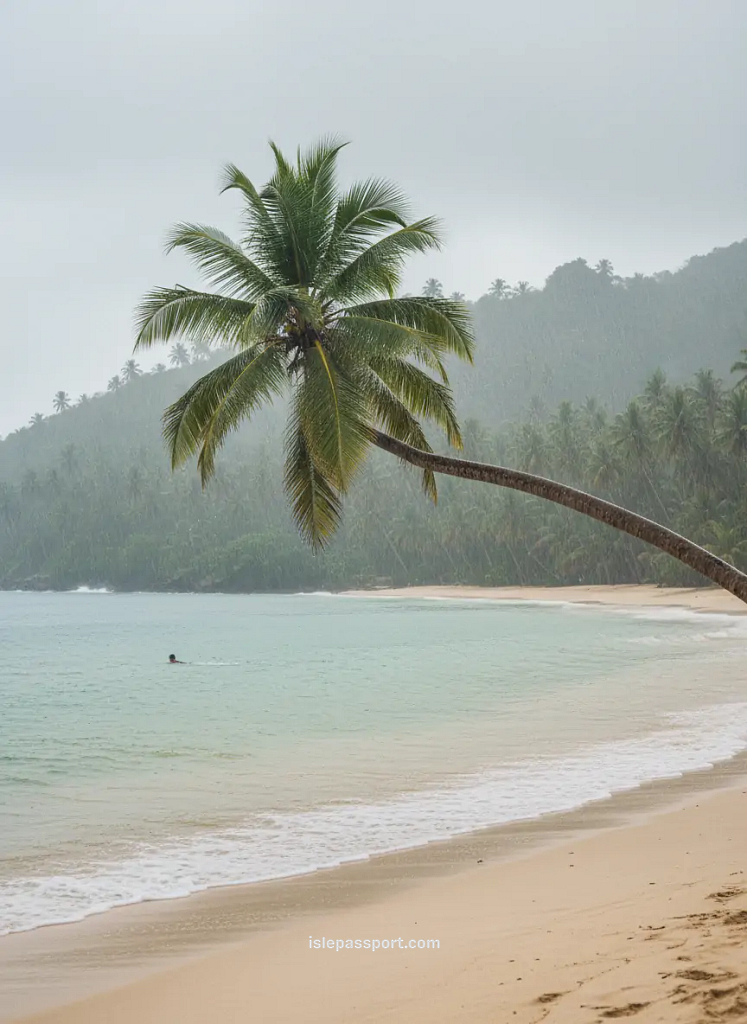
It’s easy to forget how much weather affects ferries. In Europe, many routes simply stop in winter. In Asia, monsoon season can mean canceled trips or rough seas.
Always plan your route during the calmest months:
- Greece & Croatia: May to October
- Thailand: November to April
- Philippines: December to May
- Fiji & French Polynesia: April to October
Traveling right before or after peak season (known as shoulder season) usually means cheaper hotels and fewer crowds.
Because ferries and small island flights are so weather-dependent, I almost always add simple travel insurance for these trips—more than once it’s covered last-minute changes when a storm or strong wind canceled a crossing.
8. The Right Balance Between Popular and Quiet Islands
If you visit only famous islands, you’ll spend half your trip in crowds. But if you go too remote, logistics can get complicated fast.
The best itineraries mix one or two well-known spots (for convenience and connections) with one or two lesser-known islands for peace and local charm.
Example:
- Greece: Santorini + Naxos + Folegandros
- Thailand: Phuket + Koh Yao Noi + Koh Lanta
- Croatia: Hvar + Vis + Šolta
Summary Checklist — What to Look For
When choosing your next island hopping destination, make sure it checks most of these boxes:
- Ferries or local flights at least every few days
- Islands within 1–3 hours of each other
- Mix of beaches, culture, and local life
- Safe, affordable, and easy to navigate
- Good weather season when you plan to go
- Options for both busy and quiet islands
Best Island Hopping Destinations in Europe
Europe is the easiest place to start island hopping — short flights, reliable ferries, and a mix of cultures that change completely in just a few hours.
You can spend one summer here and see everything from white-washed Greek villages to volcanic landscapes in the Canaries.
I’ve done multiple island trips around Europe, and these four regions consistently stand out for their mix of accessibility, scenery, and price.
If you’re planning a Europe-focused trip, I’ve also put together a full guide to the best island hopping destinations in Europe, based entirely on the routes I’ve traveled myself.
1. Greece — The Classic and Most Beginner-Friendly Choice

If you’re planning your first island hopping trip, start with Greece. It’s the most organized, budget-friendly, and straightforward destination I’ve ever traveled in.
Why it’s great:
- Dozens of ferry connections every day during summer
- Great mix of lively and quiet islands
- Affordable hotels, food, and car rentals
- You can plan routes easily using websites like Ferryhopper
Top island groups:
- Cyclades: The famous white villages and blue domes — Santorini, Paros, Naxos, Milos, Mykonos. Ferries are short and reliable.
- Dodecanese: Closer to Turkey, more off-the-beaten-path. Think Rhodes, Symi, Kos.
- Ionian Islands: Greener and more Italian in vibe — Corfu, Kefalonia, Zakynthos.
If Greece is your starting point and you want a route you can follow ferry by ferry, my classic Cyclades island hopping route breaks down timings, stops, and how to choose the right islands without backtracking.
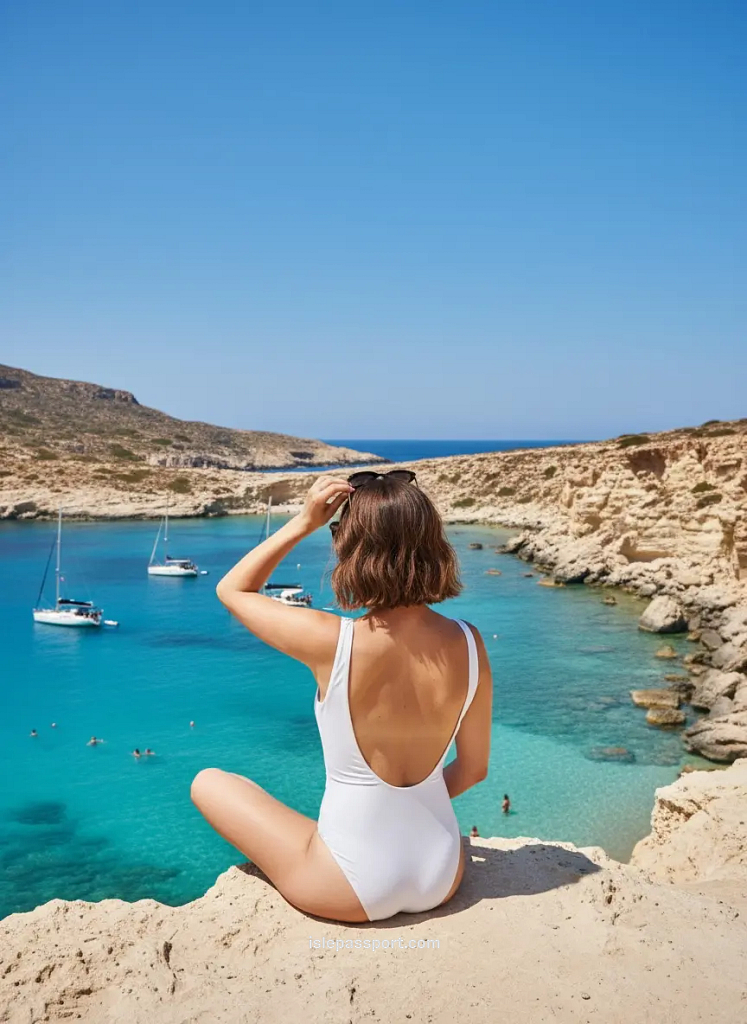
Suggested 10-day route:
- Athens → Paros → Naxos → Santorini → Milos
Average ferry time: 1–2 hours between islands.
Best months: May to October (avoid August crowds).
Typical budget: $80–120 per day for mid-range travel.
If you want detailed routes, I’ve got a full Greek island hopping routes guide linked here.
2. Croatia — Adriatic Islands With History and Easy Ferries

Croatia is perfect if you want shorter ferry rides, walkable old towns, and clear blue water. I’d call it the “low-stress” version of island hopping — everything runs on time, distances are short, and you don’t need to plan far ahead.
Why it’s great:
- Dozens of islands within a few hours of each other
- Ferries are punctual, cheap, and modern (Jadrolinija, Krilo)
- Incredible mix of beaches, medieval towns, and national parks
Top islands to include:
- Hvar: Best nightlife and beach clubs
- Vis: Quieter, with hidden coves and diving spots
- Korčula: Mini Dubrovnik with old-town charm
- Brač: Famous Zlatni Rat beach
- Šolta: Small, local, and great for a last stop
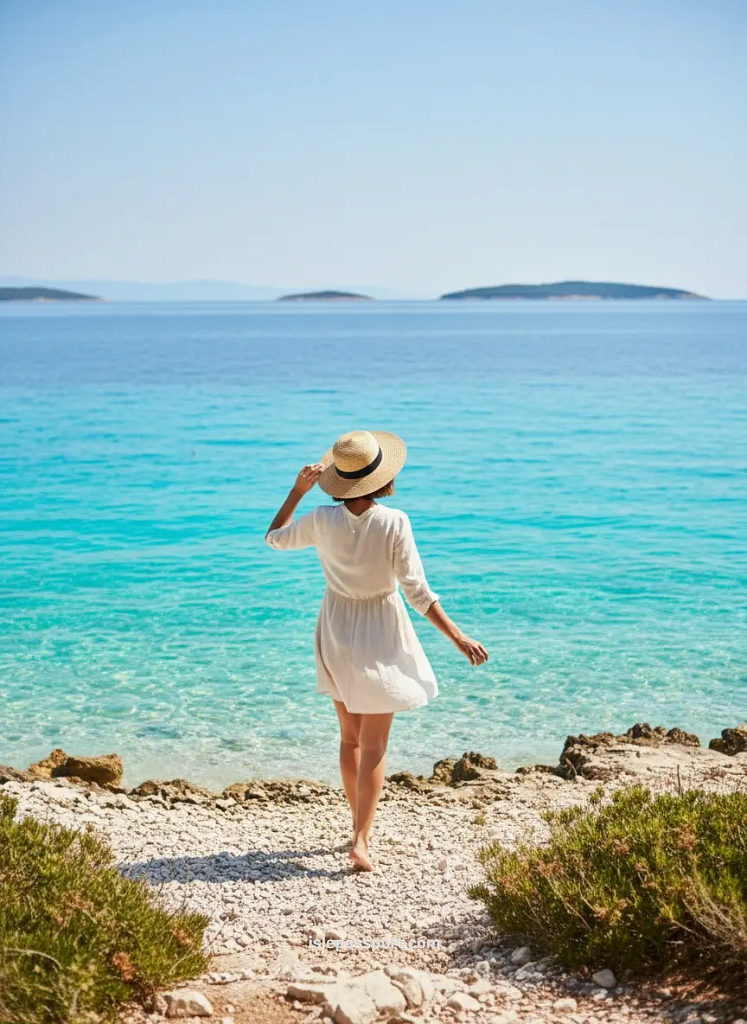
Suggested 7-day route:
Split → Brač → Hvar → Vis → Korčula
Average ferry time: 45 minutes–2 hours.
Best months: May–September.
Typical budget: $90–130 per day.
3. The Canary Islands — Year-Round Island Hopping in Spain

If you want warm weather when the rest of Europe is cold, head to the Canary Islands. Located off the coast of Africa but part of Spain, they’re one of the few places you can island hop in winter without freezing.
Why it’s great:
- Ferries and local flights run all year
- Each island feels different — volcanic, desert, rainforest
- You can drive or hike on one island, surf on the next
Top islands to include:
- Tenerife: Largest island and main transport hub
- La Gomera: Lush forests and great hiking
- La Palma: Green and local, good for astronomy
- Lanzarote: Volcanic landscapes and wine valleys
- Fuerteventura: Best for beaches and kite-surfing
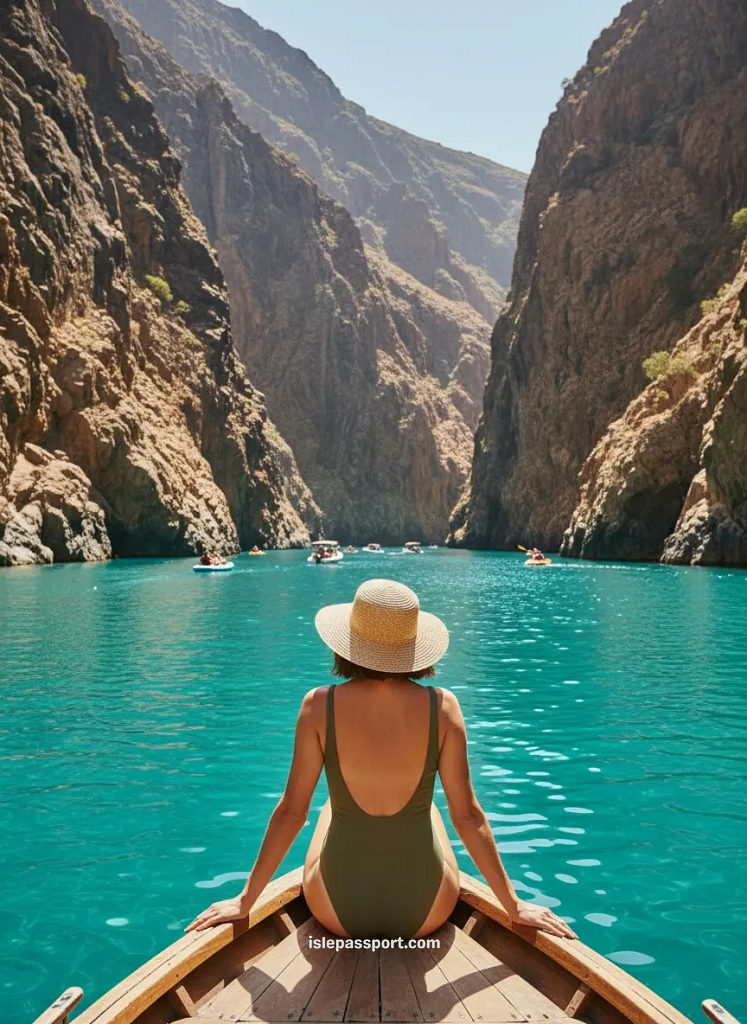
Suggested 10-day route:
Tenerife → La Gomera → La Palma → Lanzarote
Average ferry time: 1–3 hours.
Best months: November–April (winter sun season).
Typical budget: $100–140 per day.
If you want something different, you can even connect to Morocco from the Canaries — it’s that close.
For more lesser-known spots in this region, you can check out my full list of uncrowded Mediterranean islands that stay relaxed even in peak season.
4. The Azores — Europe’s Wild Atlantic Archipelago

The Azores, part of Portugal, are a completely different style of island hopping — remote, green, and incredibly scenic. Think hiking trails, volcanic lakes, waterfalls, and whale watching instead of beach bars.
Why it’s great:
- Perfect for travelers who love nature and adventure
- Direct flights from Lisbon and Porto
- Well-run local airline (SATA) connecting the 9 islands

Top islands to visit:
- São Miguel: Main island with lakes, hot springs, and flights
- Pico: Known for volcano hikes and vineyards
- Faial: Pretty harbor and pastel houses
- Terceira: Cultural sites and historical towns
Suggested 10-day route:
São Miguel → Pico → Faial → Terceira
How to get around: Short 30–50-minute flights (ferries are seasonal).
Best months: May–September.
Typical budget: $110–150 per day.
If you’re more into hiking, local food, and fewer crowds, the Azores are probably your best match in Europe.
Quick Comparison: Greece vs. Croatia vs. Canaries vs. Azores
Best Island Hopping Destinations in Asia
Asia is my go-to when I want warm water, low prices, easy ferries, and that “I could stay here for a month” feeling.
It’s also where I’ve had some of my easiest island hopping trips — Thailand, the Philippines, and Indonesia all have established ferry routes, well-known transport hubs, and a good mix of quiet islands + famous ones.
Here are the Asian destinations that consistently work well for multi-island travel.
For things like lagoon tours, snorkeling trips, island-hopping boat days, and guided hikes in this part of the world, I usually start with GetYourGuide so I can see real reviews, exact timings, and what’s actually running on my dates.
1. Thailand — Easiest, Cheapest, and Perfect for First-Timers
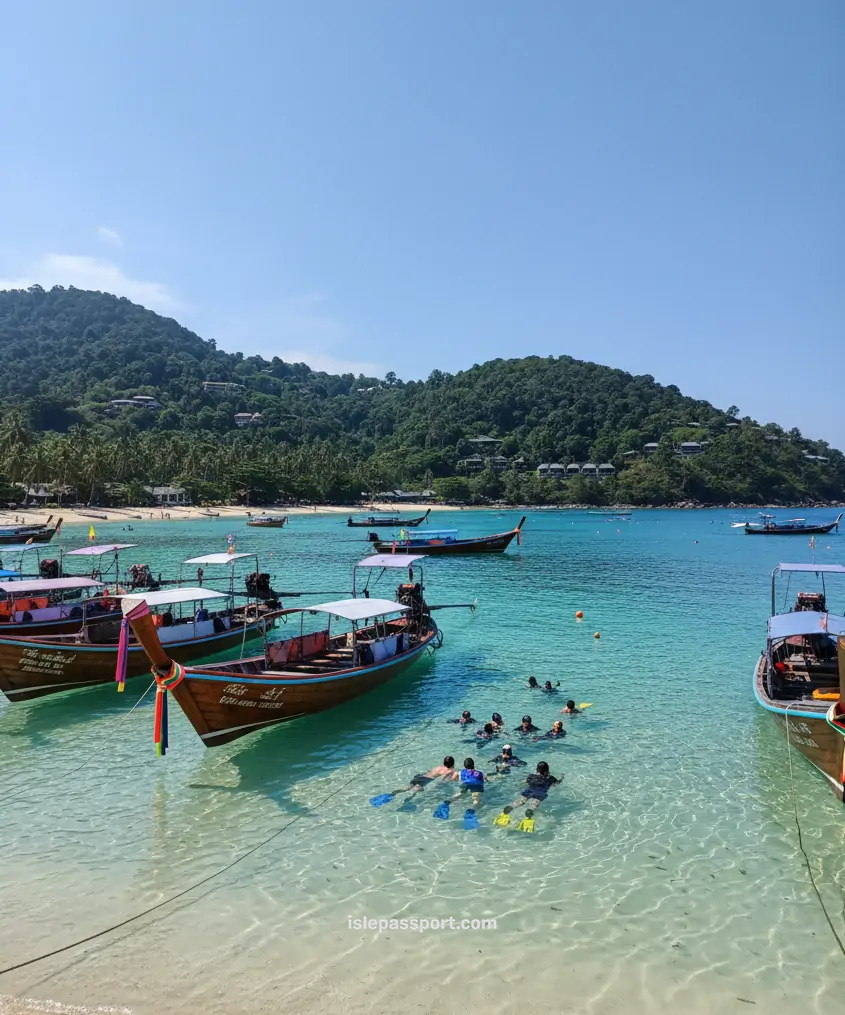
Thailand is one of the most beginner-friendly island hopping destinations anywhere in the world. The ferries are frequent, the distances are short, and you can mix party islands with quiet nature spots easily.
Why it works well:
- Reliable ferries and speedboats
- Direct connections between major islands
- Tons of affordable hotels, food, and transport
- Great mix of beaches, snorkeling, nightlife, and nature
Best regions for island hopping
There are two main clusters:
A. Andaman Coast (Krabi/Phuket side)
This is the classic.
- Koh Lanta: calm, clean, laid-back
- Koh Phi Phi: famous cliffs + snorkeling
- Phuket: busy, but best for flights
- Railay (not an island): accessible by boat, amazing limestone cliffs
Suggested 7-day route:
Phuket → Koh Phi Phi → Koh Lanta → Railay (Krabi)
Average boat time: 30–90 minutes
Budget: $40–100/day depending on comfort level

B. Gulf of Thailand (Koh Samui side)
Calmer sea conditions year-round.
- Koh Samui: upscale + easy airport
- Koh Phangan: mix of yoga retreats + nightlife
- Koh Tao: one of the world’s easiest places to learn scuba diving
Suggested 8-day route:
Koh Samui → Koh Phangan → Koh Tao
Best months: November–April
Why I like it: Ferries rarely get canceled, which is a big deal in monsoon regions.
Thailand is still one of the easiest places to build a full island hopping route on a small budget, making it a top pick for anyone searching for cheap tropical getaways.
2. The Philippines — Clear Water, Adventure, and Island Chains That Feel Unreal
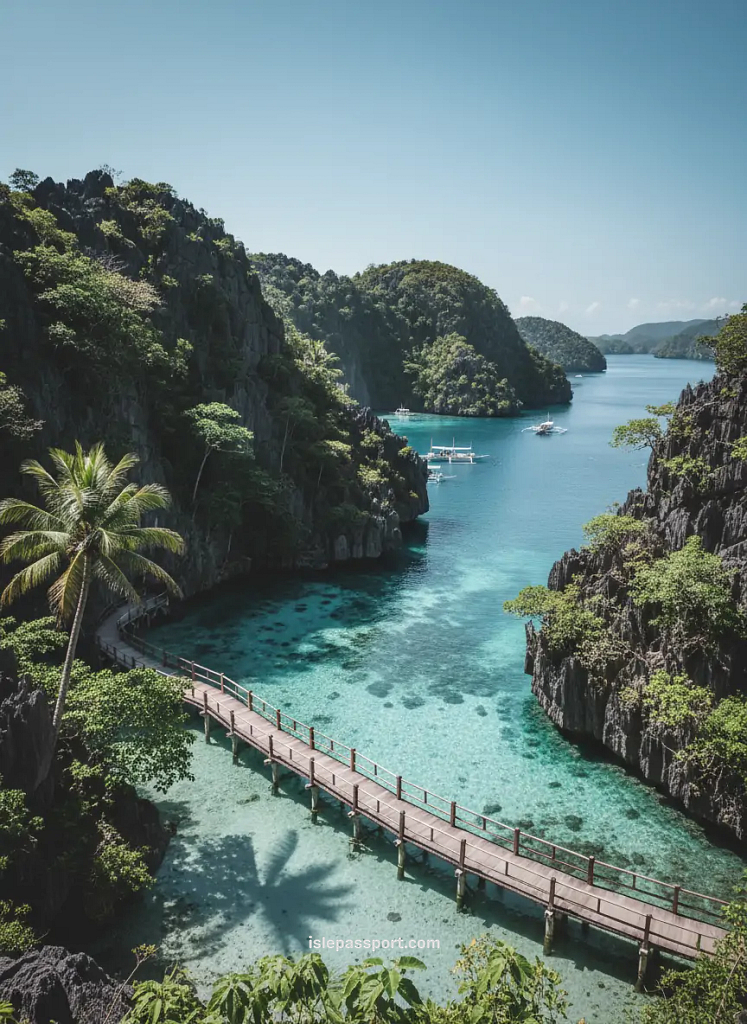
The Philippines is hands-down the best destination if you want dramatic landscapes, lagoons, sandbars, diving, and adventure-focused island hopping. The ferries aren’t always daily, but the scenery makes up for it.
Why it’s great:
- Some of the clearest water in Asia
- Dozens of island-hopping boat tours
- Affordable prices (food + accommodations)
- Great for divers, snorkelers, and nature lovers
Best regions for island hopping
A. Palawan (El Nido + Coron)

This is the Philippines you see on postcards.
- El Nido: blue lagoons, island-hopping tours (A, B, C, D)
- Coron: lakes, shipwreck diving, quiet local feel
Suggested 8–10 day route:
El Nido → Coron
(You can take a 4-hour fast ferry between them.)
Boat tour prices: ~$20–35 per day including lunch
Budget: $35–70/day
B. Cebu + Bohol
Good for beginners + families.
- Cebu: waterfalls + city access
- Bohol: beaches + Chocolate Hills
- Panglao: easy base with good beaches
Suggested 7-day route:
Cebu → Bohol → Panglao
C. Siargao (not classic island hopping, but great as a hub)
Mostly a surf island, but great day trips to small islets.
Best months: December–May
Note: Philippines requires slightly more planning due to ferry schedules.
3. Indonesia — Massive Variety (and Not Just Bali)
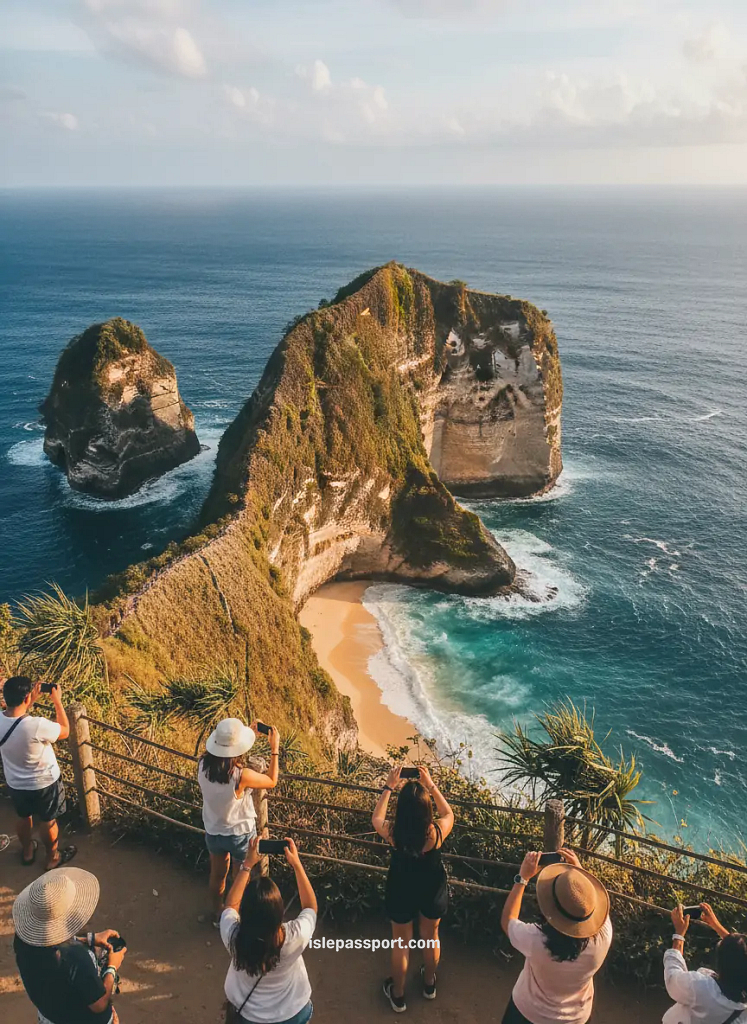
Indonesia has over 17,000 islands, and while you won’t visit them all, there are plenty of easy-to-navigate clusters perfect for island hopping. The best part? Every island has its own personality, food, and vibe.
Best regions for island hopping
A. Bali → Nusa Islands → Gili Islands → Lombok
This route is extremely popular because it’s simple and has multiple fast-boat options.
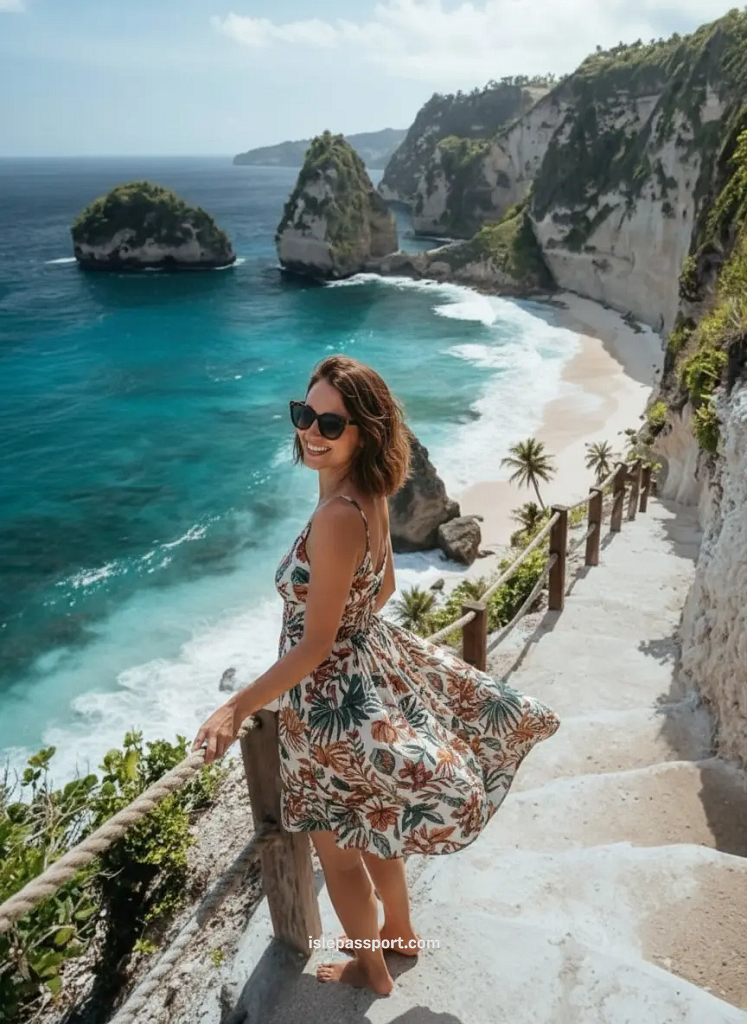
Stops:
- Bali (Canggu/Ubud): your starting point
- Nusa Penida: cliffs, viewpoints, manta rays
- Nusa Lembongan: small, easy-going
- Gili Trawangan: nightlife + diving
- Gili Air: relaxed
- Gili Meno: quietest
- Lombok: beaches + waterfalls
Suggested 10-day route:
Bali → Nusa Penida → Nusa Lembongan → Gili Air → Lombok
Boat times: 30–90 minutes
Budget: $40–80/day
If you’re combining island hopping with remote work, Bali and the nearby Nusa and Gili islands are some of the most popular islands for digital nomads, thanks to good Wi-Fi, low living costs, and easy long-term stays.
B. Komodo National Park (Labuan Bajo)
More adventure-focused: snorkeling, pink beaches, manta rays, dragons.
This is usually done as a 2–4 day liveaboard boat trip.
C. Raja Ampat
For advanced travelers. One of the best diving sites on earth, but more expensive and remote.
4. Malaysia — Underrated, Easy, and Great for First-Time Asia Travelers
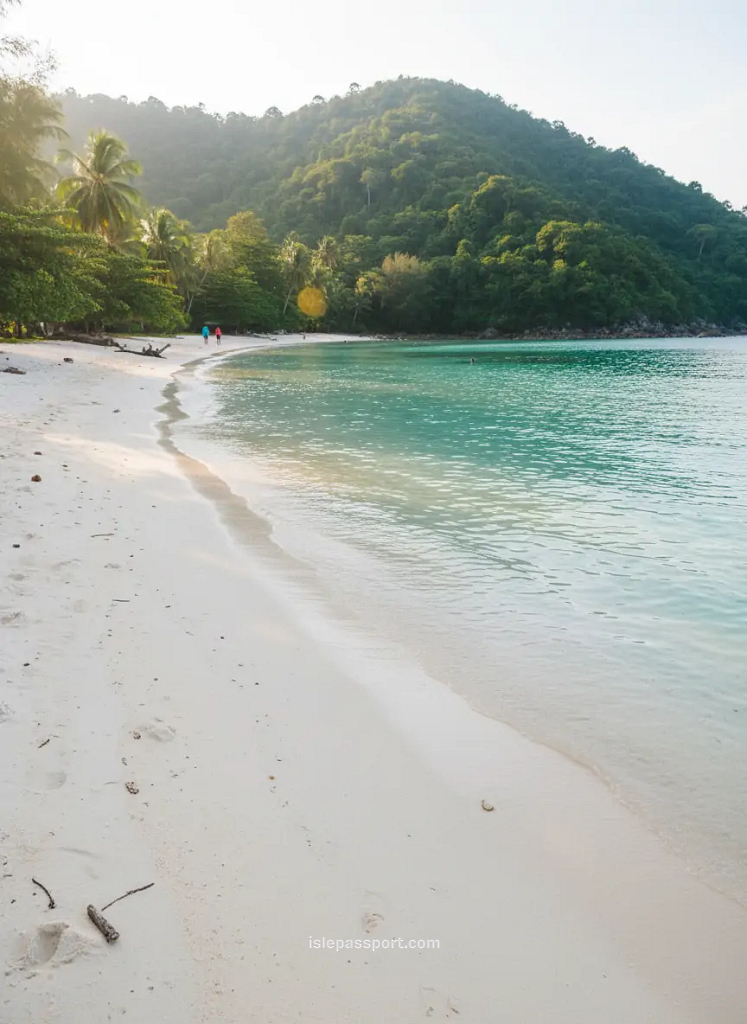
Malaysia often gets overlooked, but it’s incredibly easy for island hopping, especially on the east coast.
Best islands:
- Perhentian Islands: beginner diving, budget-friendly
- Redang: crystal-clear water, very calm
- Tioman: snorkeling, jungle, small villages

Suggested 6-day route:
Perhentian Kecil → Perhentian Besar → Redang
Best months: April–September
Budget: $40–80/day
If you want warm water + lower prices + fewer crowds than Thailand, Malaysia is a smart pick.
Quick Comparison: Thailand vs Philippines vs Indonesia vs Malaysia
Best Island Hopping Destinations in the Pacific & Oceania
The Pacific is where island hopping feels the most dramatic — coral reefs, volcanic peaks, blue lagoons, and some of the friendliest people I’ve ever met.
It’s more remote and often pricier than Asia, but the payoff is huge. If you want clear water, slow island life, and unique cultures, this part of the world is unmatched.
Here are the Pacific regions that work best for multi-island trips.
1. Fiji — Easiest and Most Traveler-Friendly Island Hopping in the Pacific
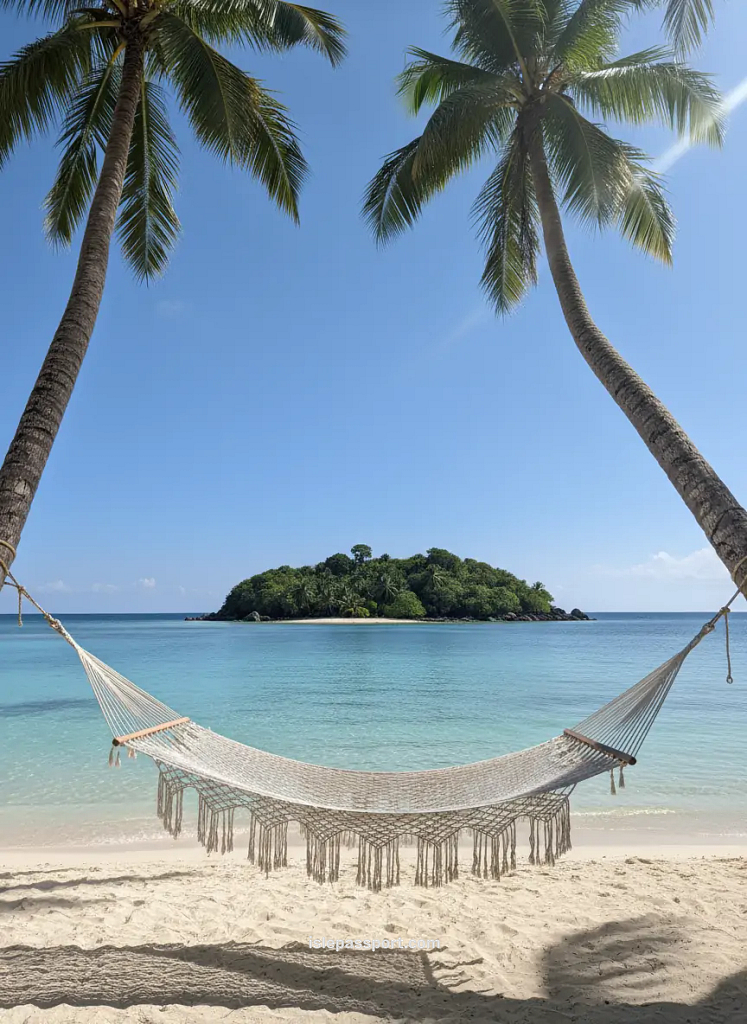
Fiji is the destination I recommend if you want a smooth Pacific island hopping experience without needing a massive budget. The Yasawa and Mamanuca island chains are set up perfectly for multi-stop trips, with daily transfers and simple scheduling.
Why Fiji is great:
- Affordable for the Pacific (which is rare)
- Daily ferry connections between dozens of islands
- Accommodation options for every budget
- Clear water, coral, snorkeling, and friendly locals
- Easy to mix “quiet islands” with more social ones
For couples looking for something peaceful and intimate, Fiji’s smaller islands are ideal and fit naturally into most romantic tropical getaways.

Best regions for island hopping
A. Mamanuca Islands (closest to the main airport)
Perfect for short trips or first-timers.
- Castaway Island
- Beachcomber
- Malolo
Ferries from Port Denarau take 30–60 minutes.
B. Yasawa Islands (the classic island hopping route)
My personal favorite route in Fiji.
- Wayasewa: snorkeling + small villages
- Kuata: shark diving
- Nacula: insane beaches + Blue Lagoon
- Tavewa: local, relaxed, simple
Transfers run daily via Yasawa Flyer.
Suggested 7–10 day Fiji route
Nadi → Kuata → Nacula → Tavewa → Nadi
Logistics details
- Ferry times: 30 minutes to 4 hours
- Budget: $60–120/day for mid-range
- Best months: May–October (dry season), November–April = humid + cyclone risk
- Good for: first-timers, couples, solo travelers
If you’ve never done Pacific island hopping before, Fiji is the easiest entry point.
2. French Polynesia — Island Hopping for Luxury, Honeymoons & Wild Scenery
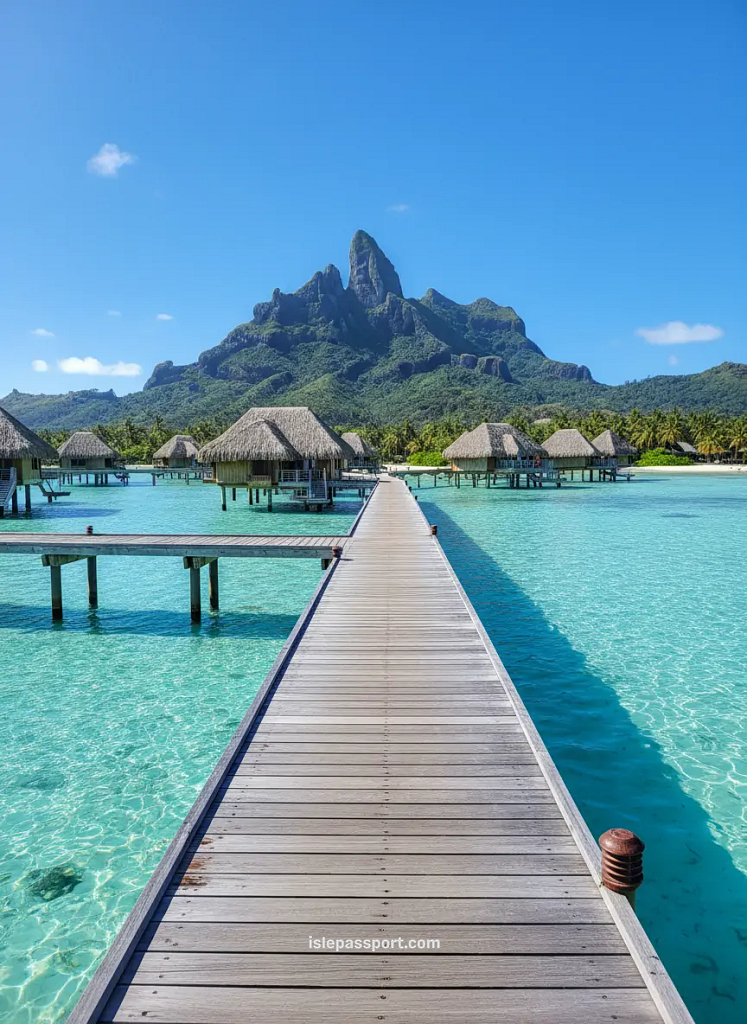
French Polynesia is the bucket-list version of island hopping. It’s more expensive than Fiji but unbelievably beautiful — the color of the lagoons doesn’t look real until you see it.
Even if you’re not staying at luxury resorts, you can still island hop with local ferries and Air Tahiti’s multi-island passes.
Why it’s great:
- Unreal lagoons and coral
- Easy flights between major islands
- Safe, clean, and organized
- Perfect mix of culture + scenery

Best islands for island hopping
A. Tahiti → Moorea → Bora Bora (the classic trio)
- Moorea: 30-minute ferry from Tahiti, great hiking and beaches
- Bora Bora: iconic lagoon, overwater bungalows
- Tahiti: base hub with markets and good food
Suggested 10-day route:
Tahiti → Moorea → Bora Bora → Tahiti
B. Tuamotu Archipelago (for divers)
This region is next-level for marine life.
- Rangiroa: sharks, manta rays, drift diving
- Fakarava: UNESCO biosphere reserve
C. Huahine + Raiatea + Taha’a (more affordable)
Great for travelers who want quieter islands and lower prices.
Logistics
- Inter-island flights: 20–50 minutes
- Ferries: Moorea ↔ Tahiti only
- Budget: $120–350/day
- Best months: May–October
If you’re dreaming of overwater bungalows, this is the place — but even simple pensions here are memorable.
3. Vanuatu — Culture, Volcanoes & Off-the-Beaten-Path Island Hopping
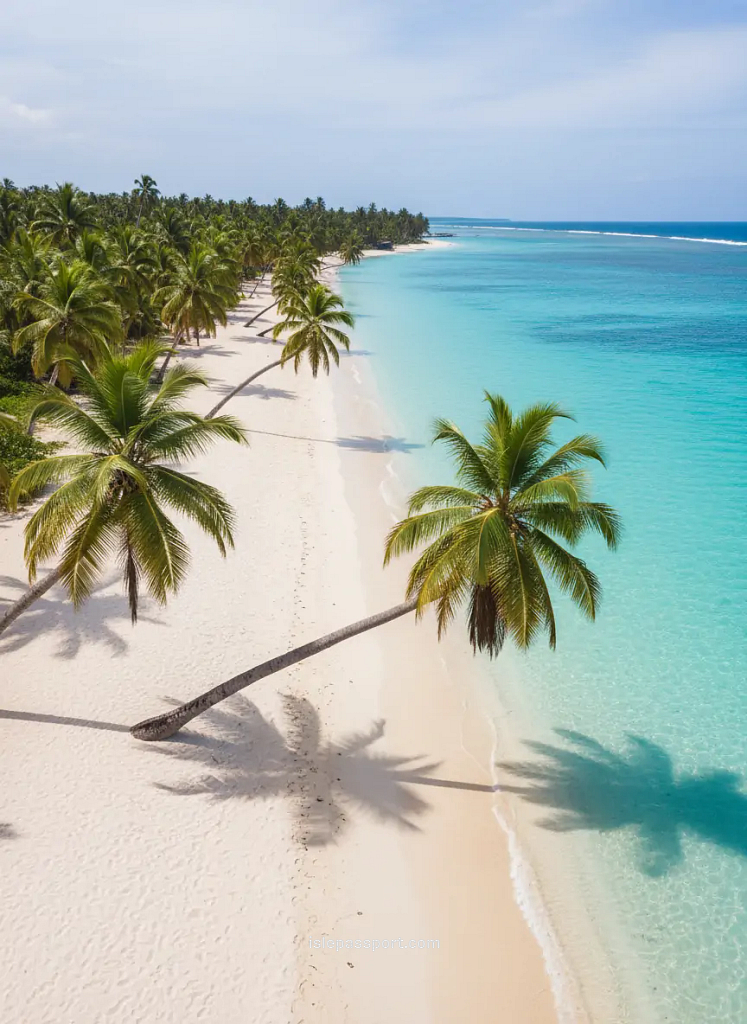
Vanuatu is one of the most underrated island hopping destinations. It’s not as lush as Fiji or as polished as French Polynesia, but the culture and landscapes are some of the most unique in the Pacific.
Many islands in this region are home to protected natural areas, and UNESCO’s list of World Heritage Sites highlights how important these ecosystems are for local culture and biodiversity
Why Vanuatu is great:
- Active volcanoes (you can walk near the crater edge)
- Big focus on local culture and village life
- Very untouched beaches
- Good for travelers who want something less “resort-y”

Best islands for island hopping
Most travel is by short local flights.
- Efate: capital, markets, and Mele Cascades
- Tanna: Mount Yasur volcano
- Santo: Champagne Beach, blue holes
- Pentecost: famous land-diving ritual (seasonal)
Suggested 10-day route
Efate → Tanna → Santo → Efate
Logistics
- Transport: Mostly domestic flights (Air Vanuatu)
- Budget: $70–150/day
- Best months: April–October
- Good for: adventure travelers, volcano lovers, culture-focused trips
If you like places that still feel raw and traditional, Vanuatu is unmatched.
4. Samoa — Affordable, Quiet & Very Local
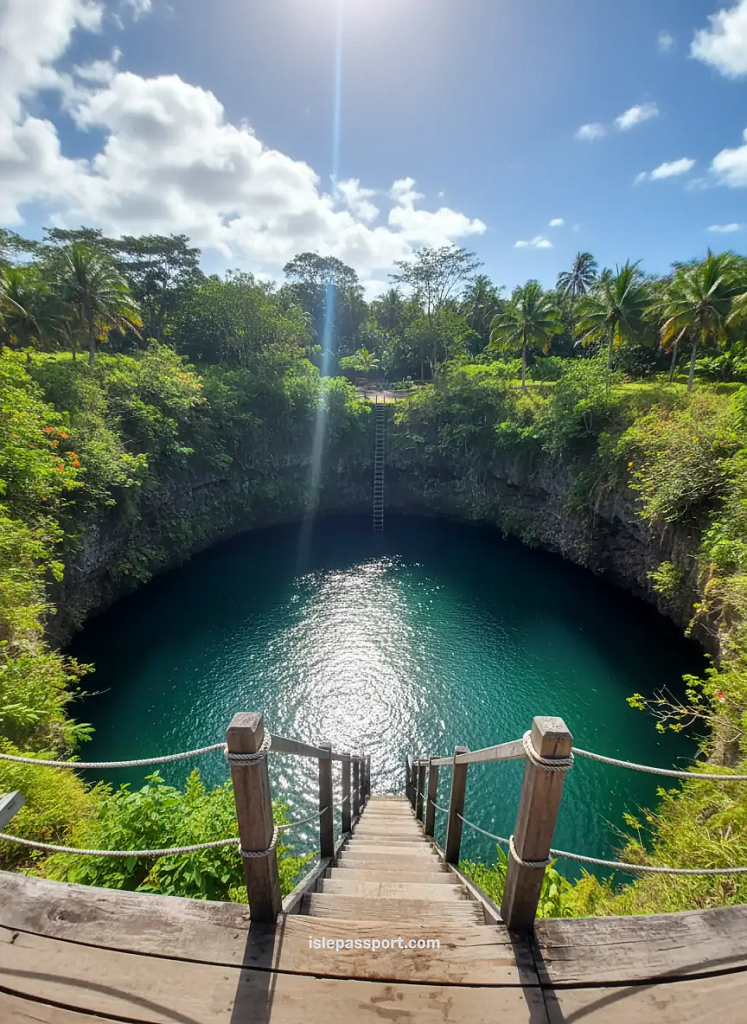
Samoa is great if you want beaches, waterfalls, natural pools, and a strong local culture with fewer tourists than Fiji and Tahiti.
Why it’s good for island hopping:
- Easy ferry between Upolu and Savai’i
- Inexpensive guesthouses + beachfront fales
- Amazing natural spots (To Sua Ocean Trench, waterfalls, blowholes)
Suggested 6–8 day route
Upolu → Savai’i → Upolu
Logistics
- Ferry time: 75–90 minutes
- Budget: $40–100/day
- Best months: May–October
It’s quiet, calm, and simple — good for couples and slow travelers.
5. Tonga — For Whale Watching & Remote Islands
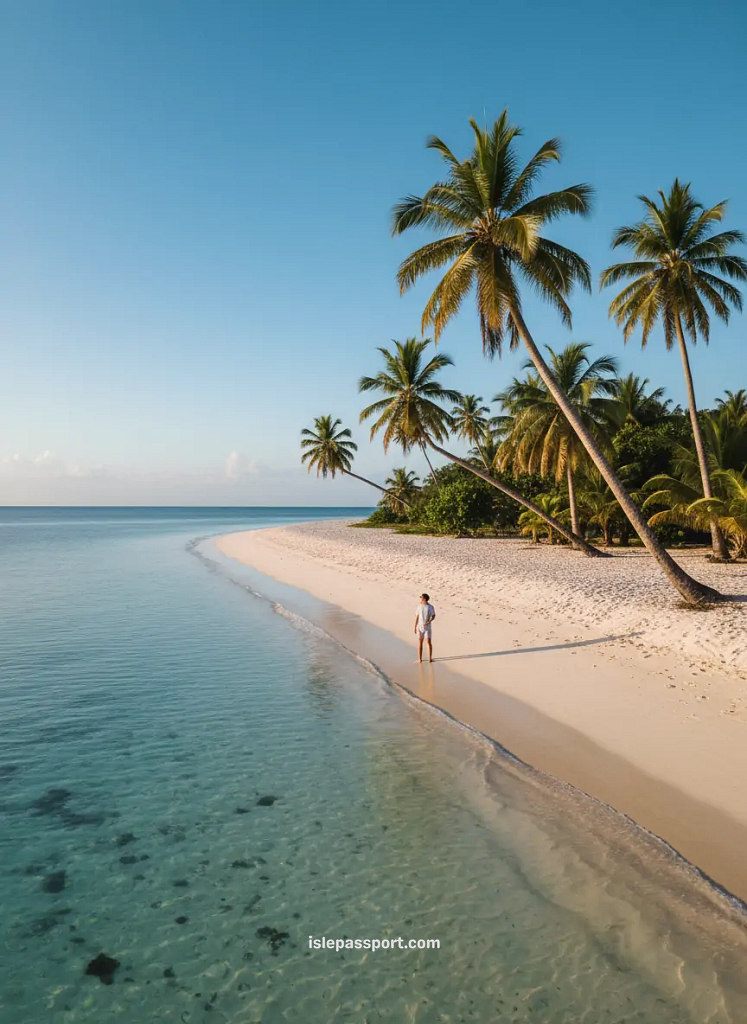
Tonga is very low-key and not commercialized. You come here for two things:
- Whale swimming (July–October)
- Quiet, empty beaches
Main island groups
- Tongatapu: capital + historic sites
- Ha’apai: very quiet, great snorkeling
- Vava’u: whale tours, sailing
Travel is simple but slow — expect basic ferries or short flights.
Quick Comparison: Fiji vs. French Polynesia vs. Vanuatu vs. Samoa vs. Tonga
Best Island Hopping Destinations in the Caribbean
The Caribbean looks perfect on Instagram, but not every island group is actually good for island hopping.
After a few trips here, I realized the ferry networks vary a lot. Some destinations rely almost completely on flights (which get expensive fast), while others have easy, reliable boats between multiple islands — and those are the ones I recommend for true island hopping.
Here are the Caribbean regions that actually work well based on infrastructure, ferry routes, price, and personal experience.
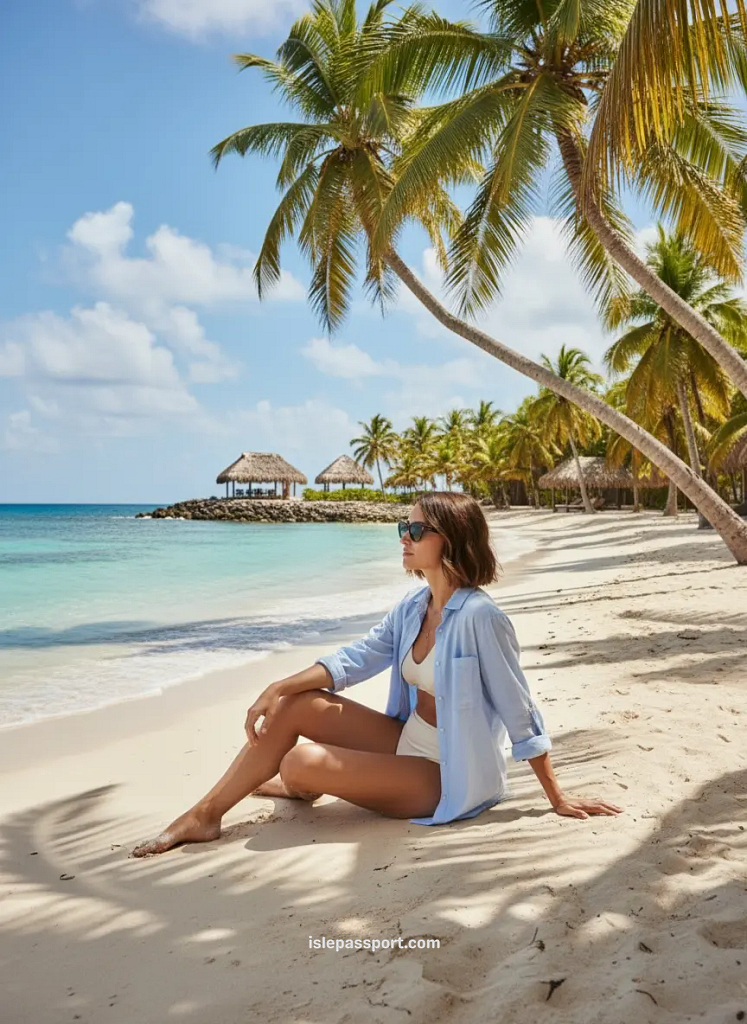
1. St. Vincent & The Grenadines — The Best “Real” Island Hopping in the Caribbean
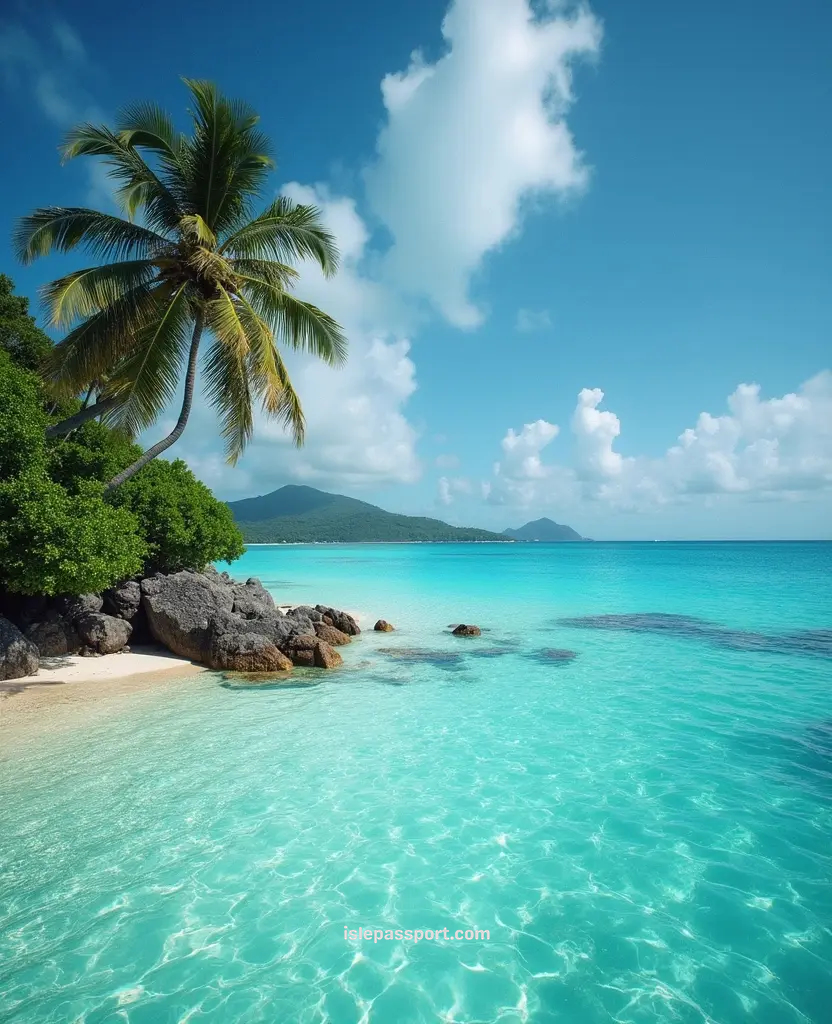
This is hands-down my top pick for Caribbean island hopping. The islands are close together, ferries run often, and everything feels authentic rather than overly resort-heavy.
Why it’s great:
- Short ferry rides between islands
- Much cheaper than islands like St. Barts or the USVI
- Calm, small, friendly islands
- Perfect for sailing, snorkeling, and slow travel
When I want to add a proper sailing day or a small yacht between these islands, I use Searadar yacht charters to compare boats and prices—having my own boat here for even one day made the whole route feel completely different.
Best islands to visit
- St. Vincent — your entry point (local markets and volcanic landscapes).
- Bequia — charming, safe, easygoing.
- Mustique — upscale, celebrity-owned villas, day trips available.
- Canouan — luxury hotels + beautiful beaches.
- Mayreau — tiny, local, quiet.
- Tobago Cays — the iconic lagoon with sea turtles (boat-only).
- Union Island — kitesurfing and lively local culture.
Suggested 7–10 day route
St. Vincent → Bequia → Mayreau → Tobago Cays → Union Island
Practical details:
- Ferry reliability: Excellent, run by multiple local companies; check schedules on SVG Port Authority.
- Prices: Ferries $5–$30 depending on distance.
- Best months: December–May (dry season).
- Safety: Very safe for travelers; extremely friendly locals.
- My experience tip: Always book Tobago Cays on a good-weather day — wind changes the visibility dramatically.
2. The Bahamas — Best for Day Trips + Short Hops Between Islands
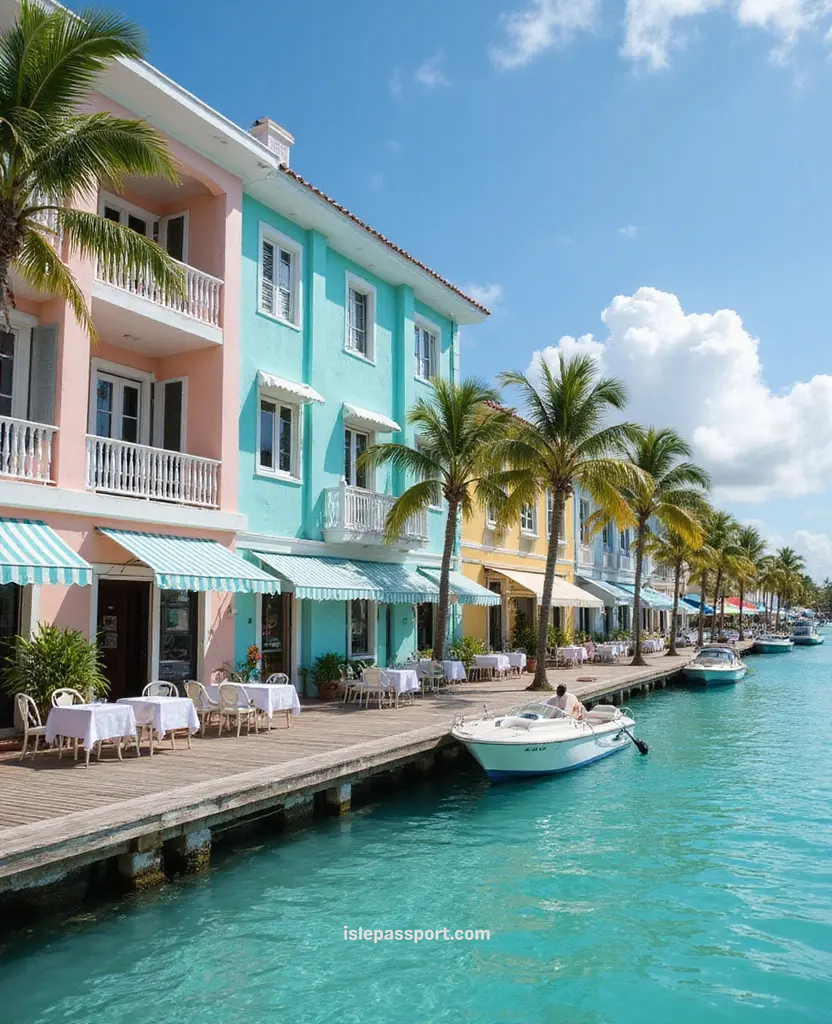
The Bahamas are one of the easiest Caribbean destinations to navigate because so many islands are close together and well-connected.
Why it’s great
- Tons of small islands within 20–60 minutes by boat
- Clear shallow water perfect for snorkeling
- A mix of quiet islands + more built-up ones
- Very family-friendly
Best island clusters
A. Exumas — the classic chain
- Great Exuma
- Little Exuma
- Staniel Cay
- Compass Cay
- Thunderball Grotto (James Bond cave)
You can hop between several of these by speedboat in a single day.
B. Abacos — great for DIY island hopping
Known for boating culture + calm waters.
Suggested 6–8 day route
Nassau → Staniel Cay → Compass Cay → Big Major Cay → Nassau
Logistics:
- Transport: Mostly speedboats + local flights.
- Cost: More expensive than Grenadines. Expect $120–$200/day minimum.
- Best months: November–April.
- Safety: Good, but choose licensed tour operators — Bahamas has many unregulated boat charters.
3. Guadeloupe — The Underrated French Caribbean Gem (Great Ferries)
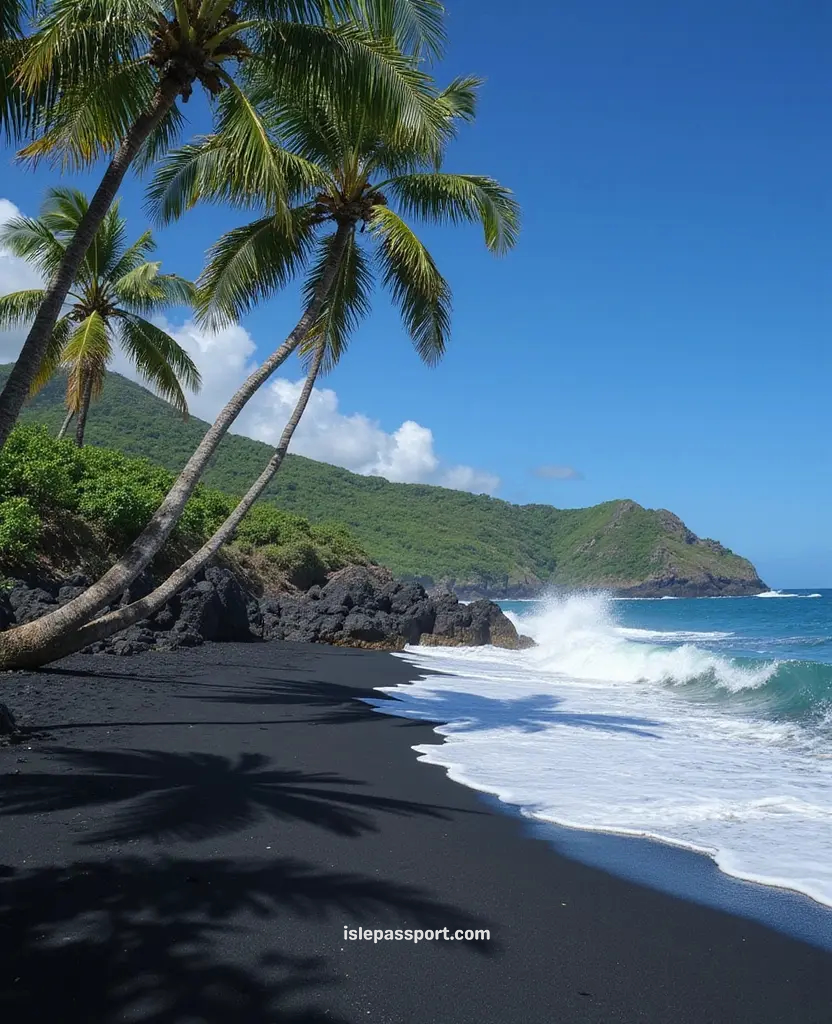
If you want Caribbean island hopping without resort prices, Guadeloupe is your place. It’s a French overseas region — safe, clean, great infrastructure, and surprisingly affordable.
Why it works well
- Reliable ferry network
- Easy to visit 4–5 islands in one trip
- Prices far lower than most Caribbean destinations
- Great food (French + Creole mix)
Islands you can hop to
- Grande-Terre: beaches + urban base
- Basse-Terre: volcano, waterfalls, rainforest
- Les Saintes (Terre-de-Haut): one of the prettiest bay views in the Caribbean
- Marie-Galante: rum distilleries + quiet beaches
- La Désirade: untouched and slow-paced

Suggested 7-day route
Grande-Terre → Les Saintes → Marie-Galante → Basse-Terre
Logistics:
- Ferry system: Safe, punctual, and easy to understand (companies like CTM Deher).
- Budget: $60–120/day.
- Best months: December–April.
- Good for: couples, families, solo travelers.
- My tip: Les Saintes gets crowded on weekends — go midweek.
4. Barbados + St. Lucia — Good for Flights, Not True Ferries
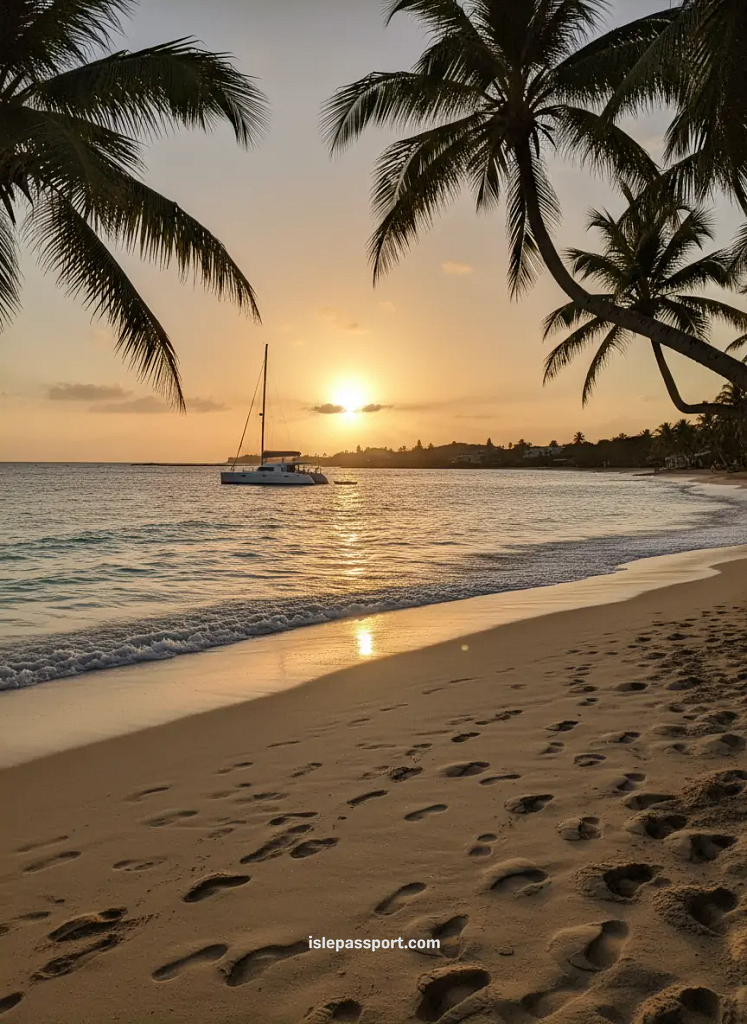
These islands don’t have frequent inter-island ferries. You can island hop, but it usually involves flying. Still, they work well if you want a two-island trip with short flights.
Best for:
- Couples looking for a mix of luxury + nature
- Travelers who don’t mind flying between islands
Suggested 7–10 day route
Barbados (4 days) → St. Lucia (4–5 days)
Why people choose this combo:
- Barbados: calm beaches, food, nightlife
- St. Lucia: Pitons, hiking, volcanic mud baths
But again — this is flight hopping, not ferry hopping.
5. U.S. Virgin Islands (USVI) — Easy, Safe, and Good for Short Trips
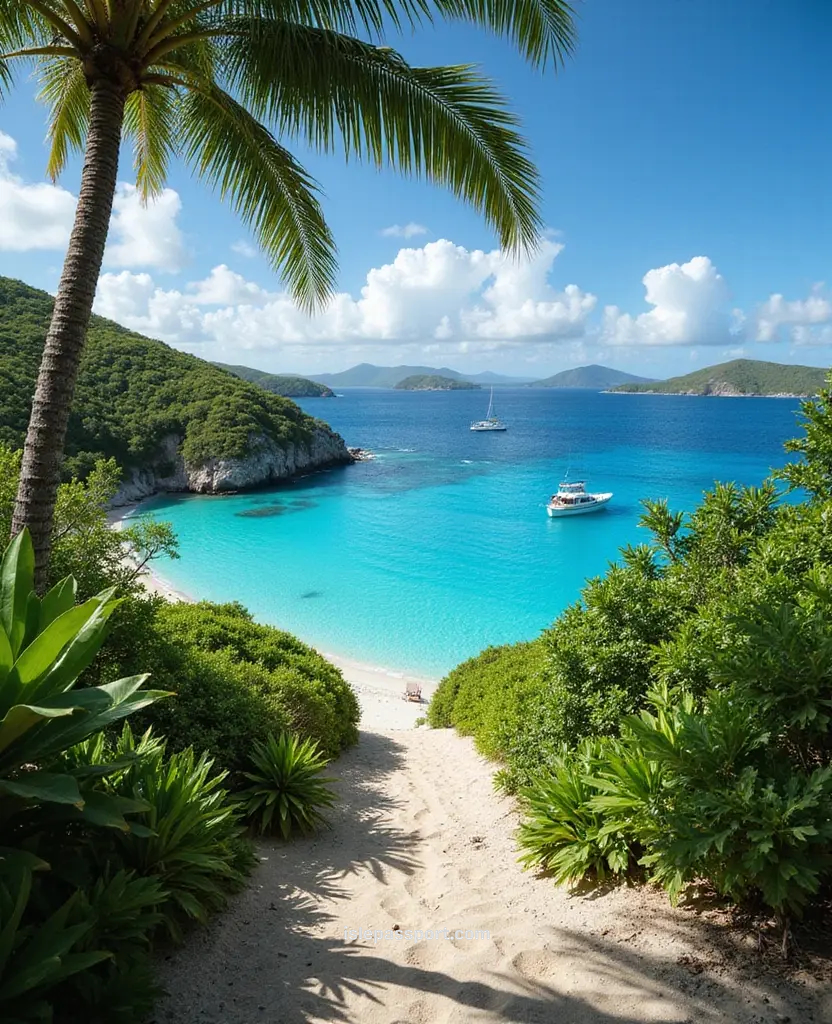
USVI is great if you want simple, short ferry rides and a very organized tourism setup.
Best islands
- St. Thomas: easiest to fly into
- St. John: beaches + snorkeling
- St. Croix: quiet and larger
Suggested 5-day route
St. Thomas → St. John → St. Croix
Notes:
- Cost: Higher than average Caribbean prices
- Good for: Americans who want a passport-free option
- Transport: Frequent ferries between St. Thomas & St. John; flights to St. Croix.
6. Antigua + Montserrat — For Volcano Lovers and Calm Island Life

One of the most unique 2-island trips in the Caribbean.
Why it’s great
- Montserrat has an active volcano and an abandoned city you can tour
- Antigua has 365 beaches and easy driving
- Very safe, friendly, and quiet
But: ferries are not daily, so you need to plan your dates.
Suggested 6-day route
Antigua → Montserrat → Antigua
Quick Comparison (Which Caribbean Region Should You Choose?)
Underrated Island Hopping Destinations You’ll Love
Everyone knows about Greece, Thailand, and the Caribbean — but some of the best island hopping I’ve done has been in places people barely talk about.
These regions have lower prices, fewer crowds, unique cultures, and in some cases, better ferry networks than the famous destinations.
If you like less touristy islands, better value for money, and a more local vibe, these are worth putting on your list.
1. Cape Verde — Africa’s Windy, Sun-Soaked Archipelago (Amazing Value)
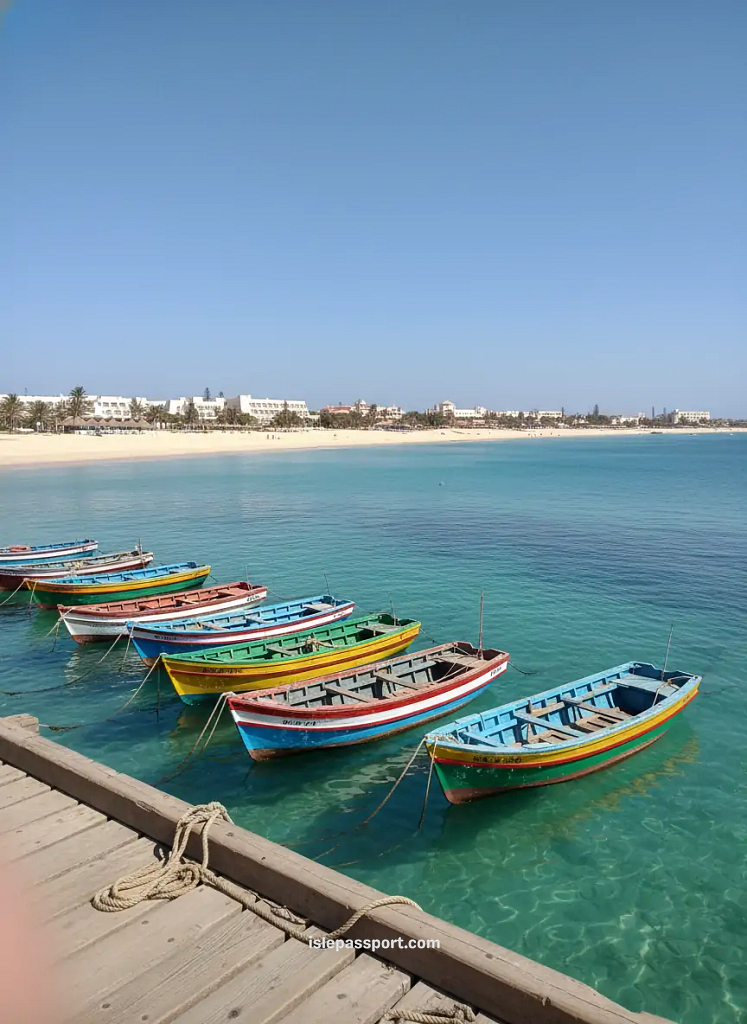
Cape Verde is one of the most surprising island chains I’ve ever visited. It’s located off the coast of West Africa, and even though it’s not a common vacation pick, it’s fantastic for multi-island trips — especially if you want something different from Europe.
Why it’s underrated:
- Great weather year-round
- Cheap compared to Europe and the Caribbean
- Wide variety of landscapes
- Safe and welcoming
Best islands to hop between
- Sal: easiest airport access, beaches, resorts
- Boa Vista: dunes + calm beaches
- São Vicente: arts, music, culture
- Santo Antão: incredible hiking (one of the best islands for trekking anywhere)
- Fogo: volcano and wineries
Logistics
- Inter-island travel is mostly short local flights, not ferries.
- Budget: $40–80/day
- Best months: November–June
- Good for: hiking, wind sports, winter sun
Personal note: Santo Antão alone is worth the trip — it’s that beautiful.
2. Madeira & Porto Santo — The “Atlantic Hawaii” Without the Crowds
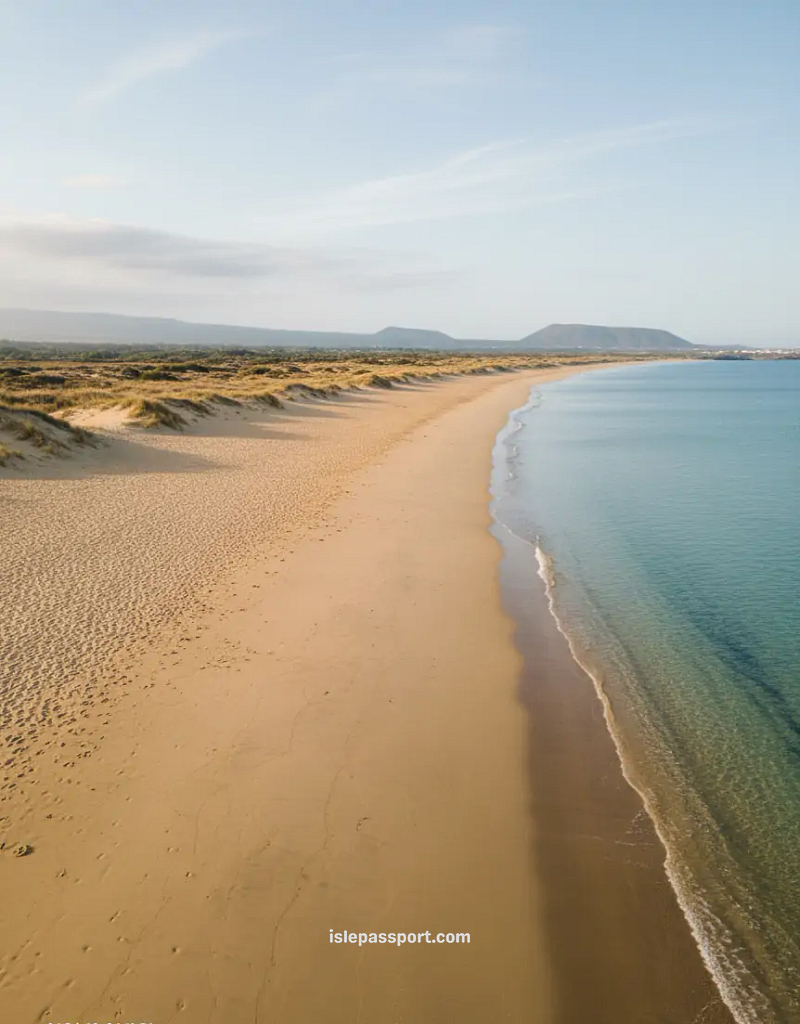
Madeira isn’t always on island hopping lists because people assume there’s just one island — but there’s actually a perfect 2-island combo here.
Why it’s underrated:
- Portugal-level affordability
- Excellent food + infrastructure
- Safe, clean, extremely organized
- Year-round good weather
Islands
- Madeira: mountains, cliffs, levada hikes
- Porto Santo: 9 km of golden sand and calm water
Logistics
- A fast ferry connects the two islands (2.5 hours).
- Best for: hikers, remote workers, couples
- Budget: $60–120/day
- Best months: April–October
Experience tip: Book Porto Santo midweek — it’s quieter and cheaper.
3. South Korea’s Southern Islands — Cheap, Scenic, and Barely Known by Western Tourists
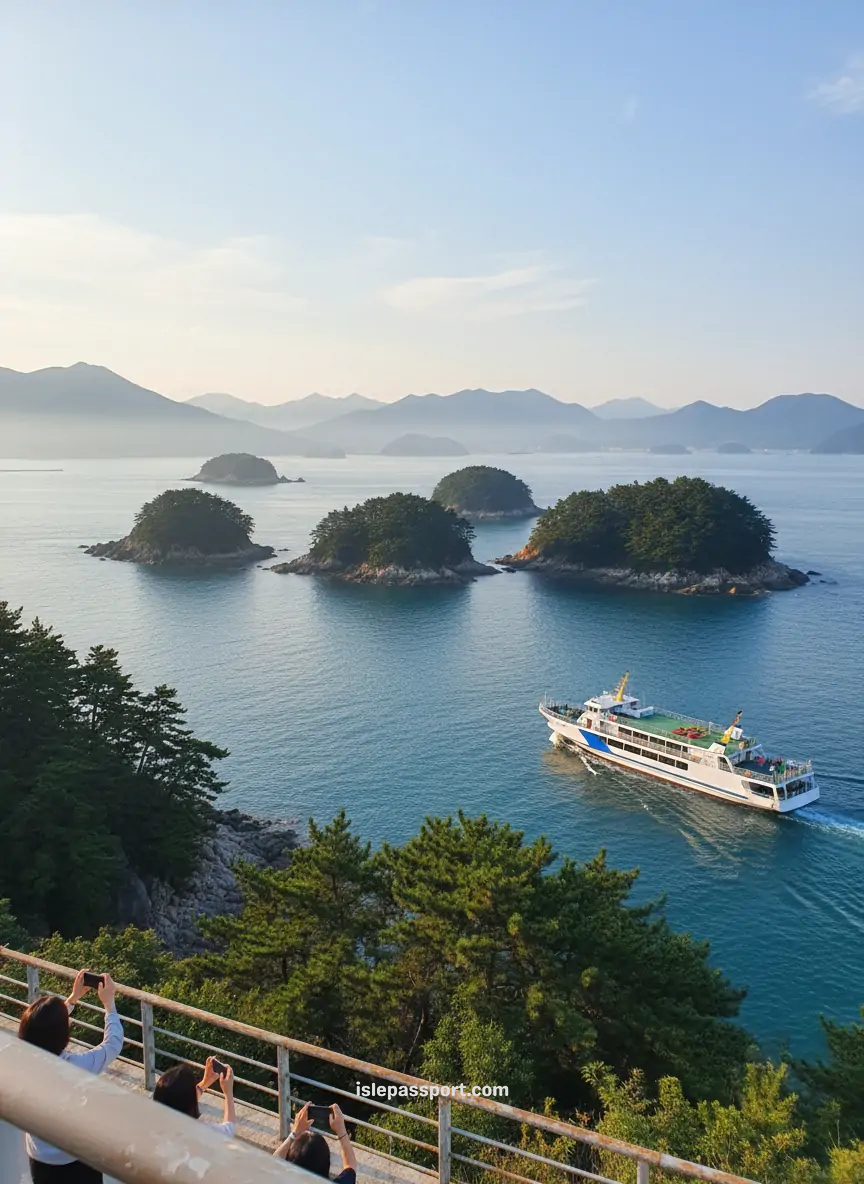
If you want easy ferries, clean infrastructure, and very low prices, this is one of the best places I’ve ever island-hopped that nobody talks about.
Best areas
- Jeju Island: volcanic craters, waterfalls, beaches
- Udo Island: quick ferry from Jeju (15 minutes), bike-friendly, super scenic
- Geoje + Tongyeong region: dozens of small islands connected by ferries and bridges
Why it’s underrated
- Excellent ferry system
- Safe, family-friendly
- Affordable — meals often under $7
- Unique culture + food
Logistics
- Budget: $40–80/day
- Best months: April–June + September–October
- Ferries: clean, punctual, well-run
My note: Udo is one of the easiest “add-ons” to any Jeju trip — you can see the whole island in a day.
4. Kenya’s Coast & Lamu Archipelago — Culture + Dhow Boats + Quiet Beaches
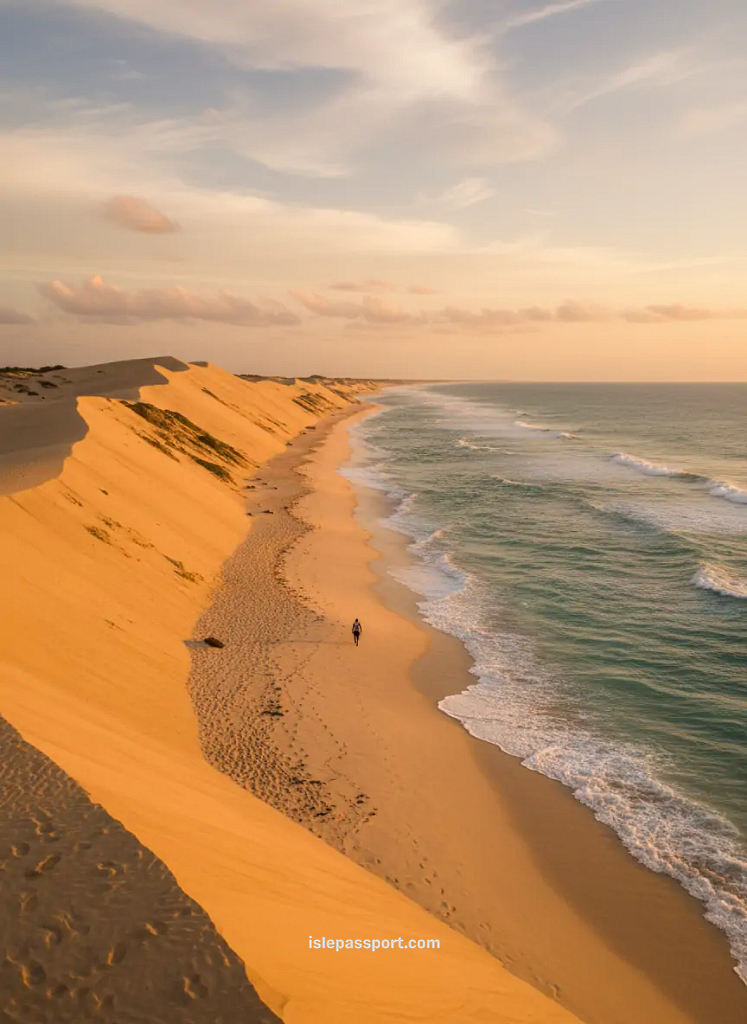
The Lamu archipelago is unlike anywhere else: Swahili culture, preserved old towns, and slow island life that feels like stepping back in time.
Why it’s great:
- Island hopping by traditional dhow boats
- Very affordable
- Beautiful architecture + beaches
- Strong cultural identity
Best islands
- Lamu: town, markets, history
- Shela: quiet, dunes, boutique hotels
- Manda: beaches and turtle nesting areas
Logistics
- Flights required to get in (from Nairobi or Mombasa)
- Ferries are more like local boat transfers
- Budget: $30–70/day
- Safety: stay in main tourist areas — Lamu Old Town + Shela are considered safe
5. Okinawa + Kerama Islands — Clean, Organized, and Crystal-Clear Water
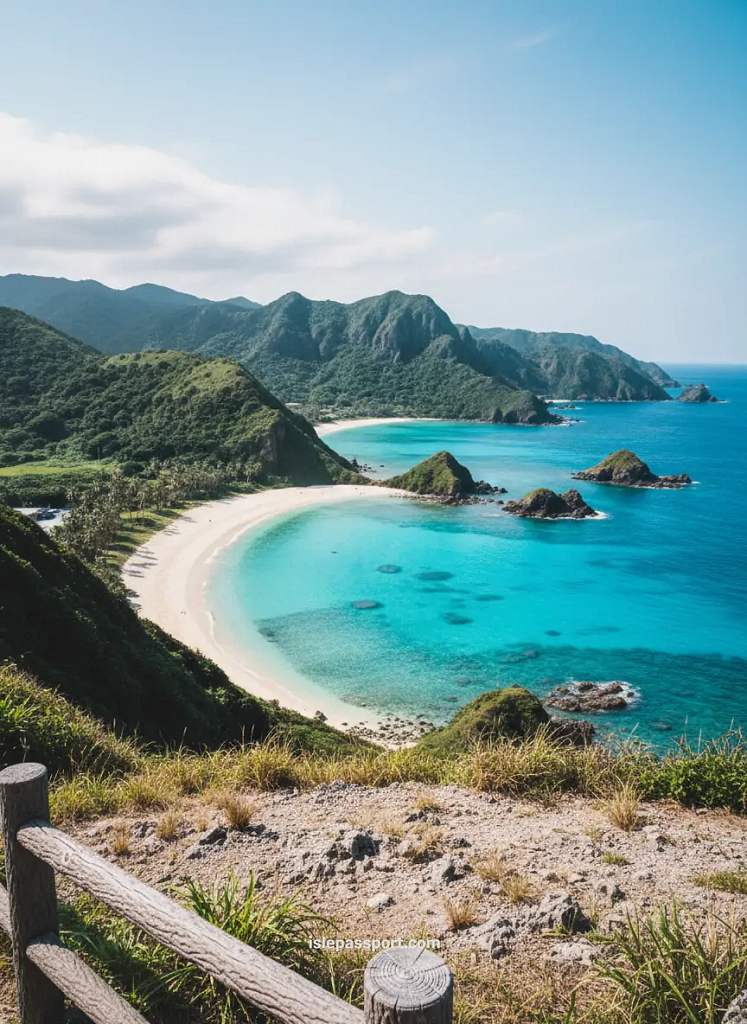
Japan isn’t usually associated with tropical island hopping, but Okinawa is a world-class destination. The water here feels like Fiji but with Japan-level organization.
Why it’s underrated
- Amazing snorkeling and scuba diving
- Extremely clean and safe
- Ferries are easy and punctual
- Great food and infrastructure
Best islands
- Okinawa Main Island
- Tokashiki
- Zamami
- Aka
These are all part of the Kerama Islands, reachable by ferry.
Logistics
- Ferry times: 35–70 minutes
- Budget: $60–120/day
- Best months: April–October
Experience note: Tokashiki has some of the clearest water I’ve seen outside of Fiji.
6. The Marshall Islands — Remote, Quiet, and Perfect for True Escape
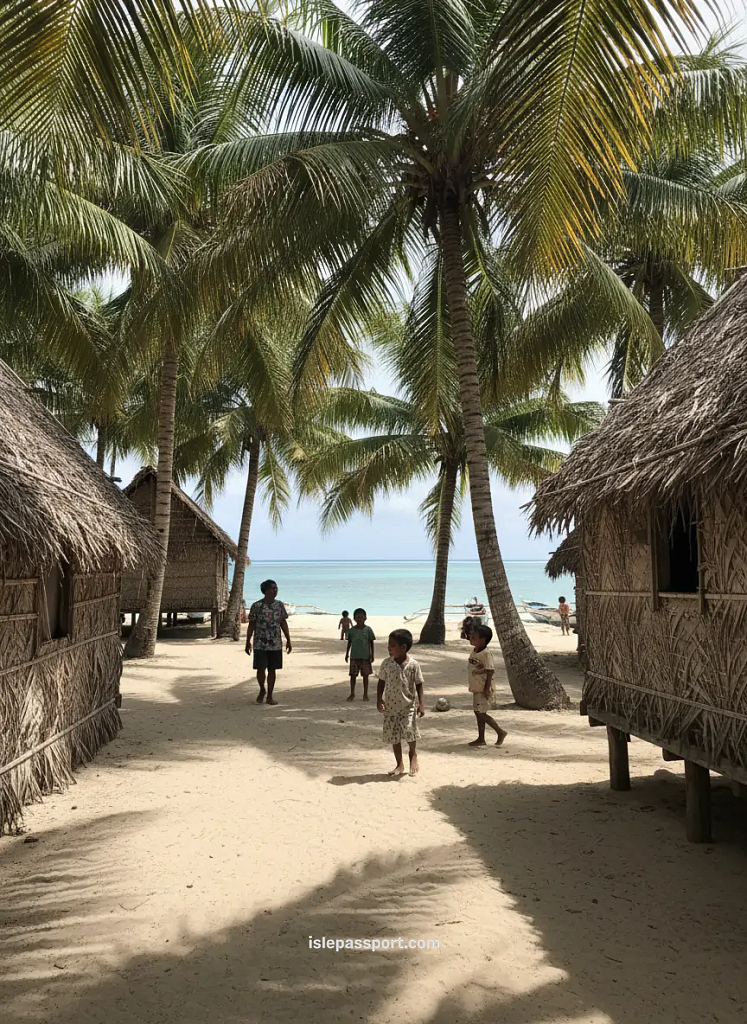
This is for hardcore island lovers who want remote, uncrowded islands far from any mainstream tourist route.
Why it’s underrated
- Hidden lagoons + untouched reefs
- Authentic, local culture
- Very few tourists
- Ideal for diving
Logistics
- Inter-island travel is mostly small local flights
- Budget: $70–150/day
- Best months: December–April
- Good for: divers, culture travelers, off-grid trips
This is not a “convenient” trip — but it’s unforgettable.
If you love discovering quieter, less touristy spots, these islands fit right in with many of my favorite tropical getaway ideas for travelers who want something different.
Quick Picks: Which Hidden Destination Fits You?
How to Choose the Right Island Hopping Destination for You
Choosing the right island hopping destination isn’t just about finding pretty beaches. Every region has its own price range, climate, travel style, and general “vibe.”
After years of hopping between islands in Europe, Asia, the Pacific, and the Caribbean, I’ve learned that the best island hopping vacations always start with matching the destination to your travel style — not the other way around.
Here’s a simple way to figure out which region fits your budget, comfort level, and what you actually want out of an island trip.
For more background on specific regions, ferry networks, and seasonal tips, Lonely Planet has a detailed regional breakdown that’s helpful for first-time island hoppers.
Start With These 4 Pillars
1. Budget

Your budget is the fastest way to narrow things down.
Some regions are naturally more affordable, while others get expensive once you factor in ferries, island flights, and accommodation.
If you want affordable island hopping trips:
- Thailand
- Philippines
- Greece
- South Korea islands
- Cape Verde
- Guadeloupe
If you have a mid-range budget:
- Croatia
- Bali → Nusa → Gili → Lombok
- Fiji (Yasawa route)
- Canary Islands
If you’re planning a higher-budget vacation:
- French Polynesia
- British Virgin Islands
- Barbados + St. Lucia
- Seychelles
Quick tip:
Accommodation and ferry prices add up quickly if you move every 2–3 days. Pick islands that are close together to keep costs low.
To keep my budget under control when I’m hopping between several islands, I like using the same hotel booking platform across the whole trip—it keeps all my reservations in one place and makes last-minute changes a lot less stressful.
2. Climate & Best Months to Travel
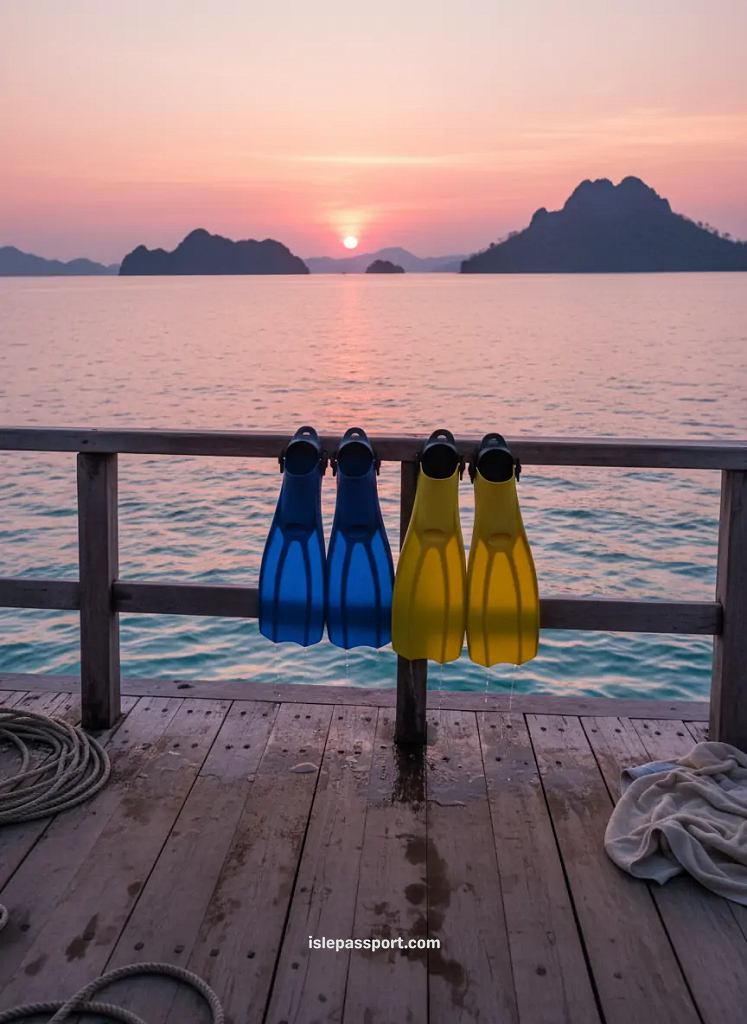
Weather can make or break an island hopping trip — especially in areas where ferries get canceled easily or where rainy season means rough seas.
Here’s the super simple version:
Best weather by region:
- Greece & Croatia: May–October
- Thailand: November–April
- Philippines: December–May
- Indonesia: April–October
- Fiji & French Polynesia: May–October
- Caribbean: December–April
- Cape Verde: October–June
If you’re planning a shoulder-season or winter escape:
- Canary Islands (warm year-round)
- Cape Verde (winter sun, very reliable)
- Thailand’s Gulf side (Koh Samui, Koh Phangan, Koh Tao)
- Fiji (May–October but shoulder season still works)
Always check ferry schedules — many islands reduce service in low season.
3. Vibe & Travel Style
Every island chain has its own personality. Picking the right one changes everything.
If you want quiet, peaceful islands:
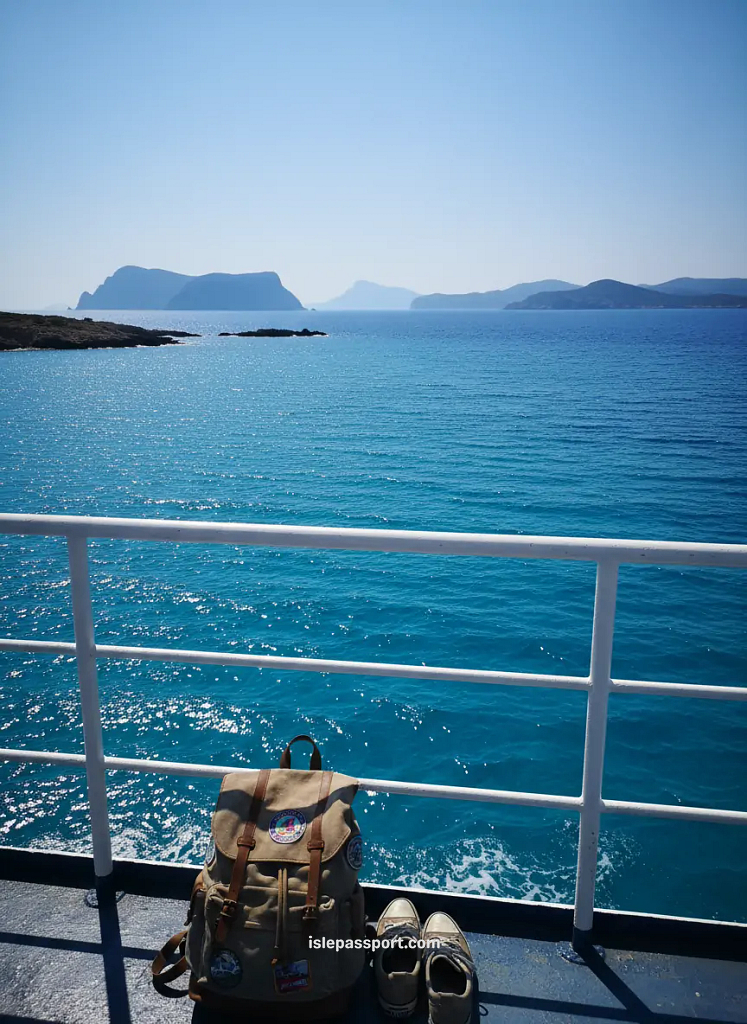
- Naxos & Paros (Greece)
- Yasawa Islands (Fiji)
- Cape Verde (Santo Antão)
- Lamu (Kenya)
- Les Saintes (Guadeloupe)
- Gili Air (Indonesia)
If you want parties + social vibe:
- Mykonos or Ios (Greece)
- Koh Phi Phi (Thailand)
- Hvar (Croatia)
- Gili Trawangan (Indonesia)
If you want nature, culture, and hiking:

- Azores
- Madeira + Porto Santo
- Okinawa + Kerama Islands
- Vanuatu
- Santo Antão (Cape Verde)
- Tanna (volcano hikes in Vanuatu)
If you want luxury and honeymoon vibes:
- Bora Bora + Moorea (French Polynesia)
- Maldives (not true island hopping but island-resort hopping)
- Turks & Caicos
- Seychelles
Matching the vibe to what you enjoy is one of the biggest keys to a satisfying island hopping vacation.
4. Distance From Home (How Far You Want to Travel)
Some island chains require long flights and connections. Others are perfect for a one-week trip.
If you want something close and easy (USA-based travelers):
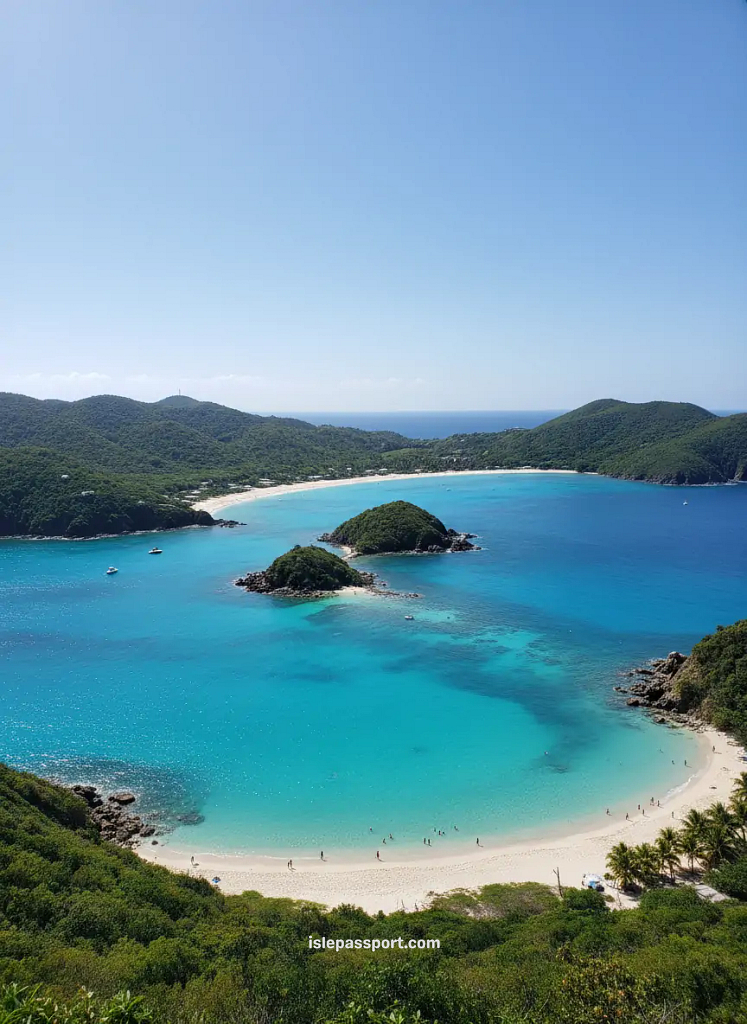
- Bahamas
- USVI
- Puerto Rico + Culebra + Vieques
- Turks & Caicos
- Mexico (Isla Mujeres + Isla Holbox combo)
If you want easy access from Europe:
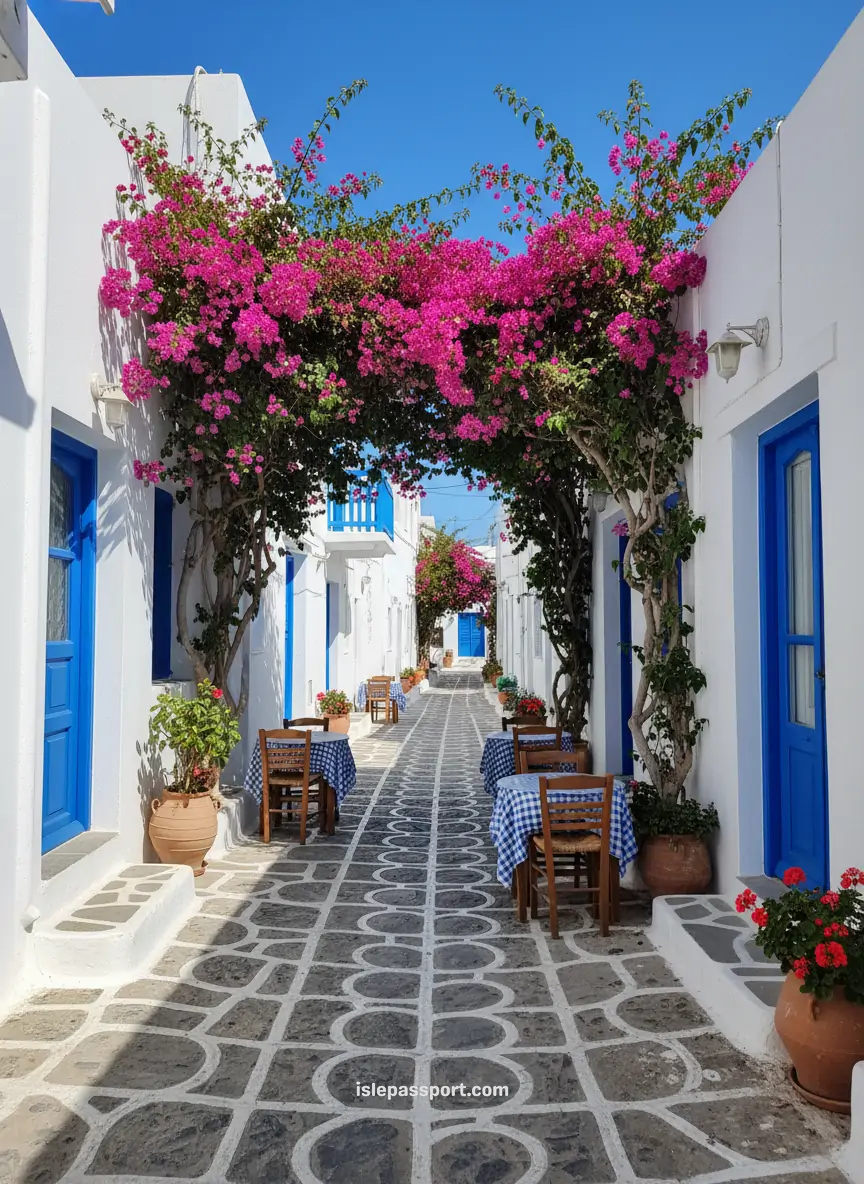
- Greece
- Croatia
- Canary Islands
- Azores
- Madeira
- Cape Verde
- Guadeloupe + Martinique (cheap flights from France)
If long-haul is okay and you want the “once-in-a-lifetime” feeling:
- Fiji
- French Polynesia
- Seychelles
- Indonesia island chains
Longer travel usually means fewer crowds — and in many cases, better value.
Final Step
Once you know your perfect match, plan your route with my Island Hopping Guide — I’ve broken down ferry routes, planning tips, budgets, and sample itineraries to make trip planning simple.
FAQs About Island Hopping Destinations
What is the best place in the world for island hopping?
If you want the easiest, most reliable island hopping overall, Greece is the best place to start. The ferry network is huge, the islands are close together, and you can mix quiet villages with famous spots like Santorini or Milos.
For tropical scenery, Thailand is the best combination of affordability, warm water, and simple transport.
For the Pacific, Fiji offers the smoothest multi-island routes thanks to daily ferries through the Yasawa and Mamanuca islands.
What is the cheapest island hopping destination?
The most affordable regions for island hopping are:
Thailand (especially Koh Lanta, Koh Tao, Koh Phangan)
Philippines (El Nido + Coron are budget-friendly outside peak season)
Greece (Naxos, Paros, Milos instead of Mykonos/Santorini)
Cape Verde (cheap food + stays, short island flights)
In most of these destinations, you can travel comfortably on $40–$70/day.
Can you go island hopping without a tour?
Yes. In most regions you can island hop completely independently using public ferries, speedboats, or short local flights.
Destinations like Greece, Croatia, Bali → Nusa → Gili, Fiji, Guadeloupe, and Thailand are especially easy to do without a tour.
Tours are optional and usually only needed for specific activities (snorkeling, lagoons, caves, etc.).
What’s the best time of year to go island hopping?
It depends on the region, but these are the simplest guidelines:
Greece & Croatia: May–October
Thailand: November–April
Philippines: December–May
Fiji & French Polynesia: May–October
Caribbean: December–April
Canary Islands & Cape Verde: year-round
If you want fewer crowds and lower prices, travel in the shoulder months — May/June or September/October.
How many days do you need for an island hopping trip?
A typical island hopping vacation is 7–10 days, which gives you time for 2–4 islands at a comfortable pace.
If you want to see more or travel slower, 10–14 days is ideal.
For mini-trips or weekend escapes (like Thailand or Greece), you can do 2 islands in 4–5 days, but anything shorter feels rushed.
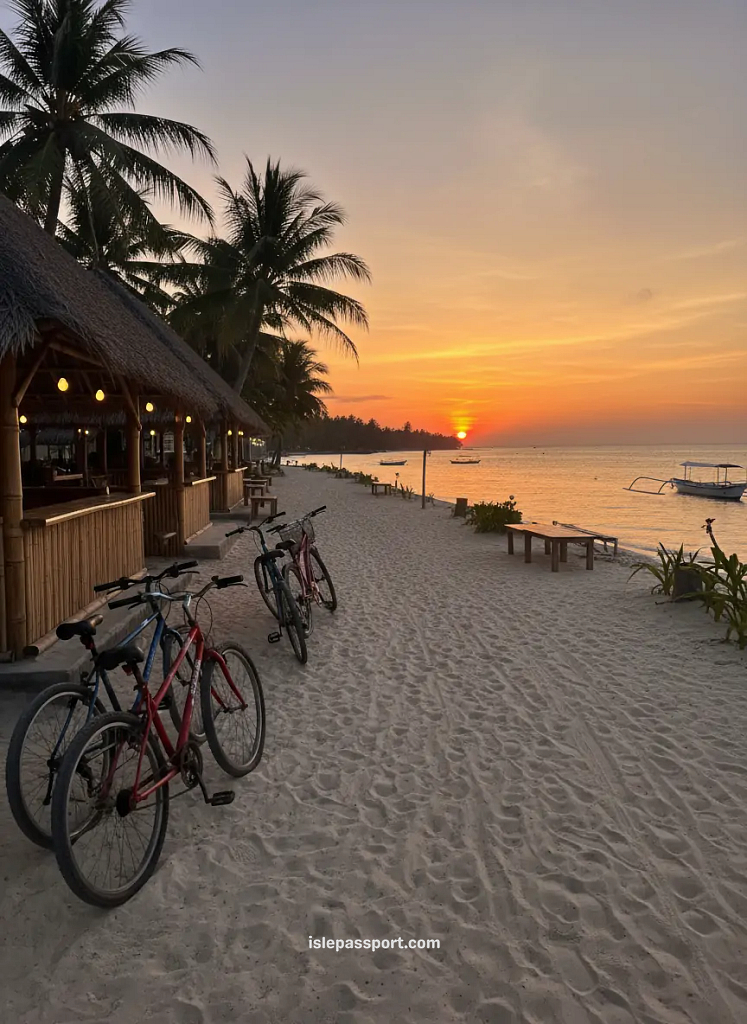
Before You Go..
Island hopping is one of the easiest ways to turn a normal holiday into something unforgettable. Whether you want culture, tropical beaches, budget-friendly travel, or a once-in-a-lifetime adventure, there’s a perfect route out there.
If you’re not sure where to start, here are my top 3 picks for 2026:
Greece — Best overall
The most beginner-friendly island hopping destination in the world. Easy ferries, beautiful beaches, great food, and endless route options.
Thailand — Best budget-friendly tropical trip
Warm water, simple transport, cheap stays, and a great mix of lively islands and quiet ones.
Fiji — Best for relaxed Pacific island hopping
Daily ferries, clear water, and a mix of small local islands that feel remote but easy to reach.
No matter which region you choose, you’ll find a style of island hopping that matches your budget, your pace, and the kind of experience you want.
Most of the tools I’ve mentioned in this guide are the exact ones I use when I’m planning my own routes—ferries, stays, day tours, and even the occasional sailing day—so feel free to copy my setup and tweak it to fit your trip.
💛 Loved this guide?
If it helped you plan your trip or discover somewhere new, you can help me create the next one. Every guide is free to read, independently researched, and made with travellers like you in mind.
