
Best Coastal Towns in Southern Spain (Andalusia Edition)

When people search for the best coastal towns in Southern Spain, they usually end up with the same names. Málaga, Marbella, maybe Tarifa if they dig a little deeper.
But the real gems aren’t the ones trending online. They’re the quiet towns, the local bakeries, the beaches where time actually slows down.
I have spent months tracing the full length of the Andalusian coast. From the volcanic coves of Almería in the east, where the landscape looks more North African than European. All the way west through the golden dunes of Cádiz province, where the Atlantic breeze keeps everything cool and the evenings go on forever.
I have taken slow buses, driven roads that barely appear on maps, and stayed long enough in places to understand their rhythm rather than just photograph them.
This guide covers what I actually found. The best southern Spain beach towns. The ones worth the detour, and a few that most guides still skip entirely. Whether you are looking for a quiet seaside town away from the summer crowds or trying to decide between the Costa del Sol and the Costa de la Luz, it is all here.
If you want the full geographical picture of how Spain’s coastline is structured before diving in, I have a complete breakdown on the Spain Coastline page.
The Two Coasts of Southern Spain
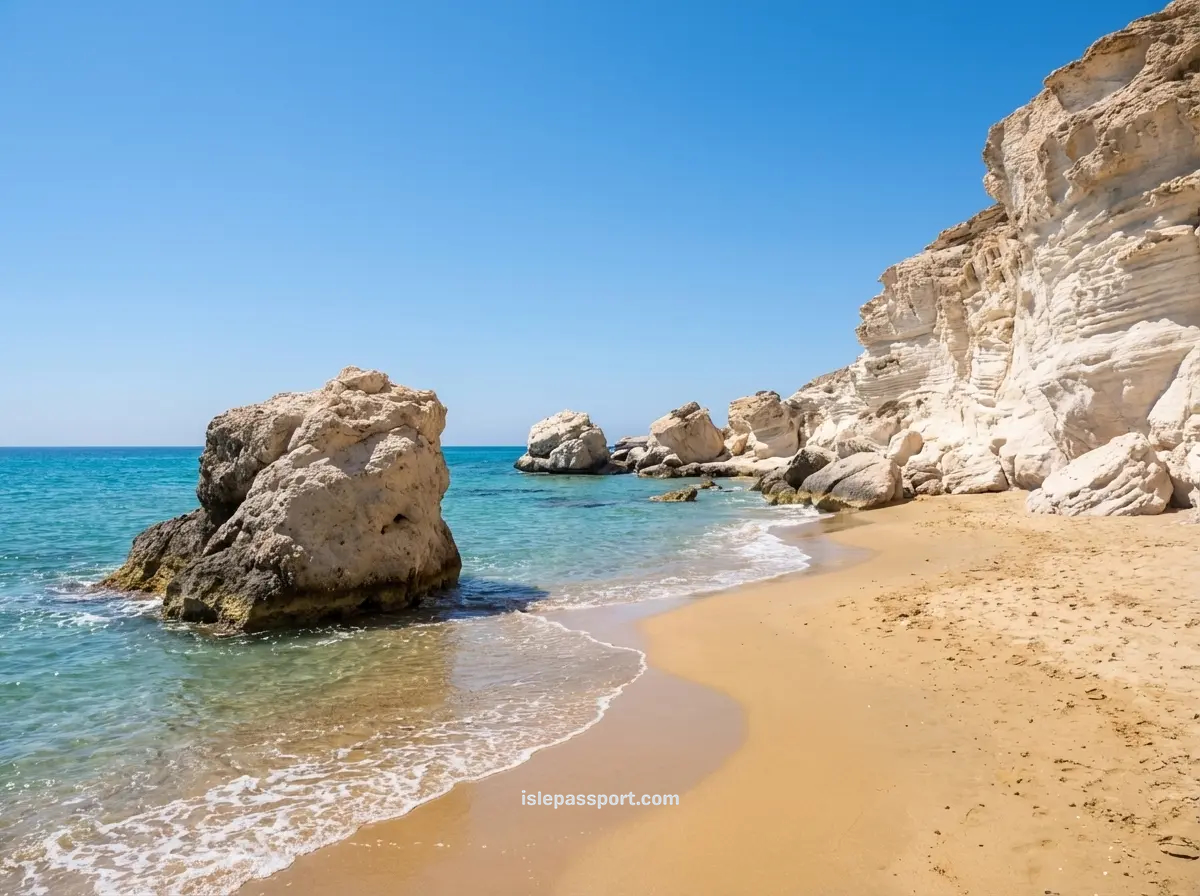
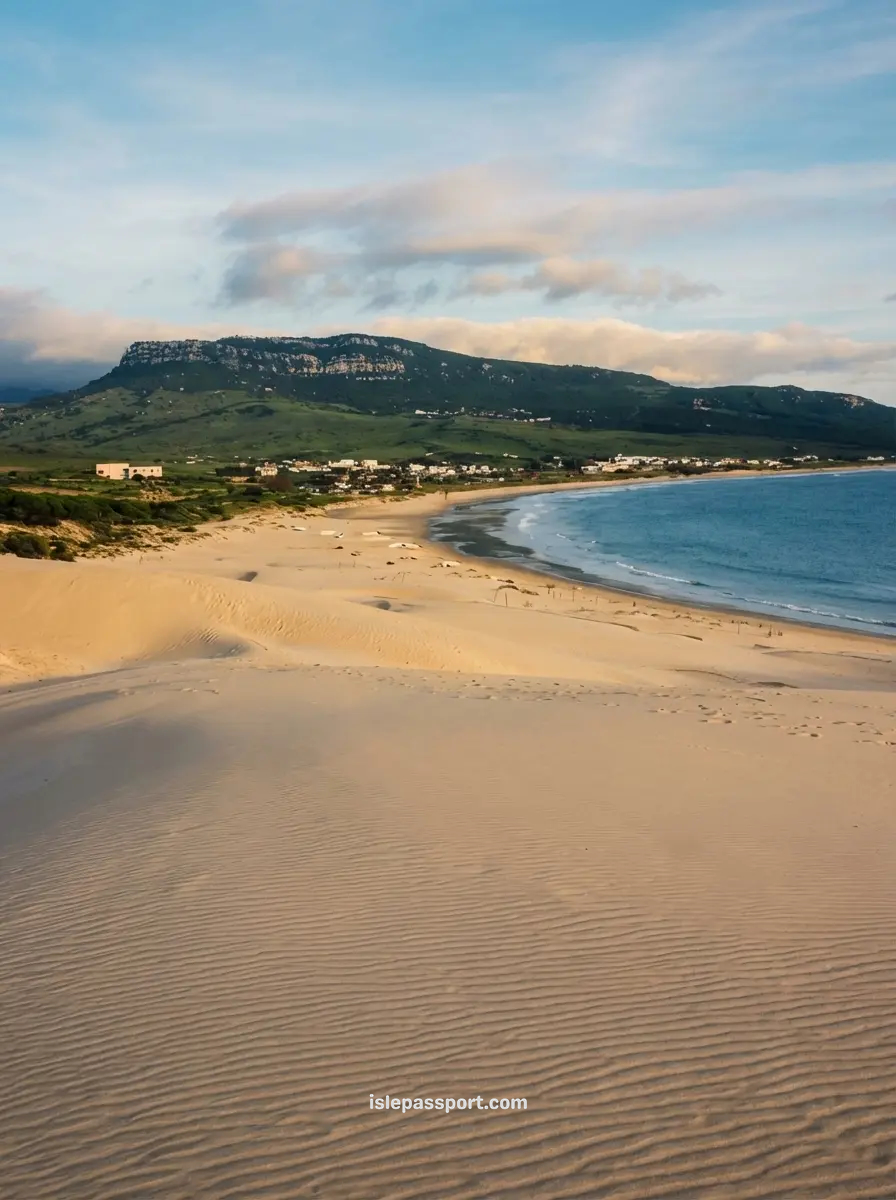
Before diving into specific towns, it’s worth understanding how southern Spain’s coast is shaped. And how best to explore it.
Southern Spain has two completely different coastlines, and understanding the difference saves a lot of confusion when planning.
The Costa del Sol stretches east from Málaga toward Nerja and Almería. A Mediterranean coast with calm, clear water, dramatic cliffs, and white villages tucked into hillsides. It is more connected, more touristed in places, and where most first-time visitors to southern Spain end up.
The Costa de la Luz faces the Atlantic from Tarifa upward through Cádiz province toward the Portuguese border. Wider beaches, stronger winds, wilder landscapes, and a noticeably more local feel. Some of the best beach towns in southern Spain are here, and they are still largely off the international radar.
If you’re considering visiting outside the summer season, my guide to Costa de la Luz in winter covers what’s actually open, where to stay, and what winter is like.

If you’re heading toward the Almería side, the Almería coastal towns offer quieter Mediterranean villages and some of the region’s wildest beaches
Here, the light feels sharper, the beaches broader, and the winds stronger. Both coasts have completely different personalities, but together they create one of the most beautiful and diverse coastal drives in Europe.
If you’re looking at a Spain southern coast map, you’ll see how accessible most Andalusia coastal towns are by car.
One map. The whole Andalusian coast. The Andalusia Dream Route Map Every town on this map pinned, plus the coves, viewpoints and scenic drive sections I don’t publish in posts. Download the mapSouthern Spain – Coastal Town Highlights
Town Types
- Main picks (this guide)
- Also worth considering
For freedom to stop in small villages or reach hidden coves, I’d always recommend renting a car. Prices usually range from €25–€40 per day depending on the season, and the roads are easy to drive once you get used to the roundabouts.
I normally book through a reliable local rental company because pickup is faster and the prices are straightforward — here’s the one I’ve had the best experience with.
Public transport does exist — buses link the major southern Spain coastal towns like Málaga, Cádiz, and Algeciras — but smaller villages often require a car or a long connection. If you’re planning a slow, flexible itinerary, driving will make your trip infinitely easier.
If you’re driving east to west, check out my Almería to Málaga road trip guide.
Best Coastal Towns to Visit in Southern Spain
➤ Nerja

If you’re starting on the Costa del Sol, Nerja is where everything begins to slow down. It’s one of the prettiest beach towns in Andalusia. Still close enough to Málaga for convenience, but far enough to feel like a different world.
Nerja sits on a series of cliffs overlooking turquoise water, with small coves tucked beneath them like secret pockets.
If you’re planning a trip specifically around Málaga, I break this down in more detail in my guide to the best coastal towns near Málaga.
The main beaches — Burriana, Calahonda, and Carabeillo — are perfect for families, with calm water, soft sand, and beachfront restaurants that still serve proper Andalusian plates, not tourist menus.
Beyond the beaches, Nerja has a relaxed rhythm that sets it apart from bigger Costa del Sol towns. You can spend mornings walking the old town’s narrow streets, ducking into hidden courtyards, or watching locals chat in the shade.
Then there are the Nerja Caves, a few minutes outside town — vast, cathedral-like chambers with prehistoric paintings and natural columns the size of trees.

If you’re into hiking, the nearby Rio Chíllar trail is one of southern Spain’s hidden gems. It follows a shallow river through canyons where you walk directly in the water — a perfect family adventure on hot days.
What makes Nerja special isn’t just the scenery, though. It’s the feeling that this is still a place where life is lived at a natural pace. The town’s charm isn’t curated — it’s just real.
Tip: Nerja works well as a base for the eastern Costa del Sol. If you’re visiting outside summer, see my guide to Costa del Sol in winter for the best towns, weather, things to do, and where to stay.
Location: Costa del Sol, Málaga province
Nearest airport: Málaga (AGP), approx. 1 hour
Where to stay in Nerja: Balcón de Europa Hotel sits directly above the viewpoint. The position is hard to beat.
For more options, search all accommodation in Nerja here.
➤ Zahara de los Atunes

Head west to the Costa de la Luz, and you’ll find Zahara de los Atunes — a quiet, elegant fishing village that has somehow escaped mass tourism. This is the Atlantic side of Andalusia, where the light feels softer in the evenings and the beaches stretch endlessly into gold.
Zahara is small — a handful of streets, whitewashed houses, and one long beach that seems to go on forever. But it’s the kind of place where couples come back year after year for sunsets, barefoot dinners, and the sense of being nowhere and everywhere at once.
The beach itself is spectacular. Wide, wild, and lined with dunes, it’s ideal for long walks and watching the horizon burn orange at sunset. The Atlantic breeze can be strong, but that’s part of the charm — it keeps the air clear and the crowds away.
There’s a quiet luxury to Zahara. You’ll find stylish boutique hotels hidden among simple buildings, and restaurants where tuna — the town’s namesake fish — is served in every possible way.
Try El Refugio for its sea views and grilled bluefin tuna, or Pan y Chocolate for breakfast pastries so good you’ll want to take a box for the road.
If you’re chasing authenticity with a touch of refinement, Zahara is easily one of the best southern Spain coastal towns to visit.
Tip: August books out months in advance. Visit in June or September for the same beach with a fraction of the people. August books out months in advance.
Visit in June or September for the same beach with a fraction of the people. For a completely different experience, see what Zahara and the wider coast are like in winter.
Location: Costa de la Luz, Cádiz province
Nearest airport: Jerez de la Frontera (XRY), approx. 1 hour
Where to stay in Zahara: Gran Sol Zahara is a reliable beachfront option.
All Zahara de los Atunes accommodation here.
➤ Mojácar
Technically part of Almería province, Mojácar sits between mountains and sea — a hilltop town of white cubes cascading down toward the Mediterranean. It’s the kind of place that doesn’t look real at first glance, especially when seen from the road below at sunset.
Mojácar Pueblo (the upper town) is a maze of steep, whitewashed alleys and balconies overflowing with bougainvillea. Mojácar Playa (the lower part) stretches along the coast, lined with small hotels, beach bars, and a long promenade perfect for evening walks.
What I love most about Mojácar is the balance — it’s lively without being loud, scenic without being exclusive. You’ll find locals having coffee in the same cafés as travelers, and an easy blend of old and new.
For those drawn to this quieter corner, the best Almería coastal towns guide covers the whole province. Including spots that barely appear in English-language travel writing.
Tip: Drive up to the pueblo at sunset. The view from Mirador del Castillo is one of the best on the entire southern coast of Spain.
Location: Almería province
Nearest airport: Almería (LEI), approx. 1 hour
Where to stay in Mojácar: Parador de Mojácar has one of the best beachfront positions in town.
More Mojácar accommodation options here.
Read more: Best places to live in Spain by the sea. Mojácar is a serious contender.
➤ Sanlúcar de Barrameda
At the mouth of the Guadalquivir River, Sanlúcar de Barrameda is one of Andalusia’s most underappreciated towns. It’s where the river meets the sea, where the air smells of salt and sherry, and where tapas is an art form.
Sanlúcar isn’t a resort — it’s a living Andalusian town. Locals gather in Plaza del Cabildo for seafood and manzanilla wine, and children play in the square while older men talk about fishing.
The town has beaches too — Playa de Bajo de Guía is long, sandy, and backed by traditional seafood restaurants where you can sit with your feet almost in the sand. Order fried puntillitas (baby squid) or grilled prawns, and watch ferries cross to the Doñana National Park on the opposite bank.
It’s this blend — river, ocean, food, and culture — that makes Sanlúcar one of the most authentic Andalusia coastal towns for travelers who want local life over crowds.
Tip: Stay for at least two nights. One day is genuinely not enough.
Location: Cádiz province, mouth of the Guadalquivir
Nearest airport: Jerez de la Frontera (XRY), approx. 40 min; Sevilla (SVQ), approx. 1 hour
Where to stay in Sanlúcar: Posada de Palacio is a beautiful historic option in the old town.
More Sanlúcar accommodation here.
➤ Conil de la Frontera
Conil de la Frontera is one of those towns that feels effortlessly Spanish. It’s bigger than Zahara, but still local — a place where you can surf in the morning, walk the cliffs in the afternoon, and end the day with tapas in a lively plaza.
The beaches here are some of the best beaches in southern Spain. Long, golden, and edged by ochre cliffs. Playa de Los Bateles is central and family-friendly, while Playa de la Fontanilla has calm waves and beach restaurants.
If you want something wilder, walk west toward Cala del Aceite or Playa del Puerco, where cliffs rise dramatically above the Atlantic.
The town itself is bright and white, with narrow streets leading down to the water. It’s livelier in summer but still feels genuine, not overdeveloped. For surfers, there are good breaks along the coast, and schools that welcome beginners.
Conil is perfect for travelers who want to mix beach time with walks, good food, and a hint of adventure. Without giving up that small-town soul.
Tip: Come in May or September. The weather is perfect, prices drop noticeably, and the beaches actually breathe.
Location: Costa de la Luz, Cádiz province
Nearest airport: Jerez de la Frontera (XRY), approx. 45 min. Málaga (AGP), approx. 2 hours
Where to stay in Conil: Fuerte Conil Resort is the well-positioned large option.
For boutique stays and apartments, browse all Conil accommodation here.
Other Towns Worth Considering

If you have extra time, these southern Spain coastal towns deserve a spot on your list too:
- Tarifa – Europe’s windsurfing capital. It’s windy, wild, and full of free spirits. Perfect if you love kitesurfing or just want to feel the energy of the Atlantic.
- Estepona – A more local, family-friendly version of Marbella. Beautiful beaches, a charming old town, and a laid-back rhythm.
- Vejer de la Frontera – Not directly coastal, but just inland from Conil. One of the most beautiful white villages in Andalusia, worth a detour for its hilltop views and creative food scene.
- Salobreña – Near Granada’s coast, with a castle-topped hill and a beach below. Under-the-radar, but absolutely stunning.
Coastal Cities in Southern Spain Worth Knowing
Not everything worth visiting on the Andalusian coast is a village or small town. Two cities deserve mention. Not as afterthoughts but as destinations that happen to have coastline as part of their identity.
Málaga
Málaga is the gateway city for most visitors to the southern coast of Spain. And a lot of people pass through it to get somewhere else. That is a mistake.
Málaga has transformed enormously over the past fifteen years. The Picasso Museum (Picasso was born here). The POMPIDOU Málaga. A genuinely good food scene, and a historic centre that rewards a day or two of wandering.
Malagueta Beach sits right below the city. Not the most spectacular beach in Andalusia but perfectly pleasant, and the convenience of having it at the edge of a city this interesting is hard to argue with.
For a base, Málaga also has the best transport connections on the southern coast. Direct flights from across Europe, trains connecting west along the coast, and buses reaching most Andalusian towns.
Where to stay in Málaga: Room Mate Valeria is well-positioned in the historic centre.
Search all Málaga accommodation here.
Read more: Where to stay near Málaga. Including the best surrounding towns for a base.
Cádiz
Cádiz is one of the oldest continuously inhabited cities in Western Europe. Founded by the Phoenicians over three thousand years ago. It sits on a narrow peninsula almost entirely surrounded by the Atlantic. Which means the city feels like it exists in the water rather than beside it.
The old city is extraordinary. Crumbling baroque mansions, tiled streets, a cathedral that took over a century to build and glows golden at sunset. And a mercado central with some of the best seafood in Spain.
The beaches (Playa de la Caleta, Playa Victoria) are long, sandy, and genuinely lovely. Cádiz also has one of Spain’s most famous carnivals, in February, if you happen to be passing through.
Where to stay in Cádiz: Hotel Argantonio is a beautifully restored townhouse in the old city.
All Cádiz accommodation options here.
Read more: Best coastal cities in Spain. Cádiz and Málaga both appear, with fuller write-ups.
How to Get Around the Andalusian Coast

No single mode of transport fits all of southern Spain. Getting this right makes the difference between a smooth trip and a week of frustration.
In the larger coastal cities Málaga, Cádiz, Almería.. Trains and buses work well. The RENFE coastal line from Málaga runs west with reasonable frequency, and the Alsa bus network covers most of Andalusia. For the beach towns of the Costa del Sol, public transport is manageable.
But the most interesting towns on this list: Zahara, Bolonia, Carboneras, Vejer, Mojácar, are either unreachable without a car or require multiple bus changes and several hours. If your trip is about actually exploring the south coast of Spain rather than hopping between the obvious spots, a car is necessary rather than optional.
I compare all rental options through DiscoverCars. Searching across multiple providers simultaneously, which regularly saves 30–40% compared to booking direct. Always add full coverage for the coastal roads. Some of the smaller routes near Cabo de Gata and along the Costa de la Luz are genuinely narrow.
If you are driving from east to west, my Almería to Málaga coastal road trip maps the whole route with stops, timing, and detour suggestions.
Best Time to Visit the Southern Spanish Coast
If you’re wondering when to visit, timing is everything.
The best months are early May to mid-June, and September to mid-October — when the light is golden, the sea is warm, and the crowds thin out. These shoulder seasons are ideal for slow travel, photography, and coastal walks.
July and August bring heat and higher prices, especially in popular Costa del Sol towns. If you must travel in August, book accommodation early and stay just outside major resorts for peace and better value.
I usually check availability through this booking platform because it shows smaller family-run stays that don’t appear anywhere else.
Spring and autumn also make road-tripping easier — fewer cars, less stress, and perfect weather for exploring multiple southern Spain coastal towns in one trip.
Budget & Travel Tips
Southern Spain is still one of Europe’s best-value coastlines, but prices spike in peak summer. If you’re traveling off-season, some of the cheapest coastal towns in Spain are tucked right here in Andalusia, especially once you move away from the main resort strips.
Public transport works for big hubs like Cádiz, Málaga, and Almería, but small villages require patience and connections. For flexibility, rent a car — expect €25–€40/day, with plenty of drop-off options between cities.
In August, beachfront stays can easily double in price. Look for family-run guesthouses or small apartments a few blocks inland — you’ll often pay half the cost for a much calmer stay.
Eat like locals do: menu del día lunches (three courses) usually run €12–€15 and are fantastic value. Skip beachfront spots with only English menus unless you see plenty of locals eating there too.
Most beaches are public and free. Bring your own shade, water, and some cash for parking at wilder spots where card machines don’t always exist.
If you’re finding the South a bit too spread out, you can find a similar local feel much closer to the city. I’ve put together a list of the best beach towns near Barcelona by train that offer incredible value and cleaner water without the need for a rental car.
If you travel outside the summer rush, you’ll find that even the best coastal towns in southern Spain can feel like secret discoveries.
And if you prefer bigger hubs with a bit more city energy, here are the best coastal cities in Spain to compare with the smaller towns on this list
How This Trip Connects With Northern Spain
If this journey leaves you wanting more, you’re not alone. Spain’s coasts are endless — and after exploring Andalusia, it’s only natural to look north.
The northern Spain coastal towns — from the Basque Country to Galicia — offer a completely different landscape: green cliffs, surf beaches, and cooler air. I’ll be sharing a complete northern route soon, perfect for travelers wanting to connect both ends of Spain by sea.
One map. The whole Andalusian coast. The Andalusia Dream Route Map Every town on this map pinned, plus the coves, viewpoints and scenic drive sections I don’t publish in posts. Download the mapFAQ
What are the best beach towns in southern Spain?
For the full combination of beauty, local character, and accessibility, Conil de la Frontera, Nerja, and Zahara de los Atunes are my top three. Each covers a different part of the coast and a different travel style. Conil is the most complete town; Nerja the easiest to reach; Zahara the most dramatically beautiful.
What is the prettiest coastal town in southern Spain?
This is subjective, but Zahara de los Atunes and Mojácar tend to stop people in their tracks. Zahara for the wild Atlantic beach-and-white-village combination; Mojácar for the hilltop pueblo above the Mediterranean. For a full list, see the 14 prettiest coastal towns in Spain.
Which southern Spain beach towns are best for families?
Nerja, Estepona, and Conil all have calm water, good facilities, and enough to keep families busy. Conil in particular is very family-oriented in summer, with flat sandy beaches and a good promenade.
Do I need a car to explore the southern Spanish coast?
For the most interesting towns — Zahara, Bolonia, Carboneras, Mojácar — yes, a car is essential. For the Costa del Sol towns like Nerja and Estepona, public transport is manageable. Full breakdown in the best coastal towns in Spain without a car guide.
Before you go..
If there’s one thing I’ve learned from exploring the Andalusia coastal towns, it’s that the best places rarely shout the loudest. They wait quietly. Tucked behind cliffs, hidden between olive groves, or glowing under the evening sun when the crowds are gone.
Traveling the southern Spain beaches slowly, without a rush, lets you notice what most people miss: the morning stillness, the smell of sea salt and jasmine, the way locals greet each other by name.
If you’re planning your own route, take your time. Let the coast unfold.
👉 Discover more hidden gems and slow coastal guides at Coastal Spain, where I share honest travel insights from all regions of Spain.
Before You Book: The Tools I Actually Use
I only link to tools and platforms I’ve personally used and would use again. If you book through my links I earn a small commission at no extra cost to you — which helps me keep writing these guides.
Sort by guest rating above 8.5 and check the map view before confirming.
Book as soon as you confirm flights. Summer prices in the islands rise fast.
Routes sell out in July and August. Book early for Balearic islands.
Boat tours, kayaking, guided hikes. Morning slots go first.
I never travel without it — covers illness, cancellations, and lost luggage.
The easiest way to move between coastal towns without a car. Prices rise closer to departure.
💛 Loved this guide?
If it helped you plan your trip or discover somewhere new, you can help me create the next one. Every guide is free to read, independently researched, and made with travellers like you in mind.
