

Where to Stay Near Málaga: Best Areas, Hotels & Towns 2026

I picked the wrong area to stay in Málaga on my first visit and spent three days paying for it.
Not in money. In time. My hotel was perfectly nice. It was also a 25-minute walk from everything I wanted to see, in a neighbourhood that felt half-empty at night and had exactly one restaurant worth going to.
The neighbourhood you pick changes the whole trip. The city centre and the beachfront feel like different places. The towns outside Málaga feel like a different holiday entirely.

If you’re wondering where to stay near Málaga for the first time, the decision usually comes down to city vs beach vs nearby towns.
The best areas to stay near Málaga include the historic city centre (Centro Histórico), the beachfront district of La Malagueta, and nearby coastal towns like Nerja, Torremolinos, and Marbella.
Each offers a different experience. From walkable sightseeing bases to full beach-focused stays. Making the right choice entirely dependent on your travel style and trip length.
This guide covers exactly where to stay near Malaga based on what you’re actually doing there. Budget, vibe, beach access, nightlife, families, first-timers. All of it.
Top-rated hotels in Málaga right now:
I check availability and current pricing for all of these in one place here — prices shift a lot depending on season and how far ahead you book.
Where to Stay Near Málaga: Quick Picks
If you just want the answer without overthinking it, these are the areas I’d choose:
- Centro Histórico — best overall for first-time visitors
- La Malagueta — best for beach + city together
- Soho — best for couples and boutique stays
- Pedregalejo — best for a local, slower pace
- Nerja — best beach town outside Málaga
- Marbella — best for luxury and nightlife
Best Areas to Stay in Málaga City
Málaga is compact enough that no neighbourhood puts you completely out of reach. But there’s a big difference between waking up two minutes from the Alcazaba and waking up 25 minutes from everything.
I always look at the map first before booking in a new city. This one shows live hotel prices by area so you can see what’s available and what it costs before committing to a neighbourhood. That context makes everything else in this guide easier to use.
Here’s how each area actually feels from someone who has stayed in most of them.
Centro Histórico: Best for First-Timers
The first time I walked through the Centro Histórico at 7am before the crowds arrived, I understood why people keep coming back to Málaga.
Narrow streets opening into wide plazas. The Cathedral sitting at the end of an alley you stumbled down by accident. The Alcazaba above everything, catching the early light.
Staying in the Old Town means the Picasso Museum is a 3-minute walk. The Alcazaba is 5 minutes. The Cathedral is right there. You step outside your hotel and you’re already in it.
The trade-off is noise. Málaga’s Old Town is lively at night and the narrow streets carry sound in a way that surprises people on their first visit. If you’re a light sleeper, ask specifically for an interior room when you book. It makes a significant difference.
Plaza de la Merced, two minutes from most Old Town hotels, is the main hub for bars and stays busy until late. Calle Larios is the main pedestrian strip if you want something more low-key.
The streets are almost entirely pedestrianised which is one of the things that makes the centre so enjoyable to explore. You can walk for an hour in different directions and not cross a single main road.
Best for: First-time visitors. Anyone who wants to walk everywhere. Culture lovers. People who want to be in the middle of it.
Not ideal for: Light sleepers who don’t ask for a quiet room. Anyone wanting a beach on their doorstep.
One thing I’ve learned about booking in the Old Town: filter by guest rating above 8.5 and work from there.
The difference between a 7.5 and an 8.5 here is often €15 a night and an enormous gap in how the stay actually feels. The well-rated places in this neighbourhood are genuinely excellent.
My pick for Centro Histórico: Palacio Solecio. Boutique feel, excellent location, and the kind of breakfast terrace that makes you stay longer than planned. Check availability here.
La Malagueta: Best for Beach and City Balance
La Malagueta is the answer when someone asks me how to have a beach holiday without giving up a city break.
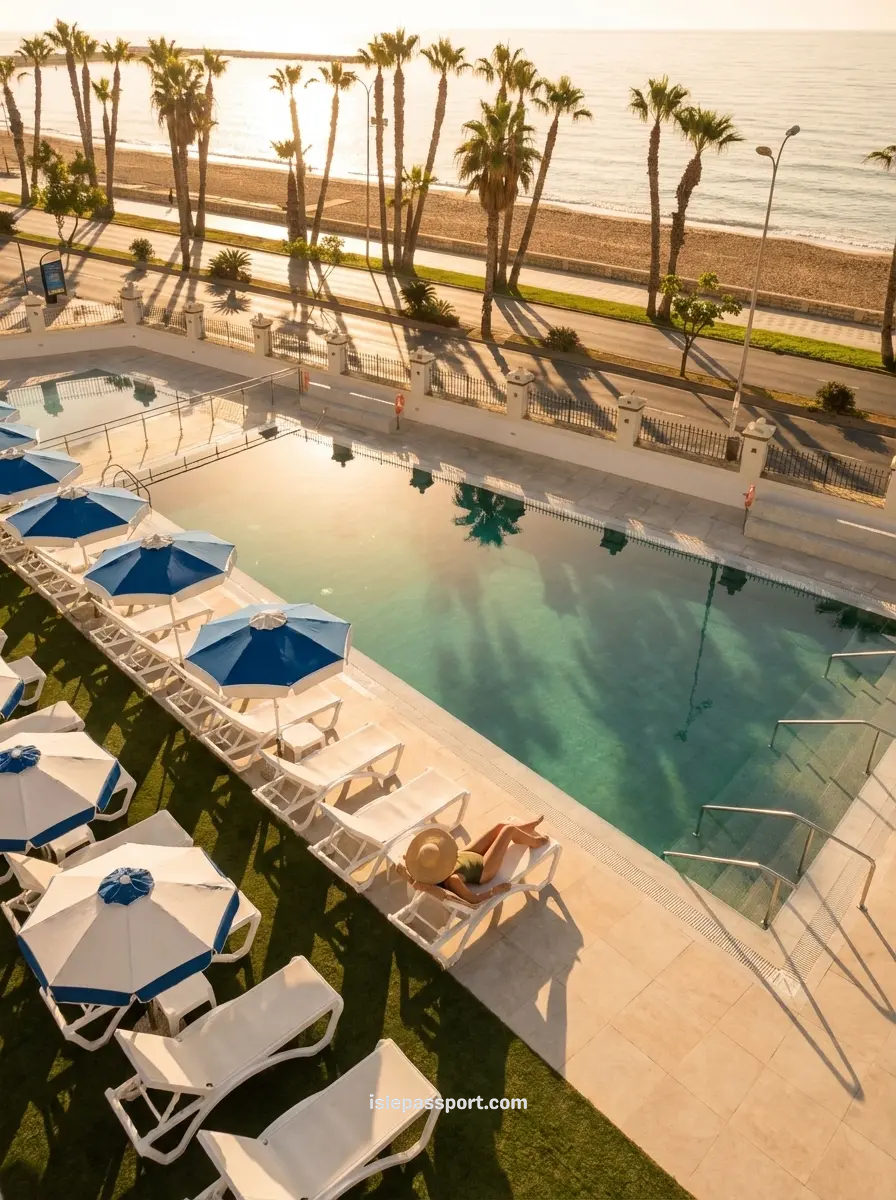
The neighbourhood sits east of the city centre, directly on the seafront. The beach is right there. Not a 20-minute bus ride. Not a short walk that turns into a long one. You step outside and you’re on the promenade.
From La Malagueta you can walk to the historic centre in about 15 minutes along the waterfront. It’s one of the most enjoyable walks in the city, especially in the evening when the restaurants along the promenade are full and the light is going golden over the Cathedral.
The neighbourhood itself has a different character from the Old Town. More residential. High-rise apartments alongside hotels. A longer, calmer beach than you’d expect for somewhere so close to a city centre.
The chiringuitos along the front serve fresh seafood and cold beer and are exactly as good as the setting suggests.
If your question is “best area to stay in Málaga near beach” the answer is La Malagueta. There is no competition.
Best for: Anyone who wants beach access and city access from the same base. Couples. Summer visits. People who like starting the day with a swim and ending it in a good restaurant.
I had a genuinely bad experience once in La Malagueta because I booked based on price and ignored the reviews. The room faced a car park. The beach-view photos on the listing were taken from the lobby.
Now I only book places where recent guests have specifically mentioned the sea view or the location.
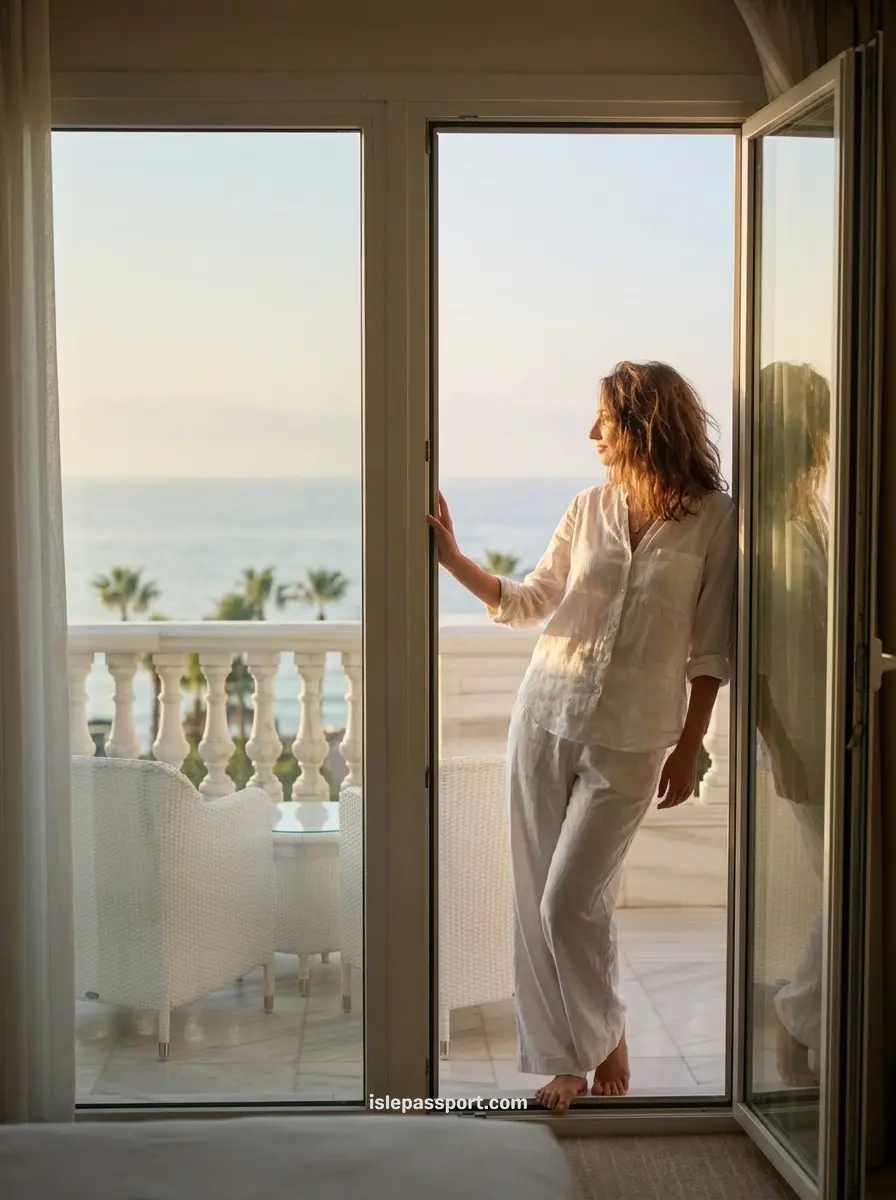
My pick for La Malagueta: Gran Hotel Miramar. If you’re going to splash out anywhere on this coast, the sunrise over the Mediterranean from this building is worth it. Check availability here.
Soho Arts District: Best for Couples

Soho is the neighbourhood that surprised me most in Málaga.
It sits between the historic centre and the port, which on paper sounds like it should be a transitional area you pass through rather than stay in. In reality it’s become one of the most interesting parts of the city.
Street art on every other wall. Boutique hotels in converted buildings. Independent restaurants where the menu changes based on what came in that morning.
The whole area has a creative energy that feels different from the tourist-heavy Old Town. You still get the walkability and the proximity to everything, but the streets are quieter and the places to eat feel more like discoveries than destinations.
For couples specifically, Soho hits a particular sweet spot. It’s not as noisy as the centre at night. It’s not as far from things as the beach neighbourhoods. The boutique hotel options here are some of the best in Málaga for design and atmosphere.
If you love the vibe here but want to see how the rest of the Mediterranean stacks up, check out my breakdown of the best places for coastal living in Spain.
Best for: Couples. Anyone who wants to feel like they’re staying somewhere that hasn’t been completely taken over by tourism. Art lovers. People who prioritise good food over convenience.
The boutique hotels in Soho tend to sell out faster than you’d expect because there aren’t many of them and the neighbourhood has developed a following.
My pick for Soho: ICON Malabar. Small, well-designed, and in the right part of the neighbourhood. The kind of place that feels like a genuine find rather than a hotel booking. If there’s a room with outdoor space available when you search, take it. Check availability here.
Pedregalejo and El Palo: Best for Local Vibes
Pedregalejo and El Palo are what Málaga used to be before anyone wrote travel guides about it.
These two former fishing villages were absorbed into the city as Málaga expanded eastward, but they never quite lost their original character. The streets are quieter.
The restaurants are the kind of places where the owner comes out to explain what’s good that day. The beach feels like a neighbourhood beach rather than a tourist beach.
The main reason to know Pedregalejo is espetos. Grilled sardines on cane skewers, cooked over open fires in small wooden boats pulled up on the sand. It’s a Málaga tradition and Pedregalejo is where you eat them properly.
I’ve had espetos in the centre of Málaga and they’re fine. I’ve had them in Pedregalejo watching the boats come in and it’s a completely different experience.
The chiringuitos along this stretch of beach are also the most authentic in Málaga. Less tourist menu, more whatever was caught this morning.
The trade-off is distance. Pedregalejo is about 4 kilometres east of the centre. You’re not walking into the Old Town for dinner easily. But the 11 bus runs regularly and takes about 20 minutes.
If you’re travelling with kids and want to stay inside Málaga rather than a resort town, Pedregalejo and the neighbouring El Limonar area are the best options.
Quieter residential streets, shallow-water beaches, playgrounds, and a local pace that works well for families. You’re still only a 10-minute bus ride from the main sights.
Best for: Repeat visitors who already know the Old Town. Families. Anyone who wants to eat well and feel like a local for a week. People who specifically want a quieter beach scene.
I’d suggest sorting by guest rating here rather than proximity to the beach because in Pedregalejo the quality gap between places is significant.
My pick for Pedregalejo: skip the big booking platforms for this one and filter specifically by guest mentions of the chiringuitos or the beach walk. The best places here aren’t the most visible ones. Sort by rating above 8.5, read three recent reviews, and trust that process more than the photos. Search the neighbourhood here.
El Perchel: Best Base for Exploring Andalusia
El Perchel is the practical choice. It doesn’t have the character of Soho or the beach of La Malagueta, but it has something that matters more on certain trips: María Zambrano station.
The C1 commuter train from María Zambrano to the airport takes 12 minutes and costs €1.80.
High-speed trains to Madrid, Seville, and Granada leave from the same station.
If you’re arriving late, leaving early, or planning day trips by rail, staying in El Perchel removes an entire layer of logistical stress from your trip.
The hotels around the station are modern, competitively priced, and exactly what you need for a functional base. I stayed here on a trip where I was using Málaga as a hub for day trips to Granada and Seville and it was the right choice. Two minutes from the train every morning. Done.
El Perchel is also the best base if you’re using Málaga as a jumping-off point for Andalusia.
High-speed AVE trains from María Zambrano reach Seville in under 2 hours, Córdoba in about 1 hour, and Granada in 1.5 hours. If your trip is as much about the region as the city, this neighbourhood makes the logistics significantly easier.
Best for: Business travellers. Anyone with early flights. Budget travellers who want to spend more on experiences than the room. People using Málaga as a base for regional day trips by rail.
The price difference between El Perchel and the Old Town is often 25 to 35% for equivalent quality. If you’re spending most of your time out of the hotel, that gap is worth thinking about.
My pick for El Perchel: Room Mate Valeria. Modern, well-priced, and close enough to María Zambrano that an early train doesn’t require an alarm set at an unreasonable hour. For a neighbourhood where the hotel is a base not a destination, this hits the right balance. Check availability here.
Staying Near Málaga Airport
If you have an early flight or a late arrival, the area around El Perchel and María Zambrano station is your best option. The C1 train to the airport takes 12 minutes and runs from early morning.
💡 Are there hotels at Málaga Airport (AGP)?
There are no hotels inside the terminal itself. The Holiday Inn Express Málaga Airport is the closest option, reachable by a short taxi or bus. But most travellers find El Perchel more practical and better value.
Modern rooms, proper restaurants, and the C1 train puts you at the check-in desk in 12 minutes for €1.80. Similar price, significantly better experience.
I’d search El Perchel hotels here and filter by distance to María Zambrano station.
Which Málaga Neighbourhood Is Right for You?
Here’s the honest summary. The neighbourhood you pick changes the entire feel of your trip.
My personal recommendation for most first-time visitors: Centro Histórico if you’re there for 2 to 3 days and want to cover the sights.
La Malagueta if you’re staying longer and want a rhythm that includes morning swims and evening walks.
Pedregalejo if you’ve already done the tourist circuit and want to feel like you actually live there for a week.
Places to Stay Outside Málaga: Best Beach Towns
If you’d rather use Málaga as a day trip than a base, these towns give you more beach for your money. They’re all on the Costa del Sol, all within 45 minutes of the city, and all completely different from each other.
Nerja: Most Picturesque
Nerja is the one I recommend most to people who say they want a “Spanish coastal town” and actually mean it.
It sits about 50 kilometres east of Málaga, which puts it far enough from the city to feel genuinely different and close enough to reach in under an hour.
The defining image of Nerja is the Balcón de Europa. A clifftop promenade above the sea where locals gather in the evenings and the view out over the Mediterranean makes you stop walking and just look.
The beaches here are tucked between limestone cliffs rather than stretching in long flat lines. Burriana Beach is the main one. Calahonda and Carabeillo are smaller and quieter. The water is clear in a way that the beaches closer to Málaga city sometimes aren’t.
Nerja also has the famous Nerja Caves just outside the town. Prehistoric cave paintings and extraordinary stalactite formations. Worth an hour if history interests you.
The town itself has a whitewashed village character that the bigger resort towns west of Málaga completely lack.
It’s more relaxed, more walkable, and more expensive than Torremolinos or Fuengirola, but in a way that reflects genuine quality rather than just premium pricing.
Best for: Couples. Slow travellers. Anyone who wants scenery over nightlife. Photographers.
If you want to explore more of the coastline in this direction, I put together a guide to the hidden coastal spots between Nerja and Málaga. Including some smaller towns most visitors drive past completely.
My pick for Nerja: filter by sea view or Balcón de Europa walking distance and don’t compromise on either. The town is small enough that location matters more here than anywhere else on this list. A bad location in Nerja means a good 15-minute walk every time you want to be near the water. Search with those filters here.
Torremolinos: Best Budget Beach Base
Torremolinos gets unfairly dismissed by people who have never been there.
Yes, it’s a resort town. Yes, it was built for package holidays. Yes, the architecture along the main strip is exactly what you’d expect from 1970s coastal development.
None of that changes the fact that the beach is long and sandy, the water is clean, the prices are genuinely reasonable, and the train to Málaga takes 20 minutes and costs almost nothing.
For a first trip where beach time matters more than boutique character, Torremolinos does the job well. It’s also the most practical option if you’re flying into Málaga airport because the C1 train stops there before it even reaches the city.
Best for: Budget travellers. Beach-focused trips. Groups. Anyone who wants a lively resort atmosphere without pretending otherwise.
💰 Torremolinos has a huge range of accommodation and the quality difference between a highly-rated place and a poorly-rated one is significant.
I’ve found that sorting by guest rating first saves more frustration here than anywhere else on this coast. Search Torremolinos hotels here and don’t book anything below a 7.5 no matter how tempting the price looks.
Benalmádena: Best for Families
Benalmádena works for families in a way that some of the other towns don’t quite manage.
The marina, Puerto Marina Benalmádena, is one of the most visited in Spain. It’s large, well-maintained, full of restaurants, and has a pedestrianised waterfront that works well with children.
The Tivoli World amusement park is nearby. The cable car up to Calamorro mountain gives views over the entire Costa del Sol on a clear day.
The beaches in Benalmádena are sandy and the water is calm. Not the most dramatic scenery on the coast but practical and comfortable for a family base.
Best for: Families. Anyone who wants a mix of beach and activities rather than pure relaxation.
💰 For Benalmádena specifically, I always check whether the hotel is near the marina or further inland because that distance makes a big difference to how much you end up walking with kids.
Search Benalmádena accommodation here and filter by the marina area before looking at anything else.
Fuengirola: Best for Longer Stays
Fuengirola is where people end up when they come to the Costa del Sol for two weeks rather than two nights.
It has a large international community, which means it functions as a real town year-round rather than shutting down in winter.
Fuengirola is also one of the better options if you’re visiting the Costa del Sol outside peak season. I covered which Spanish coastal towns are worth visiting in winter in detail. Fuengirola makes that list for good reason.
Supermarkets, pharmacies, good restaurants that aren’t targeting tourists, a covered market, a proper high street. The kind of infrastructure that matters when you’re staying somewhere for a while.
The beach is one of the longest on the Costa del Sol. The train to Málaga runs every 20 minutes and takes about 30 minutes. It’s not the most glamorous town on this list but it’s one of the most livable.
Best for: Longer stays. Remote workers. Expats visiting the area. Anyone who wants a town that feels functional rather than purely touristy.
💰 Fuengirola has better value accommodation than anywhere else on this stretch of coast at equivalent quality levels.
Search Fuengirola hotels here and you’ll notice the price-to-rating ratio is genuinely better than Nerja or Marbella for similar standards.
Mijas Pueblo: Best for a Different Pace
Mijas sits in the hills above the coast, about 8 kilometres inland from Fuengirola.
It’s not a beach town. It’s a whitewashed hilltop village with views over the entire Costa del Sol that make you understand why people keep talking about Andalusia. The kind of view where you can see the sea from breakfast and the mountains from dinner.
Most people visit Mijas as a day trip. It works extremely well that way. The famous donkey taxis, the miniature bullring, the steep white streets, the ceramic shops. Give it three hours and you’ve seen it properly.
Staying overnight in Mijas is for people who want quiet, views, and a complete contrast to the beach towns below. If that’s what you’re after, it delivers.
Best for: Day trips from Málaga or Fuengirola. Couples who want something different from the resort towns. Anyone who wants that classic Andalusian white village experience.
💰 There are only a handful of places to stay in Mijas Pueblo itself so availability is limited. Check what’s available here well in advance if you want to stay overnight rather than day-trip.
Málaga vs Marbella: Which Should You Base Yourself In?
I’ve stayed in both. They’re good at completely different things and people often pick the wrong one because they’re comparing price rather than purpose.
My recommendation based on trip length: three days or less, stay in Málaga. A week or more on the Costa del Sol, split your time between the two. Málaga for the first half, Marbella for the second.
My pick for Marbella: the highest-rated place within your budget, no exceptions. The gap between average and excellent here is bigger than anywhere else on this coast and the price difference is often smaller than you’d expect. Search by guest rating here.
Getting Around: Practical Bits Worth Knowing
Málaga is one of the easiest cities I’ve navigated without a car and I’ve tried most options including getting it wrong once by renting one.
If you’re planning a longer trip along the coast without renting a car, I put together a full guide to walkable coastal towns in Spain that pairs well with this one.
The C1 commuter train is the most useful piece of transport information you can have for this coast. It runs from the airport through Málaga city centre and then west along the coast to Torremolinos, Benalmádena, and Fuengirola.
The airport to city centre takes 12 minutes. Tickets cost around €1.80. If you’re staying anywhere on that line, you don’t need a car for most of what you’ll want to do.
For Nerja you’ll need a bus or a car. Alsa buses run from Málaga bus station and take about an hour. The journey is easy and the scenery on the way is good enough that it doesn’t feel wasted.
For Mijas Pueblo you need either a car or a taxi from Fuengirola. The views on the drive up make the car the better option if you have one.
One thing worth knowing if you’re planning a day trip to the Caminito del Rey: book your tickets at least six weeks in advance. Daily visitor caps have made last-minute spots almost impossible to find in peak season.
If you’re staying in El Perchel, the early train to El Chorro from María Zambrano gets you there for the first entry slot of the day — which is also the coolest part of the morning to be walking the gorge.
FAQ: Where to Stay Near Málaga
Is it better to stay in Málaga city or a nearby beach town?
Staying in the city gives you more to do, better restaurant options, and easier access to day trips. Staying in a beach town gives you more sand, more space, and lower prices for equivalent quality. For a first visit of 3 to 4 days, the city. For a week-long beach holiday where the priority is the water, one of the towns.
How many days should I spend in Málaga?
3 to 4 days covers the main sights comfortably without rushing. The Alcazaba, Picasso Museum, Cathedral, and the neighbourhood eating and walking take about that long to do properly. If you’re using Málaga as a base for day trips to Granada, Seville, or Ronda, 5 to 7 days gives you the flexibility to do it without feeling pressured.
What are the safest neighbourhoods in Málaga?
Centro Histórico, La Malagueta, and El Limonar are consistently the most comfortable areas. Pedregalejo and Soho are also relaxed and safe. Like any city, normal precautions around the train station area at night are sensible, but Málaga is generally an easy city to move around.
Where should I stay in Málaga close to the train station?
El Perchel sits directly around María Zambrano station. Modern hotels, competitive prices, and a 12-minute C1 train to the airport. If your trip involves early departures or arriving late from a long journey, this neighbourhood removes a lot of stress from the logistics.
Which area is best for nightlife?
Soho and the streets around the Centro Histórico are the most active at night. Plaza de la Merced is the main hub for bars and stays busy until late. La Malagueta is noticeably quieter in the evenings which is a feature not a flaw depending on what you want from your trip.
Málaga vs Marbella — which is actually better?
They’re good at different things. Málaga is better for a city break with culture, history, and a genuine local food scene. Marbella is better for a luxury beach holiday with serious nightlife. Three days or less, Málaga wins. A week on the coast, consider splitting.
Is Málaga safe for tourists?
Málaga is one of the safer cities in Spain. Centro Histórico, Soho, and La Malagueta are well-lit and busy late into the evening. Around El Perchel and the train station area, standard city precautions apply at night but it’s not an area to avoid. Overall the city is walkable and comfortable at most hours.
Do I need a car in Málaga?
No, if you’re staying in the city centre or anywhere along the C1 train line including Torremolinos, Benalmádena, and Fuengirola. The train handles most of what you need. A car is worth considering if you’re staying in Mijas Pueblo, planning day trips to Nerja, or want to explore the Montes de Málaga national park. For the city itself, a car creates more problems than it solves. Parking is expensive and the centre is largely pedestrianised.
Where should first-timers stay in Málaga?
Centro Histórico is the right choice for a first visit. Everything you came to see is within walking distance and the neighbourhood energy in the evenings is some of the best in the city. Book a room above 8.5 guest rating and ask for an interior room if noise is a concern.
Plan Your Stay
Here’s the summary version if you’re in planning mode:
- For first-timers: Centro Histórico
- For beach and city: La Malagueta
- For romance: Soho Arts District
- For the most local experience: Pedregalejo
- For budget and transport: El Perchel
- For the best beach town outside the city: Nerja
- For luxury: Marbella
The neighbourhood matters more than most people realise before they arrive. Get it right and Málaga is one of the most enjoyable cities on the Spanish coast. Get it wrong and you spend your trip walking further than you should.
I’ve made the wrong neighbourhood choice in Málaga and I’ve made the right one. The difference between the two trips was significant enough that I genuinely think this decision matters more than most people expect it to.
Here’s how I’d approach booking this trip:
For day trips and guided tours from Málaga, I’ve used the same platform consistently and the quality has been good. If you’re planning excursions beyond the city — Caminito del Rey, Ronda, or nearby villages — it’s a reliable place to compare options. Browse what’s running here.
If you’re planning more time on the Spanish coast, my Coastal Escapes Spain guide covers the full picture. From the Costa del Sol all the way up to the north, with everything you need to plan the right route for your trip.
💛 Loved this guide?
If it helped you plan your trip or discover somewhere new, you can help me create the next one. Every guide is free to read, independently researched, and made with travellers like you in mind.
