

The Best 7-Day Northern Spain Itinerary: Basque Coast, Cantabria, Asturias & Galicia

☕ Reader-supported. Every guide is free to read, with no sponsored recommendations. If Isle Passport helps you plan better trips, you can help create the next guide.
If you’re planning the ultimate Northern Spain itinerary, 7 days is the exact number I’d defend every time.
The north isn’t a condensed version of Spain. It’s a completely different country from the one in every travel magazine. No scorched plains, no package-holiday beaches, no flamenco for tourists.
What you get instead is the Atlantic crashing into green cliffs. Four regions each with their own language and food culture, and a coastal road that runs nearly a thousand kilometres without ever getting boring.
Southern Spain is iconic. Northern Spain is the one that changes how you think about the country.
I drove the entire northern coast. From San Sebastián all the way to Santiago de Compostela, every coastal detour I could find. And this is the itinerary I’d do again tomorrow without changing much.
Not because it’s perfect, but because it’s honest: the route that actually worked, with the stops that were worth it and the ones I’d skip included too.
Could you spend more time? Absolutely. The north rewards slow travellers and I’ve met people who come back year after year just for Asturias alone.
But seven days gives you the coast, the food, the mountains, and the culture without burning out. Four regions done properly, not just passed through.
Your Northern Spain Itinerary: 7 Days at a Glance
7-Day Northern Spain Coastal Route
| Day | Route | Drive | Overnight |
|---|---|---|---|
| 1 | Arrive San Sebastián | — | San Sebastián |
| 2 | San Sebastián → Getaria → Gaztelugatxe → Bilbao | ~140km / 2.5h | Bilbao |
| 3 | Bilbao (city day) | — | Bilbao |
| 4 | Bilbao → Santillana del Mar → Cantabrian coast | ~115km / 2h | Comillas or San Vicente |
| 5 | Cantabrian coast → Oviedo | ~120km / 2h | Oviedo |
| 6 | Oviedo → Picos de Europa → Llanes coast | ~80km / 1.5h | Llanes area |
| 7 | Llanes → Santiago de Compostela | ~320km / 3.5h | Santiago or fly home |
Total driving: approximately 800km over 7 days. Manageable. The coastal roads add time to Google’s estimates — always build in an extra 30–40 minutes per day for the routes I recommend.
Is 7 Days Enough for Northern Spain?
Seven days is enough to see the best of the north and feel like you actually lived it rather than just checked it off. You’ll cover the Basque Country, Cantabria, Asturias, and Galicia. Four distinct regions with their own food, languages, and personalities.
Could you spend longer? Absolutely. I did. But seven full days driving west along the coast gives you the architecture, the food, the mountains, and a few genuinely secret spots along the way. It’s enough to fall in love with the place. Which is usually enough.
If you’ve already explored the south, you’ll find more guidance on planning your broader Spanish coastal journey in this overview of Spain’s coastline by region. And if you’re deciding between north and south, the guide to Northern Spain’s coastal towns might help you decide where to focus.
How to Get Around Northern Spain
Rent a car. Full stop.
I drove this entire route and I can’t overstate how much the car changed the experience. The train is fine between the big cities, but it cuts you off from the Cantabrian coast, the Picos de Europa, the tiny fishing villages, and everything in between. Which is where Northern Spain actually lives.
Pick up your car in San Sebastián or Bilbao (both have international airports) and drop it off in Santiago de Compostela. Book well in advance if you’re going in summer.

A few driving notes:
The AP-8 toll motorway runs parallel to the coast if you need to make up time. Efficient but you’ll miss everything worth seeing.
The coastal roads (especially the N-634) are beautiful but slow. Build in more time than Google Maps suggests.
Parking in San Sebastián and Bilbao is expensive and stressful. Use park-and-ride options on the city outskirts.
Your 7-Day Northern Spain Itinerary: Day-by-Day Breakdown
Before you dive in. If you want to travel this route without a browser tab open every five minutes, I made something for exactly that.

→ View the Full Map
Day 1 — San Sebastián: Pintxos, Beaches & the Old Town
Start in San Sebastián. It’s the obvious beginning for this route. It sits right on the French border, it has the most straightforward transport connections, and it’s one of the best food cities in the world. Easy justification.
Most itineraries tell you to ‘explore the Old Town.’ But the thing about San Sebastián’s Parte Vieja is that you don’t need to plan it. You just wander in and follow your nose to the bars. What I’ll give you instead is a sequence that actually works.
Morning: La Concha Beach
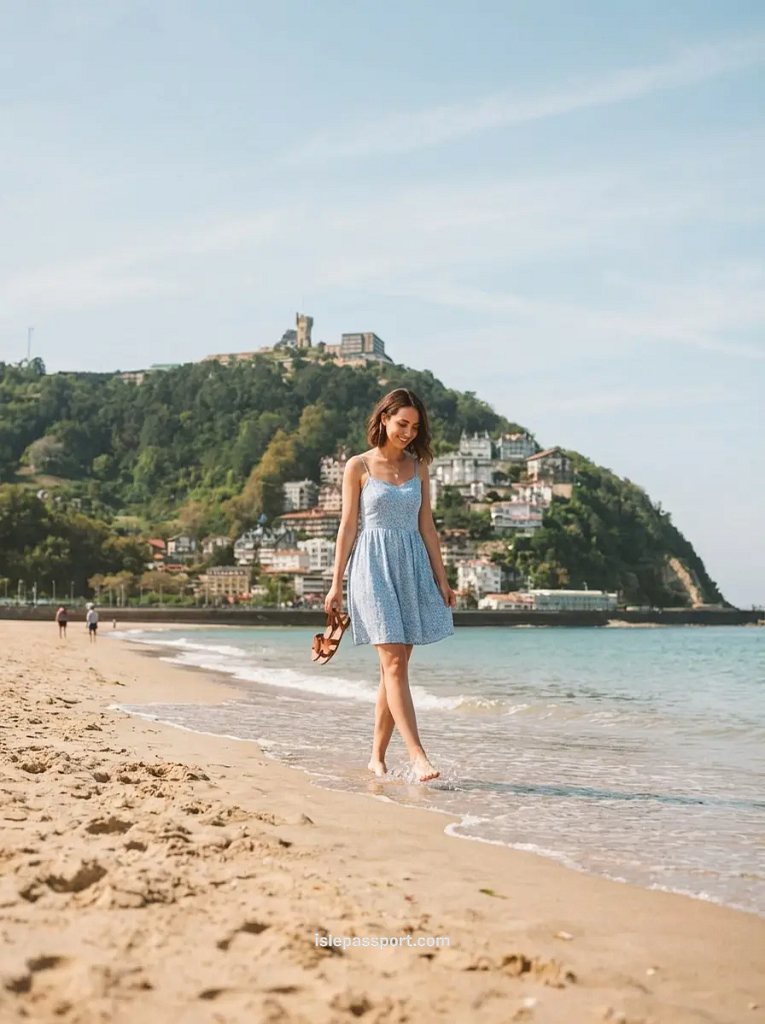
Get there early. La Concha is one of the most beautiful city beaches in Europe. A perfect crescent bay with calm water and the old town rising on the hill behind it. By 10am it fills up. By noon in summer it’s shoulder-to-shoulder. Go at 8am, walk the promenade, and you’ll have it almost to yourself.
The water is genuinely swimmable from June through September. This isn’t the grey, freezing Atlantic you might expect. It is part of why San Sebastián belongs on any honest ranking of the best beaches in northern Spain.
Late morning into afternoon: Parte Vieja
Walk from La Concha up into the old town. Here’s how pintxos work: bars put out trays of bite-sized snacks along the counter. You take what you want, order a small glass of txakoli or local beer, and the bartender counts your toothpicks at the end.

Calle Fermín Calbetón is the classic starting point. Just go into the ones that look busy. Locals don’t eat pintxos at 1pm; they do it from 7pm. Come back in the evening if you want to do it properly.
Afternoon: Monte Urgull
My favourite thing in San Sebastián, though, is Monte Urgull. The hill at the eastern end of the old town. Walk up to the fortress and the Christ statue at the top. The view over the bay is extraordinary, and almost nobody makes the climb. (It takes 20 minutes.)
Then cross the river to Gros, the younger neighbourhood on the east side. Good coffee shops, fewer tourists in the pintxos bars, and Zurriola beach faces the open ocean and draws surfers year-round.
Nearest airport: San Sebastián (EAS), 20 minutes; Bilbao (BIO), 1 hour; Biarritz (BIQ) France, 45 minutes
Where to sleep tonight: Splurge: Hotel de Londres y de Inglaterra. Directly on La Concha bay, the best hotel position in the city
Mid-range: Hotel Niza. La Concha views at a much better price point
Budget: Pensión Aldamar. Right in the Parte Vieja, simple and well-placed
Activity worth booking: Evening pintxos tours. A good guide changes what you eat and where you eat it significantly
Day 2 — Basque Coast: Getaria, Gaztelugatxe & Bilbao
Drive: San Sebastián → Getaria → Gaztelugatxe → Bilbao | ~140km | allow 3–3.5 hours including stops
Here is where most itineraries go straight to Bilbao on the motorway. Do not.
Morning: Hondarribia (optional 45-minute detour)
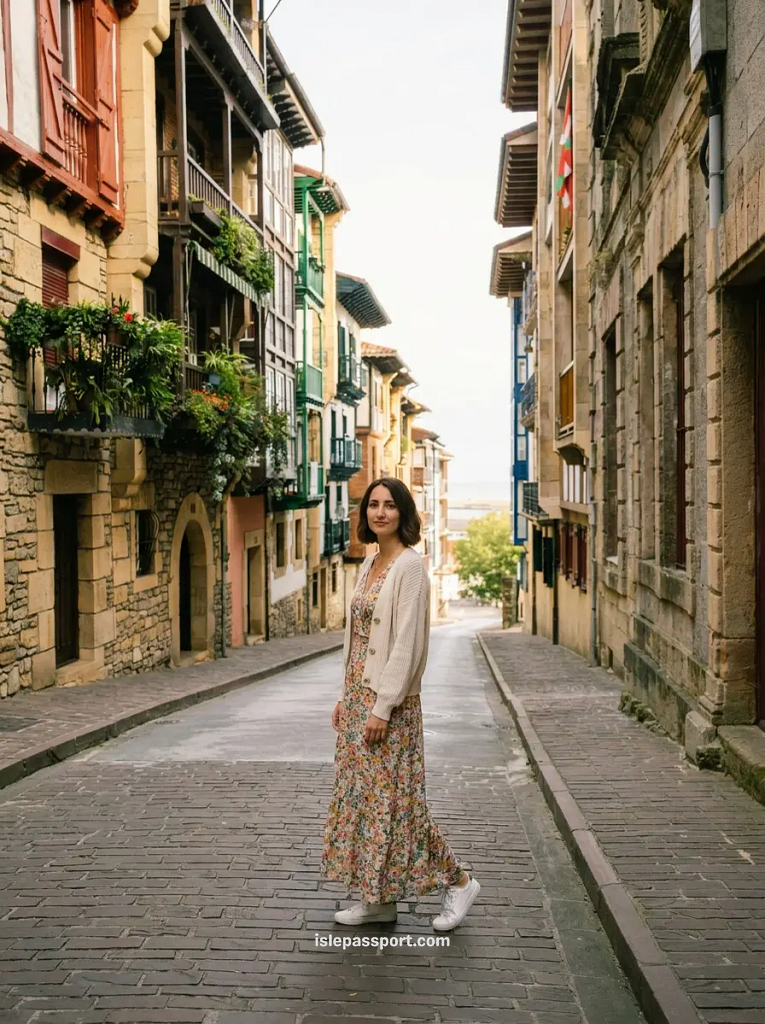
If you are leaving before 9am, twenty minutes east of San Sebastián sits Hondarribia. A fortified medieval town right on the French border with coloured houses, flower-draped balconies, and a working fishing marina.
Walk the upper walled town for 45 minutes. Take the three-minute ferry across to Hendaye, France, for coffee and a croissant. Come back. Drive west.
Late morning: Getaria
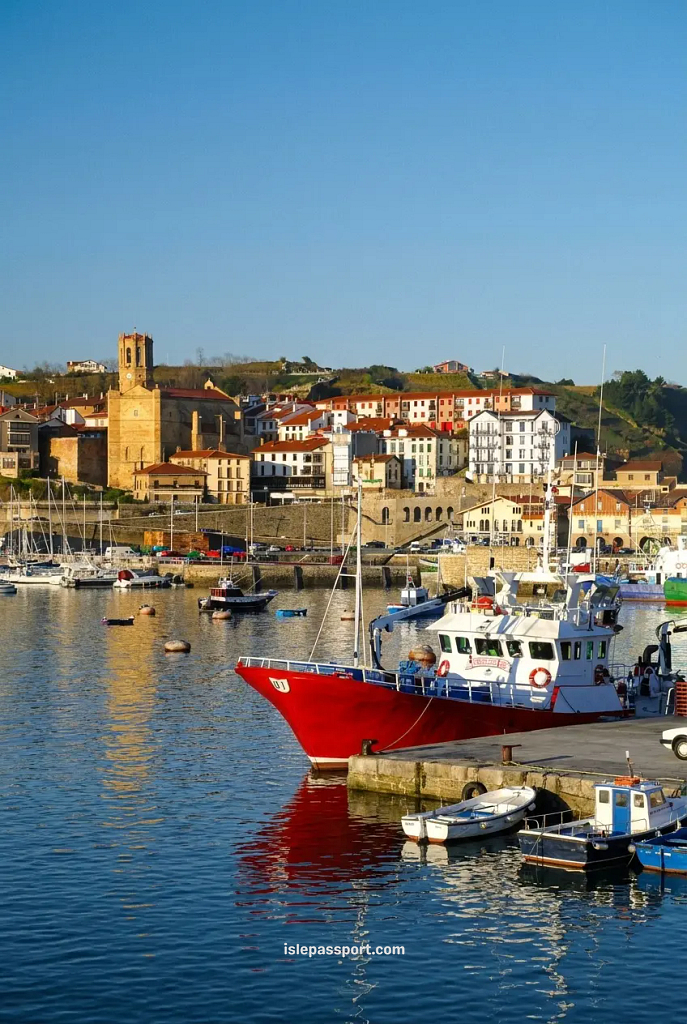
Getaria is where Basque seafood cooking reaches something close to its purest form. A tiny fishing village on a peninsula jutting into the Atlantic. The turbot and sea bass grilled over charcoal here are as good as anything I have eaten in Spain. Come hungry, order whatever they caught that morning, eat on the terrace.
Afternoon: San Juan de Gaztelugatxe
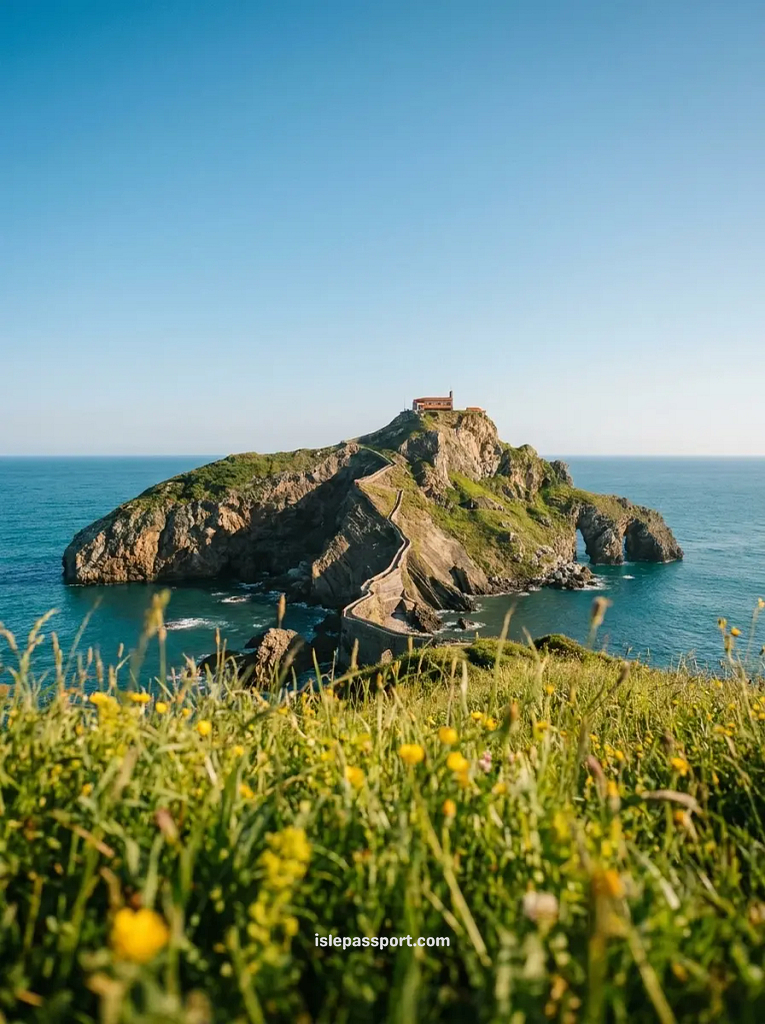
This is the stop most itineraries bury in a footnote. It should not be.
San Juan de Gaztelugatxe is a small hermitage church perched on a rocky islet connected to the mainland by a dramatic stone bridge and a path of 241 steps. The views from the top.
Over the Bay of Biscay, back along the cliffs, out to the open Atlantic. Are among the most extraordinary I have seen anywhere in Spain. You will have seen it if you watched Game of Thrones; it appears as Dragonstone. Real life is better.
Parking is limited in peak season. Book timed access in advance through the Basque Country tourist portal if visiting July–August. Allow 1.5–2 hours including the walk.
Evening: Arrive in Bilbao
Come into Bilbao in the late afternoon. Walk along the river. Orient yourself. The Guggenheim is tomorrow.
Where to sleep tonight:
Splurge: Hotel Marqués de Riscal by Gehry — outside the city in Rioja, extraordinary building, worth it for one night
Mid-range: Gran Hotel Domine Bilbao — directly opposite the Guggenheim, the obvious position
Budget: Letoh Letoh Bilbao — fantastic value in the historic centre
Day 3 — Bilbao: Guggenheim, Casco Viejo & Where Locals Actually Eat
Bilbao surprises almost everyone. Before the Guggenheim opened in 1997, it was an industrial port city in decline. Now it’s architecturally extraordinary. But it hasn’t lost the rough, working-class edge that makes it feel real rather than performed. I like it more than San Sebastián, if I’m honest.
Morning: Guggenheim Museum
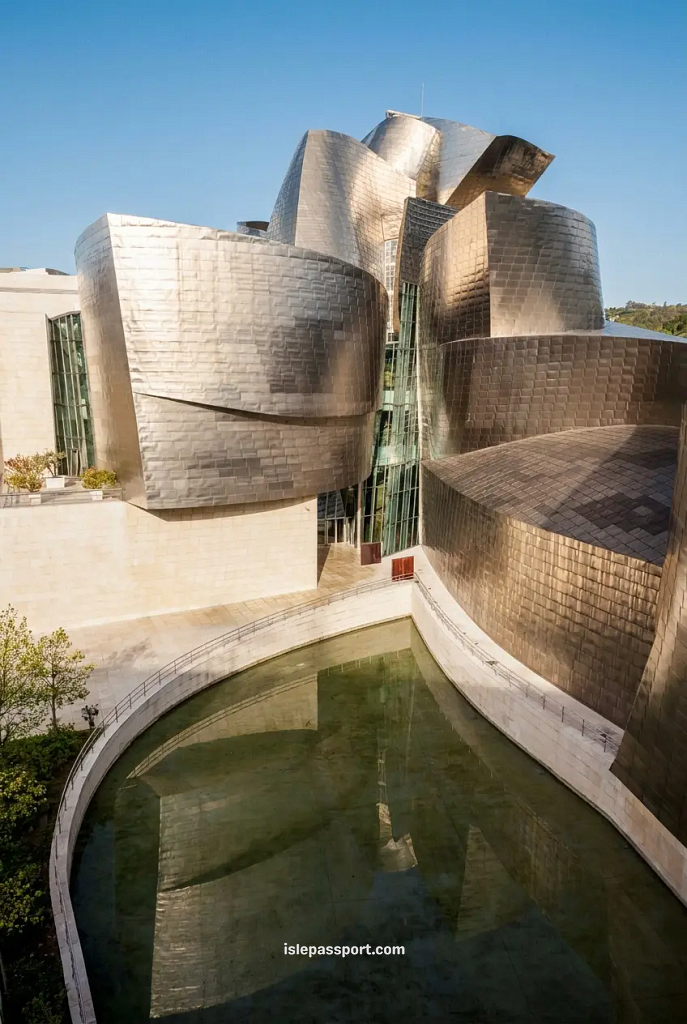
Yes, you have to go. Even if contemporary art isn’t your thing, Frank Gehry’s building is one of the most significant pieces of architecture of the last century. Book tickets online in advance (€16 standard entry). Allow two to three hours if you want to actually see the collection inside.
Afternoon: Casco Viejo

The old town sits on the right bank of the river. The Siete Calles, a compact grid of streets, pintxos bars, and the Mercado de la Ribera (the largest covered market in Europe, right on the riverbank). El Globo on Calle Diputación has been open since 1918 and the croquetas are extraordinary. Do not skip the market.
Bilbao’s pintxos bars are arguably better than San Sebastián’s, at least if you prefer your bar stools slightly battered and your prices lower. The evening here is the other one worth planning properly.
Second night in Bilbao — same hotel as Day 2 or browse alternatives here
Activity: Guggenheim guided tours — context changes everything in contemporary art
Day 4 — Cantabria: Santillana del Mar, Altamira Caves & the Coast
Drive: Bilbao → Santillana del Mar → Cantabrian coast | ~115km | allow 2 hours direct, more with stops
Drive west out of Bilbao and cross into Cantabria. More pastoral, more open, with the Cantabrian mountains visible behind and the coast widening ahead.
Morning: Santillana del Mar
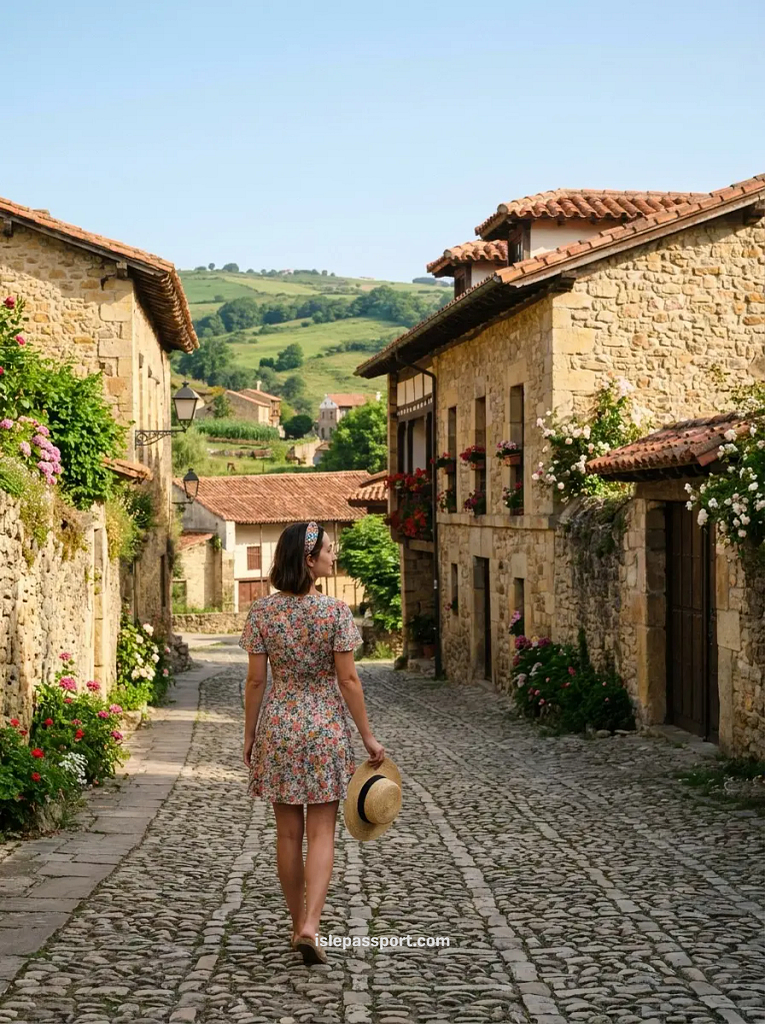
One of the best-preserved medieval villages in Spain. Walk the main cobbled street end to end. Look at the Romanesque collegiate church, have a coffee outside. One hour is plenty; two if you’re a history obsessive. Have coffee sitting outside the church before the day-trippers arrive.
Mid-morning: Altamira Museum
The Museo de Altamira has a full-scale replica of the Palaeolithic cave paintings (36,000 years old) found here. Worth two hours and the €3 entry fee.
Afternoon: The Cantabrian coast
Drive north to the coast. The hidden towns along Northern Spain’s coast, several of them are along this exact stretch. Comillas has an early Gaudí building (El Capricho) and a good beach. San Vicente de la Barquera has a medieval castle above a wide estuary. The drive in, with the mountains behind, is one of the better views on this whole route.
Stay overnight somewhere along this stretch. I liked the area around Comillas and Oyambre beach.
Where to sleep tonight (Comillas or San Vicente area):
Best position: Hotel Cis, Comillas — quiet town, walking distance to everything
Mid-range: Hotel Luzón, San Vicente de la Barquera — above the estuary, excellent views
→ Get the Map
Day 5 — Into Asturias: Oviedo & Cider Culture
Drive: Cantabrian coast → Llanes → Oviedo | ~120km | allow 2–2.5 hours with one stop
Cross into Asturias and you will feel the shift. Even greener than Cantabria, more mountainous, with a fierce regional identity built around cider, cheese, and fabada.
Morning stop: Llanes coast
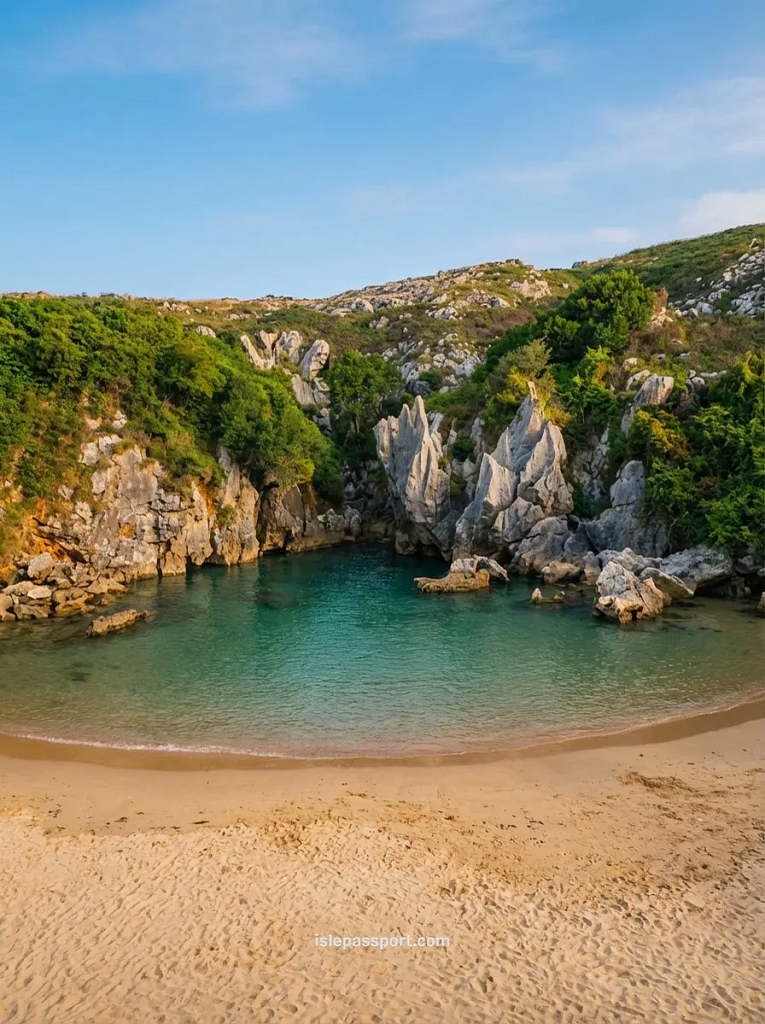
Before you reach Oviedo, drive through Llanes on the coastal road and stop at Playa de Gulpiyuri. It is one of the strangest beaches in Spain. A small oval of sand surrounded entirely by green meadows, with the sea entering through an underground cave tunnel in the cliff. You will not swim here (it is too small). You will stand and look at it for longer than you expect.
If you are spending a night in the Llanes area on Day 6, make a note of Playa de Torimbia at the same time. A steep 20-minute walk down to a golden crescent cove with the clearest water on the Asturian coast. The full breakdown of what is worth the walk in this region has access notes and tide timing.
Afternoon and evening: Oviedo
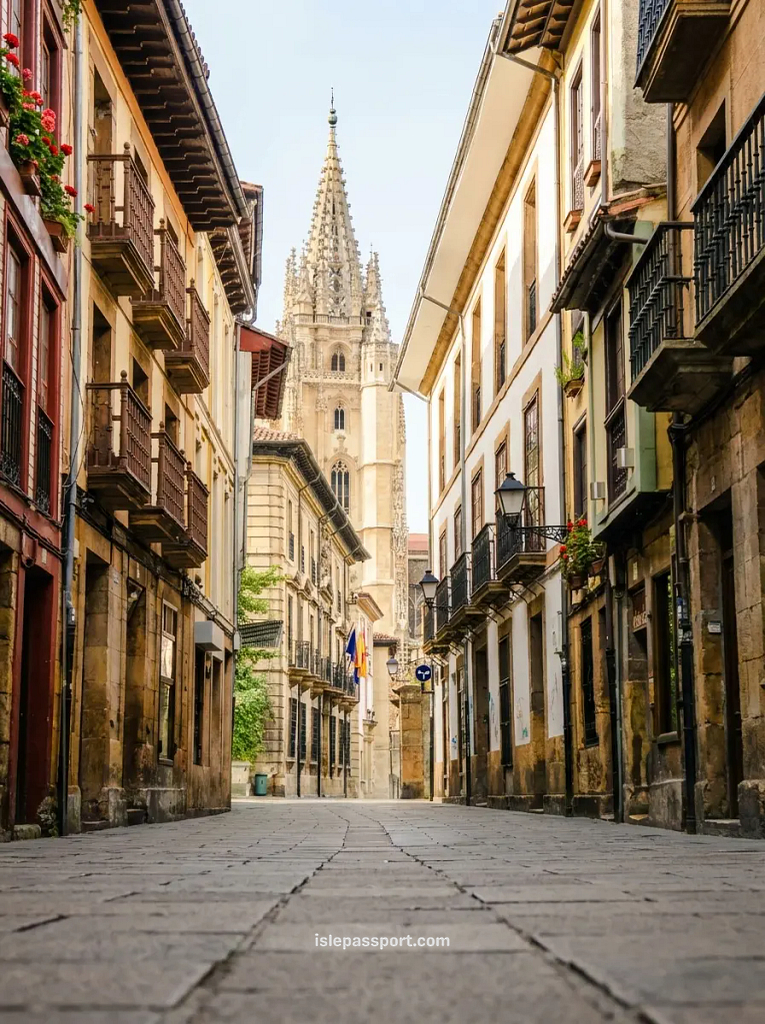
The main thing to do in Oviedo is drink cider. Asturian sidra is poured with the bottle held high above the waiter’s head, creating a thin stream that aerates as it falls. You are meant to drink the small portion immediately. This is called escanciado, it is an art form, and the waiters do it while talking to someone else without looking.
Calle Gascona (known locally as the Bullebar) is the street to find. Order the sidra, order the fabada (Asturian bean stew — one of the great stews of the world), and do not rush.
The cathedral in Oviedo is also genuinely worth an hour in the morning before you leave. Pre-Romanesque Asturian architecture that predates most of what you will have seen on this trip by several centuries.
Nearest airport: Oviedo/Asturias (OVD), 45 minutes
Where to sleep tonight: Splurge: Hotel de la Reconquista — an 18th-century baroque building, the most atmospheric hotel in the city
Mid-range: Hotel Eurostars Acteón — central, reliable, good value
Budget: Hotel Favila — honest price, central position
Day 6 — Picos de Europa & the Hidden Coast
Drive: Oviedo → Picos → Llanes coast | ~80km | allow 1.5 hours base, much longer with walking.
This is the day most itineraries skip. Do not.
Morning into early afternoon: Picos de Europa
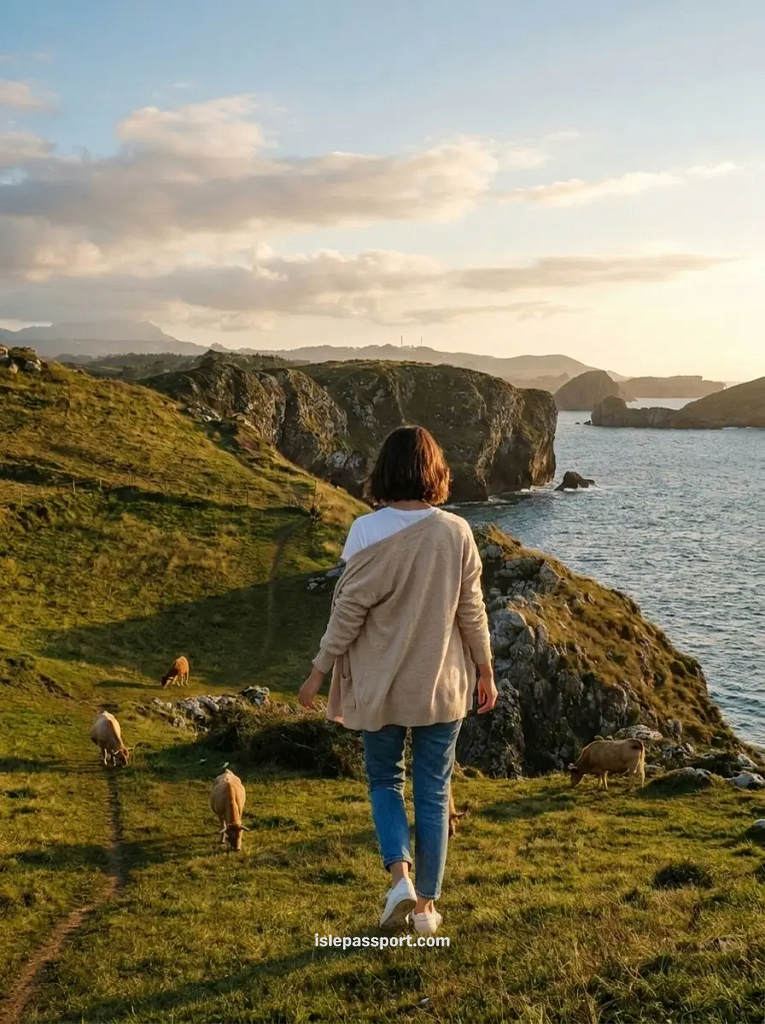
The Picos de Europa mountain range rises just inland from the coast — jagged limestone peaks over 2,600 metres, riddled with gorges and river valleys, and one of the oldest national parks in Spain.
The Cares Gorge (Ruta del Cares) is the classic walk: a 12-kilometre path cut directly into the rock face above a deep river gorge. Allow four to five hours return. Bring water and start early — we arrived at 10am in July and it was already busy. Leave at 7am if you can.
If you only have a half-day for the Picos, the drive up to Covadonga Lakes (Lagos de Covadonga) gives you mountain scenery without the walk. Allow two hours return from the main road.
Late afternoon: The hidden Asturian coast
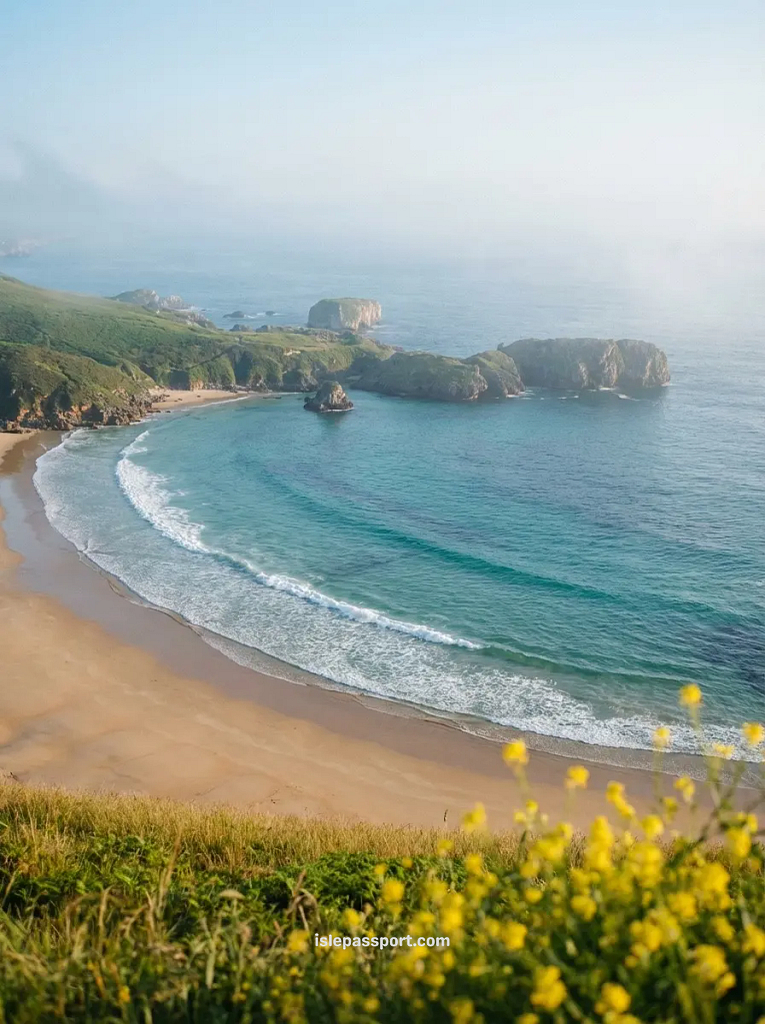
Come back down to the coast in the afternoon and drive slowly west. Northern Spain’s least-talked-about coastal towns are concentrated here.
Playa de Torimbia near Llanes is a steep 20-minute walk down a grassy hill to a crescent of gold sand enclosed by green cliffs — naturist-friendly, clear water, almost nobody there if you hit a weekday morning. On calm summer days this is one of the best swims in Spain.
Playa del Silencio, near Cudillero further west, is a perfectly quiet cove in a natural rock amphitheatre, reached by a 10-minute walk from a small car park. The name translates as Beach of Silence. It earns it.
Where to sleep tonight (Llanes area): Most atmospheric: Hotel Posada del Rey, Llanes — historic building in the old town
Best value: Hotel Don Paco, Llanes — well-positioned, reliable.
Activity: Guided kayaking along this stretch of coastline — the sea caves are unreachable on foot and excellent from the water
Day 7 — Santiago de Compostela: The Grand Finale
Drive: Llanes → Santiago de Compostela | ~320km | allow 3.5–4 hours direct
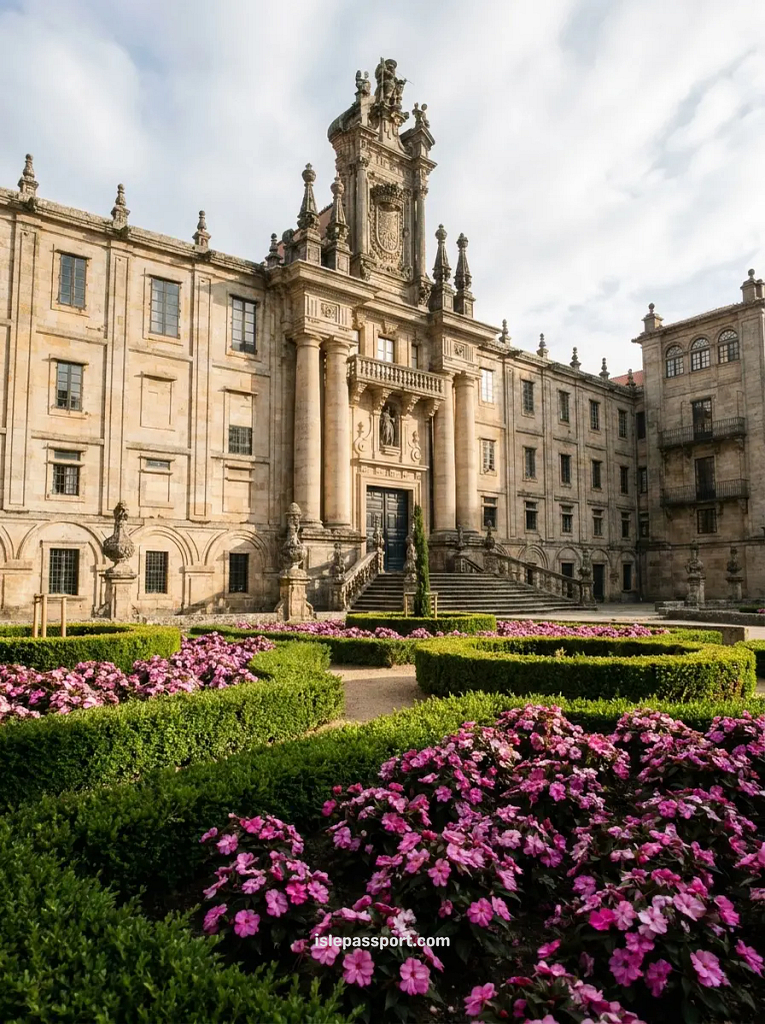
The final drive west takes you into Galicia. Celtic Spain — granite hills, eucalyptus forests, a coastline that is as beautiful as anything you have seen this week. Take the A-8 motorway for this stretch; it is a long day and the road is the transition, not the destination.
If you have time: Ribadeo detour
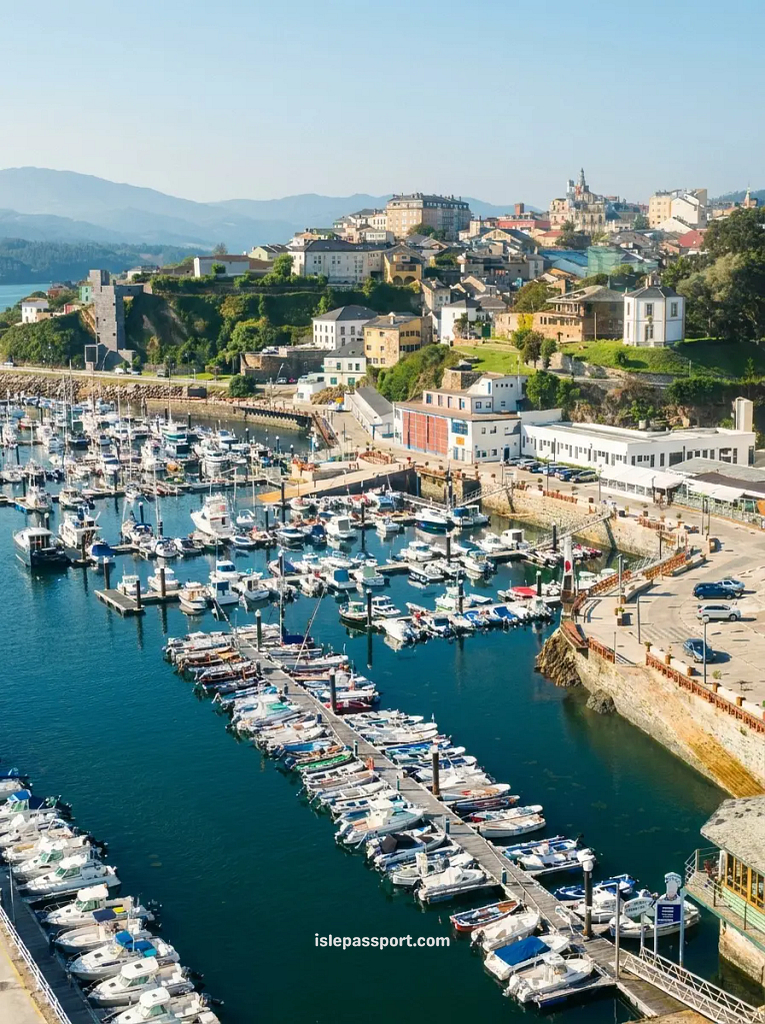
If you are not flying home today and can stop overnight, Ribadeo sits on the Galicia–Asturias border and is twenty minutes from Playa de las Catedrales — the giant rock arches that only reveal themselves at low tide. Worth a night if your schedule allows. Check current access reservation requirements before you go, as peak season requires a timed booking.
Afternoon into evening: Santiago de Compostela
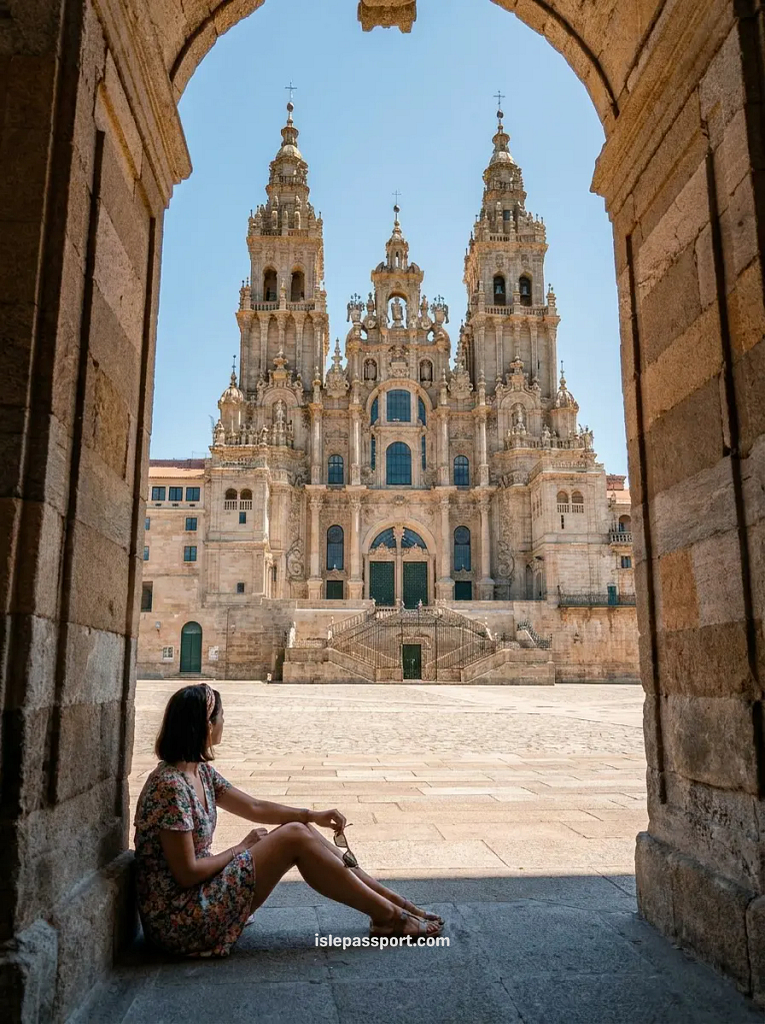
Walk into the Praza do Obradoiro and give yourself a moment. Even if you have not walked the Camino, even if you have no religious feeling whatsoever, the facade of the Cathedral is extraordinary. The proportions are absurd in the best possible way.
Go inside. The main altar, the pilgrims completing their journeys, the Botafumeiro — a massive incense burner swung on cables across the transept that you need to check the schedule for in advance. One of the more memorable interiors you will find anywhere in Europe.
Mercado de Abastos — late afternoon
The covered market in Santiago is the best place to eat in the city. Open until about 3pm most days. The octopus (pulpo a la gallega) is the thing: boiled, cut with scissors, dressed with olive oil, paprika, and sea salt. You eat it standing at a market stall on a wooden plate.
Have a glass of Albariño. You have covered a lot of ground this week.
Nearest airport: Santiago de Compostela (SCQ), 12km from the centre
Where to sleep tonight (if you have a final night): Once-in-a-lifetime: Parador de Santiago — Hostal dos Reis Católicos — directly on the cathedral square, one of the oldest hotels in the world. Worth the price for one night.
Mid-range: Hotel Monumento San Francisco — a converted 13th-century convent, beautiful
Budget: Hotel Virxe da Cerca — simple, clean, well-placed in the old town
Budget Breakdown for 7 Days in Northern Spain
Costs vary significantly by season and travel style, but this gives you a realistic framework:
| Category | Budget / day | Mid-range / day | Splurge / day |
|---|---|---|---|
| Accommodation | €40–60 | €80–140 | €150–300+ |
| Food (3 meals + drinks) | €25–35 | €40–65 | €70–120+ |
| Car rental | €20–25 | €30–40 | €45–70 |
| Fuel (shared across 7 days) | ~€10 | ~€10 | ~€10 |
| Attractions + activities | €5–10 | €15–25 | €30–60+ |
| Total per day | ~€100–140 | ~€175–280 | €300–560+ |
Things that cost nothing: La Concha beach, Monte Urgull walk, Cares Gorge hike, Playa de Torimbia, most old towns and promenades, watching cider being poured.
Things worth paying for: Guggenheim entry (€16), Altamira Museum (€3), one night in a Parador on this route (Santiago or Ribadeo), a proper pintxos tour in San Sebastián.
For the most affordable town choices across the north, the Atlantic towns that haven’t made international radar yet run 40–50% cheaper than San Sebastián for similar quality.
Where to Stay in Northern Spain
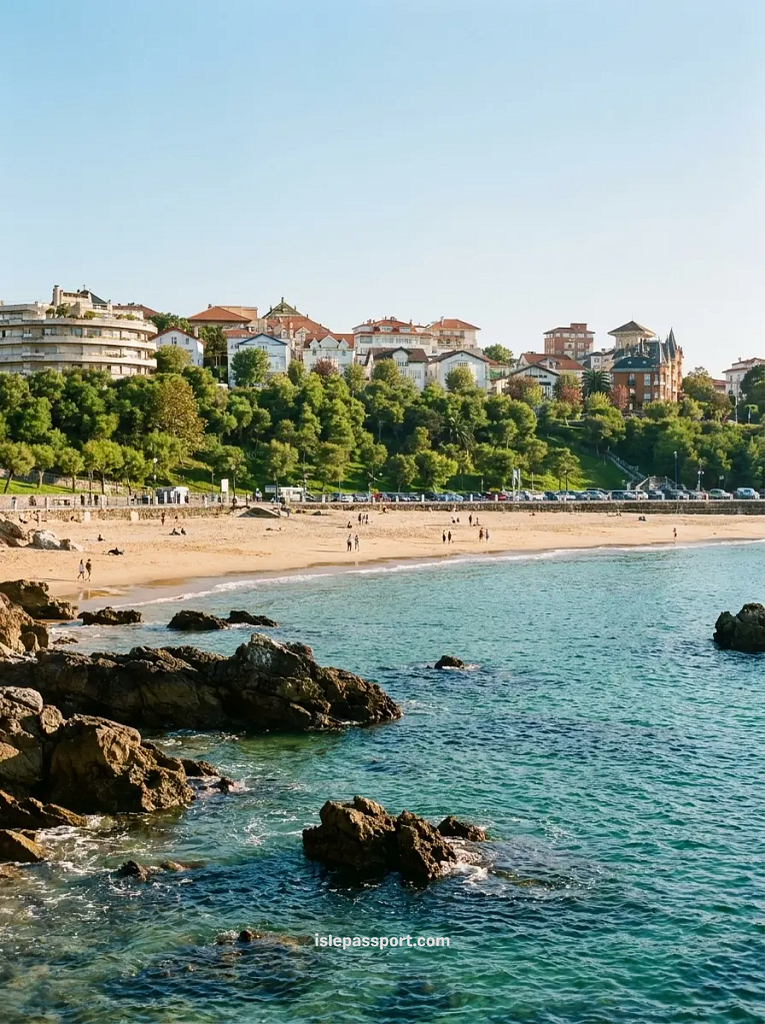
For detailed guidance on accommodation across all four regions. Specific towns, areas, and what to look for.. my full Northern Spain accommodation guide goes into the detail this section can’t.
Short version: stay central in San Sebastián and Bilbao (walking distance to the old towns), and on the coast or in small towns for everything else. Book well in advance from June through August.
Best Time to Visit Northern Spain
September is the answer for most people. The water has had all summer to reach its warmest. The crowds thin. The light is remarkable — long golden evenings, mist burning off the rías in the morning. The food is the same; the queues are shorter.
June is my second recommendation. Quieter than September, prices lower, the landscape is at its greenest, and La Concha is warm enough to swim by the end of the month.
July and August are the busiest months. San Sebastián and Bilbao fill up, accommodation in Llanes books out months ahead, and Gaztelugatxe requires timed reservations. Still worth it — just plan earlier than you think necessary.
Spring (April–May) is beautiful for driving and walking. The coast is almost empty. The sea is too cold for comfortable swimming, but if beaches are not your priority, this is genuinely lovely.
For how the north fits into a wider Spanish trip that also covers the south or the islands, how the different Spanish regions connect for a longer journey is worth reading before you book flights.
What I’d Do Differently
- I’d give Asturias an extra day. It’s the region I cut shortest and regretted most. The food alone. Fabada, cachopo, sidra, fresh seafood. Could anchor two full days without trying.
- I’d skip the Guggenheim interior on a first visit if time was tight. The building is the thing. Go inside on a second visit.
- I’d drive the coastal road every single day rather than the motorway. Every time I took the motorway to save time, I arrived somewhere slightly less grateful to be there.
- I’d book the Cares Gorge walk for early morning. We arrived at 10am in high summer and it was already busy. Start at 7am if you can.
- I would add one night in Ribadeo — specifically to see Las Catedrales at low tide in the morning light. That is the one thing I did not do on my first pass and have gone back for since.
Want This Trip Planned for You?
This itinerary works as a framework. But every trip is different. Maybe you have eight days instead of seven. Maybe you’re travelling with kids. Maybe you want to slow down in Asturias and skip Bilbao’s museums entirely. Maybe you just want someone who’s actually driven this route to tell you exactly where to stop, where to eat, and what to skip.
That’s what I do.
I offer custom itinerary planning for Northern Spain. A one-on-one service where I build your specific route from scratch based on your travel dates, travel style, pace, and what matters most to you. You get a day-by-day plan with specific restaurant recommendations, accommodation suggestions, driving times, and the kind of detail that takes weeks to research on your own.
No generic PDFs. No copy-paste from a template. Just a route built around how you actually want to travel.
→ Book a Custom Northern Spain Itinerary. Reply with your travel dates and I’ll be in touch within 48 hours.
Planning a longer trip? Spain\’s hub maps out how the north connects to the rest of the country and which combinations work best depending on your time.
More Northern Spain Reading
- The swimmable beaches worth planning your trip around — with water temperatures, access notes, and tide timing
- Where to base yourself in each region — neighbourhood breakdowns and hotel picks beyond what fits in an itinerary post
- Smaller coastal towns that reward a slower pace — for anyone extending beyond 7 days
- The Atlantic towns no one is writing about yet — where prices are lower and the crowds are not
- What Spain’s coastline actually looks like by region — useful before you decide how northern Spain fits into a bigger trip
- What to actually pack for a coastal road trip in Spain — the packing framework transfers across Spanish coastal trips
- Spain in winter — which parts of the north hold up — if you are considering the off-season
Before You Book: The Tools I Actually Use
I only link to tools and platforms I’ve personally used and would use again. If you book through my links I earn a small commission at no extra cost to you — which helps me keep writing these guides.
Sort by guest rating above 8.5 and check the map view before confirming.
Book as soon as you confirm flights. Summer prices in the islands rise fast.
Routes sell out in July and August. Book early for Spanish islands.
Boat tours, kayaking, guided hikes. Morning slots go first.
I never travel without it — covers illness, cancellations, and lost luggage.
The easiest way to move between coastal towns without a car. Prices rise closer to departure.
💛 Loved this guide?
If it helped you plan your trip or discover somewhere new, you can help me create the next one. Every guide is free to read, independently researched, and made with travellers like you in mind.
