

Best Time for Island Hopping in Greece: Month-by-Month Guide

If you’re trying to figure out the best time for island hopping in Greece, you’re probably stuck in the same place I was before my first trip: summer seems like the obvious answer.
Sun, blue water, long days, ferries everywhere — right?
I’ll be honest with you. After island hopping in Greece multiple times and traveling there in different seasons, I’ve learned that summer is often the hardest time to island hop — not the easiest.
Most people choose the wrong month for island hopping in Greece — and only realize it when a ferry gets canceled or an island is fully booked.
When I first visited Greece back in 2017, I planned everything around July because I assumed that’s when island hopping “works best.”

What I didn’t understand yet was how much ferries, wind, crowds, and seasonality actually affect your experience. Since then, I’ve island hopped during shoulder season, peak summer, and early fall — and the difference is massive.
Island hopping isn’t about weather alone. It’s a logistics game.
Ferry schedules change by season. Wind patterns can cancel boats. Some islands feel magical one month and completely overwhelming the next.
This guide breaks down when island hopping actually works, month by month, so you can choose the right time for your kind of trip — not just the most popular one.
This guide is based on firsthand travel experience island hopping in Greece across multiple seasons, combined with real ferry logistics and seasonal patterns travelers actually encounter.
Quick Answer — When to Go Island Hopping in Greece

If you just want the short answer before diving into details, here it is.
The best time for island hopping in Greece for most travelers is June and September.
- June gives you full ferry schedules, warm weather, and manageable crowds.
- September gives you warm seas, fewer tourists, and a much calmer overall experience.
Late May is excellent if you want fewer crowds and don’t mind slightly cooler water. July and August are the most difficult months due to crowds, price spikes, and strong Meltemi winds that can disrupt ferry travel.
If it’s your first time island hopping in Greece and you want the smoothest experience possible, June is the safest choice.
Best Months to Visit the Greek Islands (At a Glance)
| Month | 🌤️ | ⛴️ | 👥 | Overall Verdict |
|---|---|---|---|---|
| April | Mild | Low–Medium | Very Low | Quiet but limited |
| May | Pleasant | Medium | Low | Great if flexible |
| June | Warm | High | Medium | Best overall |
| July | Hot | Medium (wind risk) | Very High | Stressful |
| August | Very hot | Medium | Extreme | Worst |
| September | Warm | High | Low | Best experience |
| October | Mild | Low | Very Low | Conditional |
Month-by-Month Overview
Let’s walk through what island hopping actually feels like month by month, because this is where most blogs oversimplify things.
April & May — Quiet Islands and Limited Routes
Spring is one of the most misunderstood seasons for island hopping in Greece.
I’ve traveled through the Greek islands in late spring, and while it’s not perfect, it can be incredible if you know what you’re getting into.
April and early May are quiet. Like, really quiet. Villages feel local again, beaches are empty, and you’re not fighting crowds for viewpoints or restaurants.
The downside is that ferry schedules are still ramping up.
Some routes don’t run daily yet, and certain island connections may require backtracking through a larger hub.
Weather can be a mix — you’ll get beautiful sunny days, but also cooler evenings and the occasional windy stretch.
Spring is ideal if you care more about atmosphere than swimming. The sea is still cold, so this isn’t the season for hopping islands just to beach-hop every day.
But if you enjoy walking towns, taking photos, and seeing the islands without tourism pressure, spring can be a great choice.
Who spring is not for: travelers on tight schedules, people who want guaranteed swimming weather, or anyone trying to pack too many islands into one trip.
June — The Most Reliable Month for Greek Island Travel
June is hands down one of the best months for island hopping in Greece.
This is when everything starts working smoothly without the chaos of peak summer. Ferry schedules are fully operational, the weather is warm but not brutal, and islands feel lively without being overwhelming.
When I recommend a month to friends planning their first island hopping trip, June is almost always my answer.
You still get long days, great swimming weather, and buzzing restaurants — but you also get space to breathe.
Another big advantage of June is flexibility. If you miss a ferry or want to change plans, there are usually backup options. That matters more than people realize when island hopping for the first time.
If you’re looking for the best balance between logistics, weather, and enjoyment, June consistently delivers.
July & August — Crowds, Heat, and Wind Risks
This is where things get real.
Yes, July and August have the most ferries running. Yes, the weather is hot and sunny almost every day. But this is also when island hopping becomes the most stressful.
The biggest issue is the Meltemi winds. These strong northern winds are common in the Aegean during summer and can seriously affect ferry travel.
If you want to sanity-check wind conditions before a travel day, I always recommend looking at the official marine forecast for Greece.
I’ve personally experienced delays and cancellations during peak season — and when you’re on a tight itinerary, that can throw everything off.
On top of that:
- Crowds are intense.
- Ports are chaotic.
- Popular islands feel packed from morning until late at night.
- Accommodation prices spike, and availability drops fast.
Peak summer can work if you’re sticking to one or two islands, booking everything far in advance, and mentally prepared for crowds.
But if your vision of island hopping involves slow mornings, relaxed ferries, and spontaneous changes, July and August are not ideal.
September — Calm Seas and Fewer Tourists
September is my personal favorite month for island hopping in Greece.
The sea is still warm from summer, but the crowds start thinning out. Ferry schedules remain stable, weather is still excellent, and the overall vibe is noticeably calmer.
This is the month where island hopping starts feeling effortless again. You can enjoy beaches without fighting for space, walk through towns without constant crowds, and still have plenty of dining and nightlife options.
For many travelers, September ends up being the best time for island hopping in Greece once they experience it. It’s especially great if you want summer conditions without summer stress.
October — Late-Season Island Hopping Pros & Cons
October is where things get more conditional.
Early October can still be lovely, especially in the Cyclades and larger islands. The weather is generally mild, and crowds are minimal. However, ferry schedules begin to reduce, and some routes disappear altogether.
By mid to late October, island hopping becomes less reliable. Weather is more unpredictable, and you need to plan carefully around ferry availability.
October works best for travelers who are flexible, sticking to well-connected islands, and comfortable with a slower pace.
If this is your first time island hopping, I’d generally avoid October unless you’re very comfortable navigating logistics.
Does Timing Change by Island Group?
Short answer: yes — and this matters more than most people realize.
One thing I didn’t understand when I first started island hopping in Greece is that not all island groups behave the same way seasonally.
Wind exposure, ferry reliability, and even how long the “good season” lasts can change depending on where you’re traveling.
If you plan dates without considering island groups, you can accidentally make your trip harder than it needs to be.
Here’s how it breaks down in real life.
Cyclades — Wind, Crowds, and the Best Months to Visit
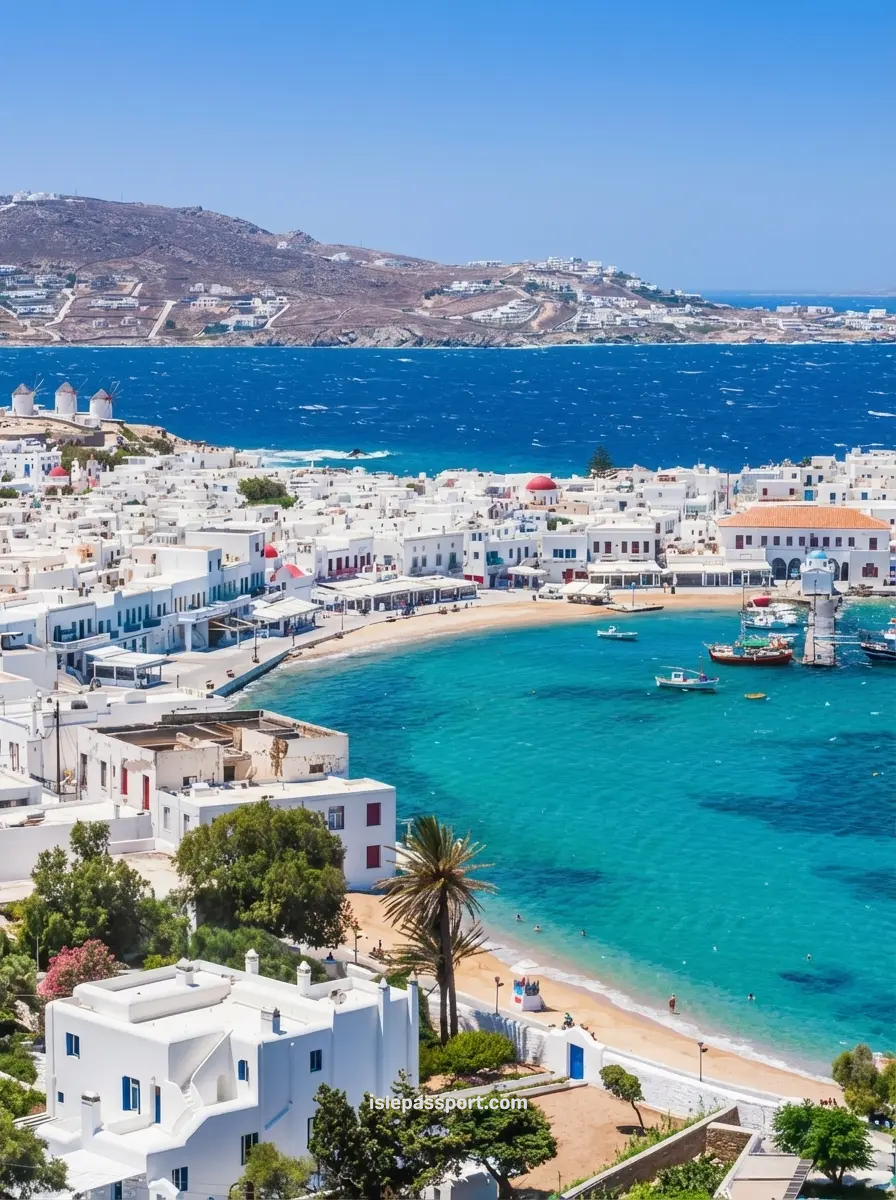
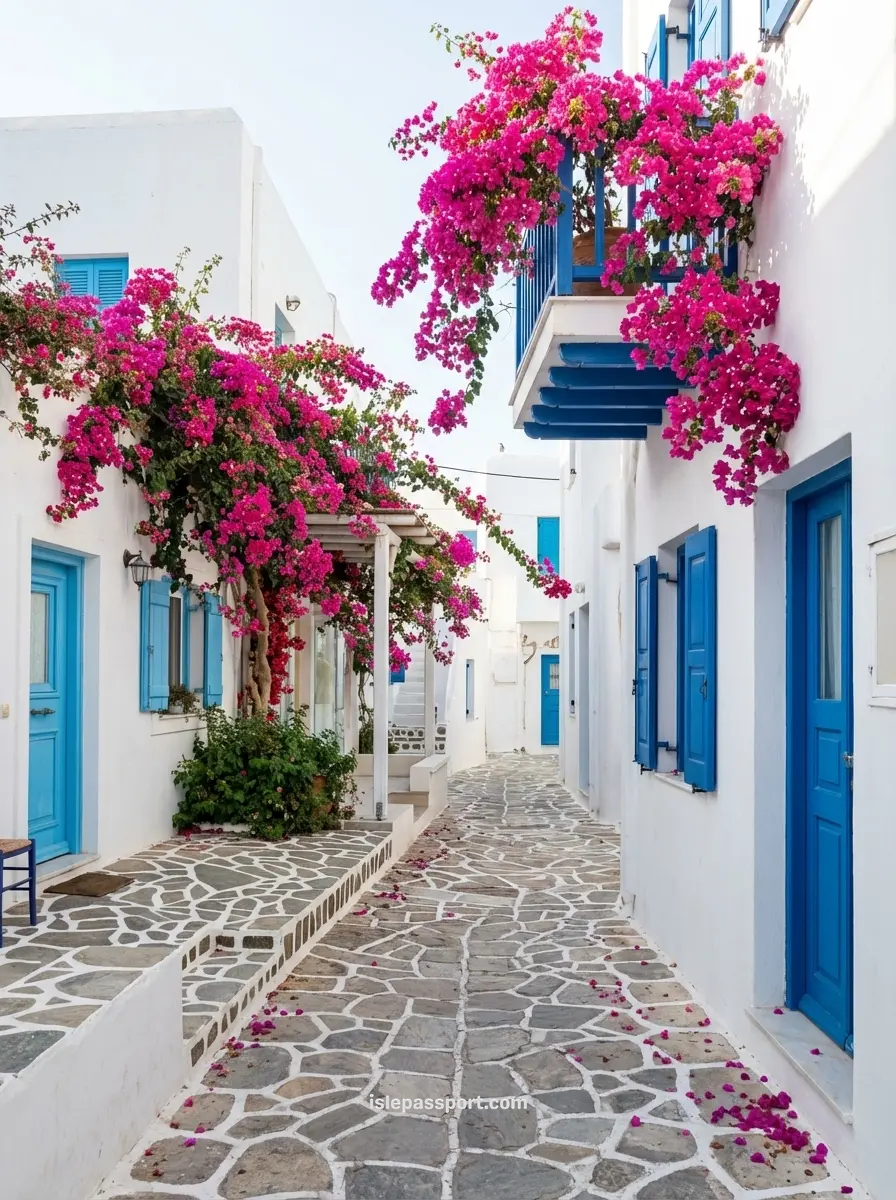

The Cyclades are the most popular island group for island hopping — and also the most affected by wind.
Islands like Mykonos, Paros, Naxos, and Santorini sit right in the path of the Meltemi winds during summer.
I’ve personally felt the difference here compared to other parts of Greece. In July and August, ferry rides in the Cyclades can be rough, and cancellations are more common than people expect.
For Cyclades island hopping, June and September are the sweet spots. You still get full ferry schedules, great weather, and far fewer wind-related disruptions. Late May also works well if you’re okay with cooler water.
If you’re set on the Cyclades, I generally avoid recommending peak August unless you’re sticking to very short ferry routes and have buffer days built in.
Ionian Islands — Calmer Seas and Easier Summer Travel

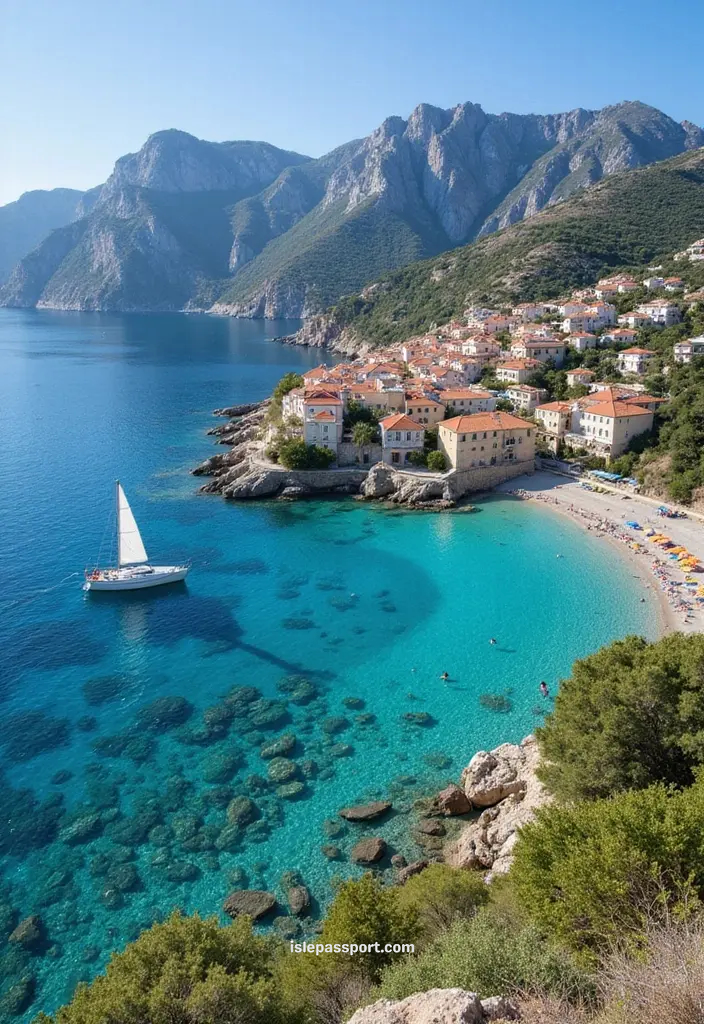

The Ionian Islands — like Corfu, Kefalonia, and Zakynthos — behave very differently from the Cyclades.
They’re more sheltered, experience far less wind, and tend to have calmer seas during summer. Because of this, island hopping in the Ionian works better during peak summer than it does in the Aegean.
If you’re traveling in July or August and want to minimize ferry stress, the Ionian Islands are often a better choice. The downside is that island-to-island ferry routes are more limited compared to the Cyclades, so you’ll need to plan carefully.
Late May through September works well here, with summer being far more manageable than people expect.
Dodecanese Islands — The Longest Island Hopping Season
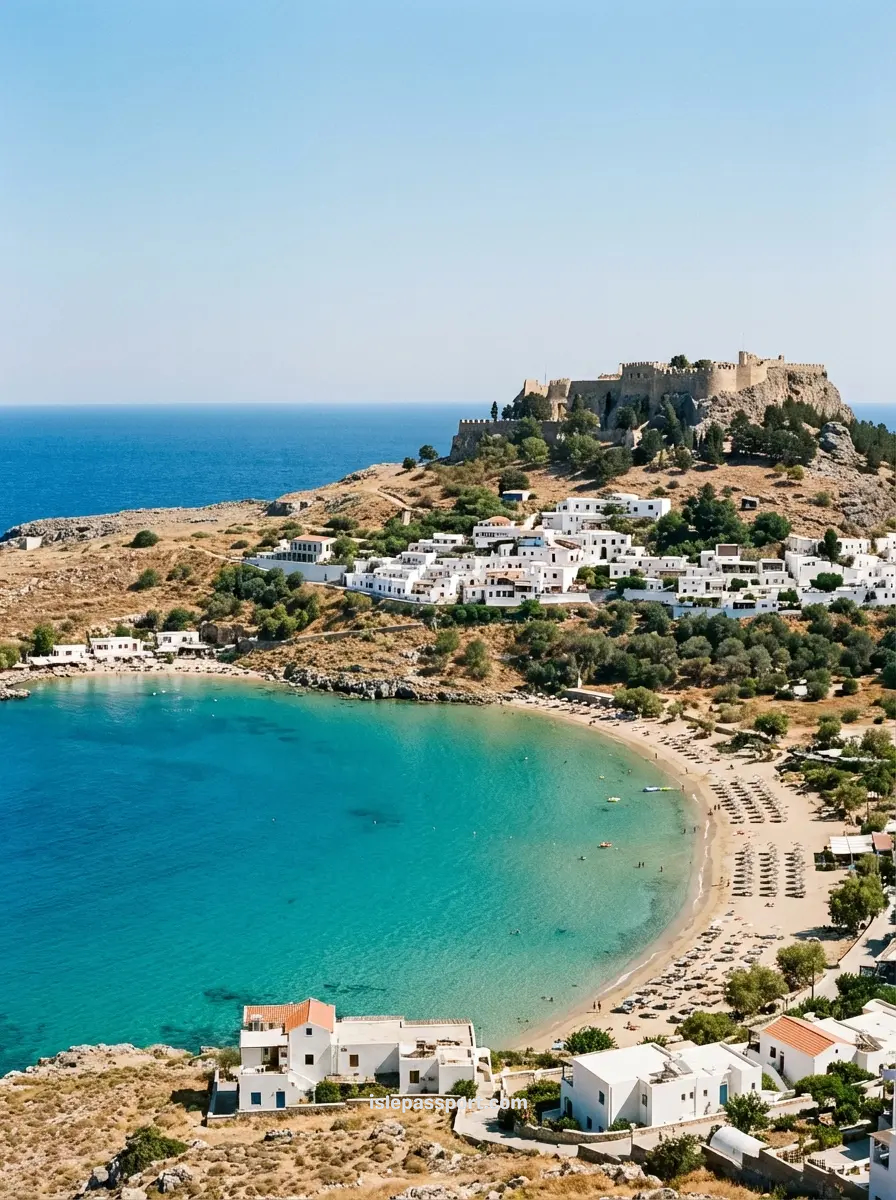
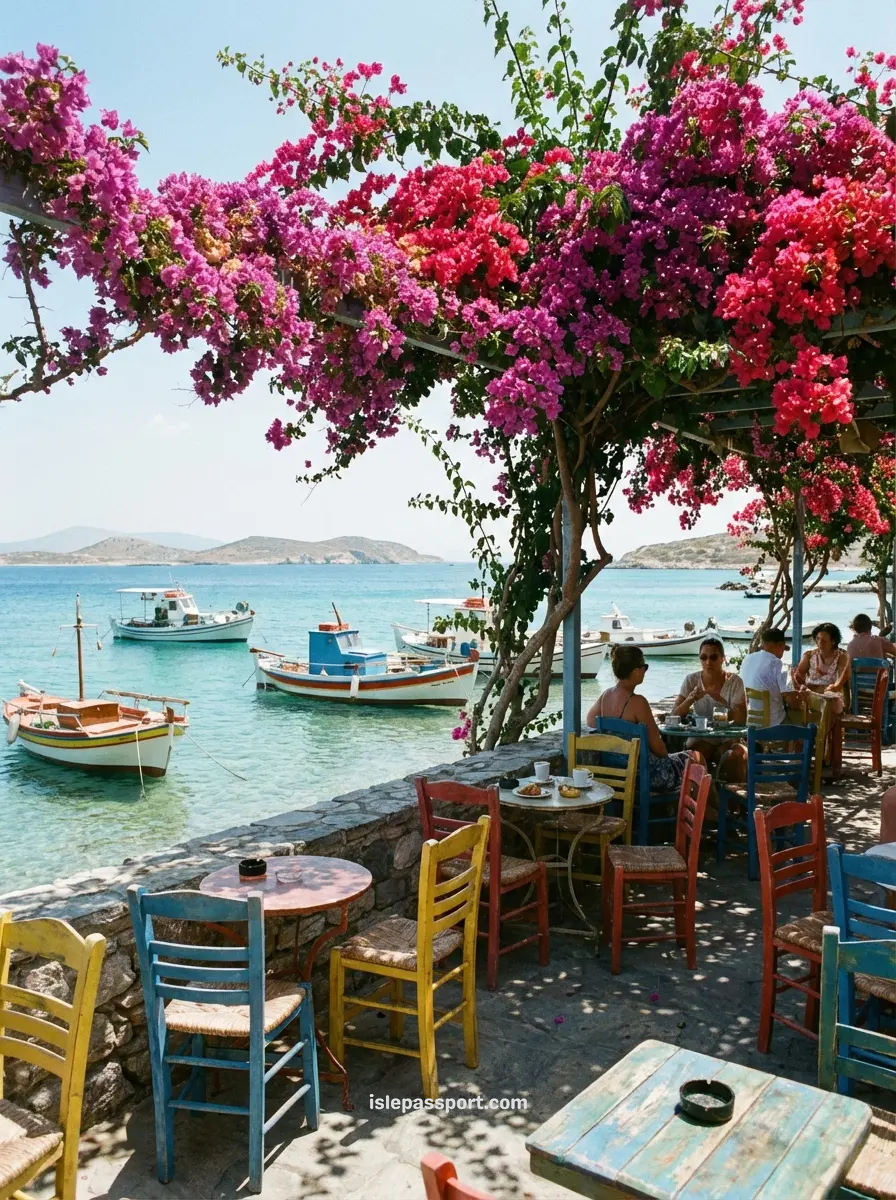
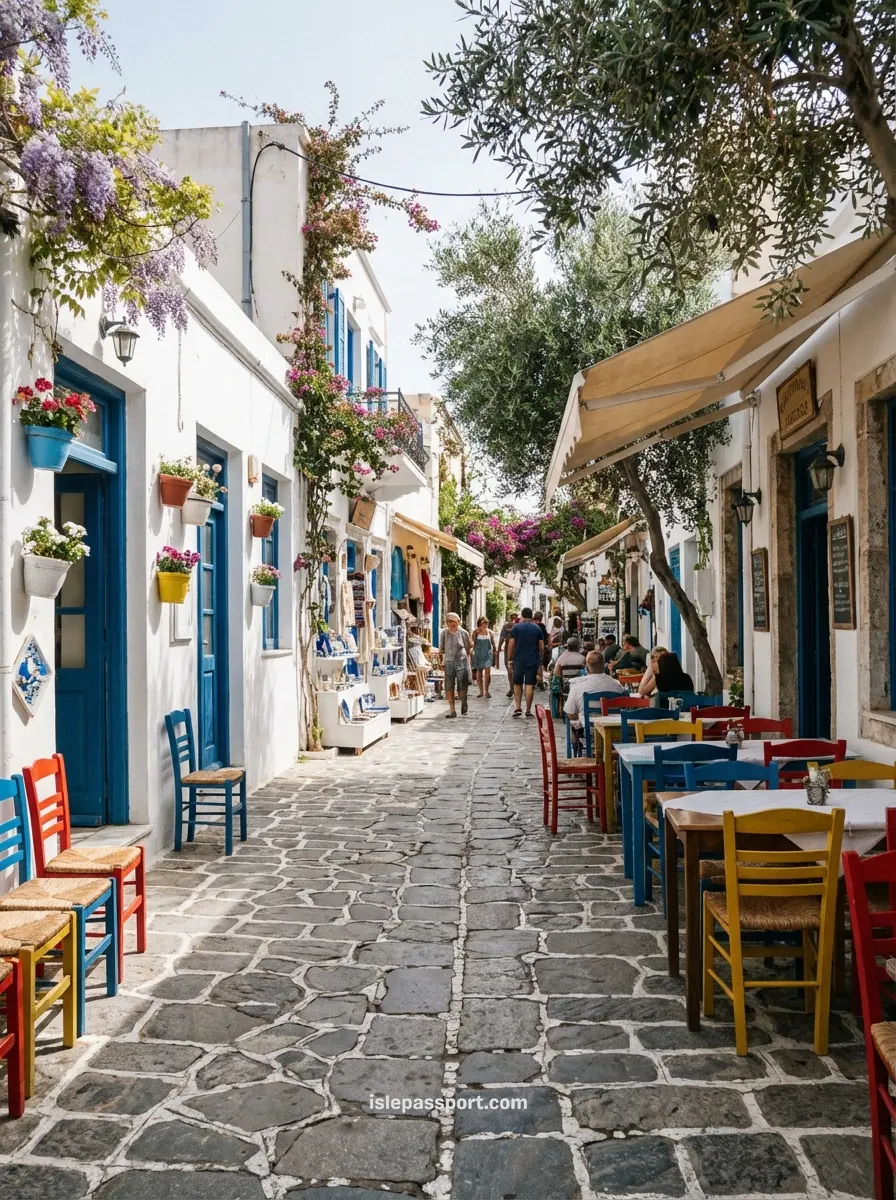
The Dodecanese Islands, like Rhodes, Kos, and Patmos, have one major advantage: a longer season.
These islands tend to stay warm later into the year, and island hopping remains viable well into October. I’ve found the Dodecanese to be much more forgiving in shoulder and late season compared to other island groups.
If you’re traveling outside peak summer — especially in September or early October — the Dodecanese are an excellent option. Ferry schedules are still relatively stable, weather is warm, and crowds are lighter.
For travelers planning late-season island hopping, this region is often the safest bet.
Best Time Based on Weather vs Ferries vs Crowds
Here’s the honest truth I’ve learned after doing this more than once: you can’t optimize for everything at the same time.
- If you want the best weather, July and August win — but you’ll deal with crowds and wind.
- If you want the best ferry reliability with fewer crowds, June and September are ideal.
- If you want quiet islands and lower prices, late May and early October work — but require flexibility.
The key is deciding which factor matters most to you before choosing dates, not after.
Some island groups handle shoulder season better than others, which is why understanding the comparison of Greek island groups is helpful when planning around crowds.
Choosing the Best Time Based on Your Travel Style
Best Time for Budget Travelers
If you’re trying to keep costs down, shoulder season is your friend.
Late May, early June, and September consistently offer better accommodation prices and cheaper ferries than peak summer. You’ll also find more availability, which gives you flexibility instead of forcing expensive last-minute bookings.
I’ve saved the most money island hopping in Greece by avoiding August entirely. The experience was better — and so was my budget.
Best Time for Couples, Solo Travelers, and Families
For couples, September is hard to beat. Warm water, fewer crowds, and a calmer pace make it feel more intimate and relaxed.
For solo travelers, June and September are ideal. It’s easy to meet people, ferries are reliable, and you don’t feel overwhelmed navigating busy ports alone.
For families, June is often the best choice. Weather is warm but not extreme, ferry schedules are predictable, and islands are lively without being chaotic. Late August can work too, but only if you’re prepared for crowds.
Best Time for First-Time Island Hopping
If this is your first time island hopping in Greece, I strongly recommend planning for June or early September.
These months offer predictable ferry schedules, fewer weather disruptions, and less stress overall. You’ll have more flexibility if plans change and fewer logistical surprises.
If you’re still learning how island hopping actually works, I highly recommend reading my complete guide to island hopping in Greece to understand routes, ferries, and planning basics before locking anything in.
When to Avoid Island Hopping in Greece (And Why)
This might sound counterintuitive, but the worst time for island hopping in Greece for most people is late July and August.
Strong winds, extreme crowds, higher prices, and packed ferries can turn what should be a dream trip into a stressful one. The weather is great — but the experience often isn’t.
How Seasonality Affects Greek Island Ferries
This is one of the most important things to understand.
Greek island ferries are highly seasonal. In summer, routes multiply and run frequently. Outside peak season, some routes reduce or disappear entirely.
This is why I always tell people to build buffer days, especially outside June and September. Summer does not automatically mean easier — sometimes it means more cancellations due to wind.
You can see how dramatic the seasonal changes are by checking a Greek ferry schedules search tool and comparing spring vs summer routes.
Choosing the Right Time for Your Island Hopping Style
- If you’re a first-timer, aim for June or September.
- If you hate crowds, late May or September is ideal.
- If you want warm water without chaos, September wins.
- If you’re flexible and love quiet travel, spring can be magical.
Choosing the right timing is just as important as choosing the right islands.
If you’re ready to plan routes next, check out my 7, 10, and 14-day Greek island hopping itineraries to see what actually works in different seasons.
Frequently Asked Questions About Island Hopping in Greece
What is the best month for island hopping in Greece?
The best month for island hopping in Greece for most travelers is either June or September.
From my experience, these two months offer the best balance of everything people actually care about when planning a Greek island hopping trip.
Is summer a good time for island hopping in Greece?
Summer can be a good time for island hopping in Greece, but it’s not automatically the best time — and that’s something I wish I understood earlier.
July and August have the most ferry routes running, but they also bring strong Meltemi winds, packed islands, and higher prices.
Is September good for island hopping in Greece?
Yes — September is one of the best times for island hopping in Greece, and it’s my personal favorite month to travel the islands.
Can you island hop in Greece in October?
You can island hop in Greece in October, but it depends heavily on which islands you choose and how flexible your plans are.
Early October can still be a great time to island hop in well-connected areas like the Cyclades, especially if the weather cooperates.
When do Greek island ferries stop running?
Greek island ferries don’t completely stop running, but their frequency changes dramatically after the summer season.
Most major islands still have year-round ferry connections, especially from Athens.
However, many direct island-to-island routes only operate from late spring through early fall. After October, ferry schedules become limited, and some connections disappear entirely until the following season.
When should you avoid island hopping in Greece?
For most travelers, the worst time to island hop in Greece is late July and August.
While the weather is beautiful, these months bring strong winds, extreme crowds, sold-out ferries, and high prices. The Meltemi winds can make ferry travel uncomfortable or unreliable, and popular islands feel overwhelmed by tourism.
If you’re looking for a relaxed, enjoyable island hopping experience, avoiding peak summer can make a huge difference. Shoulder season offers better value, fewer crowds, and a much smoother travel experience overall.
Before You Go..Choosing the Right Month for Your Trip
Island hopping in Greece is unforgettable — but only if you choose the right season. I’ve learned this the hard way, and hopefully this guide helps you avoid the same mistakes I made early on.
If you want to go deeper into planning, routes, and island choices, keep reading through the Greece section on Island Hopping hub — it’s all built to help you plan smarter, not harder.
💛 Loved this guide?
If it helped you plan your trip or discover somewhere new, you can help me create the next one. Every guide is free to read, independently researched, and made with travellers like you in mind.
